 ×
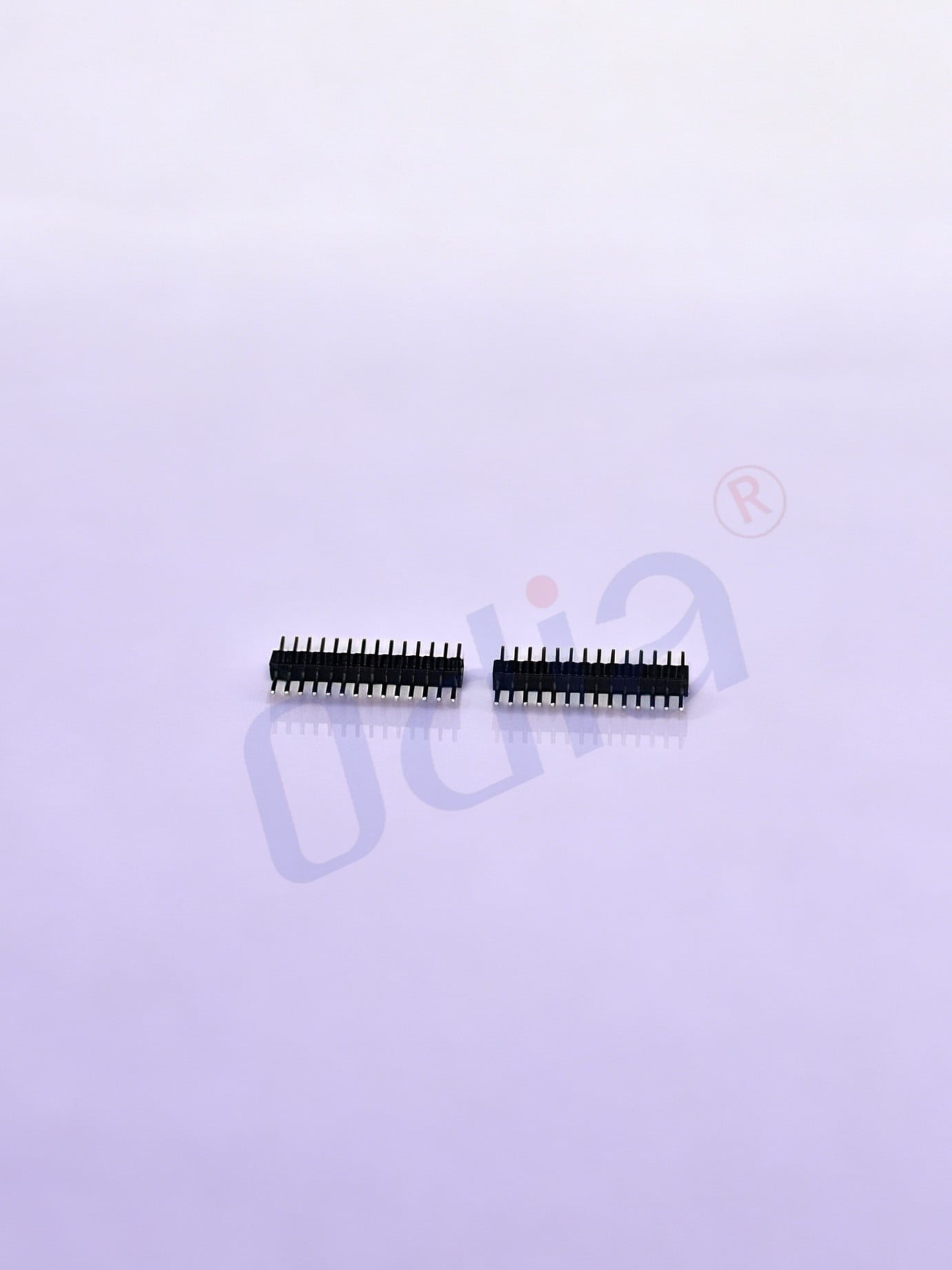
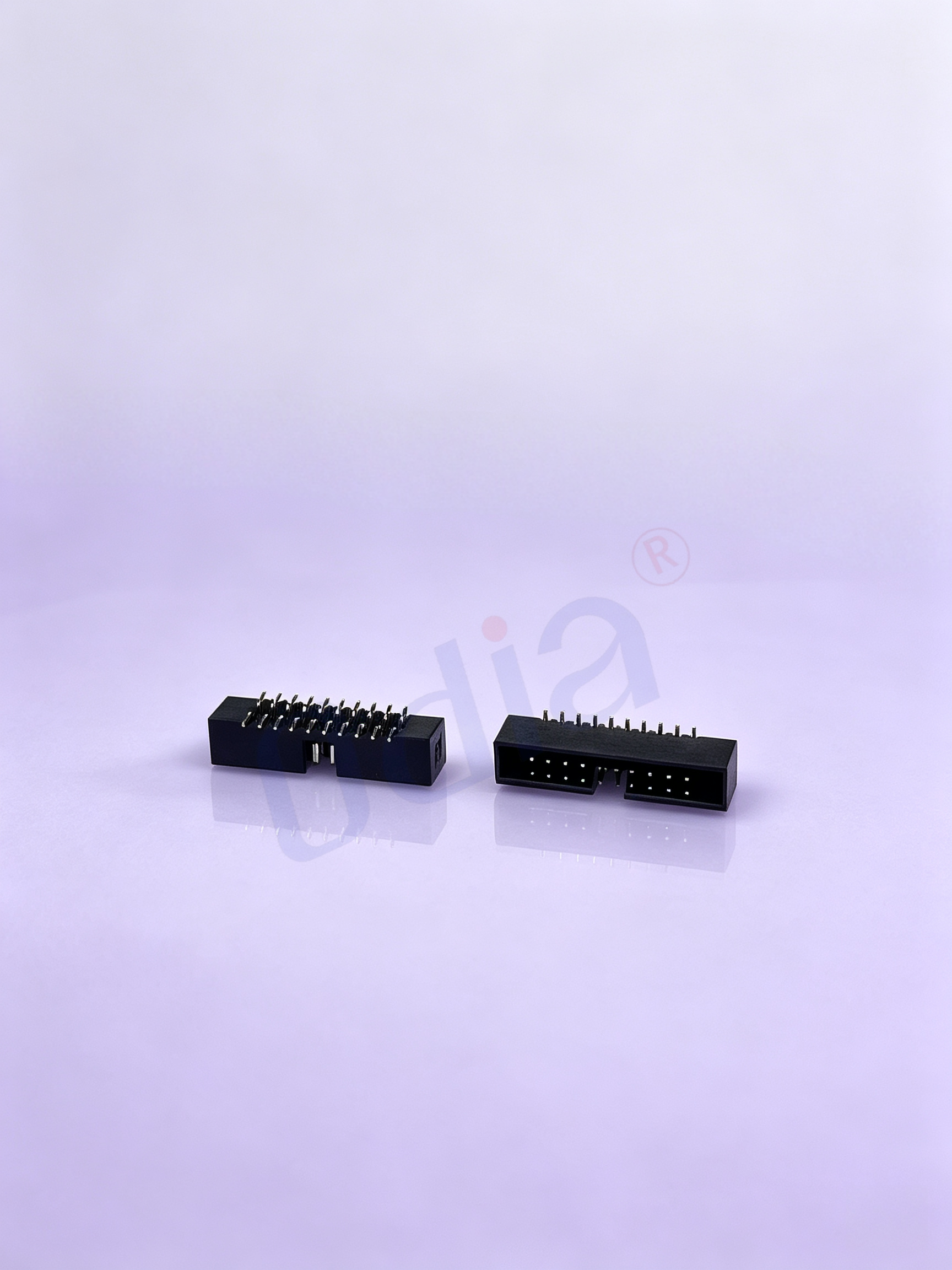
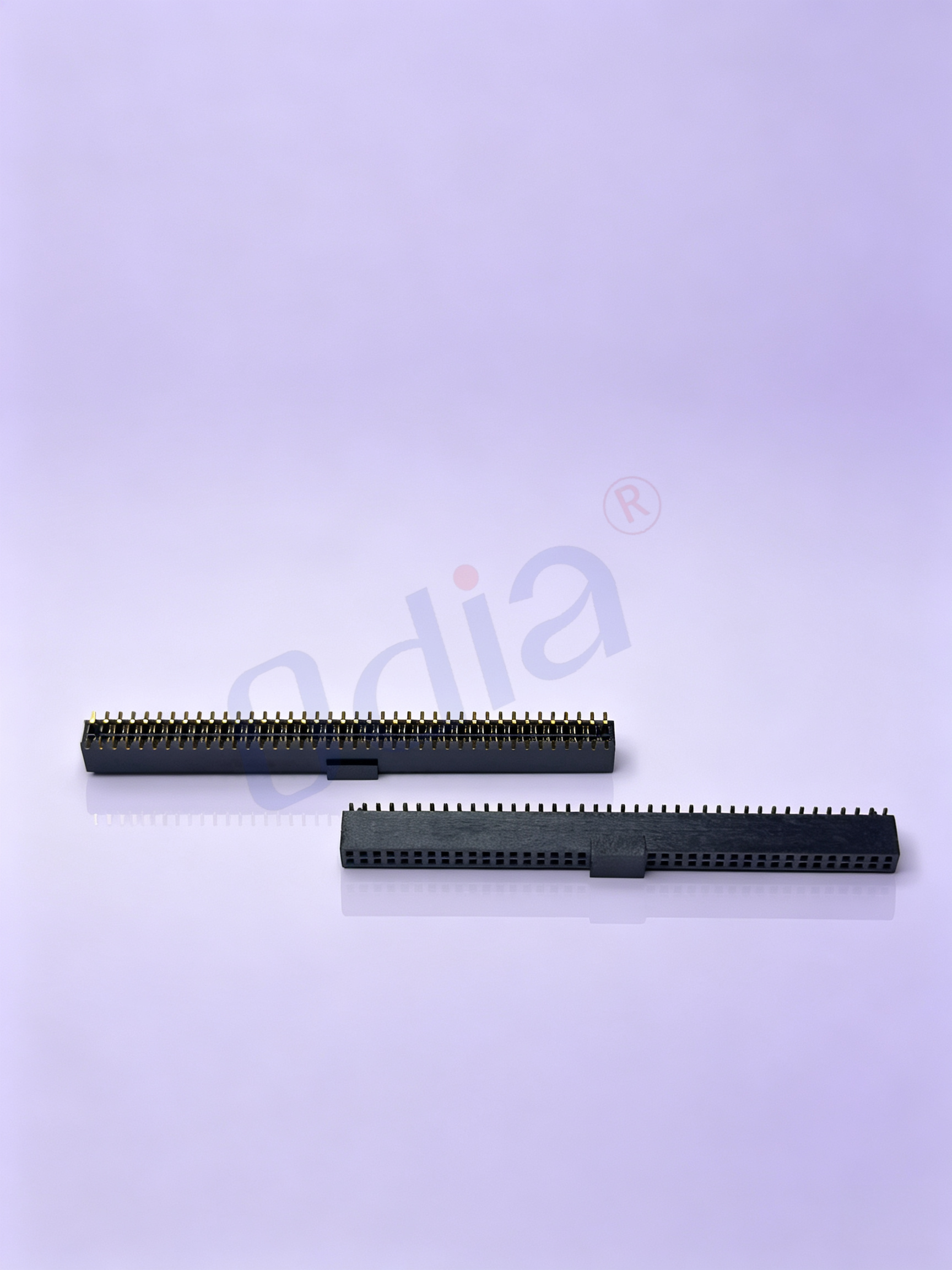
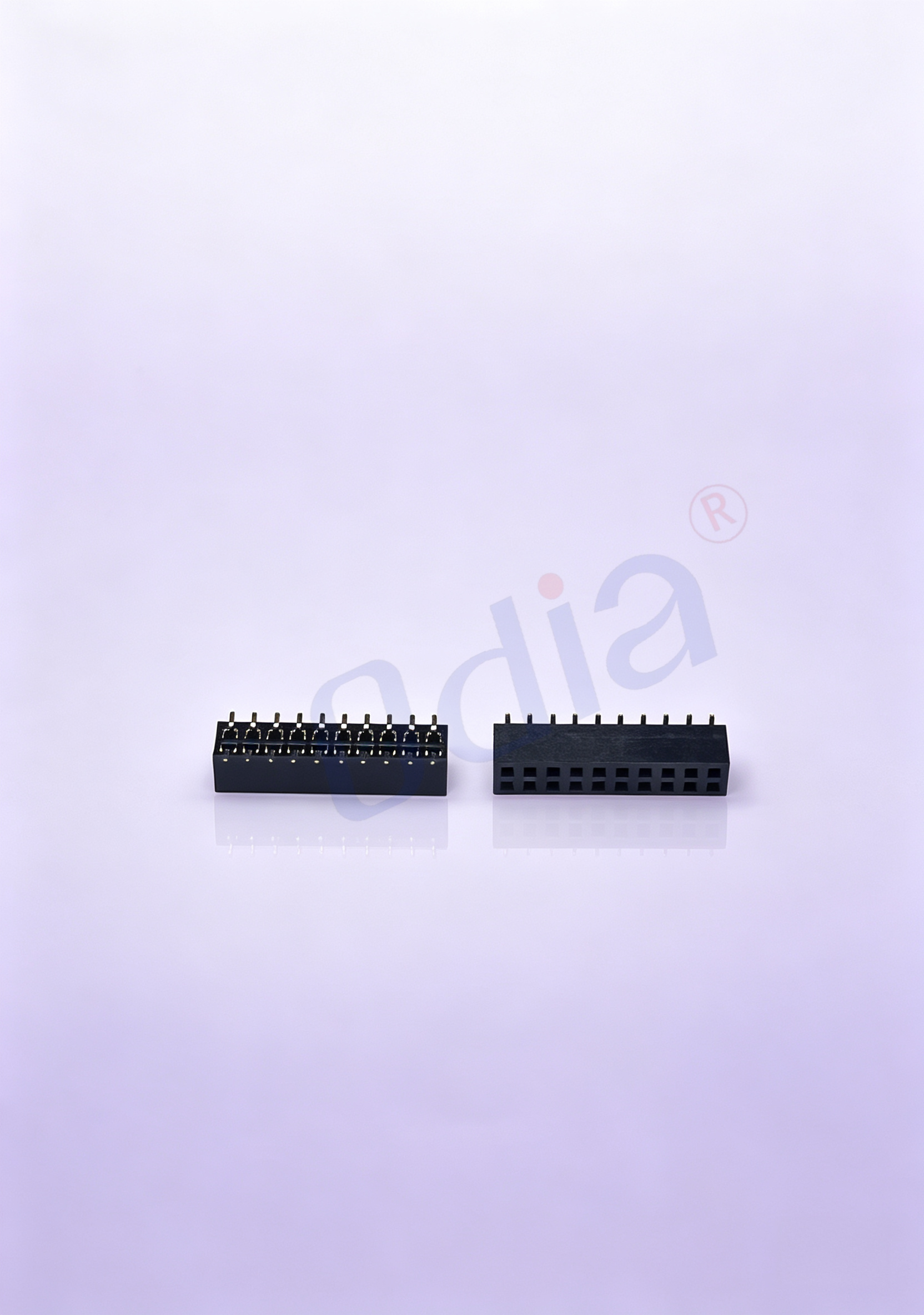
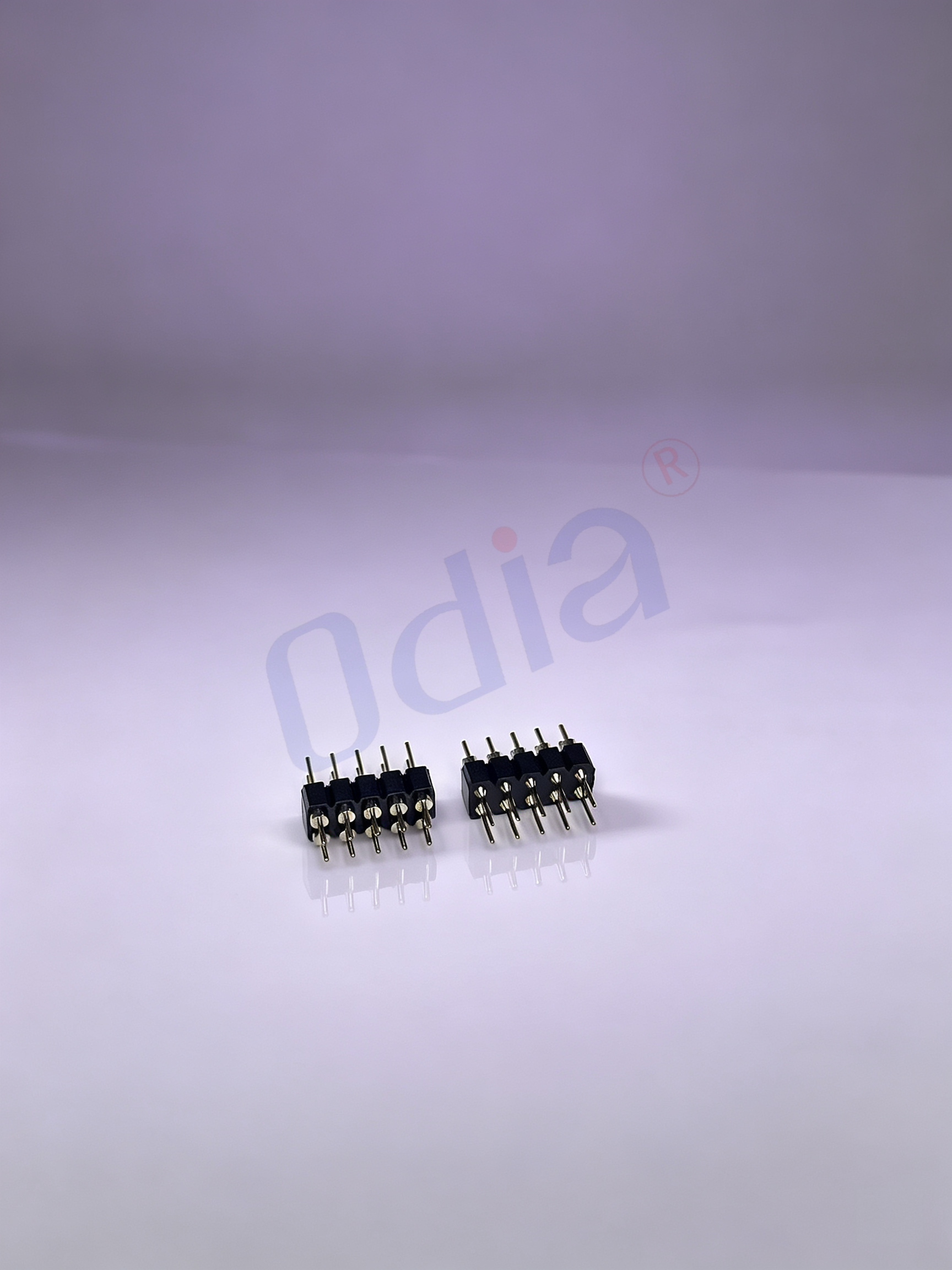
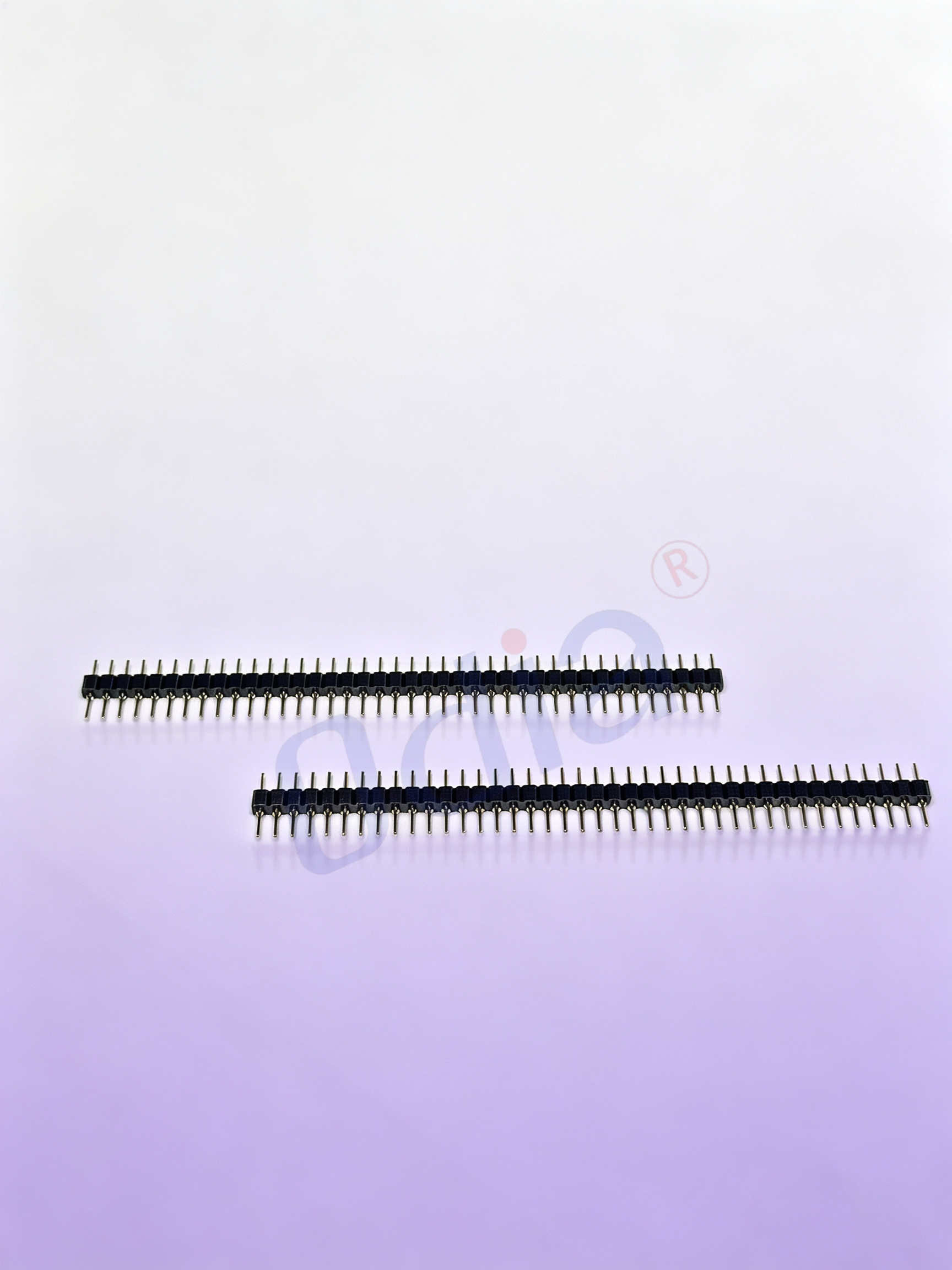
Odia Electronics supplies male header pins in a wide array of configurations to suit diverse PCB interconnect requirements. Our lineup includes single row and dual row versions, straight and right-angle orientations, through-hole and surface-mount terminations, and pitch options commonly specified in the industry such as 1.27 mm, 2.00 mm and 2.54 mm. Insulators are available in materials selected for thermal and electrical performance, and contact platings can be tailored to your mating cycle and corrosion-resistance targets. Typical applications include board-to-board connections, ribbon cable interfaces, programming headers, and modular subassemblies in industrial control equipment, security devices, data center hardware, 5G infrastructure, home appliances and renewable energy systems. Custom pin counts and packaging are available upon request.
Male header pins are among the most widely used interconnect components in electronics because they solve a deceptively simple problem: reliably joining one circuit to another while allowing assembly, testing and serviceability. A male header pin consists of a conductive post, usually square or round, held in an insulating base that maintains precise spacing between contacts. When mated with a female socket or crimped housing, it forms a separable electrical connection that can be plugged and unplugged without soldering. Engineers select male header pins based on pitch, pin count, row configuration, mounting style, current rating, voltage rating, operating temperature and plating. Pitch is critical because it determines compatibility with mating connectors and available board space; 2.54 mm remains the most common for general-purpose designs, while 1.27 mm and 2.00 mm serve compact assemblies. Plating choices, such as tin, gold flash or selective gold, influence contact resistance, solderability and resistance to oxidation, which matters in humid or high-temperature environments. For international buyers, consistency between lots and clear documentation are essential, particularly when male header pins are designed into products subject to long qualification cycles. Odia Electronics addresses these needs through standardized inspection procedures, ISO-certified management systems and a collaborative engineering process that aligns specifications with real application conditions.

18
Aug
04
Sep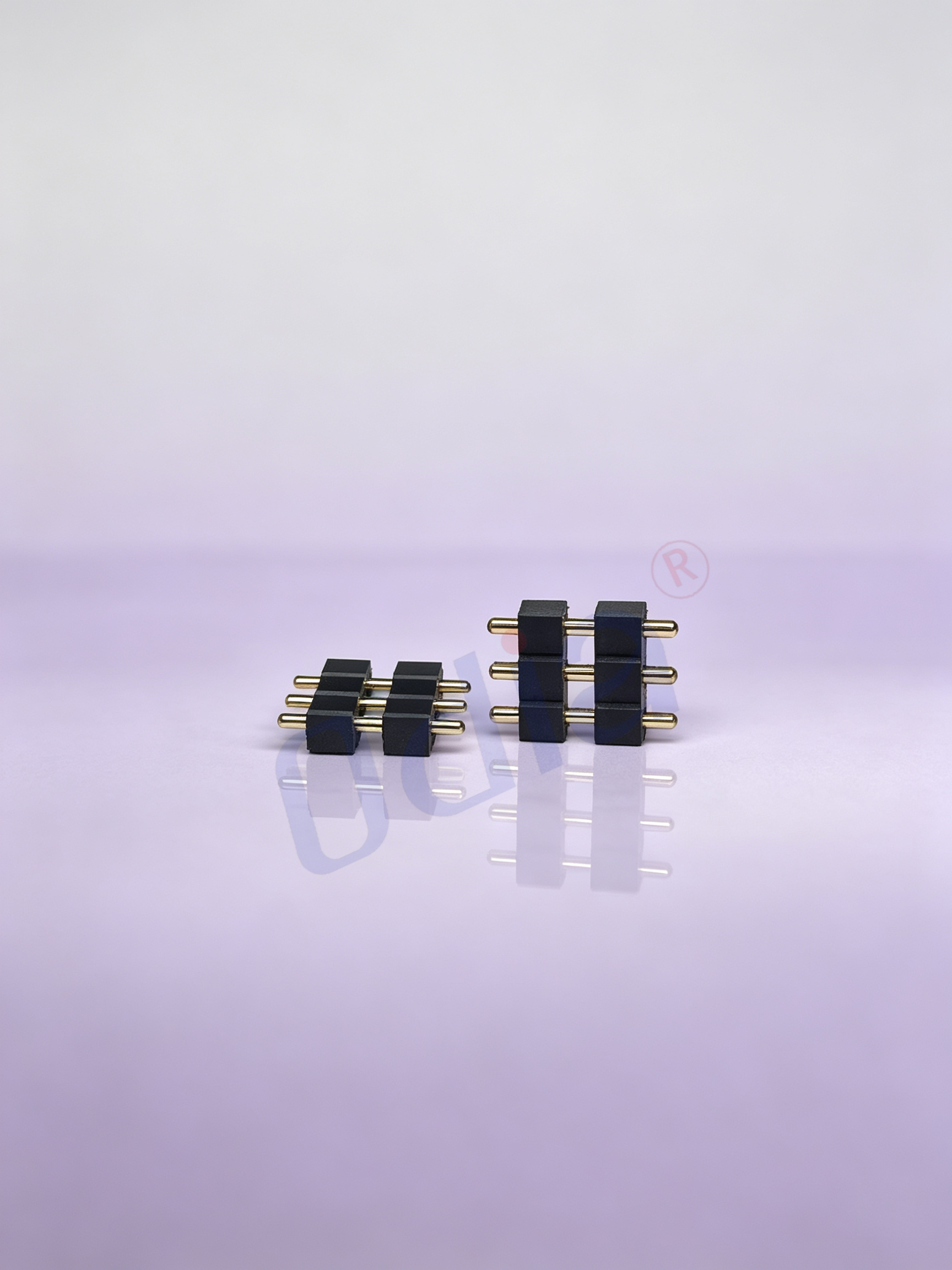
21
Sep
25
Sep


 EN