
 EN




What Are Electronic Structural Components?
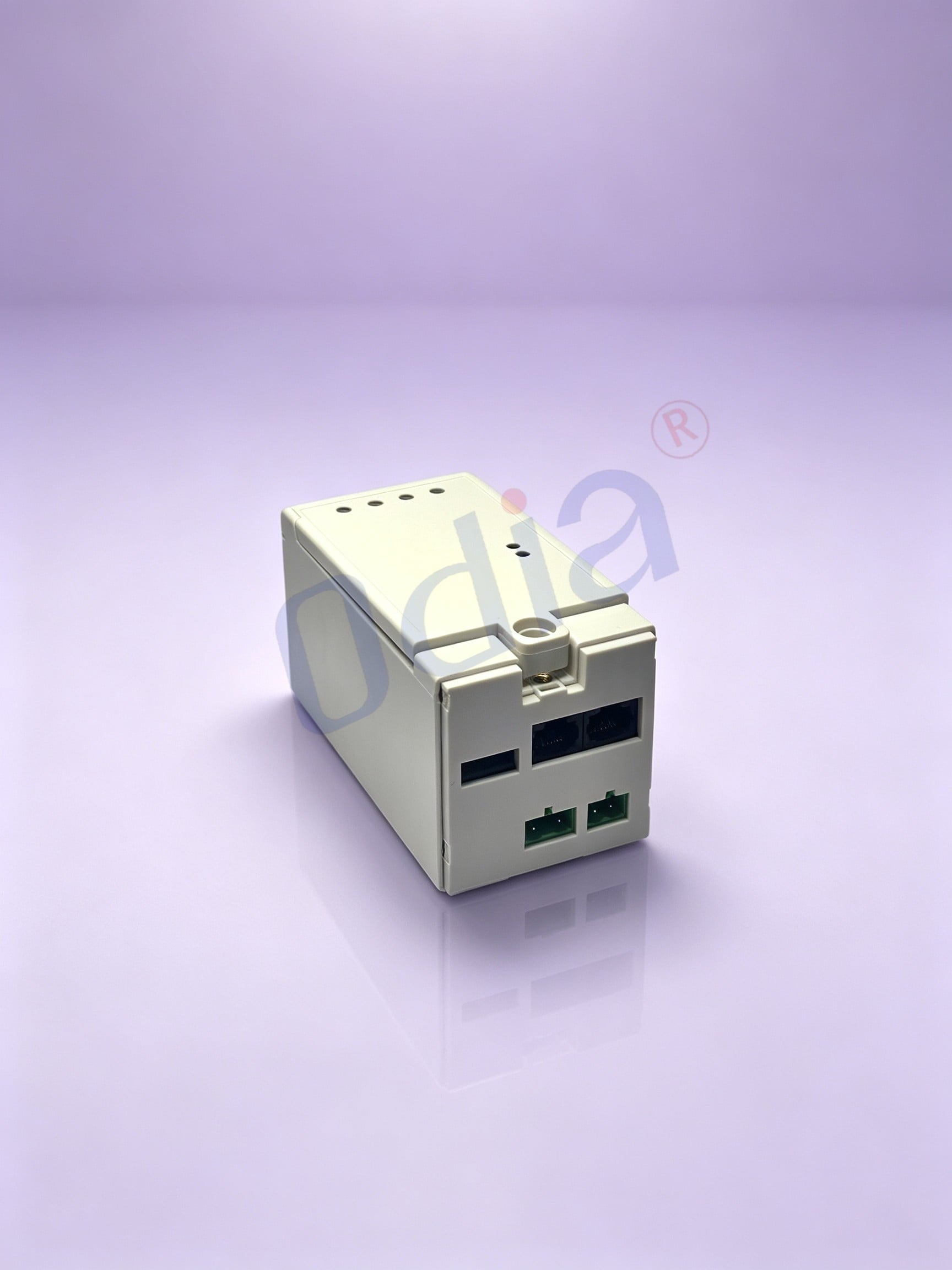
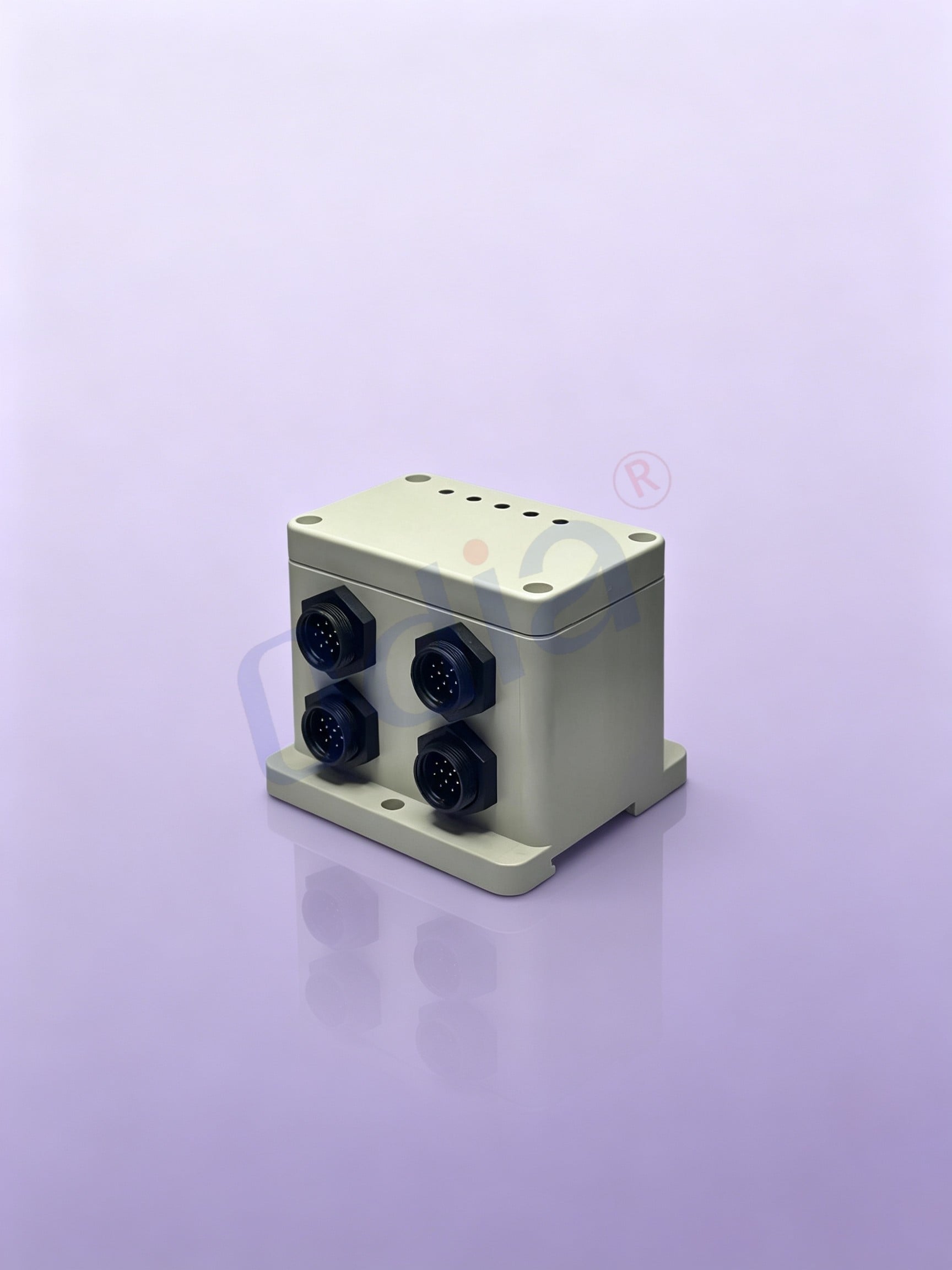
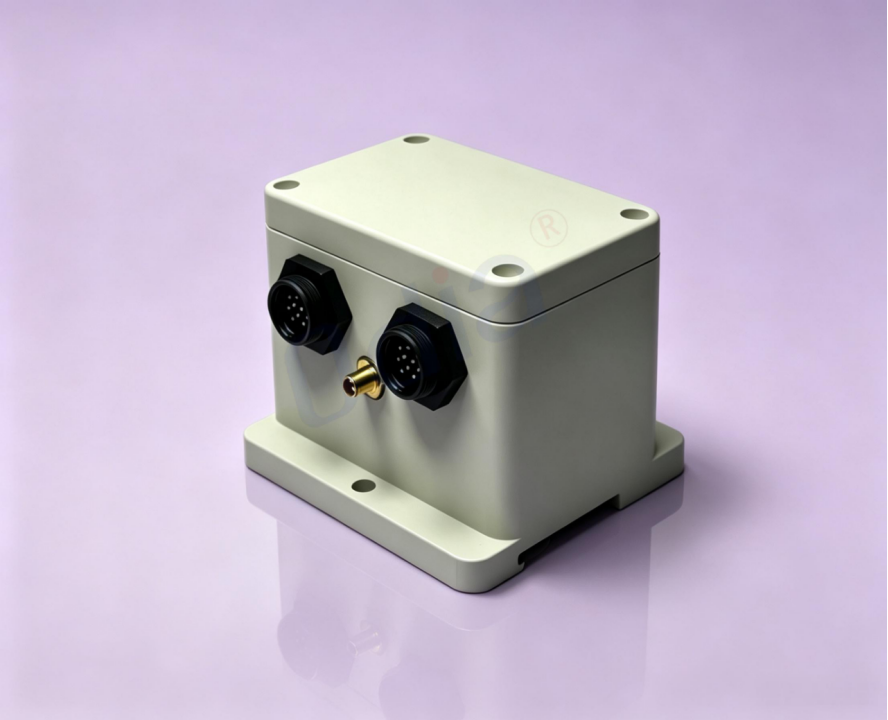
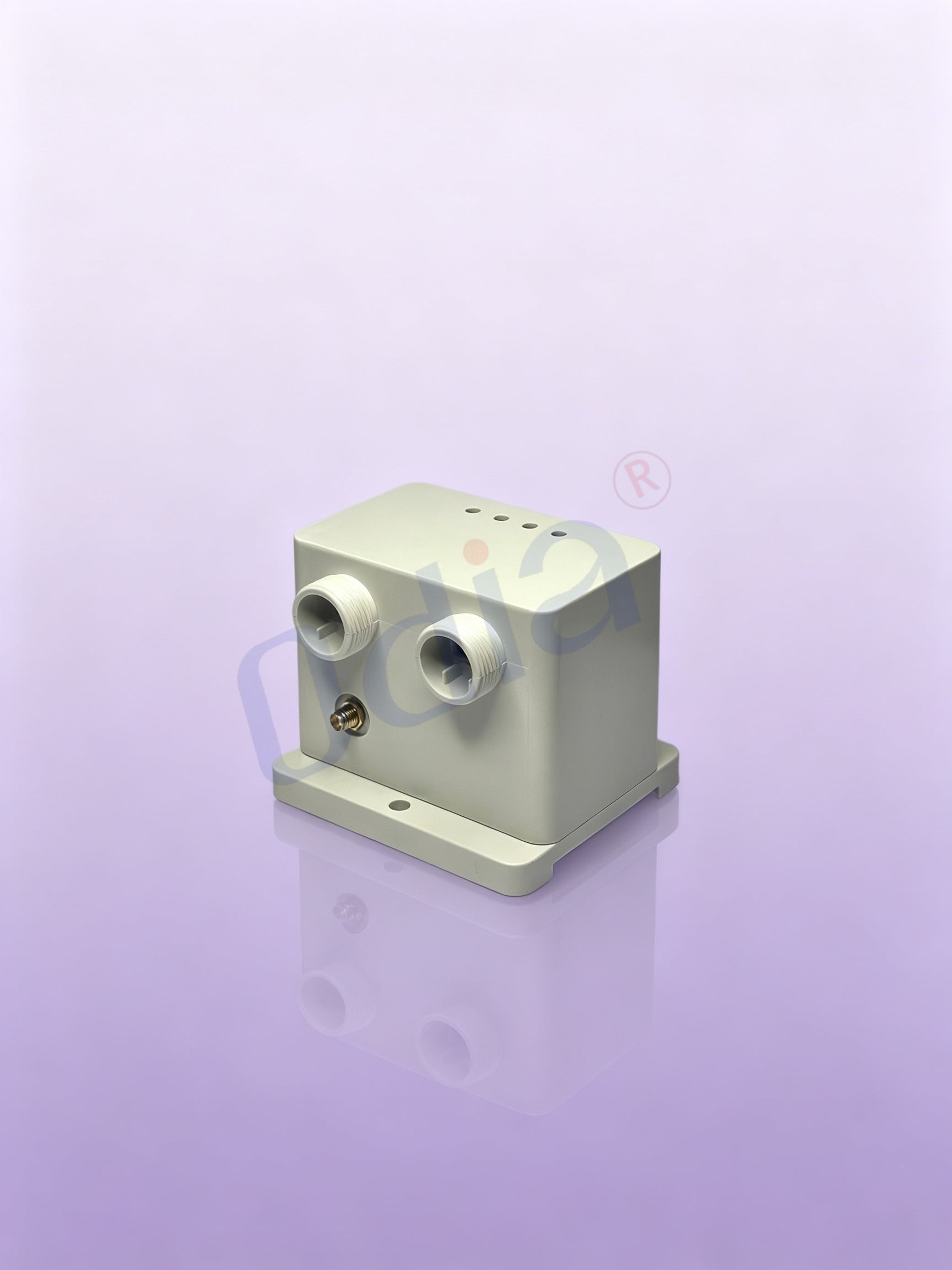
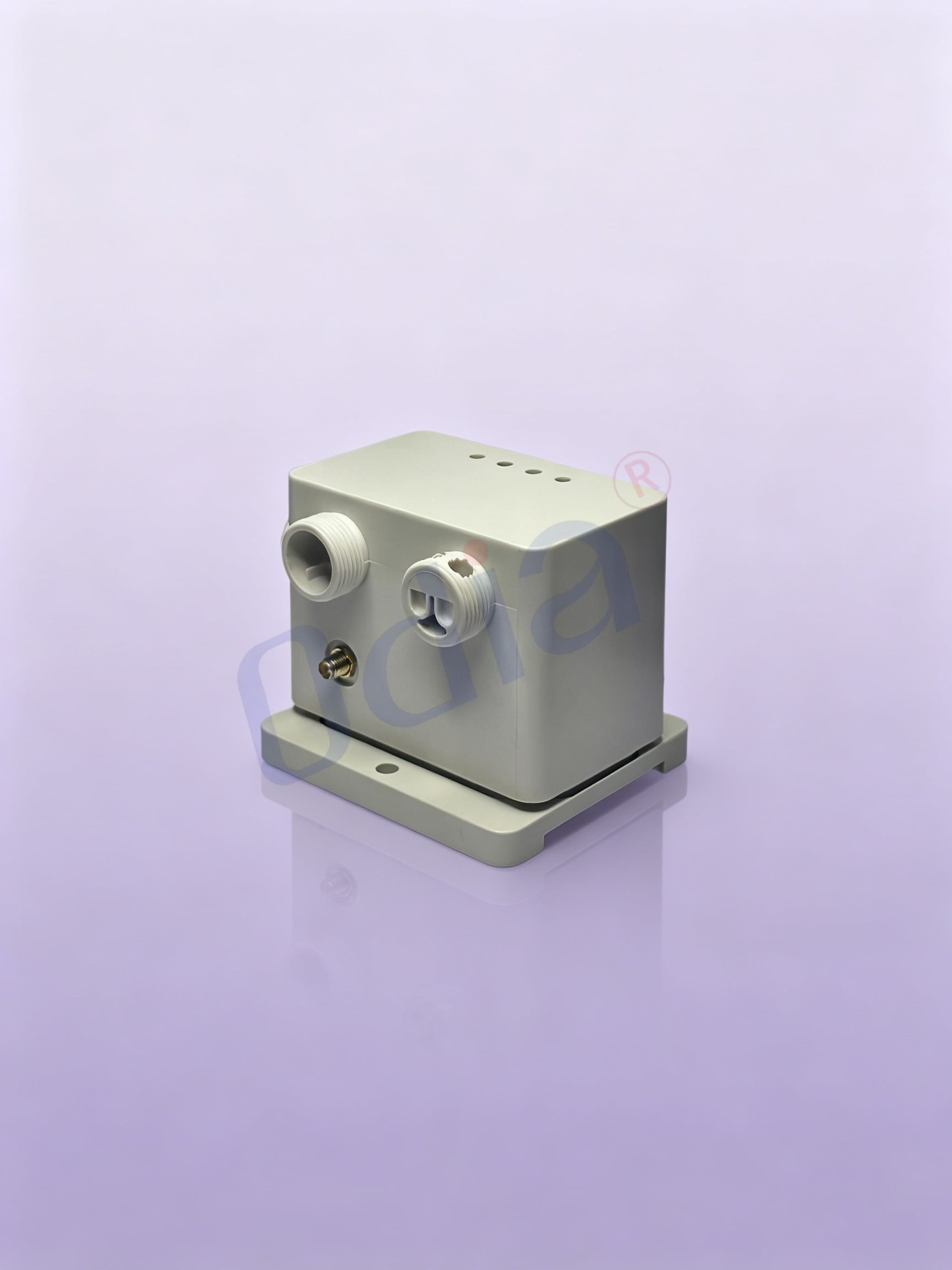
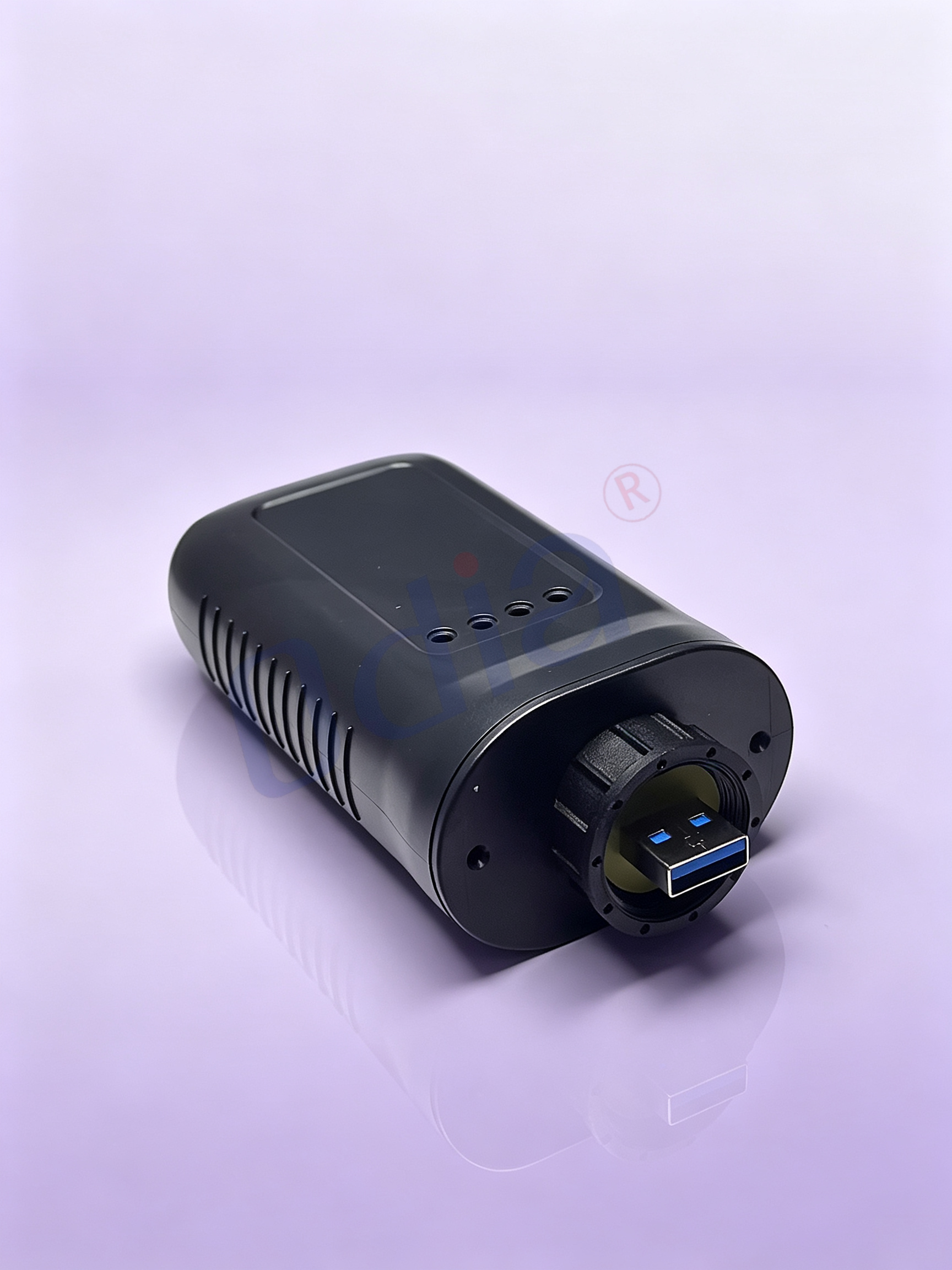
Electronic structural components are the physical framework elements that house, protect, and organize the electrical systems within a finished product or assembly. The category spans a broad range of manufactured parts—plastic enclosures, metal housings, EMI shielding enclosures, mounting brackets, sheet-metal stamped panels, and precision plastic injection-molded parts—each serving a distinct mechanical or protective function in the final product architecture.
You already know that the electronic circuitry is what makes a product function. What is worth spending time on is understanding how the structural component surrounding it determines whether that product survives its intended service environment. For applications like grid-connected PV conversion boxes, the structural enclosure is not a commodity afterthought—it is a critical reliability variable that defines operational lifespan in outdoor energy installations.
Structural components in this category include custom-tooled designs developed for OEM applications, as well as standard configurations suited to general-purpose industrial electronics and instrumentation. The selection of material, form factor, surface treatment, and sealing standard is determined by the end-use environment, not by a single specification number. Starting from the deployment conditions—rather than from a convenient off-the-shelf enclosure—produces more reliable outcomes across the product's service life.
Key Product Characteristics
- Material Options: Structural components are available in engineering-grade thermoplastics (ABS, PC, PA), die-cast aluminum, cold-rolled steel, and stainless steel. Material selection affects thermal conductivity, corrosion resistance, weight, and machinability—each tradeoff matters differently depending on whether the structural component is for an indoor instrumentation rack or an outdoor energy converter exposed to UV and condensation cycling.
- EMI Shielding: Metal housings and EMI shield inserts provide electromagnetic compatibility protection for enclosed electronic circuits. In industrial automation and communications applications, EMI shielding is often a functional requirement rather than a design preference, and it directly influences regulatory compliance outcomes.
- Surface Treatment: Common treatments include powder coating, anodizing, electroplating, and chromate conversion coating. Surface treatment affects corrosion resistance, abrasion resistance, and cosmetic appearance. In outdoor structural component installations, surface integrity correlates directly with long-term environmental degradation resistance across the product's rated service life.
- Sealing and IP Protection: Enclosures and housings are designed to meet IP (Ingress Protection) ratings defining resistance to dust and moisture penetration. The guidance here aligns with the general direction of enclosure performance standards applicable to outdoor and industrial electronics. If a specific IP rating is required for your application, confirm that the mated assembly—including cable entry sealing and cover gasket compression—meets the rated protection level, not only the unmodified housing shell.
- Mounting Provisions: Mounting brackets, DIN-rail adapters, and panel cutout configurations vary by application type. Confirming dimensional compatibility with the intended mounting surface early in the structural component design process prevents costly late-stage tooling revisions.
- Custom and OEM Tooling: For production volumes that justify custom tooling, OEM mold development enables product-specific enclosure geometries, integrated cable management features, and differentiated cosmetic finishes. Custom structural components can solve unique product constraints—though it is worth evaluating whether a standard housing variant with an adapted internal mounting arrangement can satisfy the core mechanical requirement before committing to tooling investment and extended lead time.
Common Application Scenarios
Structural components from this category serve several industrial and energy electronics segments. In each segment, environmental requirements differ significantly, and selecting the right structural component configuration requires starting from the deployment environment rather than from the nominal specification.
- Solar and Renewable Energy: PV system junction boxes, grid-connected conversion enclosures, and power electronics housings operate outdoors under sustained UV exposure, temperature cycling, and humidity variation. In outdoor solar installation applications, visible surface discoloration or gasket compression loss after one or two service seasons is a reliable indicator that the original IP rating specification did not fully account for the ambient temperature swing and condensation cycle present in the installed environment—a common field observation when structural component selection begins with product cost rather than environmental profile.
- Industrial Automation: Control panel enclosures, sensor housings, and actuator mounting brackets in factory automation environments are subject to vibration, coolant mist, and periodic cleaning with industrial solvents. Industrial automation buyers consistently prioritize structural component durability over unit price—because a housing failure in a running production line creates downtime costs that substantially exceed the component procurement value. For automation-targeted content, reliability evidence typically outweighs price-focused messaging.
- Communication and Data Infrastructure: Rack-mounted housings, DIN-rail enclosures, and cable management panels for communication equipment require dimensional precision for interoperability with standard mounting systems and cable entry configurations. Consistent tolerances across production batches matter in this segment.
- Medical and Precision Instrumentation: Precision plastic injection parts and custom metal housings for medical instrumentation require consistent dimensional tolerances, specific surface finish standards, and material documentation as part of the product qualification process.
- Automotive Electronics: Under-hood and in-cabin electronic assemblies require structural components that maintain dimensional integrity under repeated thermal cycling. Everything may check out during initial environmental testing, but after repeated thermal cycles in a vehicle under-hood environment, housing creep or gasket compression loss can appear—tracing back to material selection decisions that underestimated the coefficient of thermal expansion mismatch between the structural component housing and the internal assembly board stack.
How to Choose the Right Structural Component
The structural component selection decision should be driven by the operating environment and mechanical integration requirements of the final assembly. Starting from a lowest-cost enclosure that approximately fits the board dimensions produces selection outcomes that often require revision after environmental qualification testing.
Define the environmental exposure profile first: temperature range, humidity, potential contaminant exposure, vibration load, UV exposure duration, and cleaning chemistry. From that profile, determine the minimum required material, surface treatment, and IP rating for the structural component. What this means in practice is that if you are sourcing enclosures for a field-deployed energy application, confirm that IP rating certification covers the assembled configuration—including cable entry sealing—not just the unmodified housing shell before finalizing your BOM.
For design engineers sourcing structural components in the early design phase, evaluate whether the product geometry justifies custom tooling or can be adapted to standard housing variants. Custom structural component configurations can solve unique PCB layout or thermal management constraints, but they introduce tooling lead time and minimum order quantity considerations. A standard housing with a custom adapter plate often satisfies the same core mechanical requirement at lower qualification risk and shorter schedule impact.
Procurement managers should confirm that dimensional tolerances and surface treatment specifications are explicitly documented in the supplier's product data sheet. Batch-to-batch dimensional consistency matters in automated assembly environments where structural component misalignment affects downstream assembly yield. Request sample units for fit verification before committing to production volumes on a new structural component source.
Why Structural Components Matter for Industrial Electronics Buyers
Structural components are frequently underweighted in BOM cost analysis but disproportionately affect product reliability, regulatory compliance, and field serviceability. The housing surrounding your electronics is the first line of protection against every environmental stressor the product will encounter in service.
For buyers sourcing structural components in industrial and energy applications, the selection framework should account for total reliability cost—not unit price alone. A precision metal structural component housing with validated IP-rated sealing and UV-stable surface treatment represents a different value calculation than a lower-cost alternative that requires field replacement after several seasons of outdoor service. In applications where serviceability is constrained or downtime is costly, the structural component becomes part of the product's reliability specification, not a separable line item.
Suppliers offering OEM mold development capability allow buyers to consolidate the structural component design and manufacturing relationship with a qualified vendor—reducing qualification complexity and enabling tighter integration of mechanical and electronic design requirements. For buyers evaluating new structural component suppliers, confirming OEM tooling capability alongside standard catalog availability simplifies the design-in and production scale-up process.
This category covers electronic structural components including plastic enclosures, metal housings, EMI shields, mounting brackets, sheet-metal stamped parts, plastic injection parts, and custom OEM-tooled enclosures. Buyer evaluation should include dimensional documentation, surface treatment specifications, IP rating certification scope, and OEM development capability as part of the supplier qualification baseline for industrial and energy electronics applications.