
 EN




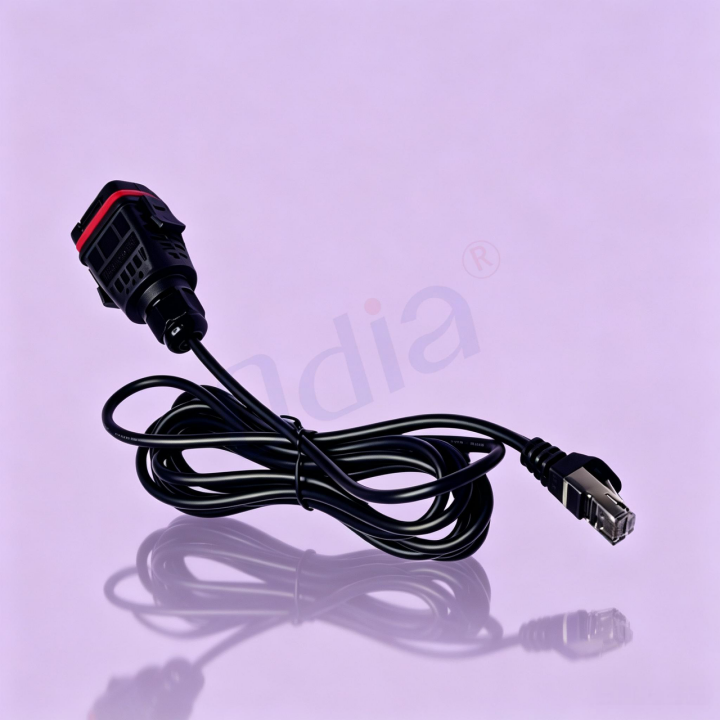
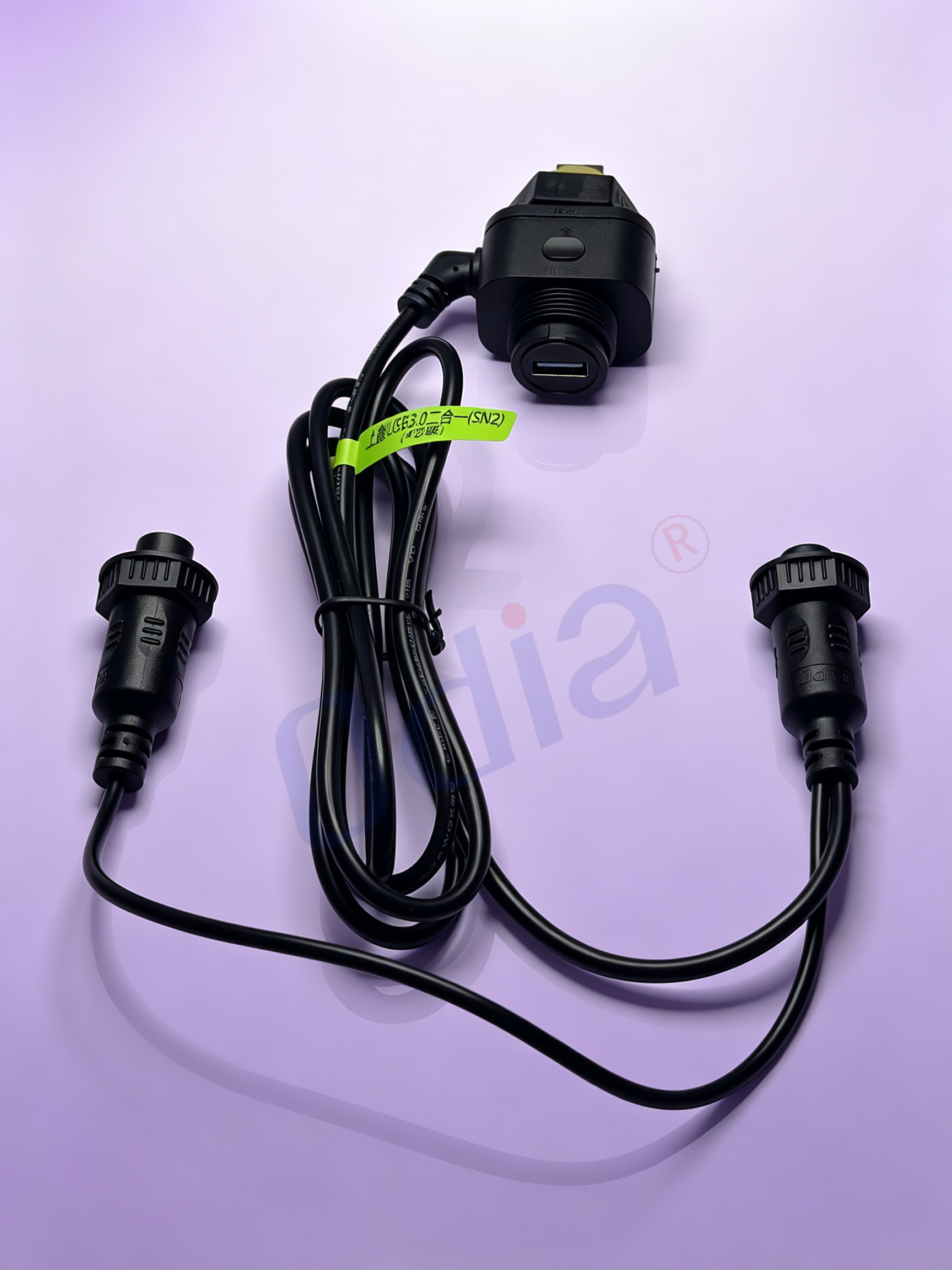
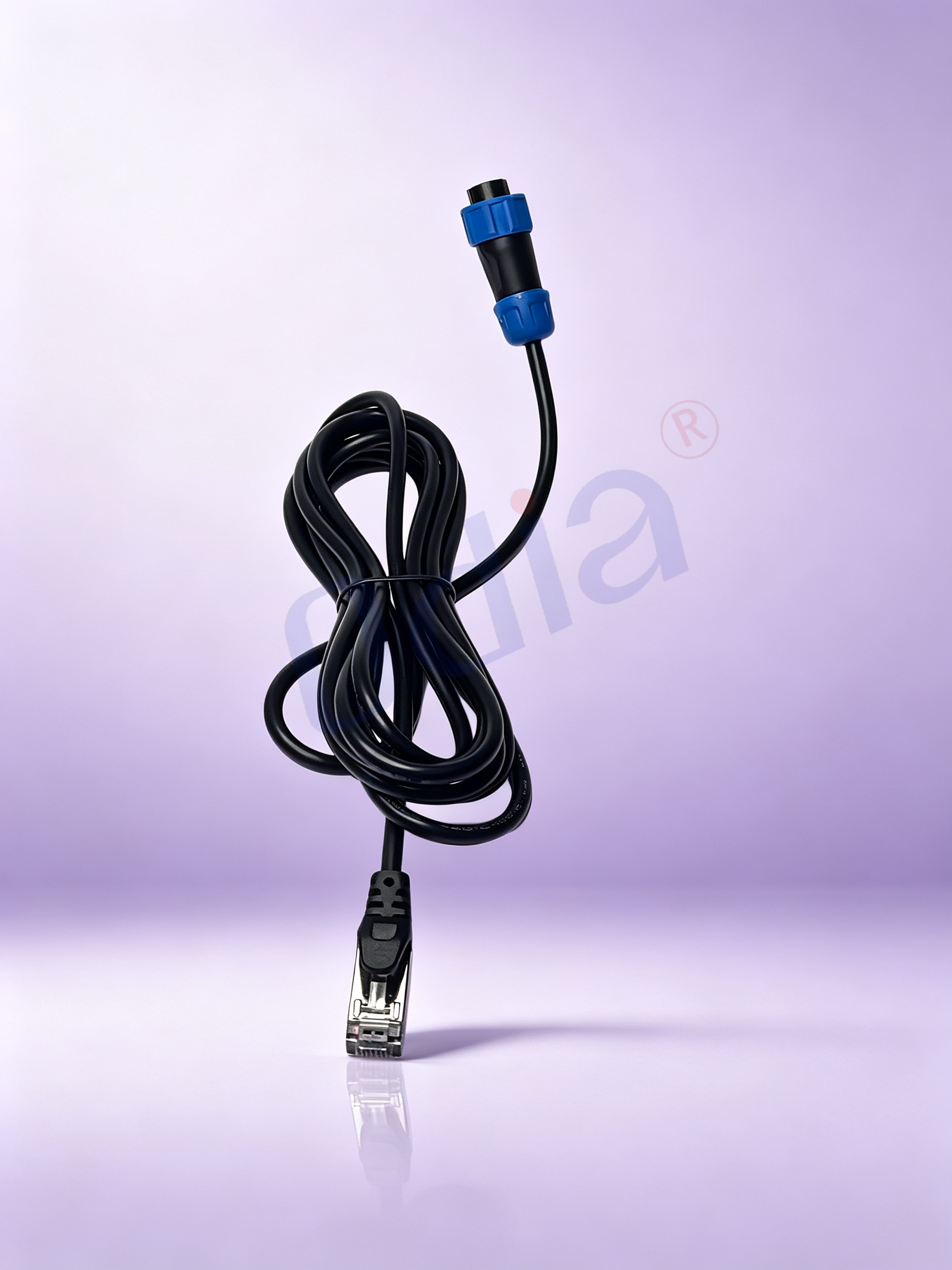
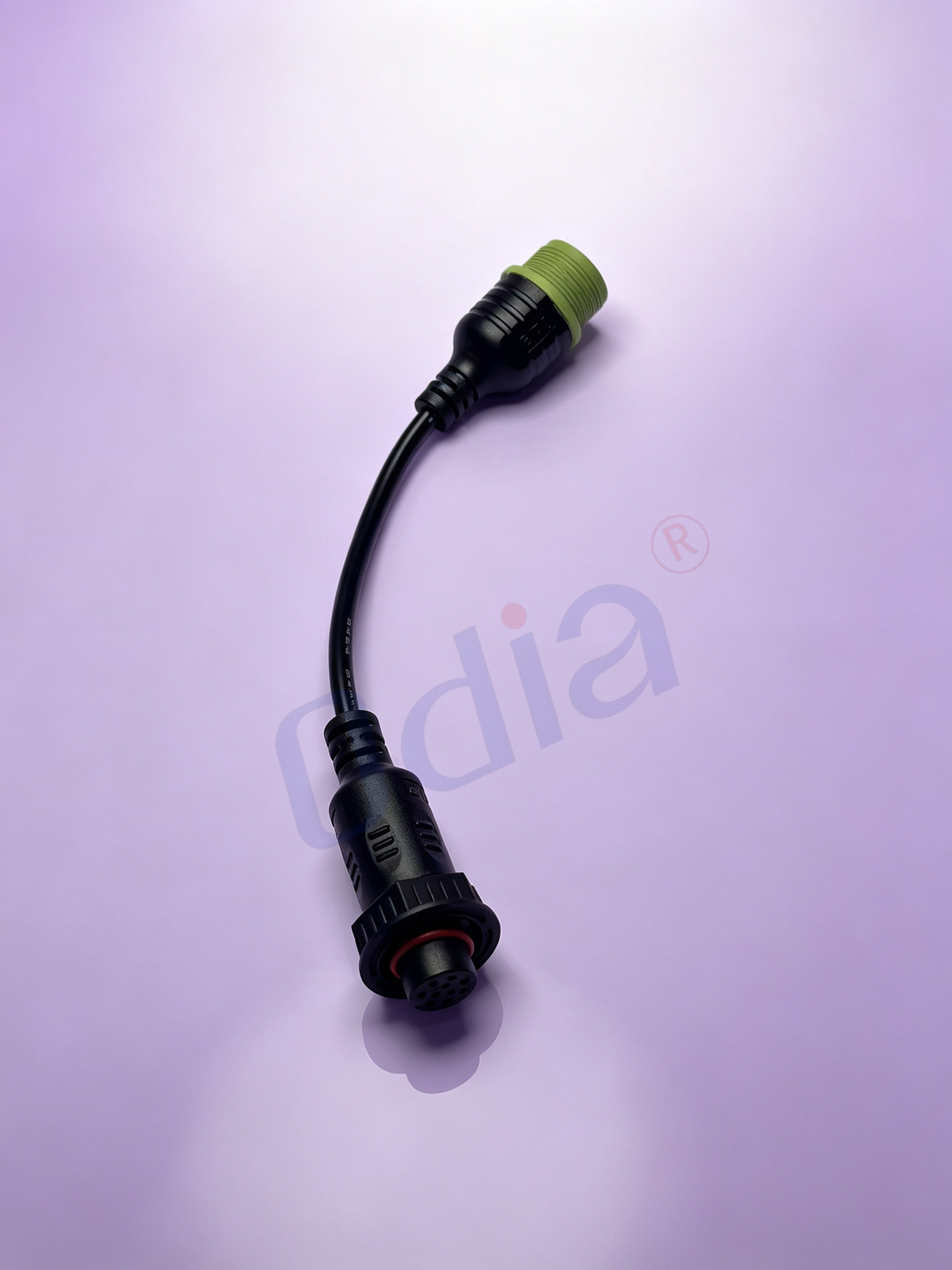
What Are Cable Assemblies?
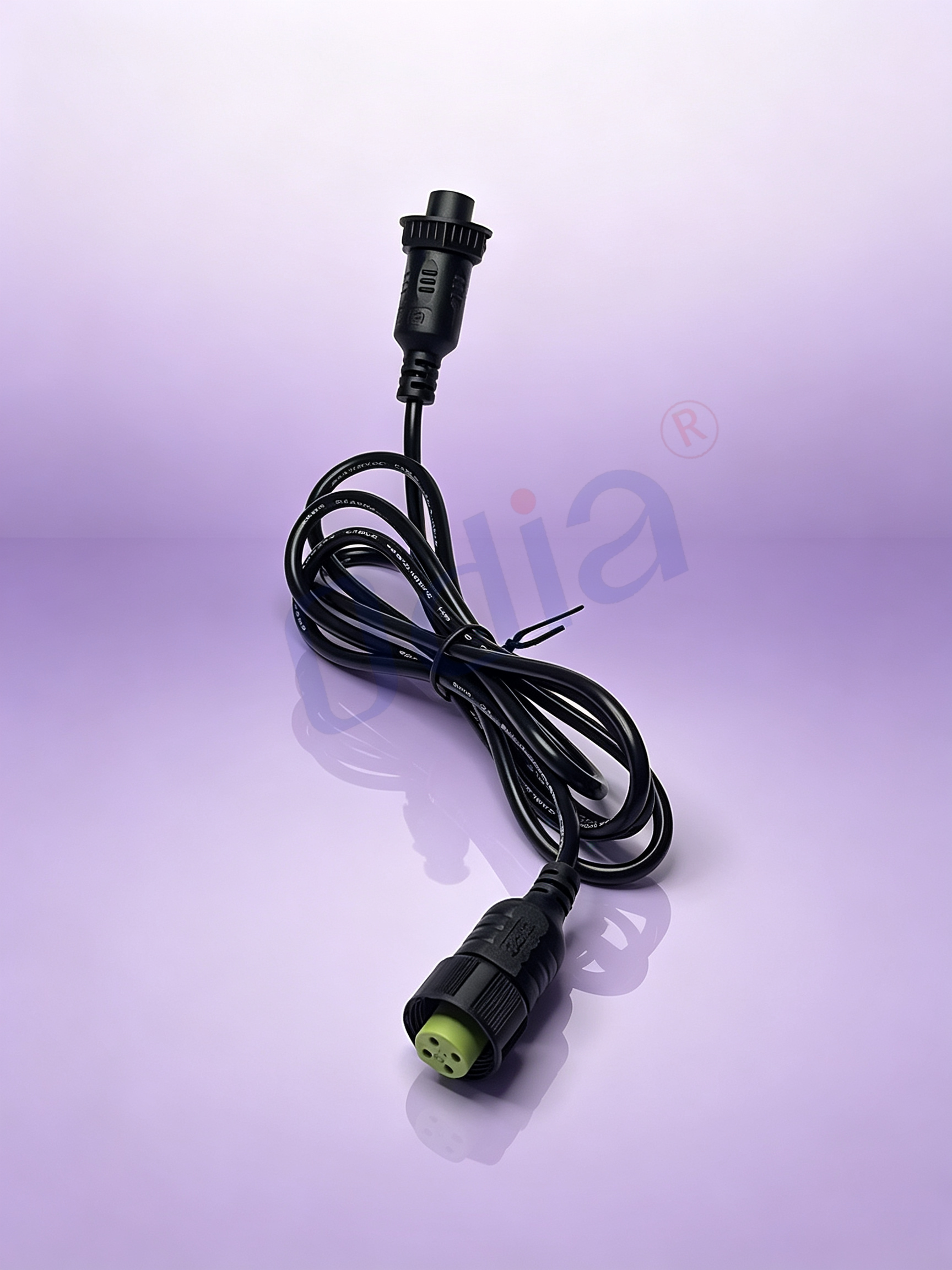
Cable assemblies are pre-engineered wiring units that combine conductors, connectors, shielding, and strain relief within a unified outer jacket—ready to install without on-site crimping or soldering. Unlike loose wire bundles that require field termination, pre-terminated cable assemblies deliver consistent signal or power transmission quality across every unit and reduce the labor cost of on-site wiring. For design engineers and procurement managers sourcing wiring solutions for photovoltaic inverters, energy storage systems, or industrial control equipment, specifying these units is a practical way to reduce installation variability and improve long-term reliability.
You already know that conductor gauge and connector interface are the baseline specs for cable assemblies—what is worth examining more carefully is how these pre-terminated units handle environmental exposure, mechanical strain, and connector mating compatibility across the expected service life of the equipment.
Key Characteristics of Industrial Cable Assemblies
The cable assemblies offered in this category are designed for demanding industrial and renewable energy applications. Key product characteristics include:
- Pre-terminated, plug-and-play design: Each unit ships with connectors factory-installed and tested, eliminating field crimping and reducing on-site installation time across residential and commercial PV and energy storage deployments.
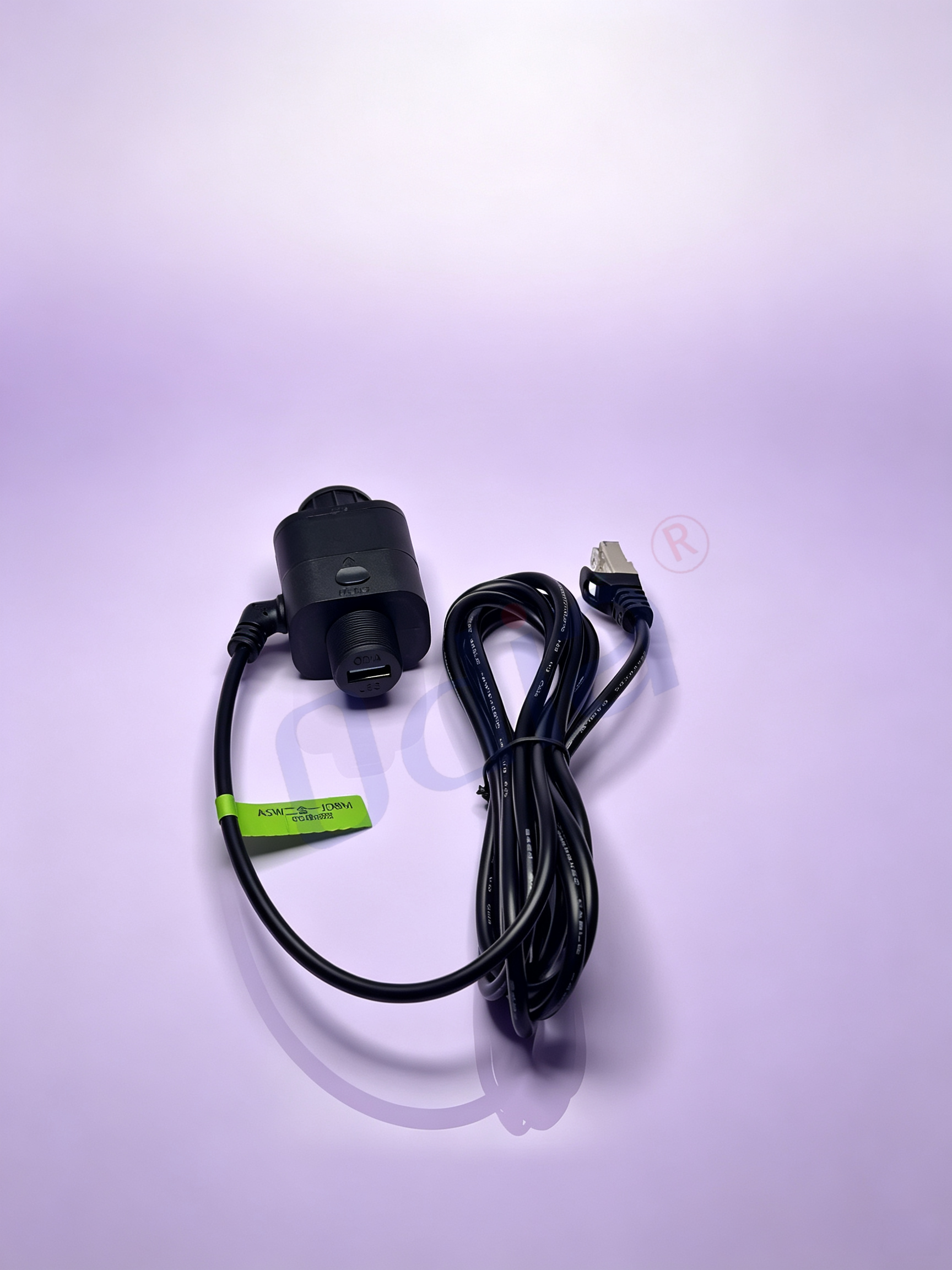
- Composite cable integration: Selected models combine DC power delivery, USB signal transmission, and intelligent monitoring within a single pre-assembled harness, simplifying the wiring architecture for inverters and battery management systems.
- Application-specific connector pairing: These cable assemblies are configured with industry-specific connector interfaces—including industrial RJ45 network ports, circular aviation plugs, and proprietary inverter communication ports—ensuring direct mating compatibility without adapter splices.
- Shielded signal channels: Communication cable assemblies incorporate electromagnetic shielding to maintain lossless bidirectional data transfer and suppress interference in high-noise PV station and industrial automation environments.
- Outdoor-rated materials: Jacket compounds and connector housing materials are selected for UV resistance, temperature cycling stability, and moisture ingress protection, supporting long service life in distributed PV and outdoor energy storage installations.
- Integrated strain relief: Field-installed variants include connector bodies with cable clamp and strain relief features that protect terminations and extend service life in repeatedly flexed or vibration-prone environments.
- OEM and custom configurations: Custom cable assemblies with non-standard connector pairings, lengths, and multi-function composite designs are available for OEM customers requiring application-specific wiring solutions.
Applications for Custom Cable Assemblies
The cable assemblies in this category are primarily engineered for photovoltaic inverter communication, energy storage system wiring, and industrial data acquisition. These pre-assembled wiring solutions are deployed across the following application contexts:
- PV inverter communication: Cable assemblies connecting inverter communication ports to monitoring gateways, data collectors, or combiner boxes—covering brand-specific interfaces for major solar inverter platforms including Sungrow, Huawei, Growatt, Shouhang, and Skyworth equipment.
- Energy storage system wiring: Composite harnesses linking battery management systems with inverters and power distribution units, integrating power supply and signal functions within a single pre-assembled unit to simplify cabinet wiring.
- Distributed PV monitoring: Cable assemblies enabling real-time data sampling and performance monitoring in distributed photovoltaic installations, including outdoor junction boxes exposed to temperature cycling, UV radiation, and seasonal humidity variation.
- Industrial control communication: Pre-terminated wiring solutions used in industrial automation and equipment monitoring where stable signal transmission, mechanical connector retention, and documented material compliance are required specifications.
- Security and specialty wiring: Pre-assembled harnesses for security CCTV systems, medical equipment wiring, and home appliance applications where consistent termination quality and signal integrity are critical.
In outdoor solar installation environments, connector seal degradation and cable jacket oxidation visible after extended UV and humidity exposure indicate that environmental protection specifications were underestimated during design. Selecting cable assemblies with appropriate outdoor-rated jacket materials and connector IP ratings before installation—rather than after a field failure—is the approach that reduces long-term maintenance costs.
How to Select the Right Cable Assemblies
If your application is a controlled indoor communication run, standard shielded cable assemblies with RJ45 terminations typically provide adequate performance. If the deployment is outdoor—rooftop PV, ground-mount solar, or outdoor energy storage cabinets—evaluate jacket material, connector sealing grade, and UV resistance before finalizing specifications, not after the first maintenance cycle reveals field degradation.
Key selection factors for cable assemblies procurement:
- Connector interface compatibility: Verify that the connector types match your inverter or equipment communication ports precisely. Application-specific cable assemblies configured for major inverter platforms minimize adapter cables and maintain signal integrity at the termination point.
- Cable function type: Determine whether your application requires pure communication cable assemblies, composite power-and-signal harnesses, or multi-interface units integrating control board functions. Composite designs reduce component count and wiring complexity but require verified compatibility with the target system architecture.
- Environmental rating: For outdoor applications, confirm that jacket material UV resistance, temperature range, and connector IP rating match the deployment site conditions and expected service life. Thermal cycling in outdoor PV environments can expose reliability issues in wiring assemblies without adequate connector sealing—typically a failure mode visible only after extended field use.
- Strain relief and mechanical retention: For installations subject to vibration or repeated flexing, verify that the cable assemblies include integrated strain relief to protect solder joints and extend cable life.
- Compliance documentation: For EU, North American, and other regulated markets, confirm that cable assemblies are supported by relevant certifications—such as TUV, UL, or IEC-aligned test documentation—and material compliance declarations (RoHS, REACH) before supplier qualification.
- Custom specification availability: If standard catalog products do not match your connector interface, cable length, or composite function requirements, confirm that the supplier supports OEM customization of cable assemblies and can provide samples for design validation.
Why Pre-Assembled Cable Assemblies Matter for Industrial Procurement
When evaluating suppliers in this category, unit price is only part of the total procurement equation. Pre-terminated cable assemblies that arrive factory-tested and installation-ready reduce field labor, minimize termination variability, and lower rework costs compared to field-assembled alternatives. For energy storage and PV applications, where a wiring failure interrupts monitoring or control functions and requires technician dispatch to remote sites, the reliability of these units directly affects operational cost across the equipment service life.
The continuing expansion of solar installations, energy storage deployments, and EV charging infrastructure drives sustained demand for rugged cable assemblies that go beyond traditional indoor communication cable performance levels. Procurement teams consistently find that outdoor durability, application-specific connector compatibility, and composite cable design end up being the deciding selection factors—not conductor gauge or nominal length alone.
Suppliers that support OEM customization—including non-standard connector configurations, custom lengths, and multi-function composite designs—provide a practical procurement advantage for engineers developing differentiated inverter or storage equipment. Consistent batch quality, documented material traceability, and responsive technical support reduce the qualification burden for procurement managers managing approved vendor lists across multiple market regions.
For procurement requirements involving custom cable assemblies specifications, application-specific inverter connector interfaces, or composite power-and-signal wiring designs for PV or energy storage equipment, review the individual product specifications and contact the supplier to discuss configurations, compliance documentation, and sampling arrangements.