
 EN




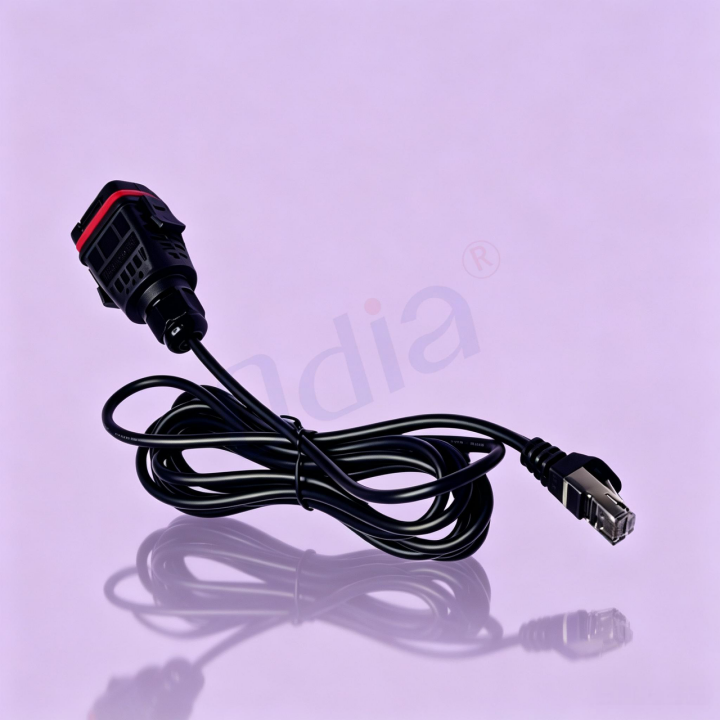
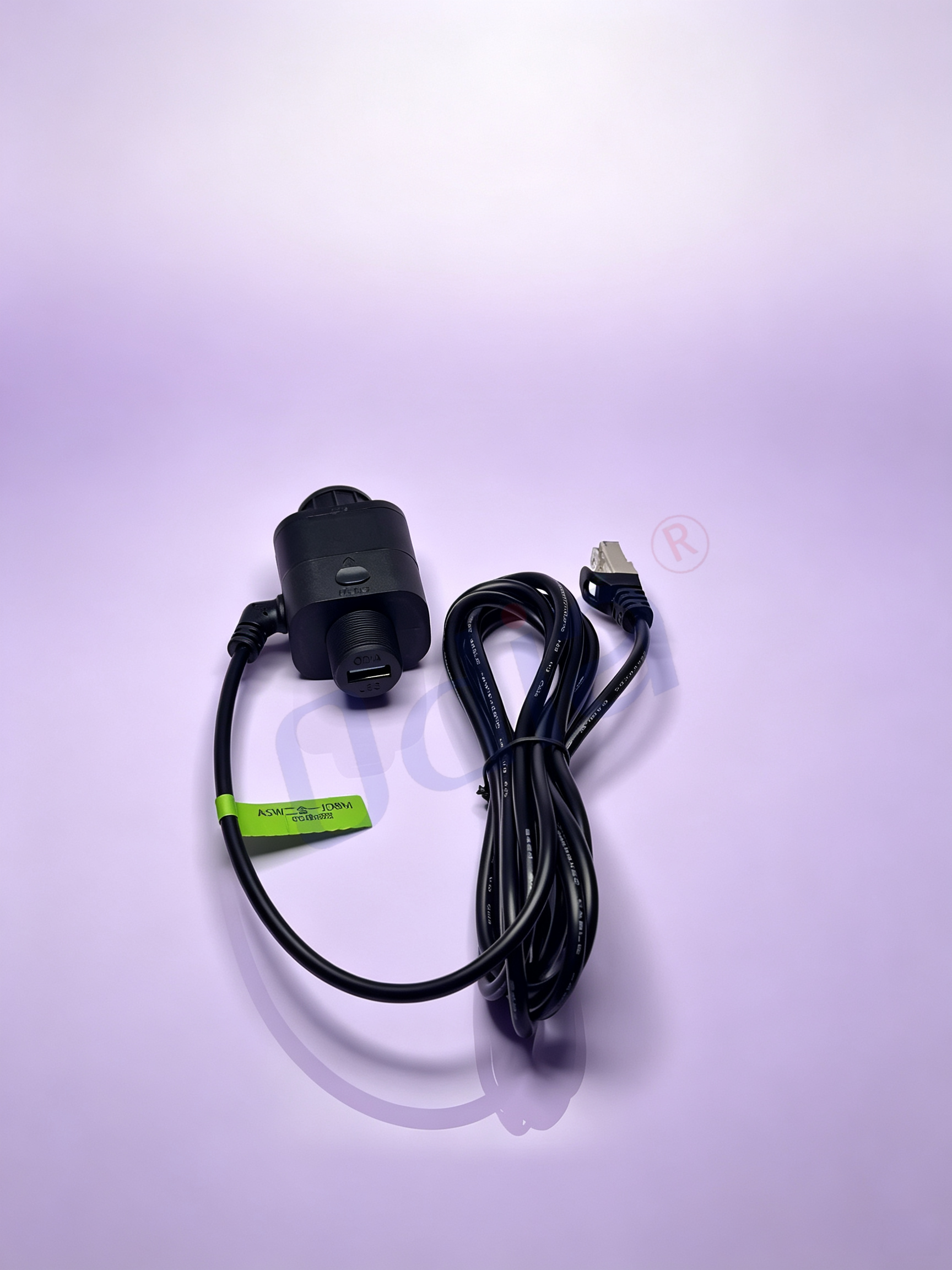
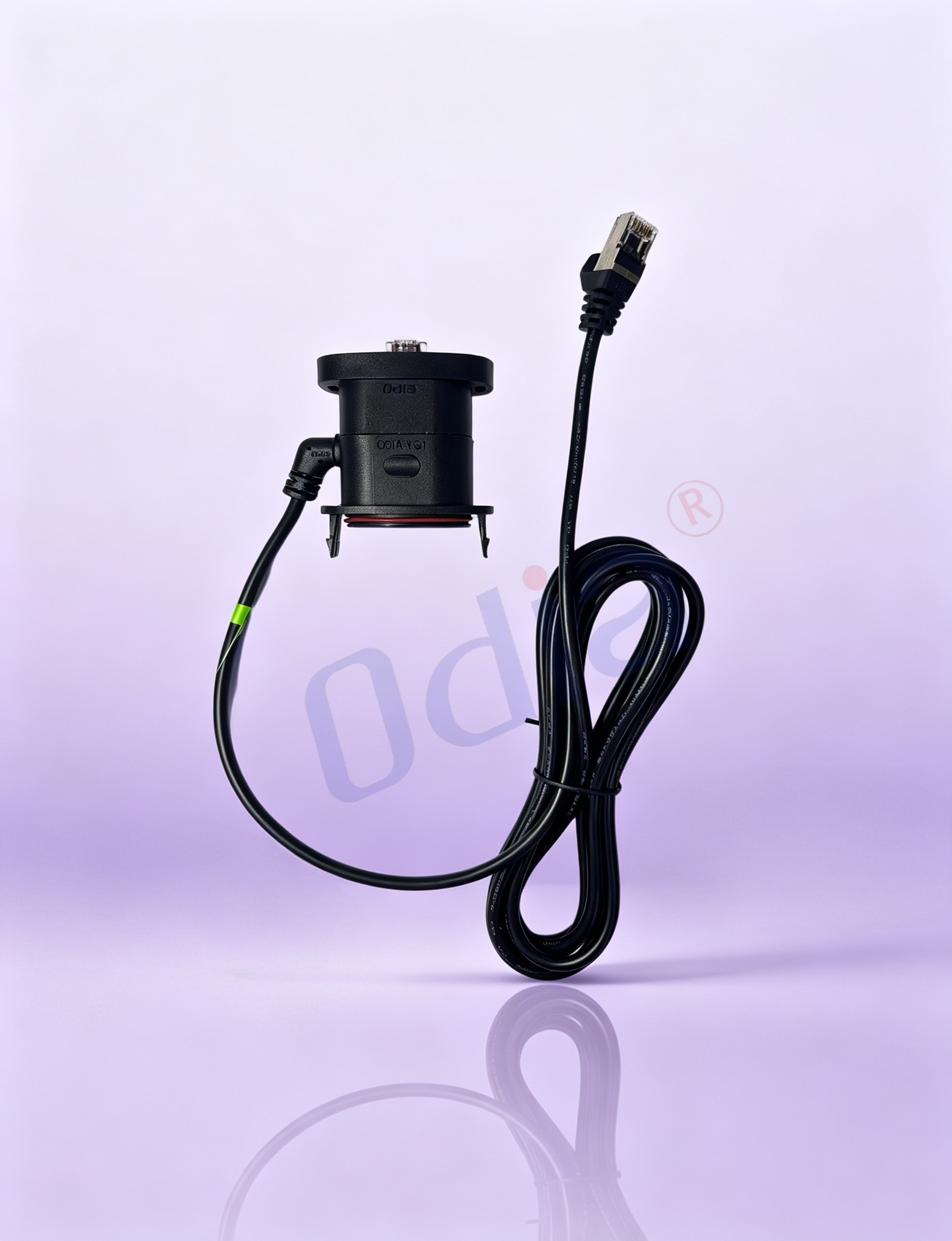
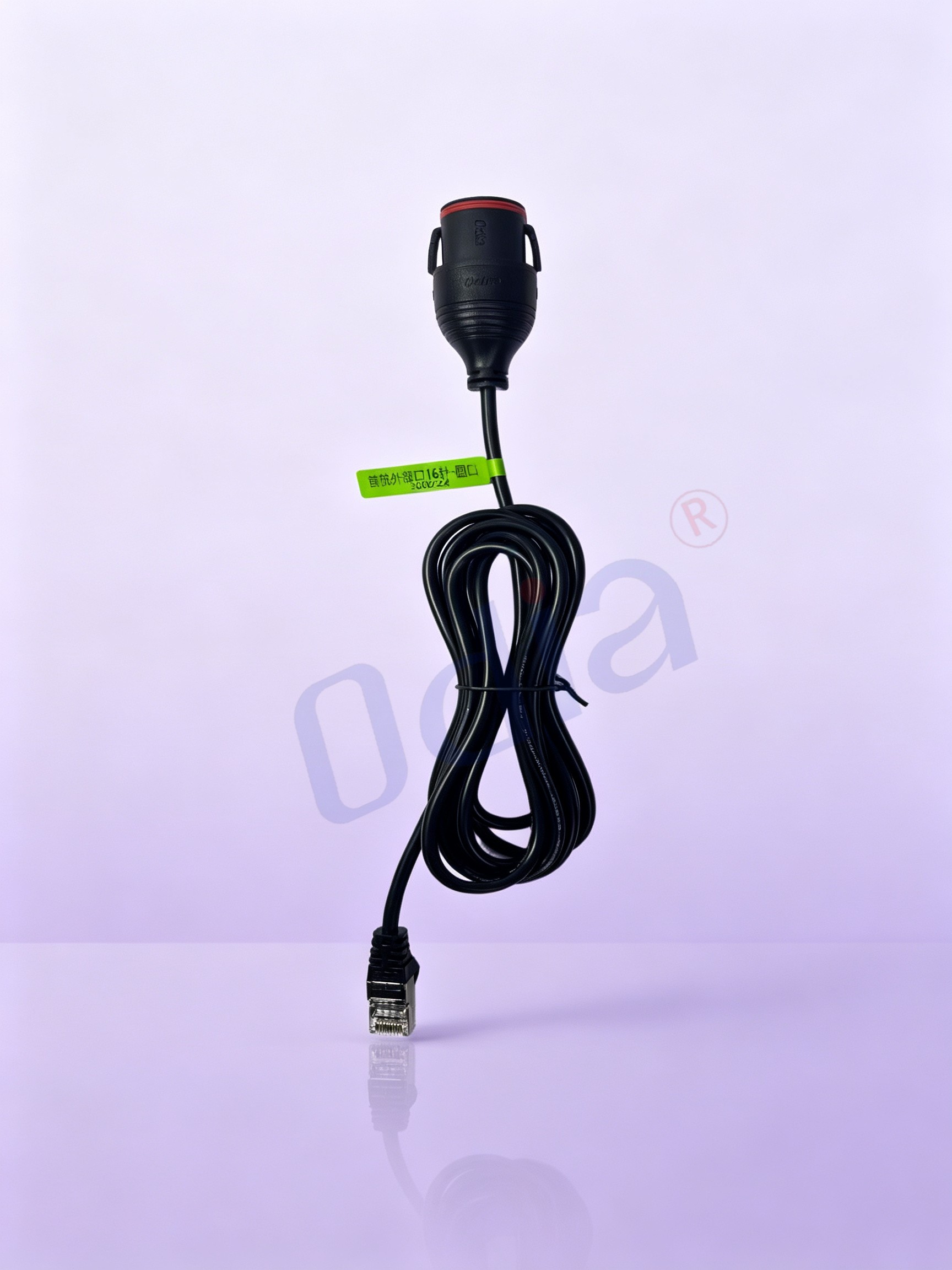
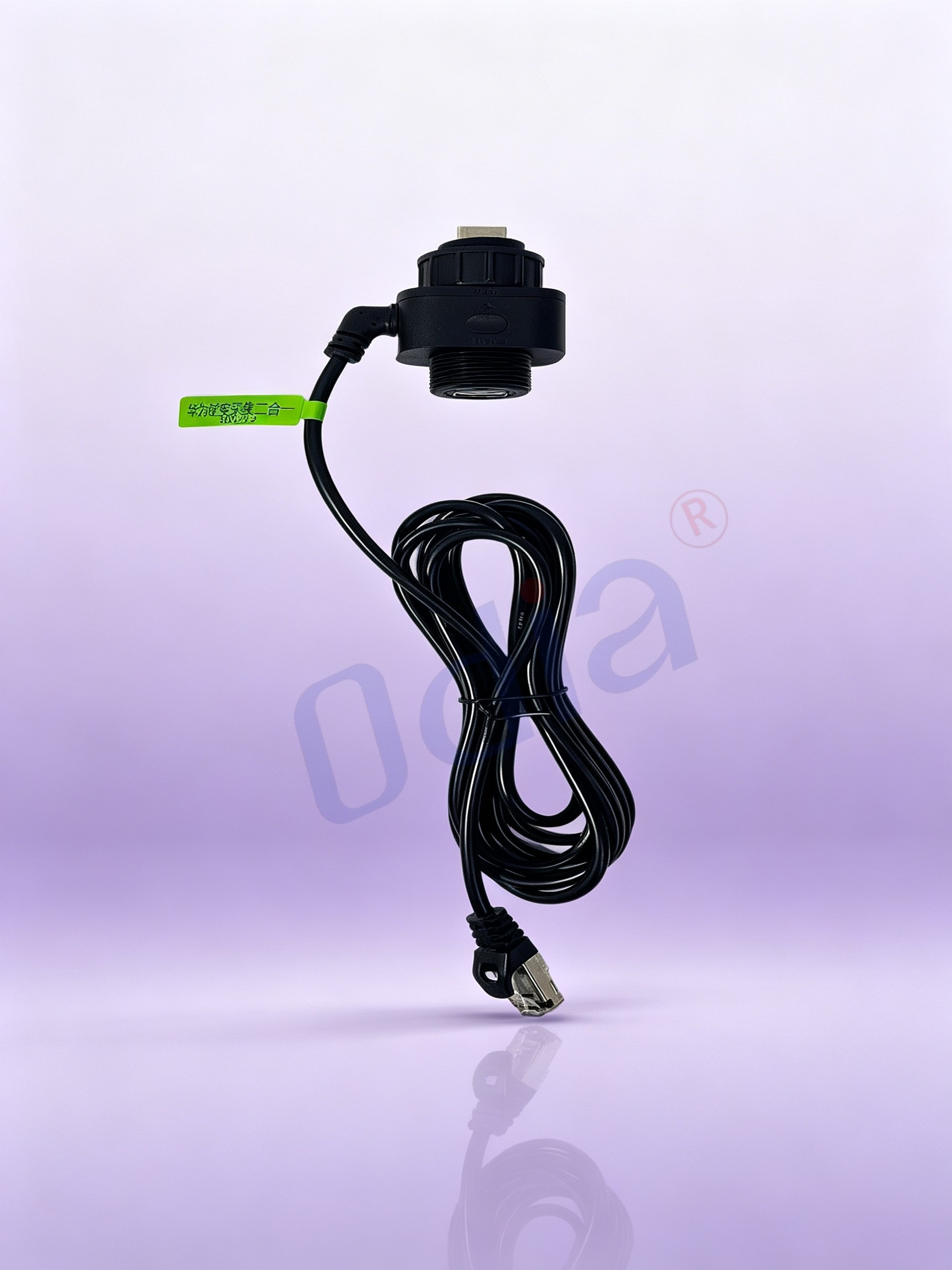
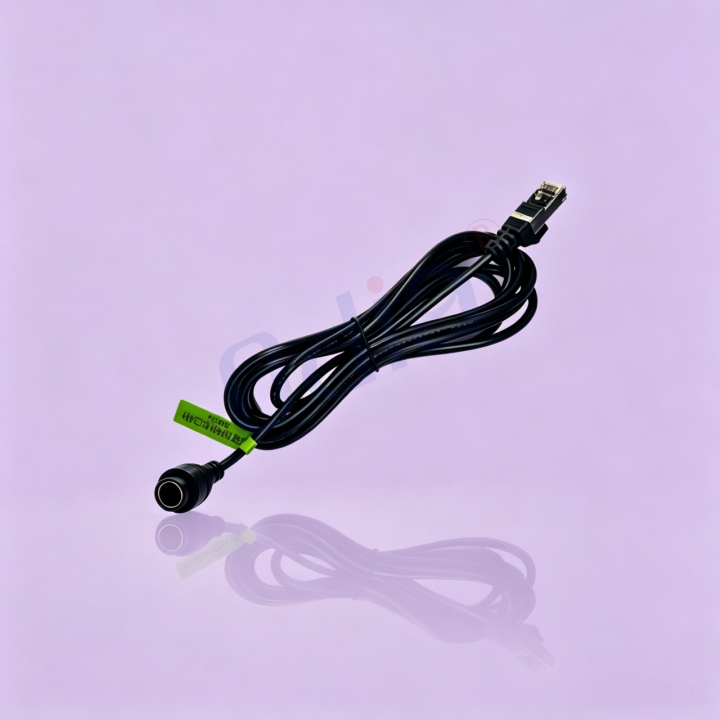
PV-Energy Storage Cable Overview
PV-Energy Storage Cable assemblies are purpose-built wiring solutions designed to connect photovoltaic inverters, battery energy storage systems (BESS), and distributed monitoring networks. Unlike standard signal cables, a PV-Energy Storage Cable integrates power delivery, data communication, and intelligent monitoring into a single pre-terminated harness—connecting inverter units, battery management systems (BMS), and monitoring controllers without intermediate adapters or field splicing.
This product range covers assemblies compatible with major inverter brands including Huawei, Growatt, Sungrow, Shouhang, and Skyworth. Each assembly is engineered for a specific connector interface—a 2-in-1 USB port, a 4-pin male straight plug, a 16-pin circular aviation connector, or a JD8P industrial RJ45 port—ensuring that wiring matches the inverter's native socket without modification at the installation site.
Key Features of PV-Energy Storage Cable Assemblies
Engineers evaluating this category typically start with connector compatibility, but material and construction specifications matter equally for long-term reliability in outdoor energy infrastructure environments.
- Inverter-Specific Connector Interfaces: Each PV-Energy Storage Cable assembly is matched to a named inverter platform. Huawei hybrid inverters use assemblies integrating male and female Huawei USB connectors alongside a JD8P network port. Growatt WIT, SPH, AXE, and MIN series use a 4-pin male straight plug. Sungrow units use the RJ45 2-in-1 design with an integrated circuit board. This interface specificity eliminates adapter chains, which are a common source of signal degradation in distributed PV monitoring setups.
- Composite Multi-Function Design: Advanced assemblies combine DC power delivery, USB signal transmission, and BMS communication in a single cord body. For engineers managing wiring density in rooftop or ground-mount PV stations, this consolidation reduces installation time and lowers the risk of connector mismatch at commissioning.
- High-Purity Tinned Copper Conductors: Conductors use high-purity tinned copper to resist oxidation in outdoor and high-humidity environments. This is particularly relevant for BESS installations where cable connections may experience temperature swings between -40°C and +70°C across seasonal cycles.
- Low-Smoke Zero-Halogen Insulation: Flame-retardant LSZH insulation is used across this product line. For enclosed battery enclosures and indoor inverter rooms, LSZH materials limit toxic gas emission in a thermal event—an increasingly common specification requirement in commercial energy storage projects.
- Cold-Pressed Tubular Terminal Terminations: Pre-terminated assemblies use cold-pressed tubular terminals for reliable mechanical and electrical contact without on-site crimping tools. This supports plug-and-play installation and maintains consistent contact resistance across all units in a project batch.
- Standards Compliance Reference: Products reference TUV, UL, and IEC compliance for PV and energy storage wiring. If a specific standard number is required for a project specification, confirm the current active version before citing—standard scope and revision status change between editions.
- Pre-Assembled and Tested: All PV-Energy Storage Cable assemblies ship pre-terminated and tested, reducing field wiring errors and enabling faster commissioning. For distributed PV projects with multiple inverter units, this pre-assembly approach reduces per-unit setup time and lowers the probability of field connection errors.
PV-Energy Storage Cable Applications
PV-Energy Storage Cable assemblies serve three primary application environments within the energy infrastructure sector:
- Residential and Small Commercial PV Systems: Single inverter installations where the assembly connects the inverter to a smart monitoring gateway or online data logger. The 2-in-1 designs for Huawei and Sungrow deliver simultaneous power and data connection through a single cable run, simplifying on-site wiring in space-constrained enclosures.
- Ground-Mount and Utility-Scale PV Stations: Multi-inverter distributed systems where consistent wiring across many units is a commissioning priority. Adapter-free assemblies reduce per-unit installation time and the risk of interface errors at scale. Stable data communication depends on cables maintaining signal integrity despite ambient temperature variation and occasional structural vibration.
- Battery Energy Storage Systems and Hybrid Storage: BESS installations require both DC power wiring and BMS communication harnesses within a compact cabinet envelope. A composite PV-Energy Storage Cable combining power and signal reduces wiring complexity inside battery enclosures and supports the 25-year operational life targets typically specified in commercial energy storage projects.
The renewable energy infrastructure sector is growing rapidly, with solar inverter and BESS deployments driving sustained demand for purpose-built PV-Energy Storage Cable products that go beyond general-purpose assemblies. The distinguishing feature of this category is application-specific connector matching: a Growatt 4-pin straight plug cable cannot be substituted with a generic RJ45 assembly, and buyers who source the wrong interface type face rewiring costs at the project site.
How to Select the Right PV-Energy Storage Cable
Which PV-Energy Storage Cable should you specify for a given installation? That depends primarily on the inverter brand and model—not on cable length or wire gauge alone. Here is what to evaluate:
- Match Connector Interface to Inverter Model: Confirm the exact inverter model before ordering. Huawei hybrid inverters and Huawei data collectors may use different connector types; Growatt WIT and SPH series use the same 4-pin plug but may differ in wiring assignment. Review the inverter installation manual to confirm pin configuration before specifying a cable assembly.
- Verify Communication Protocol Compatibility: Some assemblies support RS485, others USB, and composite designs handle multiple protocols simultaneously. For intelligent monitoring systems requiring real-time BMS data, the cable must match the monitoring gateway's expected protocol and connector type.
- Assess the Installation Environment: For outdoor runs exposed to UV, humidity, and temperature cycling, prioritize assemblies with LSZH insulation and tinned copper conductors. In outdoor PV installations, visible degradation at connection entry points after extended exposure often indicates that the insulation specification was not matched to the actual environmental load—what appears to be a connector problem is frequently a material specification gap.
- Confirm Cable Length Requirements: Pre-terminated assemblies are supplied in standard lengths. For non-standard runs, confirm whether custom lengths are available before design freeze. Extending a pre-terminated cable in the field adds connection points requiring ongoing inspection and can reduce signal reliability.
- Verify Compliance Documentation: For projects in EU or other regulated markets, confirm that materials meet applicable RoHS requirements. What this means in practice: material declaration documentation must be in order before shipment—sourcing this after the fact delays project commissioning.
For energy storage applications specifically, thermal cycling is a reliability concern that sometimes surfaces only after extended field deployment. Everything may check out during initial testing, but after repeated thermal cycling in BESS cabinet environments, intermittent contact resistance can develop at termination points—tracing back to insufficient mechanical retention under expansion and contraction stress. Specifying cold-pressed tubular terminal assemblies with verified contact retention addresses this failure mode before it appears in the field.
Why PV-Energy Storage Cable Matters for Industrial Buyers
PV-Energy Storage Cable assemblies occupy a specific niche in the energy wiring supply chain. They are not standard cable assemblies, and they are not OEM-exclusive proprietary parts. They are purpose-matched harnesses that reduce installation complexity and commissioning errors for buyers managing multiple inverter brands across a project portfolio.
For procurement managers, the key supplier evaluation criteria for PV-Energy Storage Cable sourcing include connector interface accuracy, material compliance documentation, available custom configurations, and the ability to scale from sample quantities to project volumes without specification changes. Vertical market knowledge in energy infrastructure—alongside industrial automation and data communications—enables accurate matching of cable specifications to inverter models and supports OEM customers requiring non-standard configurations.
For design engineers, the ability to specify custom connector combinations, cable lengths, and termination types without committing to large minimum order quantities is the design-in support factor that matters most at the prototype stage. Standard catalog assemblies cover the most common inverter interfaces; custom assemblies address the specialized requirements that standard catalogs cannot handle.
The energy infrastructure connector market is expanding alongside global solar PV and BESS project deployment, with demand concentrated in markets where grid-scale storage and distributed residential solar are both accelerating—including Europe, North America, and Asia-Pacific. For buyers sourcing PV-Energy Storage Cable in these markets, supply chain reliability and documentation quality from the manufacturer are baseline qualifiers before price comparison begins.