
 EN




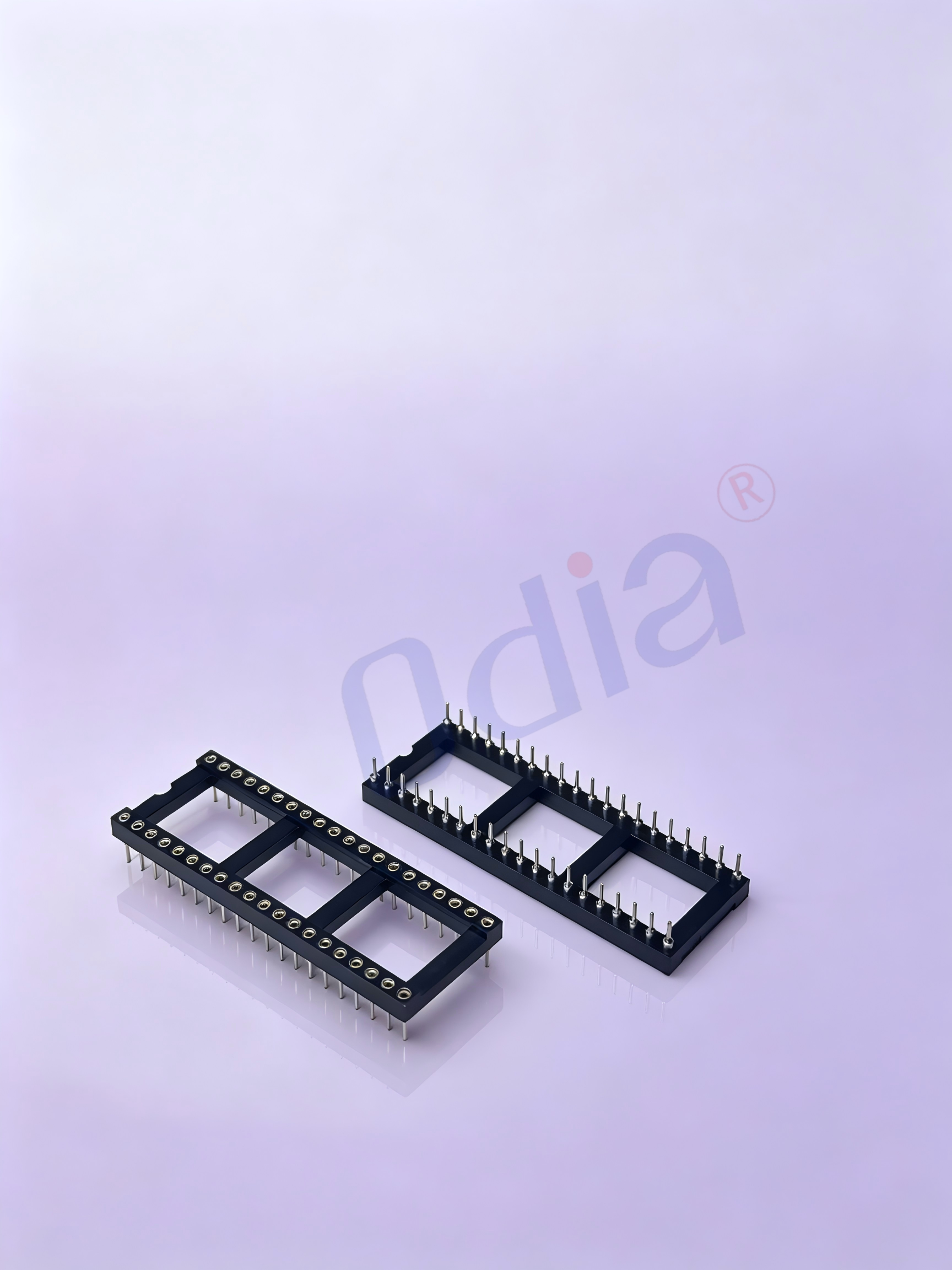
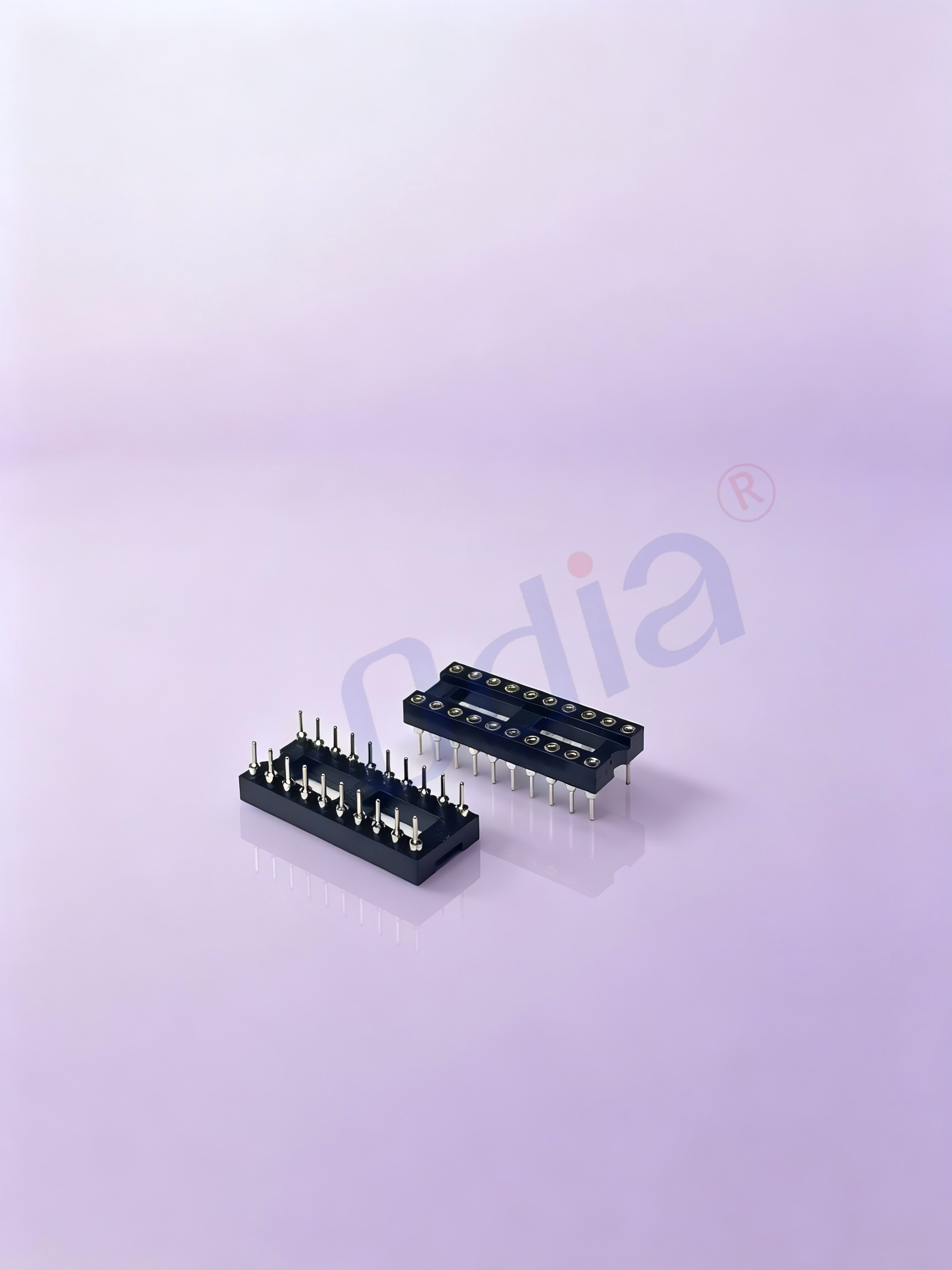
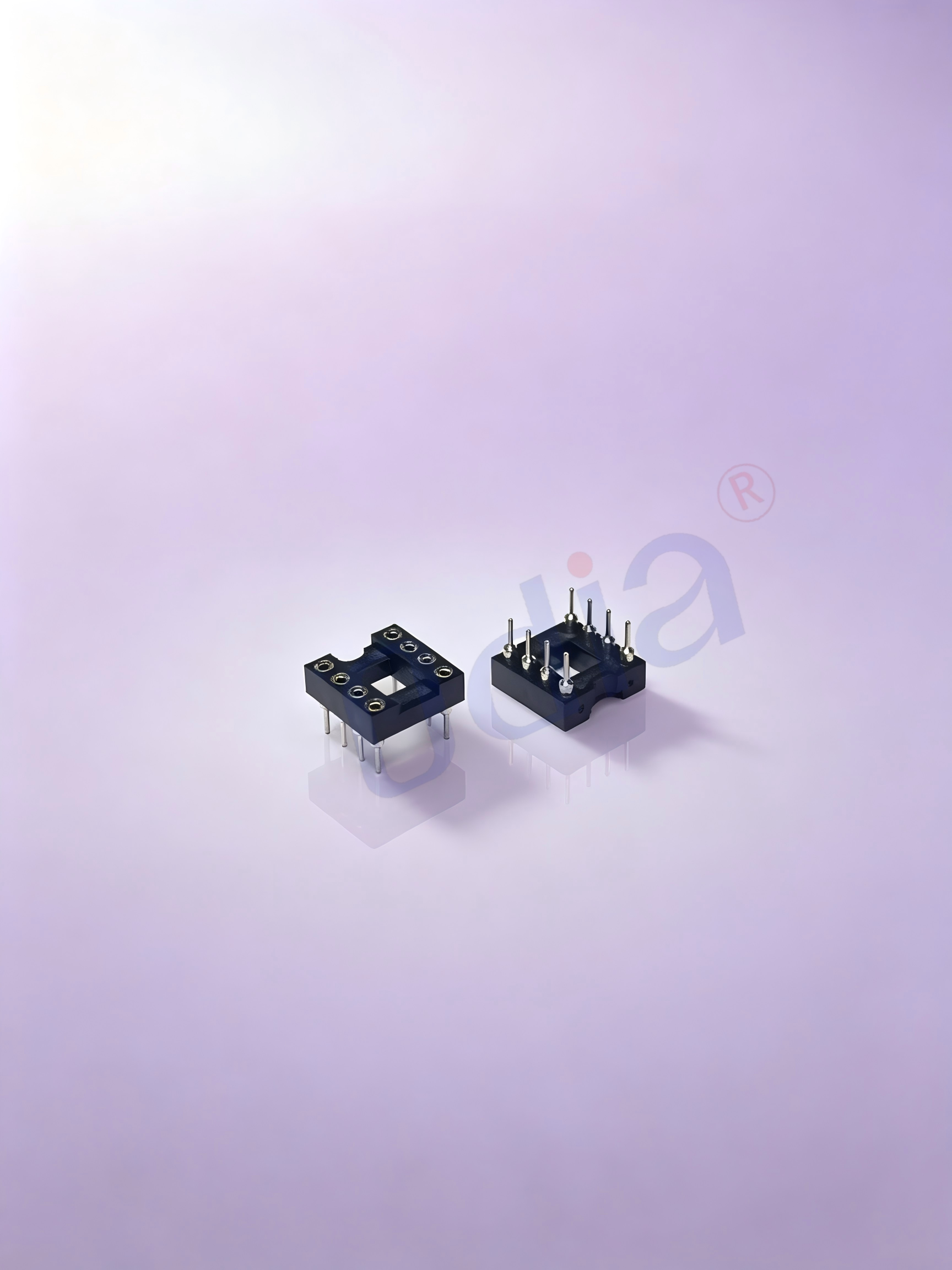
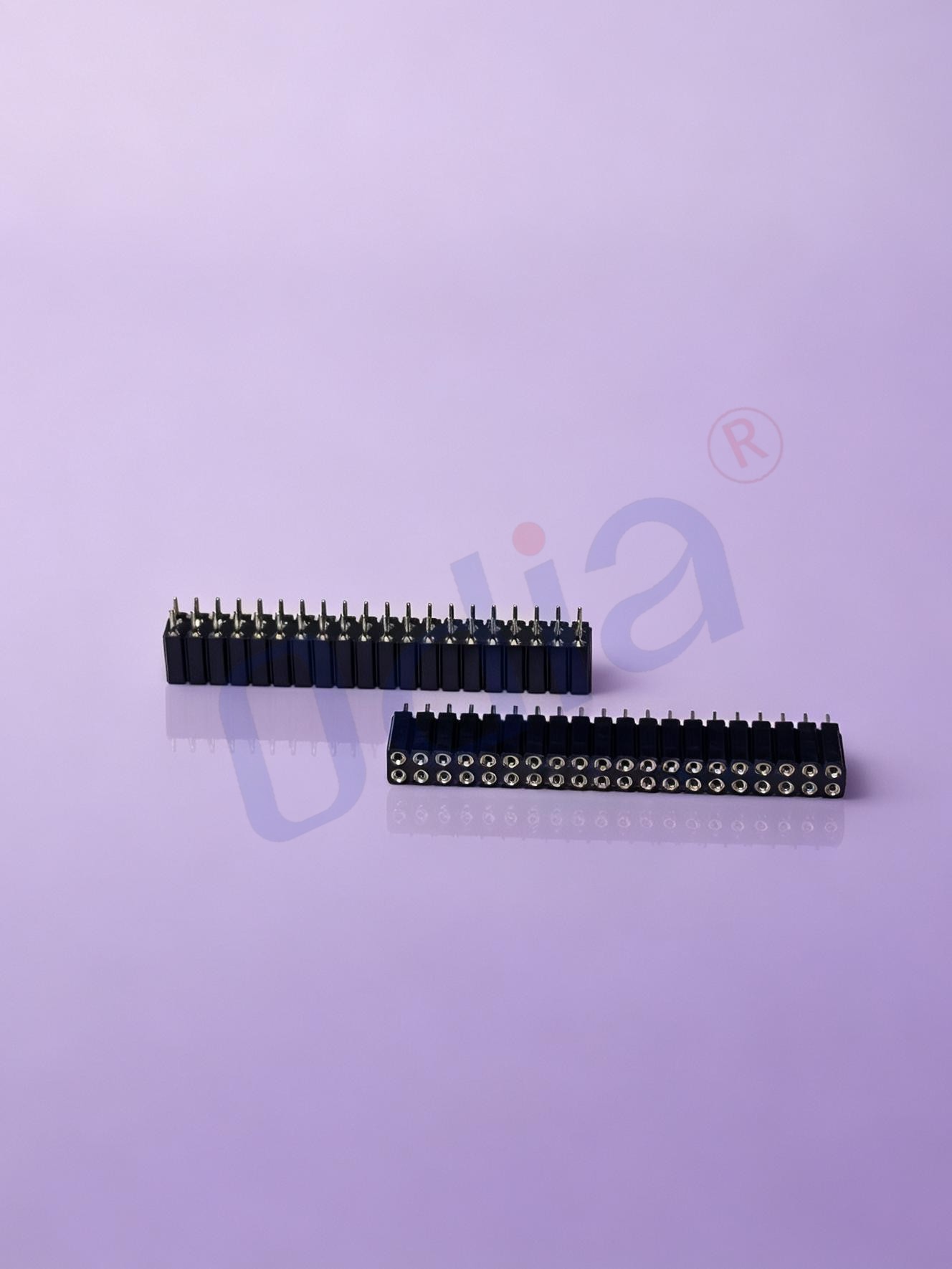
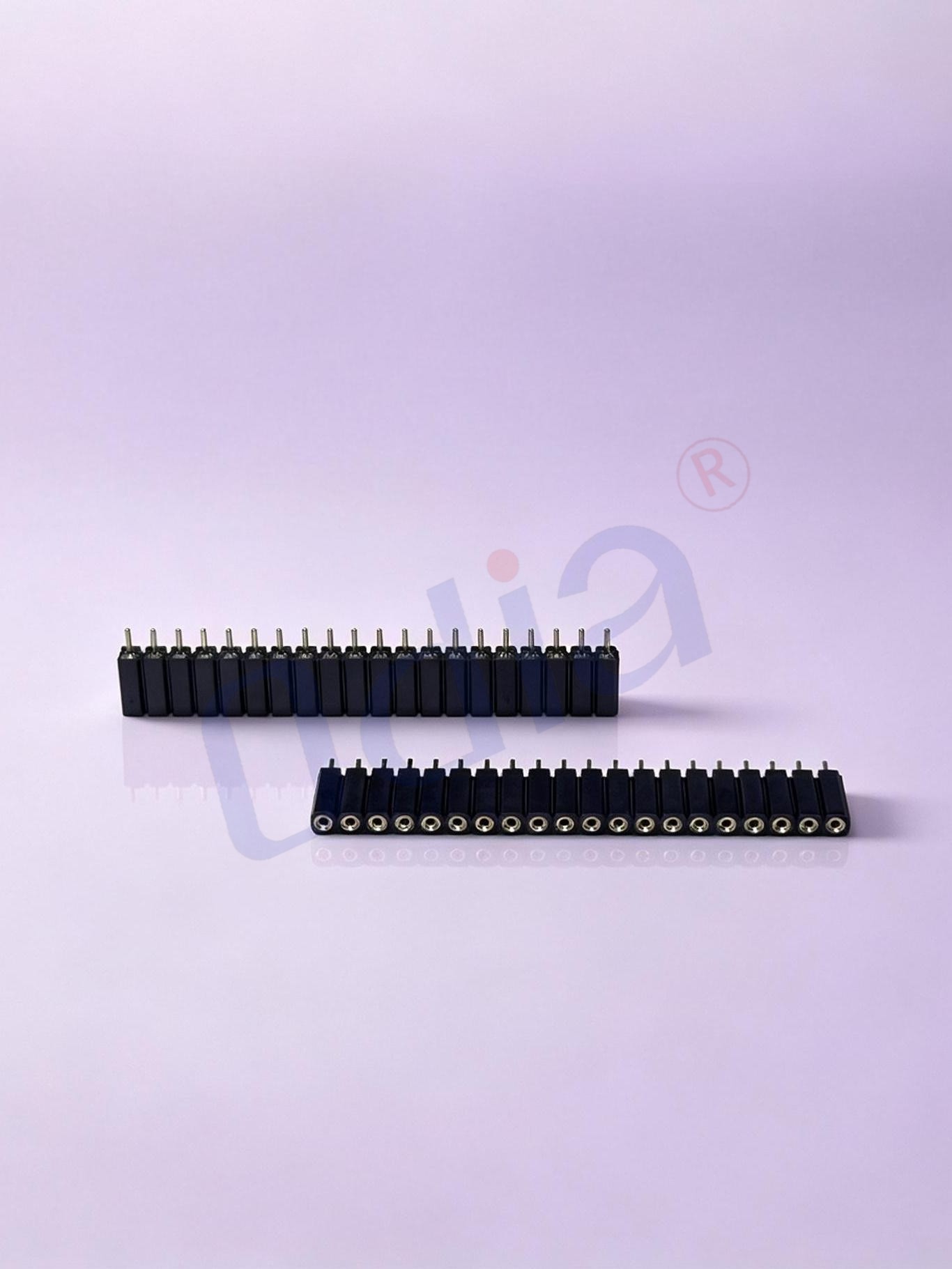
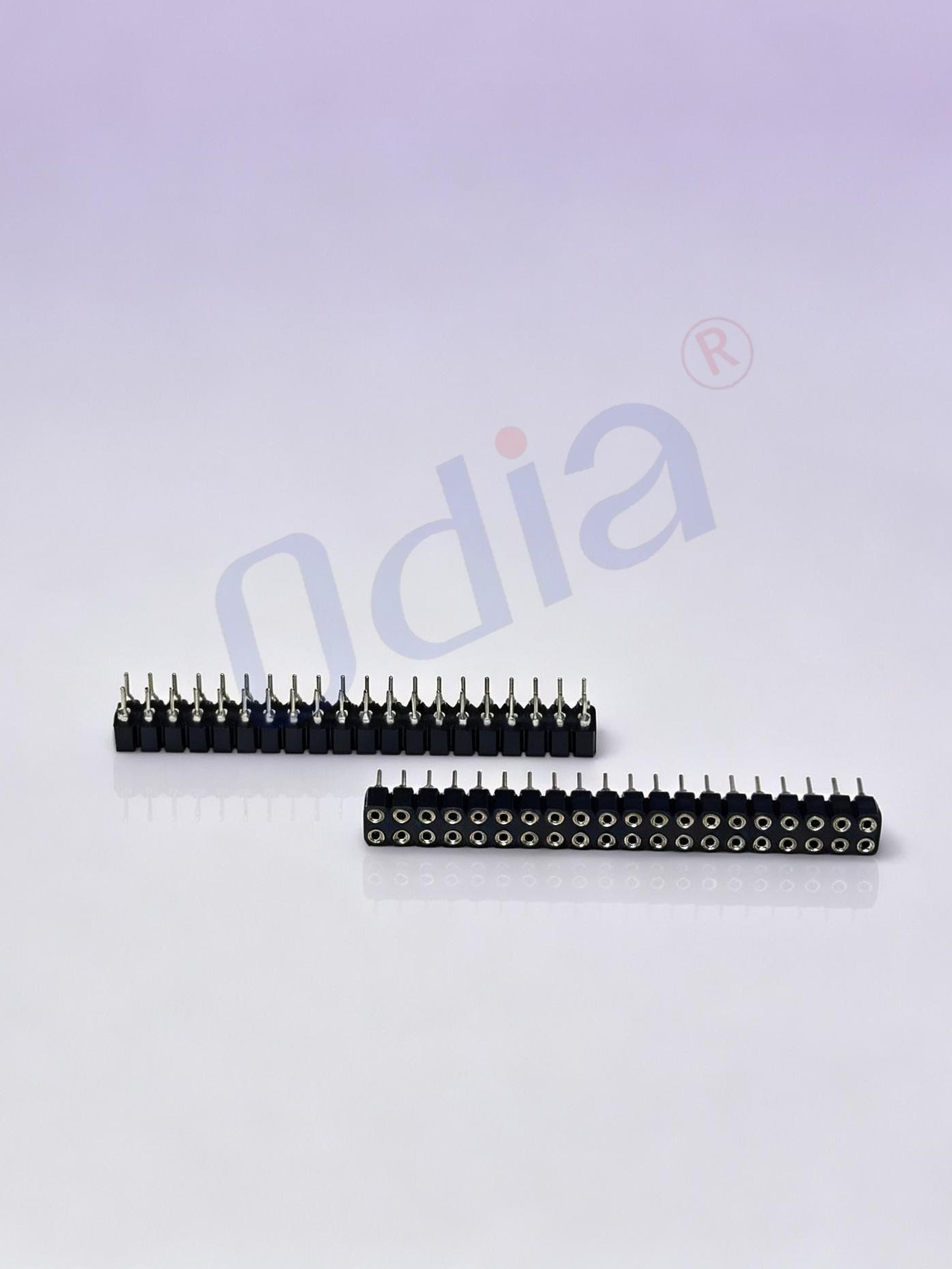
IC Round-Hole DIP IC Socket: Category Overview
An IC Round-Hole DIP IC Socket provides a reusable, solderless interface between dual in-line package (DIP) integrated circuits and printed circuit boards. Unlike stamped bifurcated contact designs, this precision socket uses machined cylindrical contacts that grip each IC lead along its full circumference, delivering lower and more stable contact resistance over repeated insertion cycles. This contact geometry makes it the preferred choice for burn-in testing, firmware programming, and any application where ICs need to be inserted and removed multiple times without degrading connection quality.
In most prototyping and test environments, the socket interface—not the IC itself—is where wear accumulates and variability enters the system. Selecting the right IC Round-Hole DIP IC Socket early in the design process prevents intermittent connectivity issues that consume disproportionate debug time later in the production cycle.
Key Product Characteristics
- Precision Machined Round-Hole Contacts: The IC Round-Hole DIP IC Socket contact design envelopes each IC pin rather than gripping it with spring fingers. This geometry produces lower contact resistance than stamped bifurcated alternatives and maintains consistent normal force across a high number of insertion cycles—the practical minimum specification for burn-in and programming workflows where socket reliability directly affects test accuracy.
- Claw-Spring Retention Mechanism: Inside each contact hole, the claw-spring structure provides positive pin retention while allowing smooth removal. This balance between insertion force and retention reliability is important in production environments where operators handle ICs at volume and manual errors must be minimized.
- Standard 2.54mm Pitch, Multiple Pin Counts: Standard configurations follow 2.54mm (100 mil) pitch with row spacings of 7.62mm or 15.24mm depending on IC body width. Available in sizes from 8-pin through 40-pin, covering the most widely used DIP IC formats. Verifying pitch and row spacing against the IC datasheet before PCB layout is the most critical step—footprint mismatches discovered afterward are costly to correct.
- Contact Plating Options: Available with tin-plated or gold-plated contacts. Gold plating offers better oxidation resistance for high-reliability or humid-environment applications; tin plating suits cost-sensitive, low-cycle applications in controlled conditions.
- RoHS Compliant Materials: Standard configurations use RoHS-compliant housing materials and lead-free contact plating, meeting regulatory requirements for European and international market qualification.
- Custom Configurations Available: Non-standard pin counts or specialized contact specifications can be accommodated through custom orders with confirmed MOQ and lead time.
Common Applications
This socket type serves several distinct use cases, each requiring different specification priorities.
IC Burn-in and Reliability Testing: Burn-in testing subjects ICs to elevated temperature and voltage stress to screen out early-life failures. In this context, the socket is cycled repeatedly and contact spring fatigue becomes a real failure mode. After extended use in a development lab or production test environment, reduced contact spring tension is a practical sign that normal force degradation has begun to affect electrical continuity. Specifying a higher-cycle-rated IC Round-Hole DIP IC Socket for burn-in applications is the sound engineering choice.
Firmware Programming and Configuration: For high-volume programming workflows requiring frequent component replacement, zero-insertion-force (ZIF) variants allow IC swaps without applying insertion force, protecting leads from bending damage during repeated operation. This variant is worth evaluating when throughput and IC lead protection both matter.
Prototype Development and PCB Debugging: In design and debugging phases, a DIP socket lets engineers swap IC variants without desoldering, preserving PCB quality across multiple design iterations. The additional contact resistance introduced is negligible for most digital prototype applications but should be evaluated in high-frequency analog or precision measurement circuits.
Legacy Equipment Maintenance: In field service applications, a through-hole socket supports replacement of failed ICs in legacy industrial hardware without full board replacement, enabling maintenance staff to replace components without specialized soldering tools.
How to Choose the Right Option
Application environment and insertion cycle count should drive IC Round-Hole DIP IC Socket specification before unit price is considered.
- Confirm Pin Count and Row Spacing First: Row spacing varies between 7.62mm for narrow DIP and 15.24mm for wide DIP packages. Always verify against the IC datasheet rather than the silkscreen designation alone.
- Select Contact Type Based on Cycle Count: For single-use or low-cycle applications, stamped bifurcated contact sockets are cost-effective. For repeated insertion in testing, programming, or maintenance workflows, specify a machined-contact version. What this means in practice is that contact type selection determines fixture service life more than any other single specification in a high-cycle test environment.
- Evaluate Contact Plating for the Environment: In humid operating environments, tin-plated contact resistance can increase over time, leading to intermittent failures difficult to distinguish from IC failures during troubleshooting. Gold-plated contacts mitigate this risk and are the preferred specification for demanding environments.
- Verify ESD Handling Requirements: Electrostatic discharge protection in packaging and handling is a non-negotiable requirement for sourcing into sensitive electronics manufacturing environments. Confirm supplier ESD packaging practices meet incoming inspection process requirements.
- Request Samples Before Volume Commitment: Sample evaluation is standard practice in the connector industry. Verifying physical fit, mating force, and contact resistance before volume commitment is expected by engineering teams at the design-in stage. Suppliers offering responsive sample programs reduce design-in friction significantly.
Why This Category Matters for Industrial Buyers
For procurement managers evaluating IC Round-Hole DIP IC Socket supplier options, several factors define value beyond unit price. Coverage from 8-pin through 40-pin reduces BOM sourcing complexity for buyers managing diverse design requirements. RoHS compliance declarations and material data sheets are threshold requirements for European, Japanese, and Korean market qualification. The total cost of a sourcing decision extends beyond unit price to include qualification engineering time and the operational risk of unexpected substitutions after design-in. For buyers in Australia and other markets with limited local distributor coverage, direct sourcing from a manufacturer with established international export capability and responsive English-language communication reduces procurement complexity and delivery uncertainty.