 ×
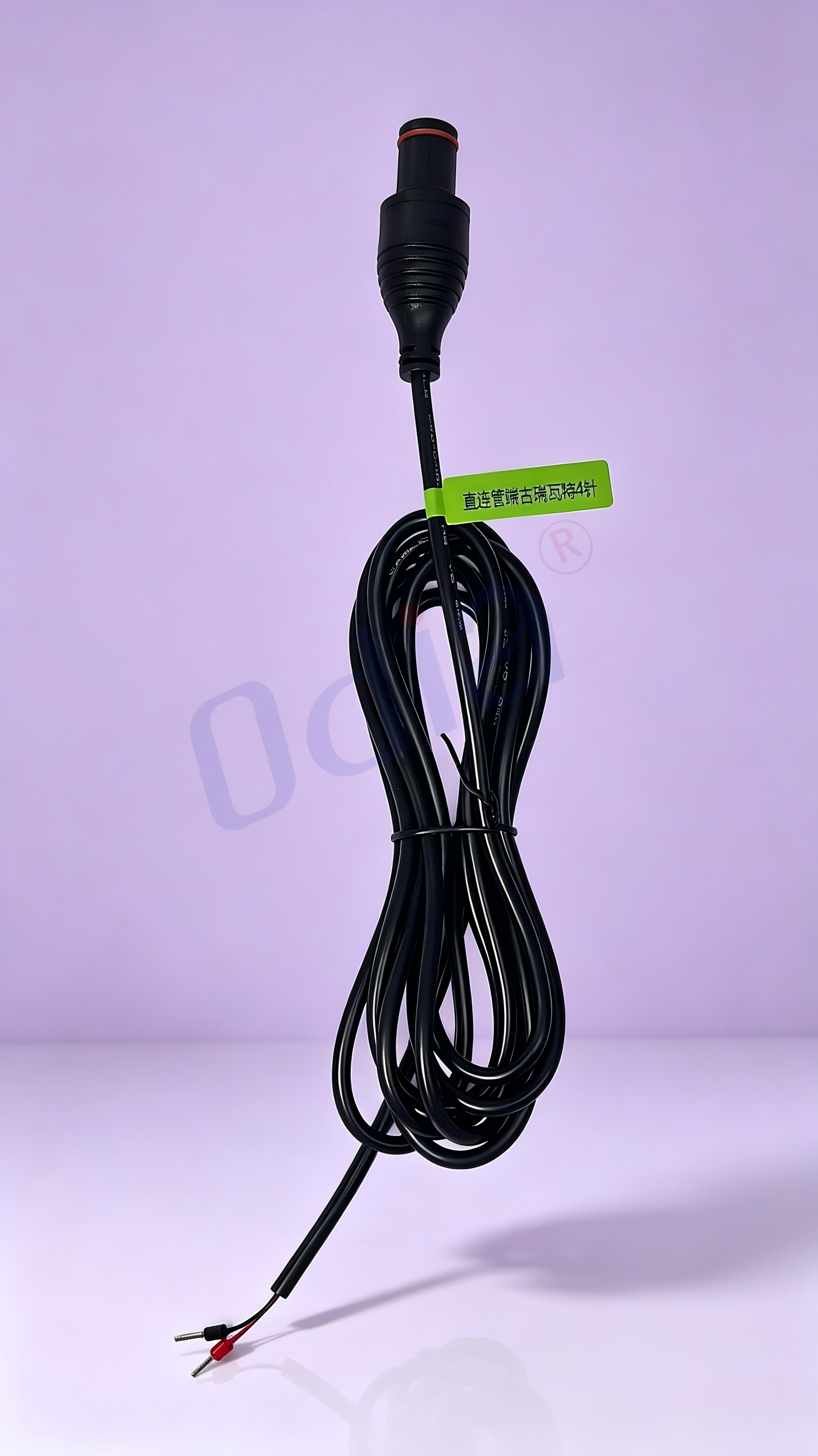
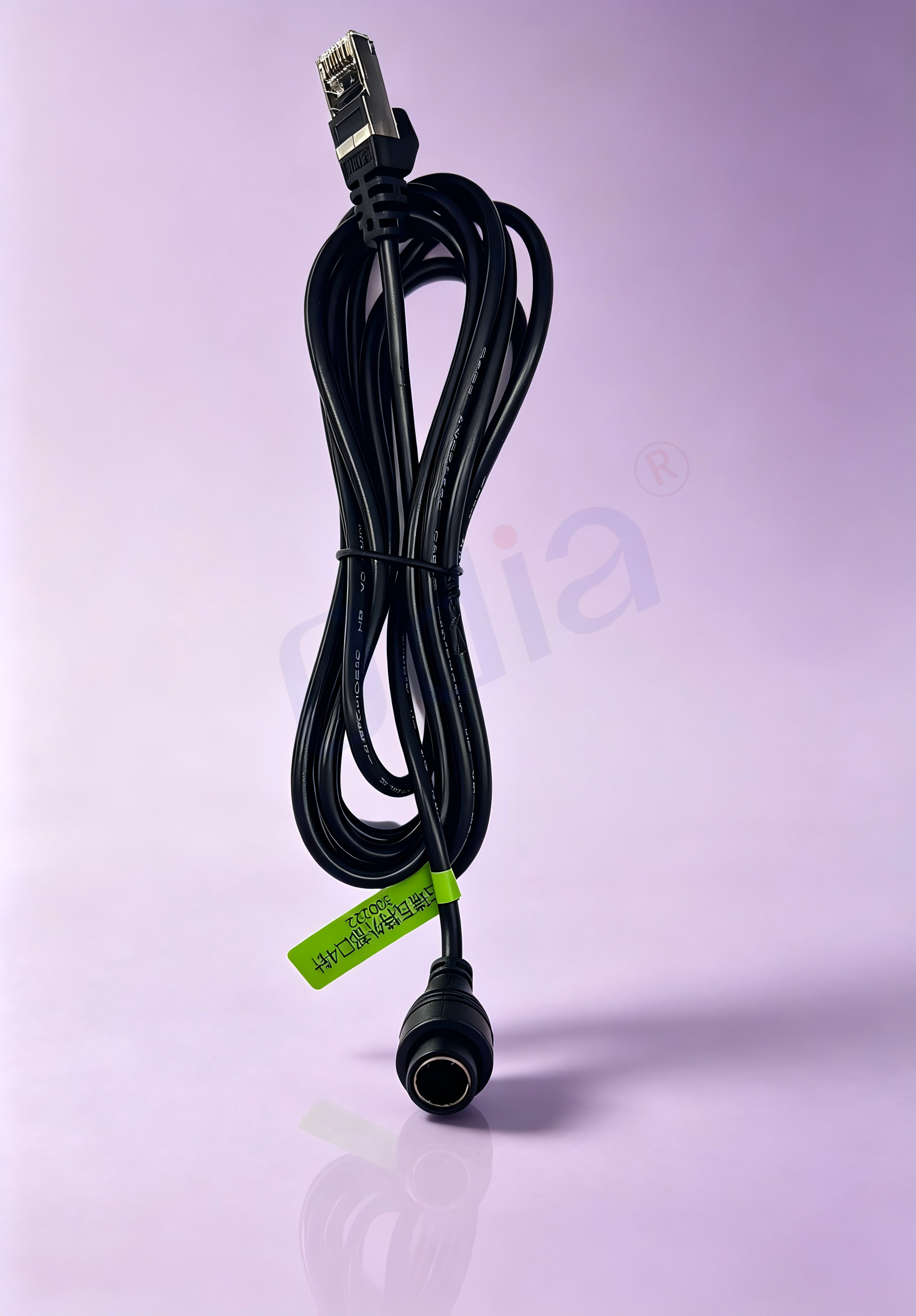
A shielded cable connector is only as effective as its shield termination. The cable's braid or foil must be bonded around the full circumference of the connector shell; a single drain wire terminated to one contact creates a long, inductive path that lets high-frequency noise pass. Designers should therefore specify 360-degree termination, verify transfer impedance, and confirm that mated shells maintain low contact resistance over many mating cycles. Impedance control matters just as much: in high-speed data and RF links, a shielded cable connector that does not match the cable's characteristic impedance introduces reflections that degrade eye diagrams. Mechanical protection, sealing and strain relief keep the shield intact when cables are routed in cabinets, on moving machinery or outdoors. Finally, grounding strategy decides performance: shields are normally bonded at one or both ends depending on whether ground loops or induced currents are the greater risk. Odia engineers help customers resolve these trade-offs during design review so the shielded cable connector behaves predictably in EMC testing and in the field.
18
Aug
21
Sep
11
Sep
25
Sep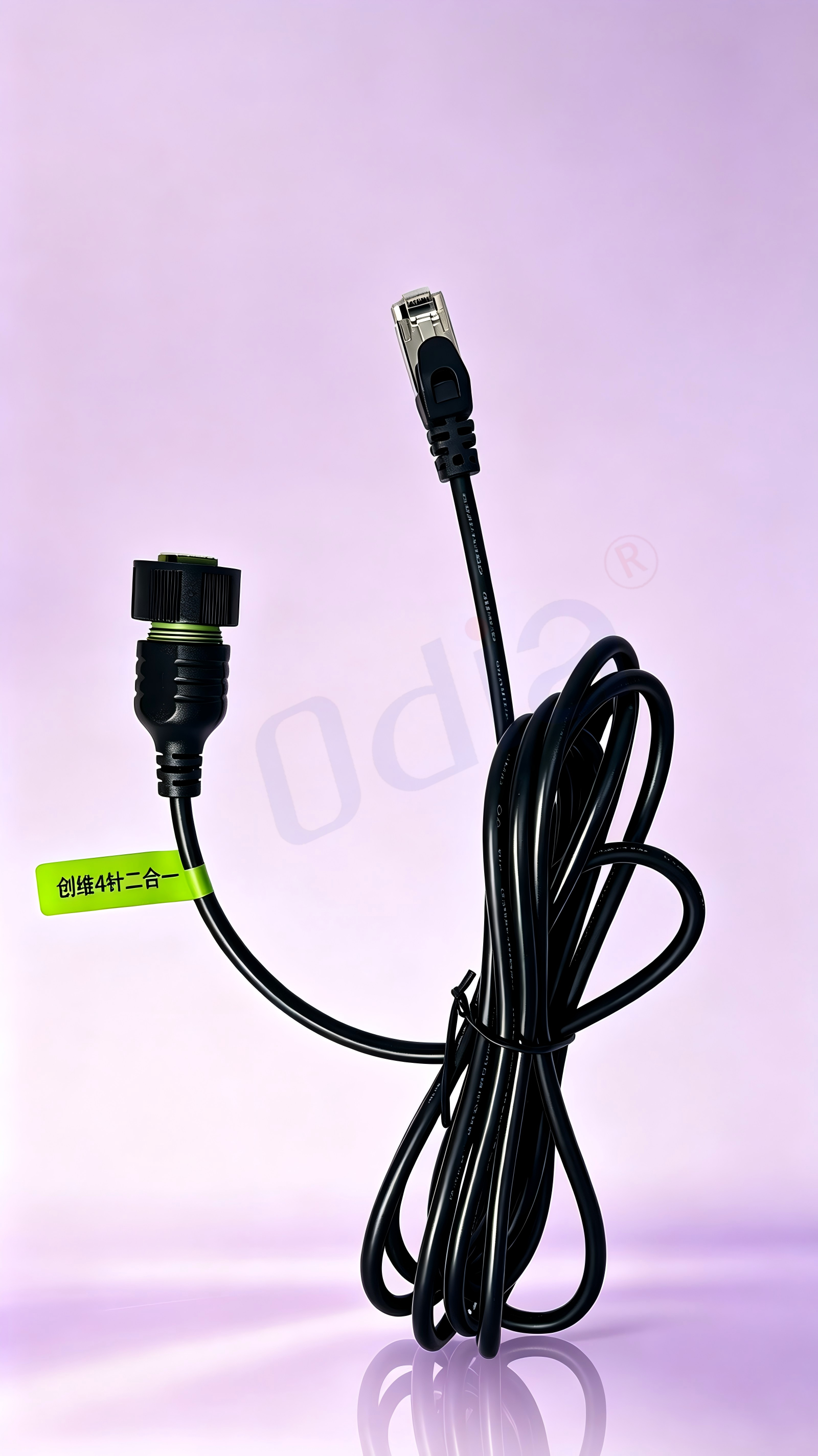


 EN