 ×
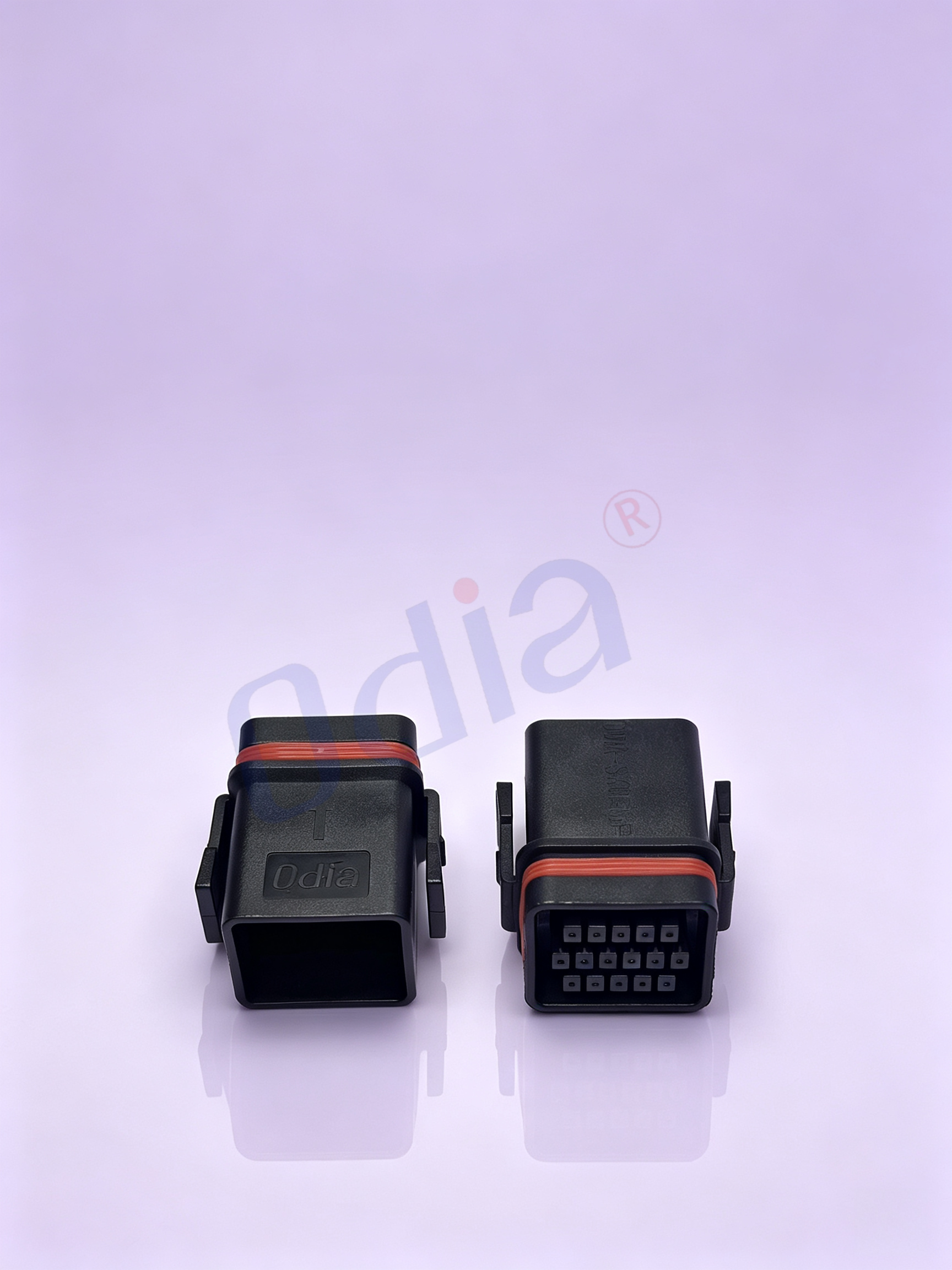
An EV Battery Connector is not simply a plug; it is a safety-critical interface that carries high voltage and high current between the battery pack and the rest of the vehicle. Key selection factors include voltage platform, continuous and peak current, ambient temperature, sealing class, mating cycles, vibration profile and EMI shielding. In a 400V or 800V architecture, contact resistance directly affects heat and efficiency, so low-resistance, multi-point contact designs are important. The connector housing must maintain creepage and clearance distances and resist tracking, while the locking system must prevent accidental separation. Waterproofing depends on the whole interface, not only the connector; correct cable sealing, strain relief and routing protect performance. For global customers, documentation, traceability and consistent quality across batches are as important as the initial sample, which is why we manage design, production and testing under ISO-certified systems and supply customized EV Battery Connector solutions for different markets.

18
Aug
18
Aug
11
Sep
25
Sep


 EN