 ×
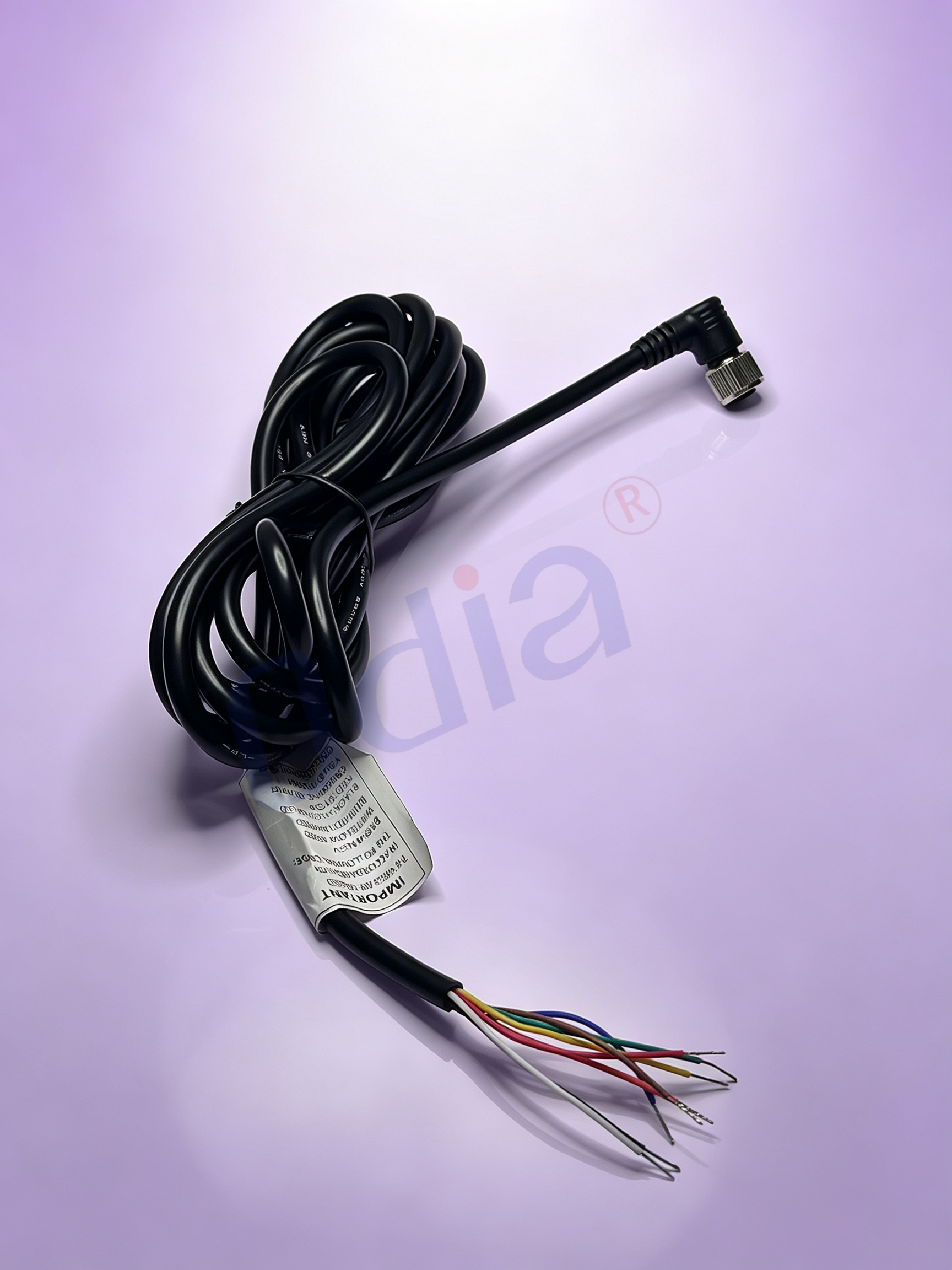
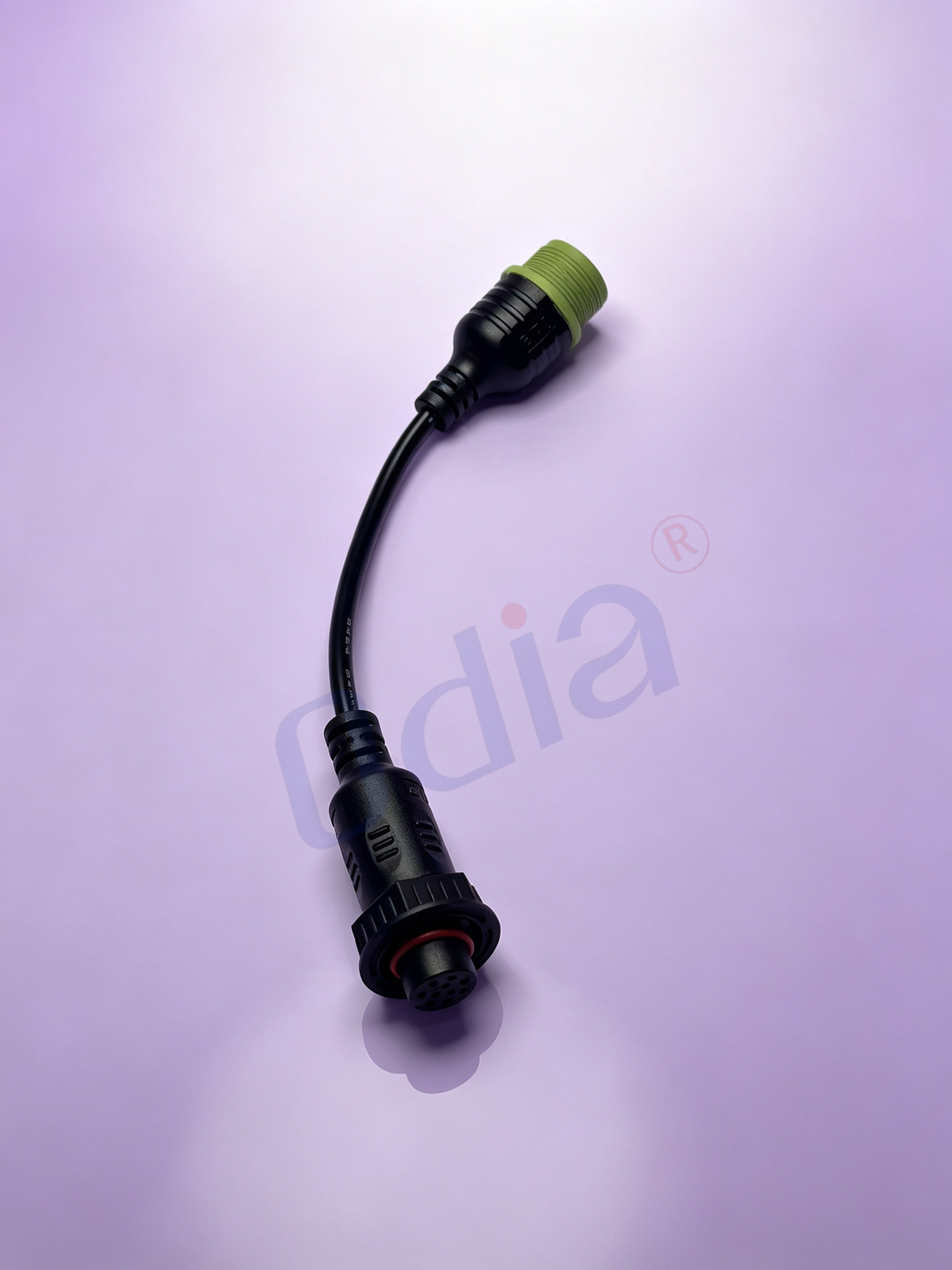
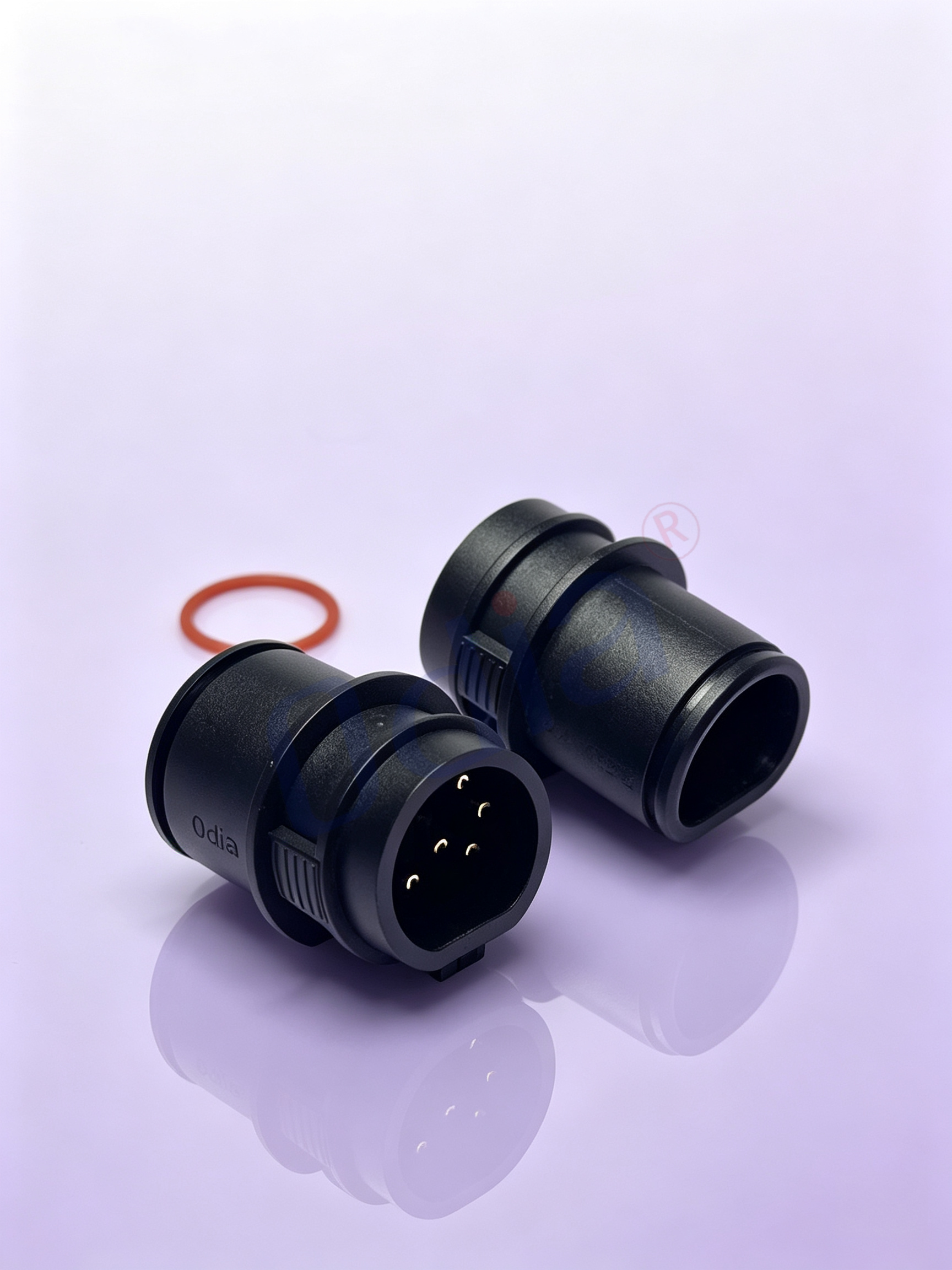
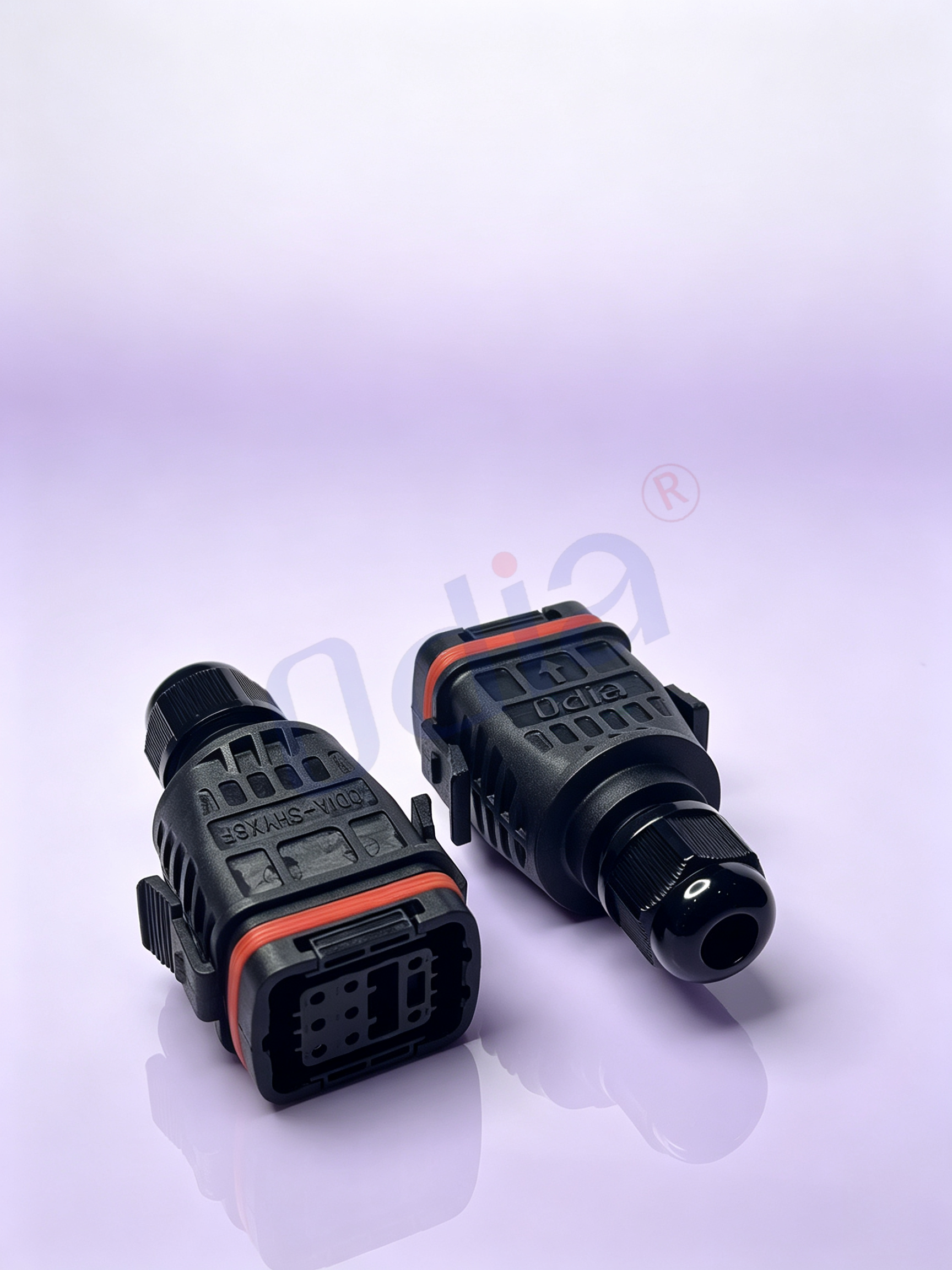
A Board to Board Connector is the mechanical and electrical bridge that lets two printed circuit boards communicate without cable harnesses, which is critical when space, signal integrity, and assembly speed matter. In modern electronics, designers choose a Board to Board Connector to reduce height, improve impedance control, and simplify automated placement. The main families include fine-pitch parallel connectors, mezzanine types, and perpendicular or orthogonal versions for right-angle mating. Selecting the right one starts with pitch and pin count, because a smaller pitch increases density but tightens tolerance requirements. Stacking height determines clearance for components, while mating cycles and contact plating affect long-term reliability in vibration or thermal cycling environments. For high-speed signals, controlled impedance and ground pin placement matter as much as the connector body. In industrial and outdoor applications, engineers also consider locking features, polarization, and operating temperature range. Guangdong Odia Electronics approaches every Board to Board Connector project with these variables in view, helping customers balance performance, manufacturability, and total cost so the final design performs consistently in real-world conditions.
18
Aug
04
Sep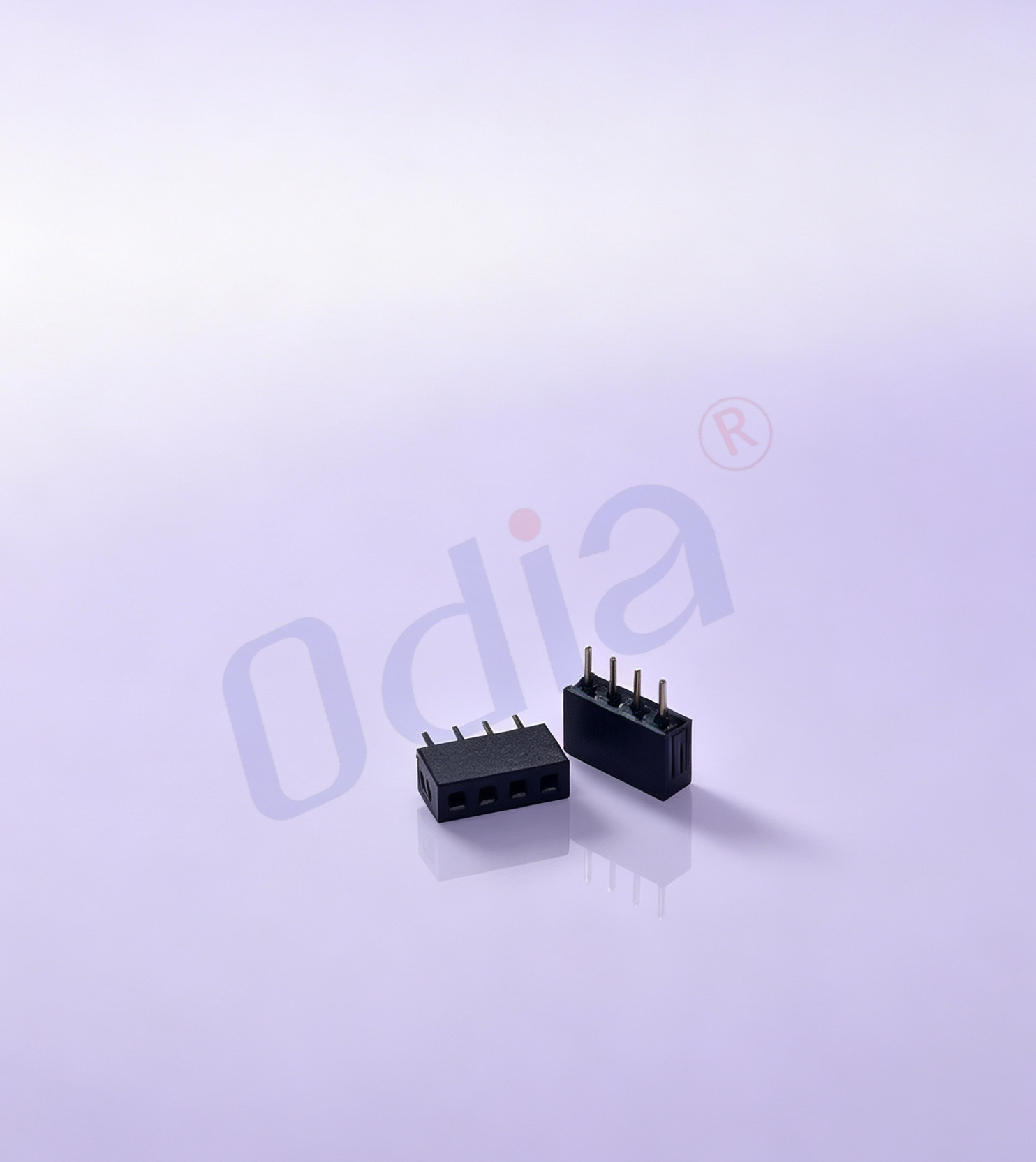
14
Sep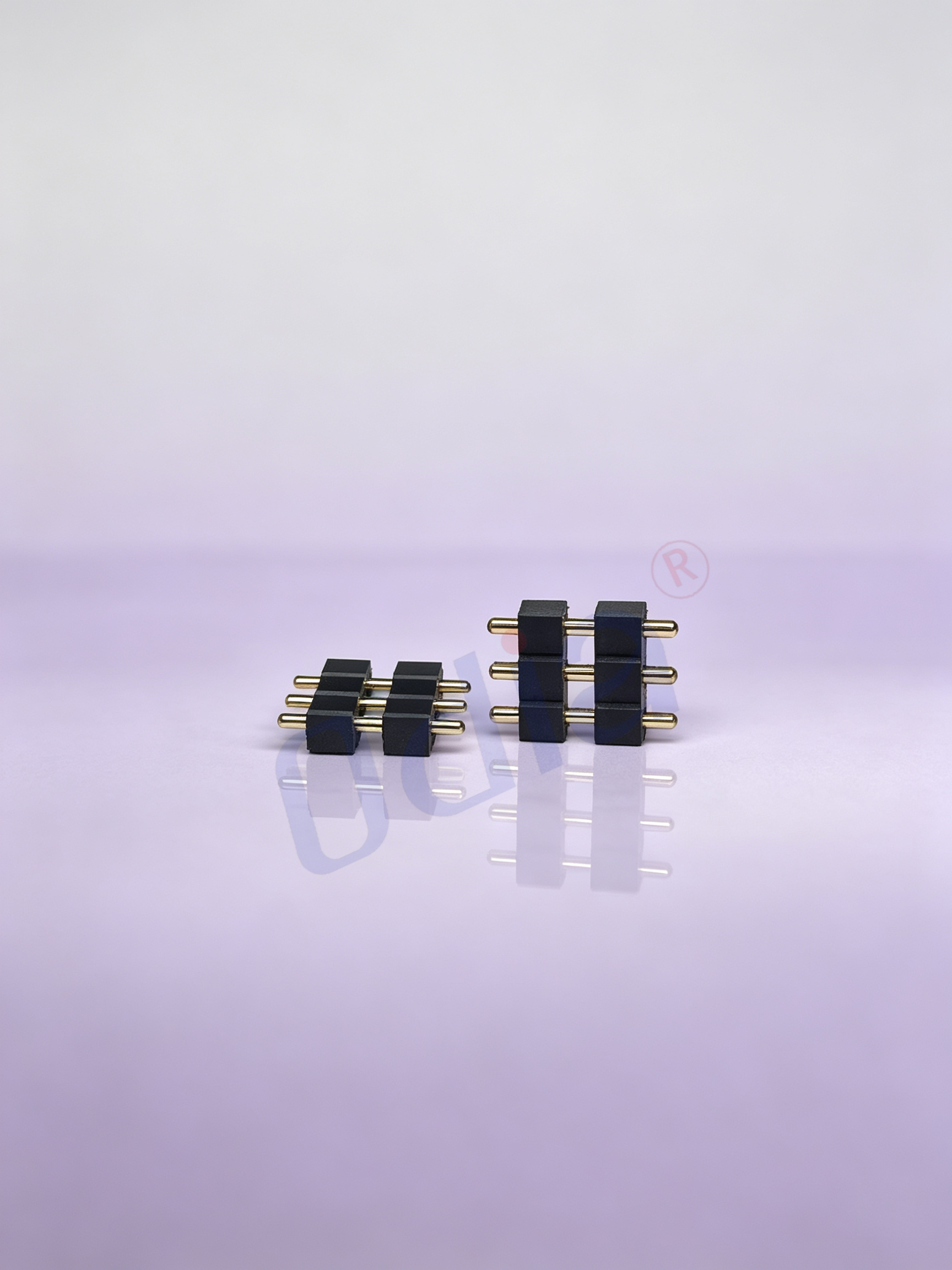
21
Sep


 EN