 ×
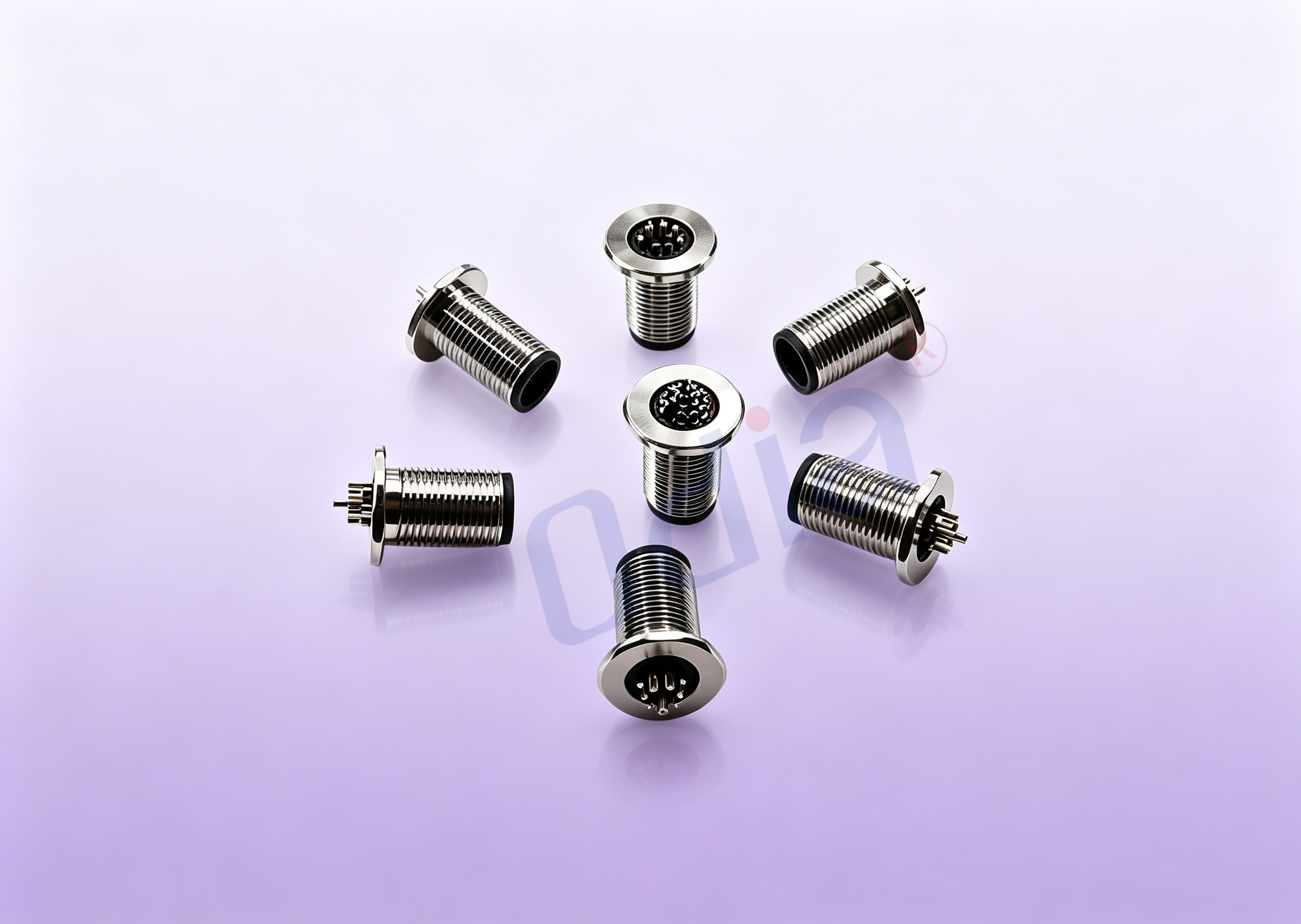
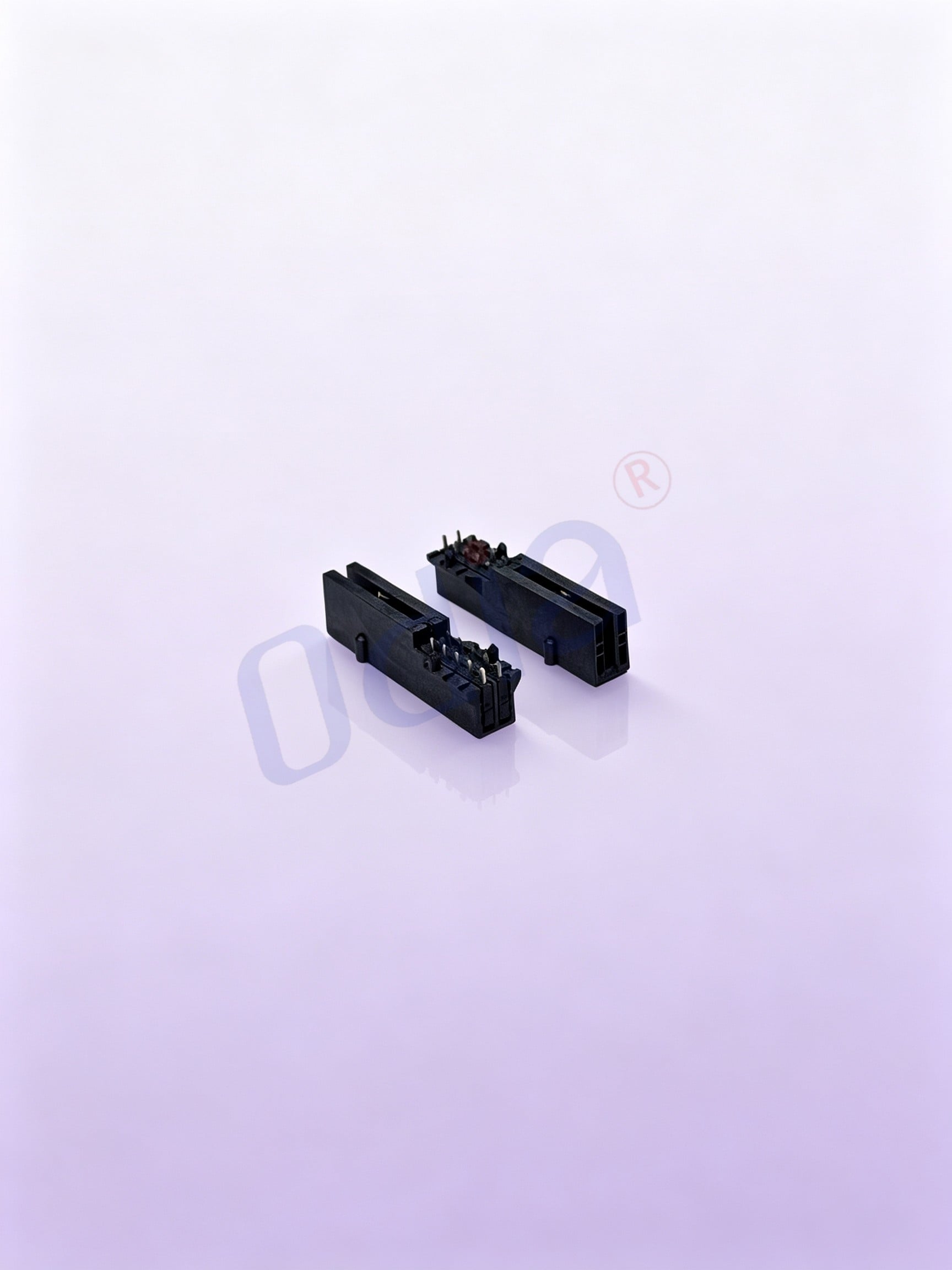
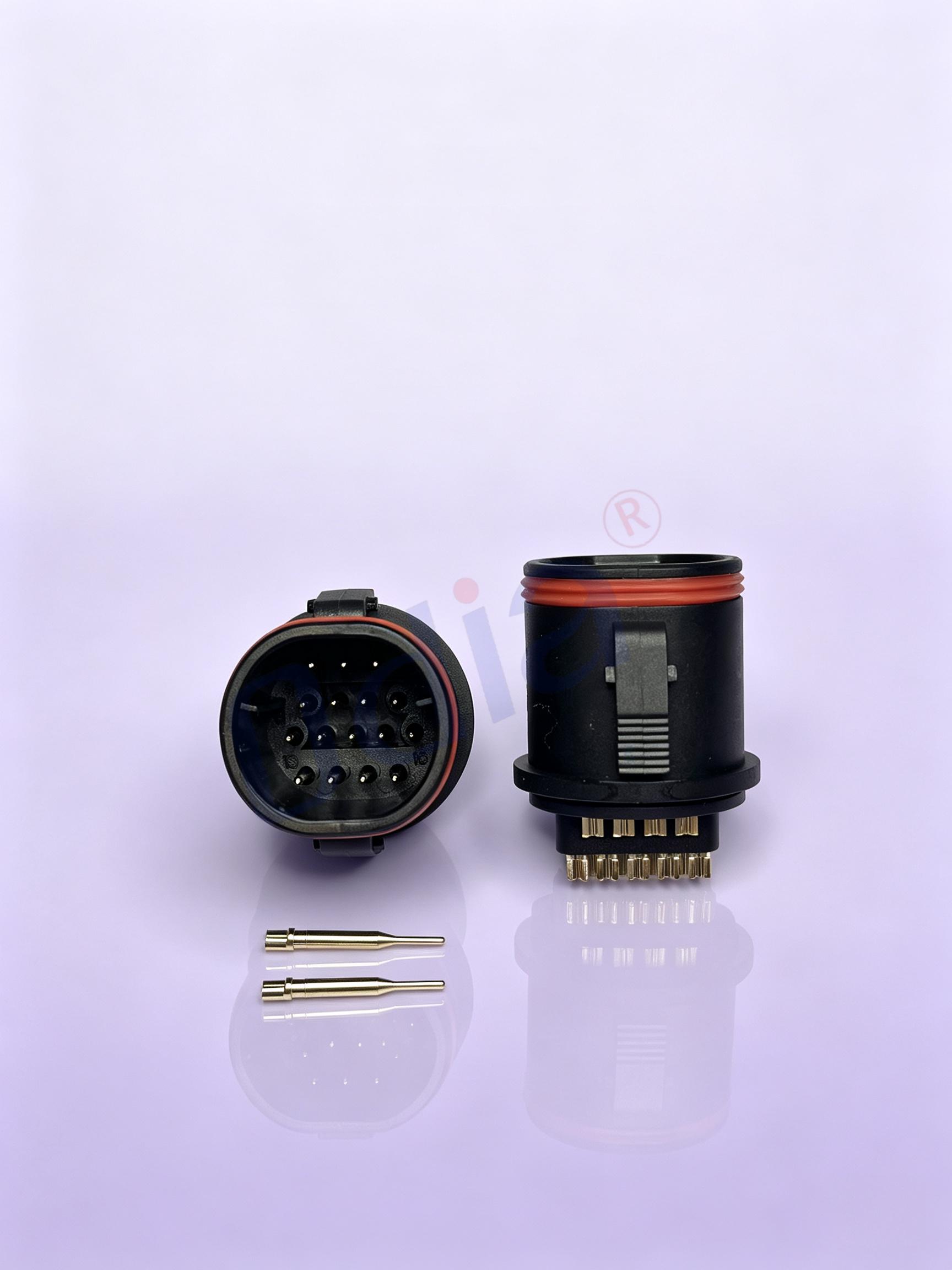
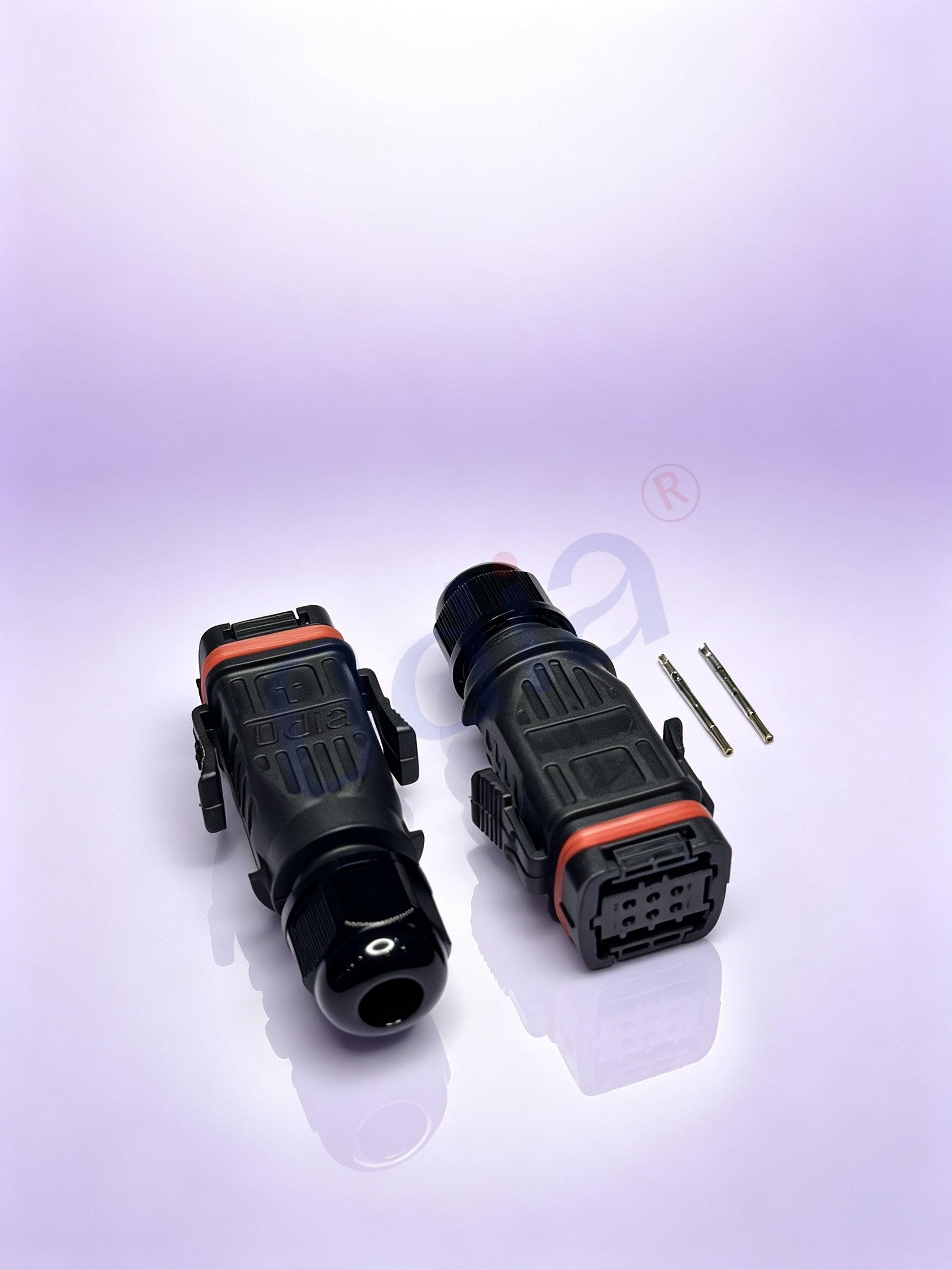
A Board to Board Interconnect is more than a passive part; it defines how two PCBs communicate mechanically and electrically. In high-density designs, engineers must balance pitch, stack height, current capacity, signal integrity and mechanical retention simultaneously. Fine-pitch solutions save board space but demand tighter manufacturing tolerances and careful soldering profiles. Higher stack heights improve airflow and component clearance but can affect mechanical stability under vibration. Plating quality influences contact resistance and corrosion resistance, which matters in humid, industrial or outdoor environments. Odia approaches these trade-offs through disciplined process control and collaborative engineering. We verify insertion and withdrawal forces, contact resistance and dielectric performance through standardized inspection, and we adjust materials and geometry during development to meet each customer's target. For international clients, this means a Board to Board Interconnect supplier who understands both the technical variables and the practical requirements of volume production, documentation and long-term reliability.

18
Aug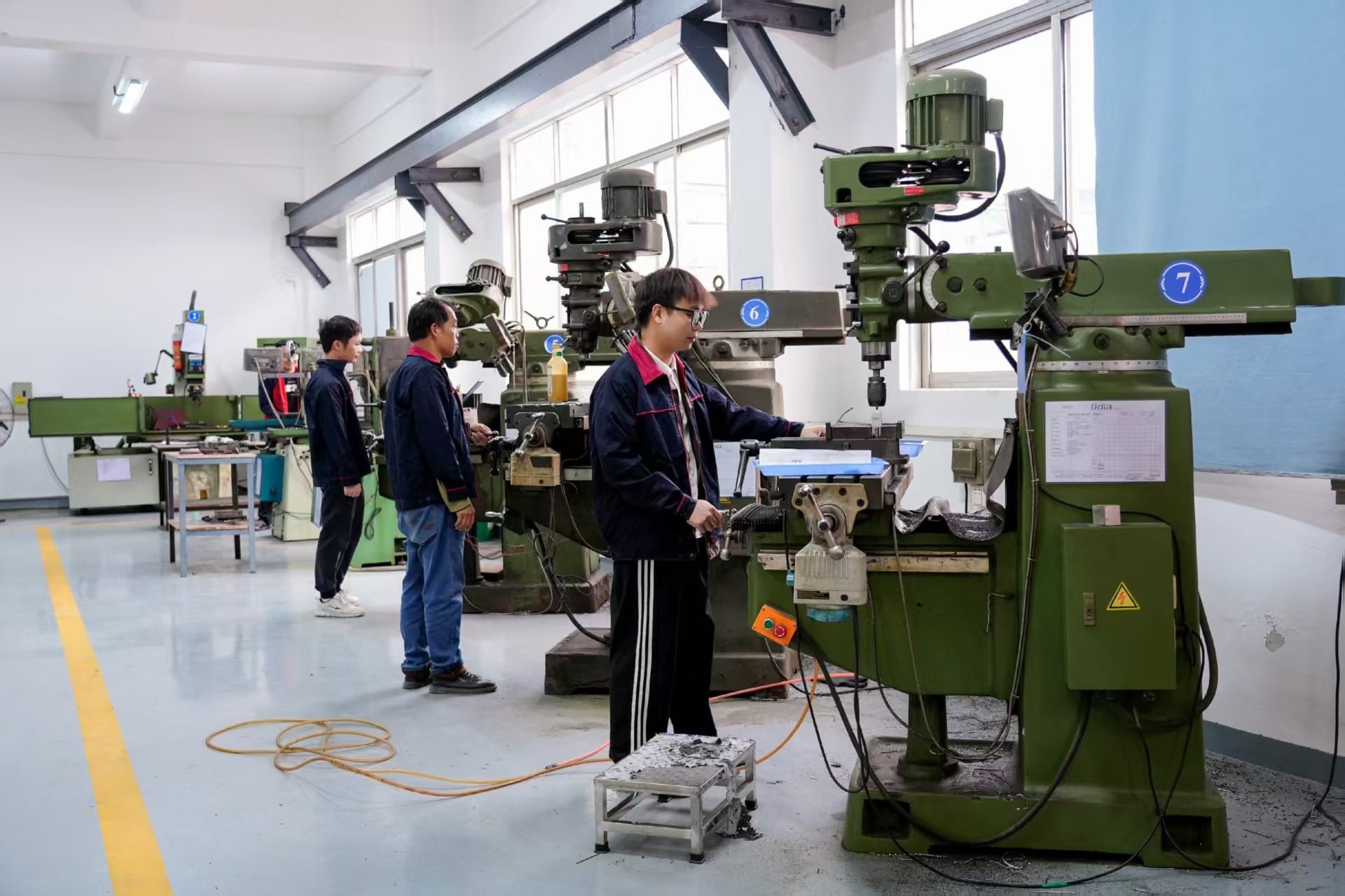
18
Aug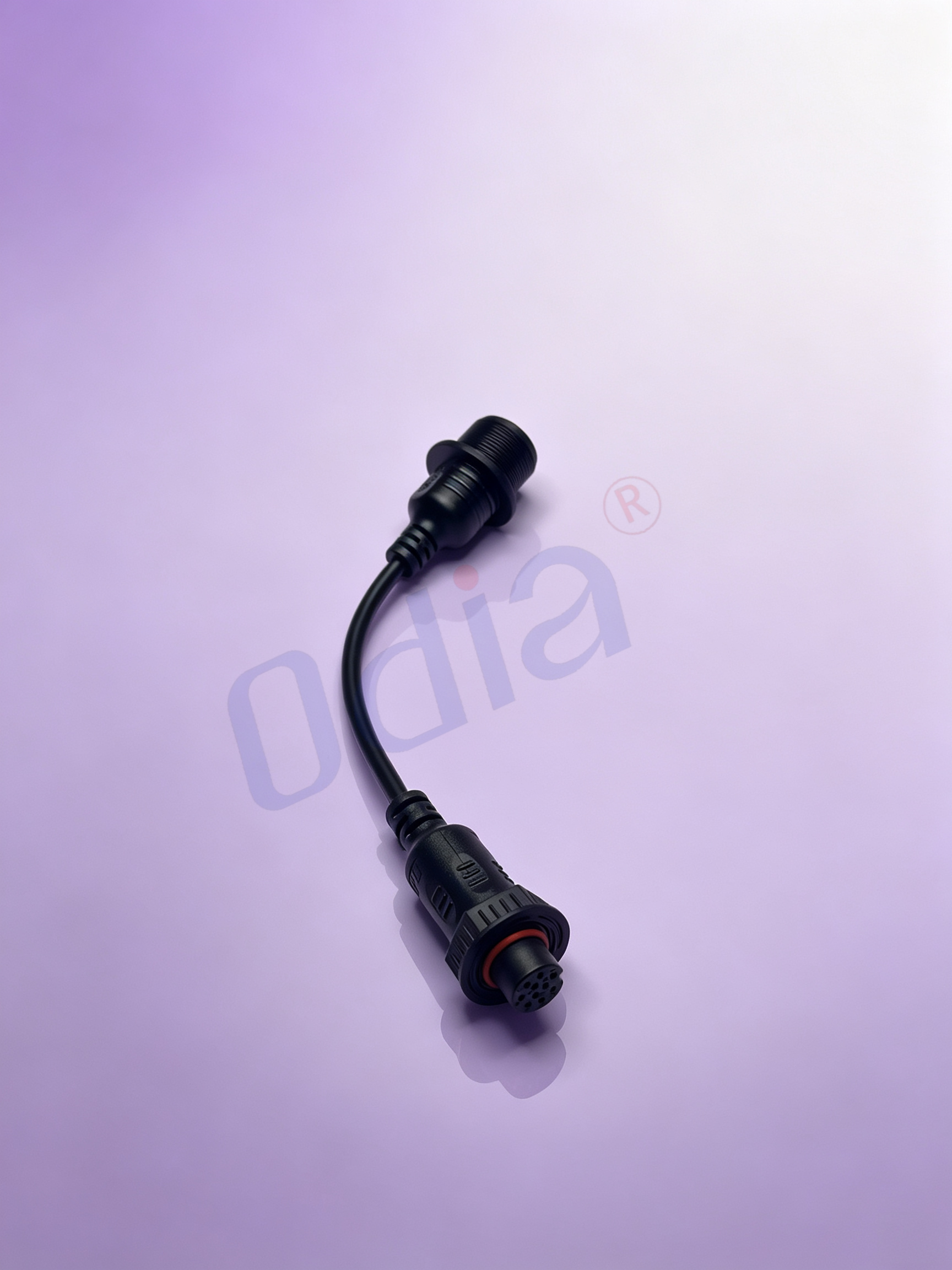
04
Sep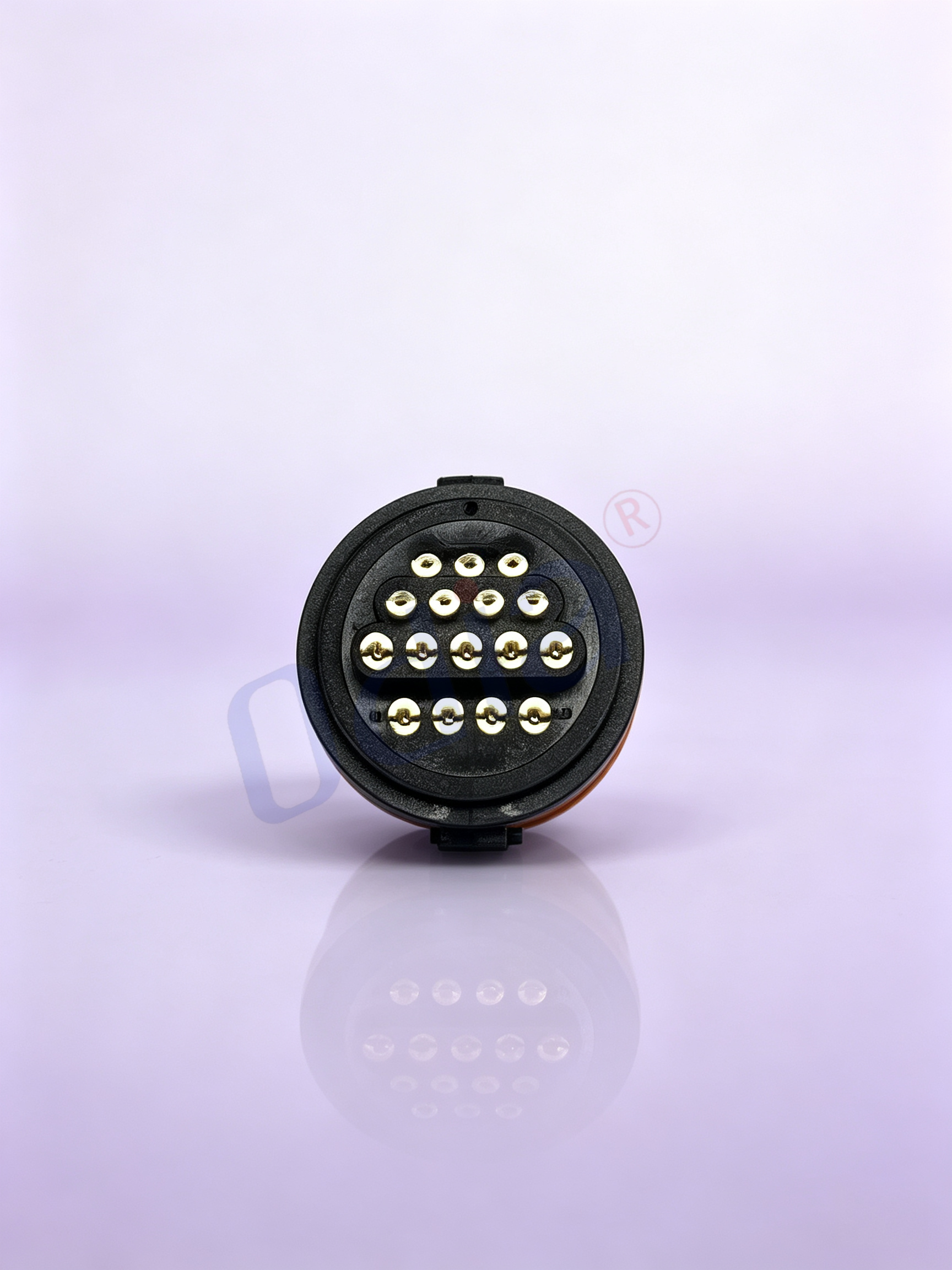
25
Sep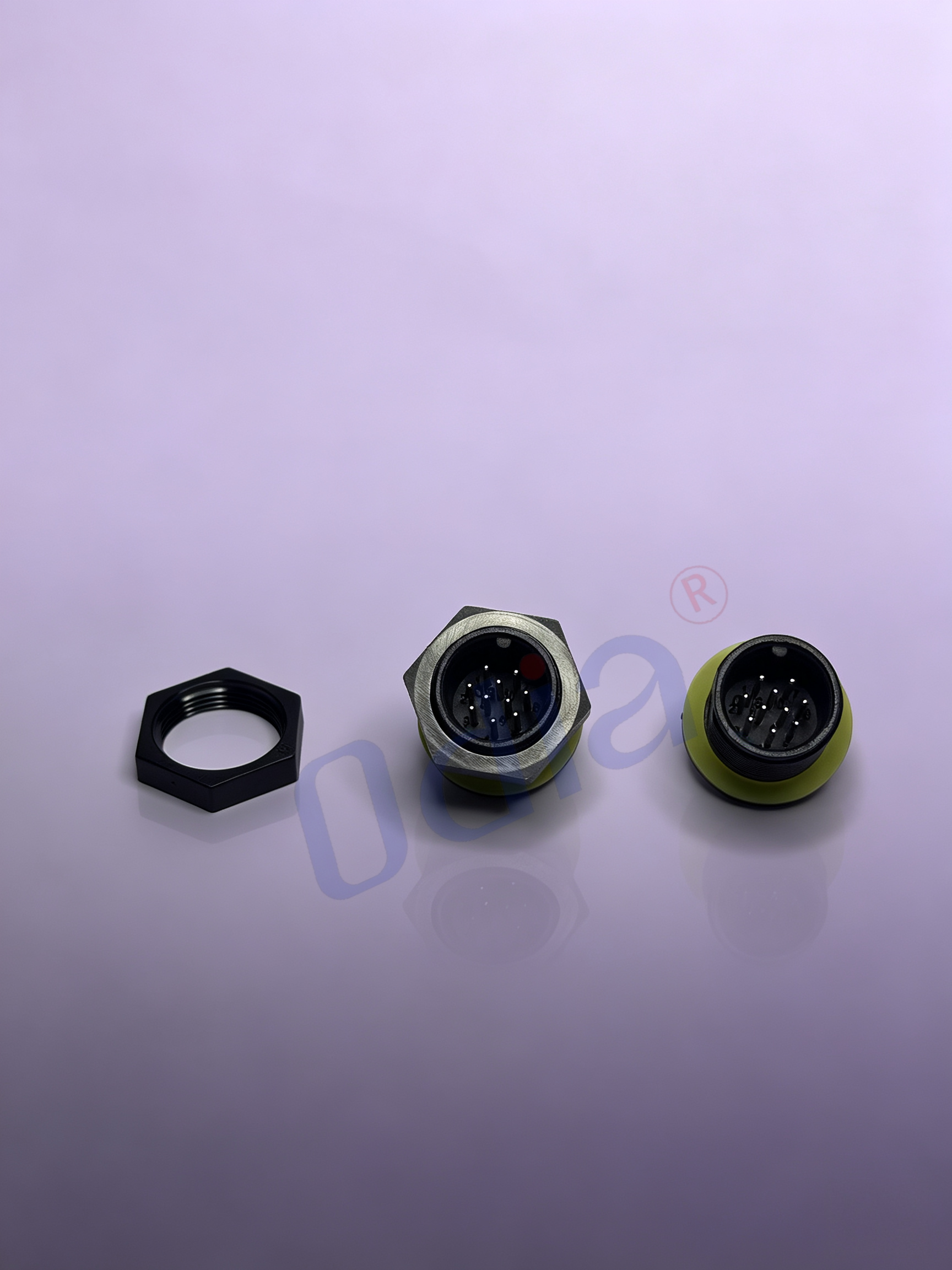


 EN