 ×
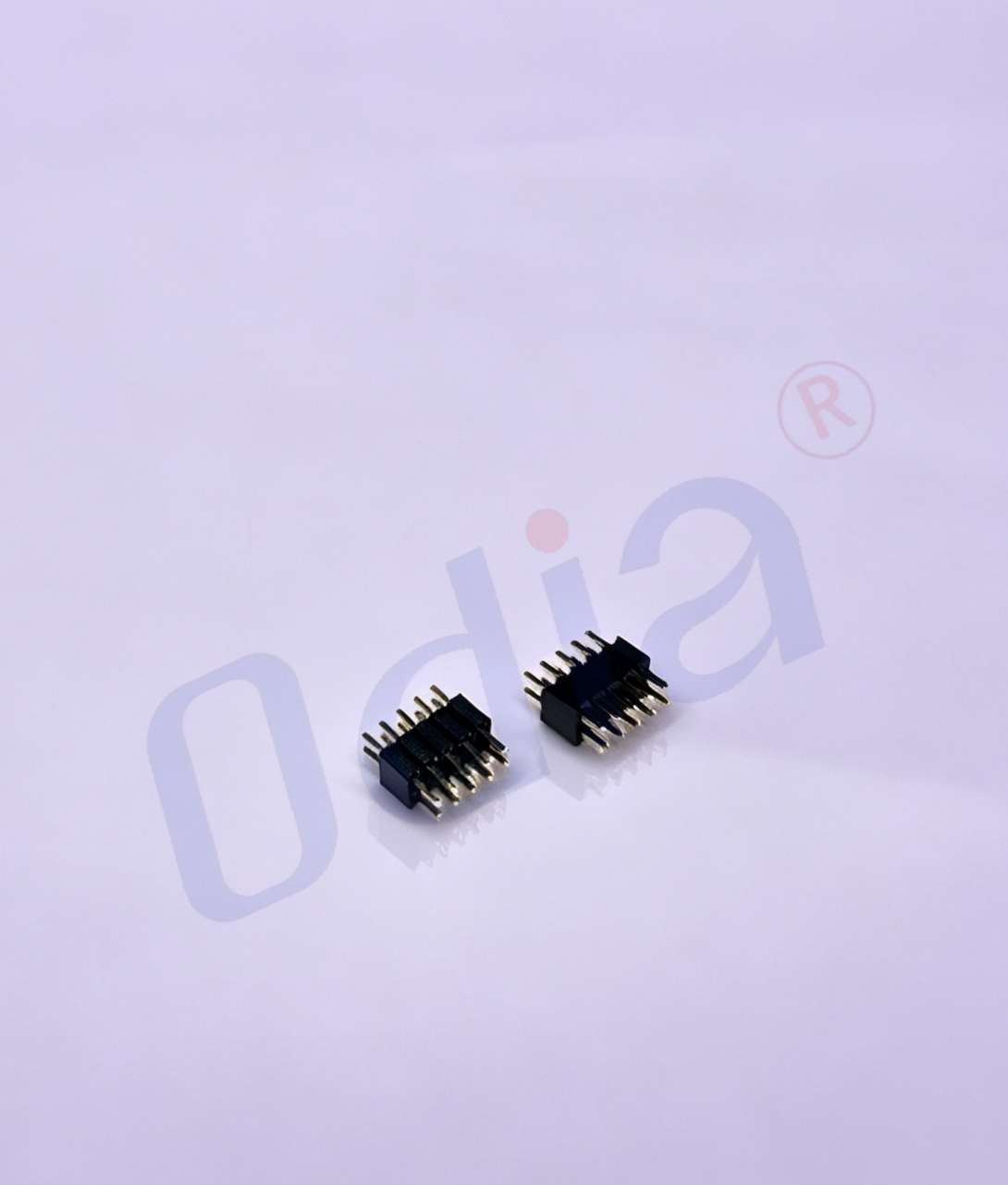
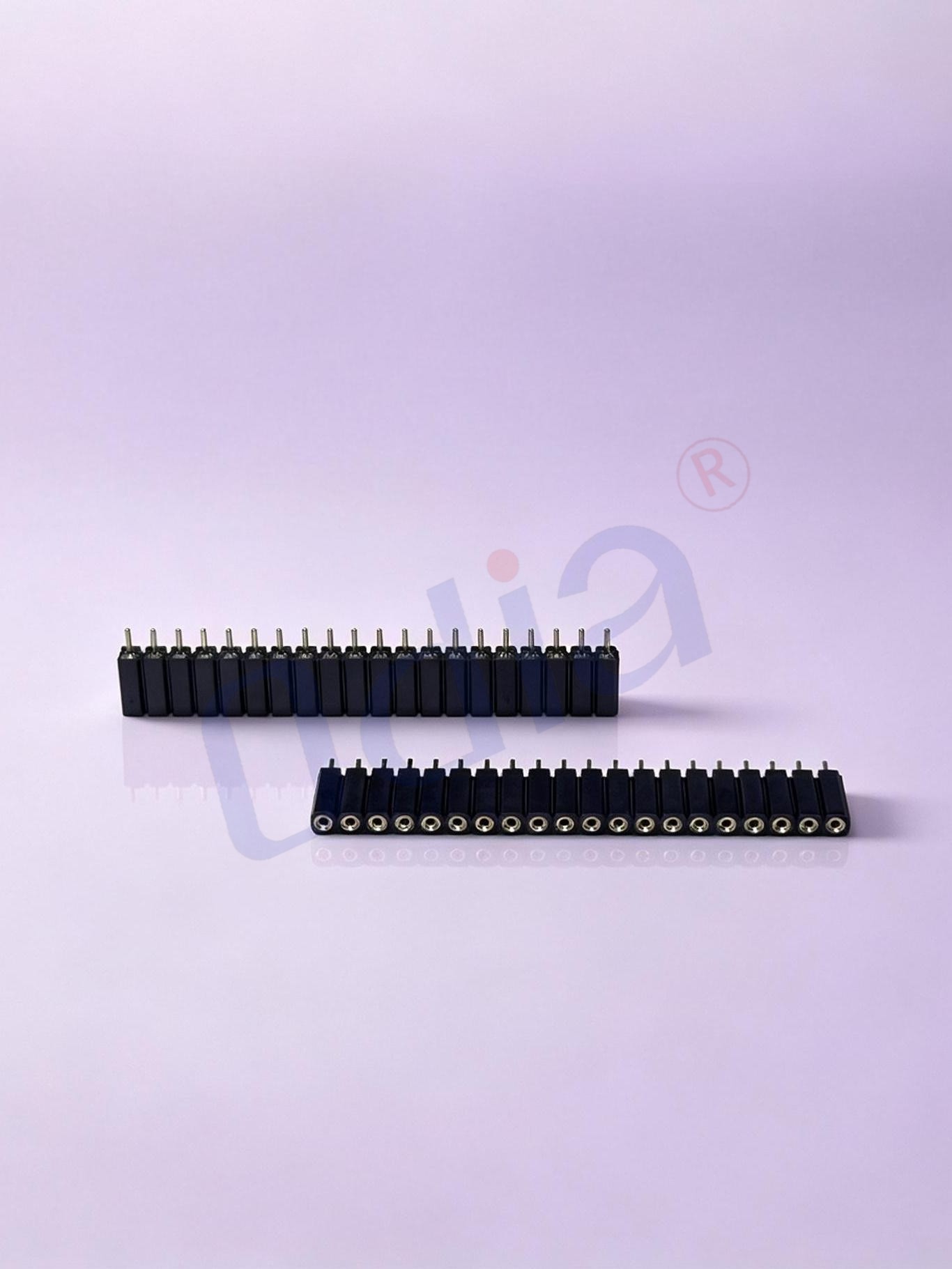
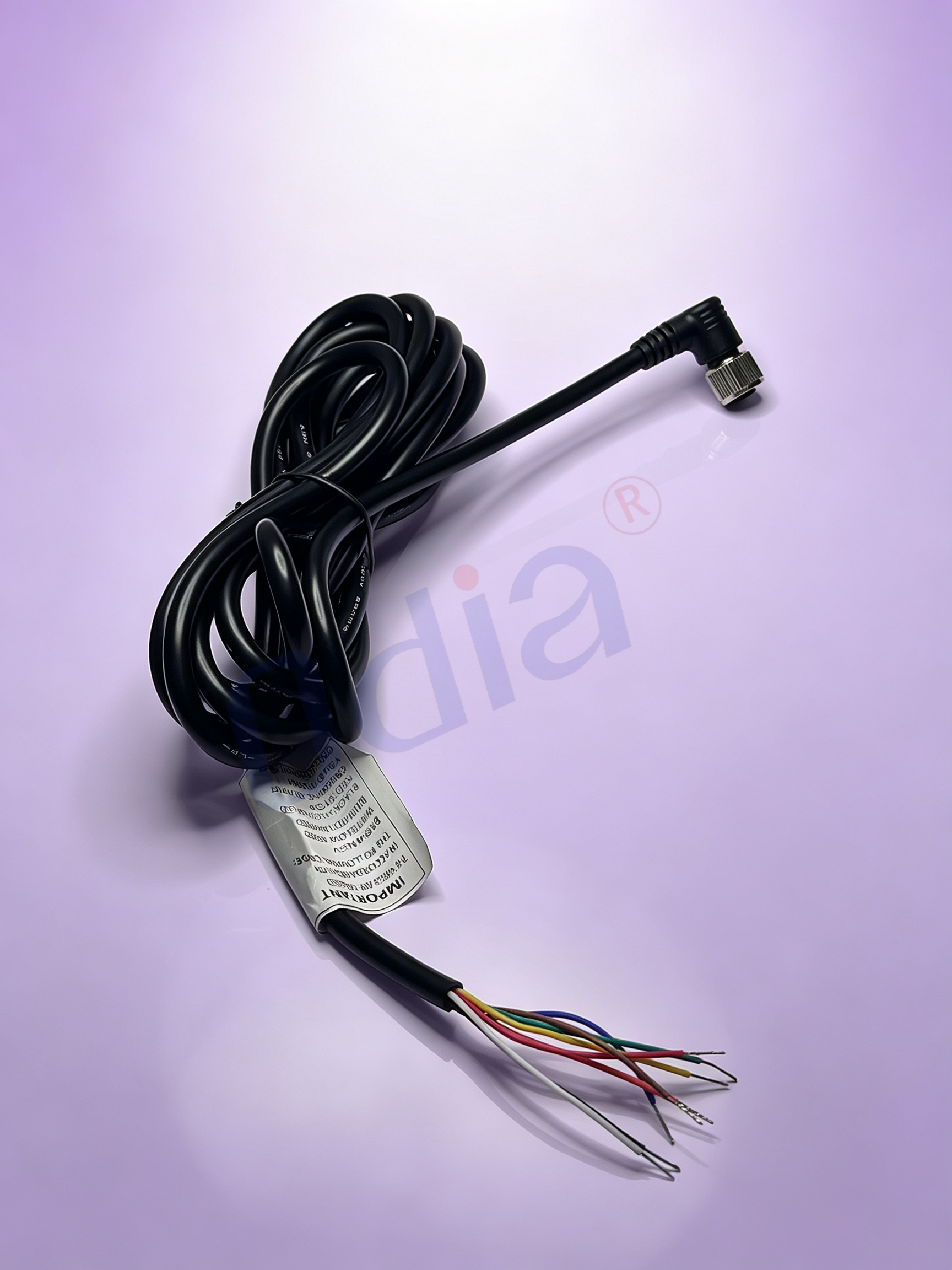
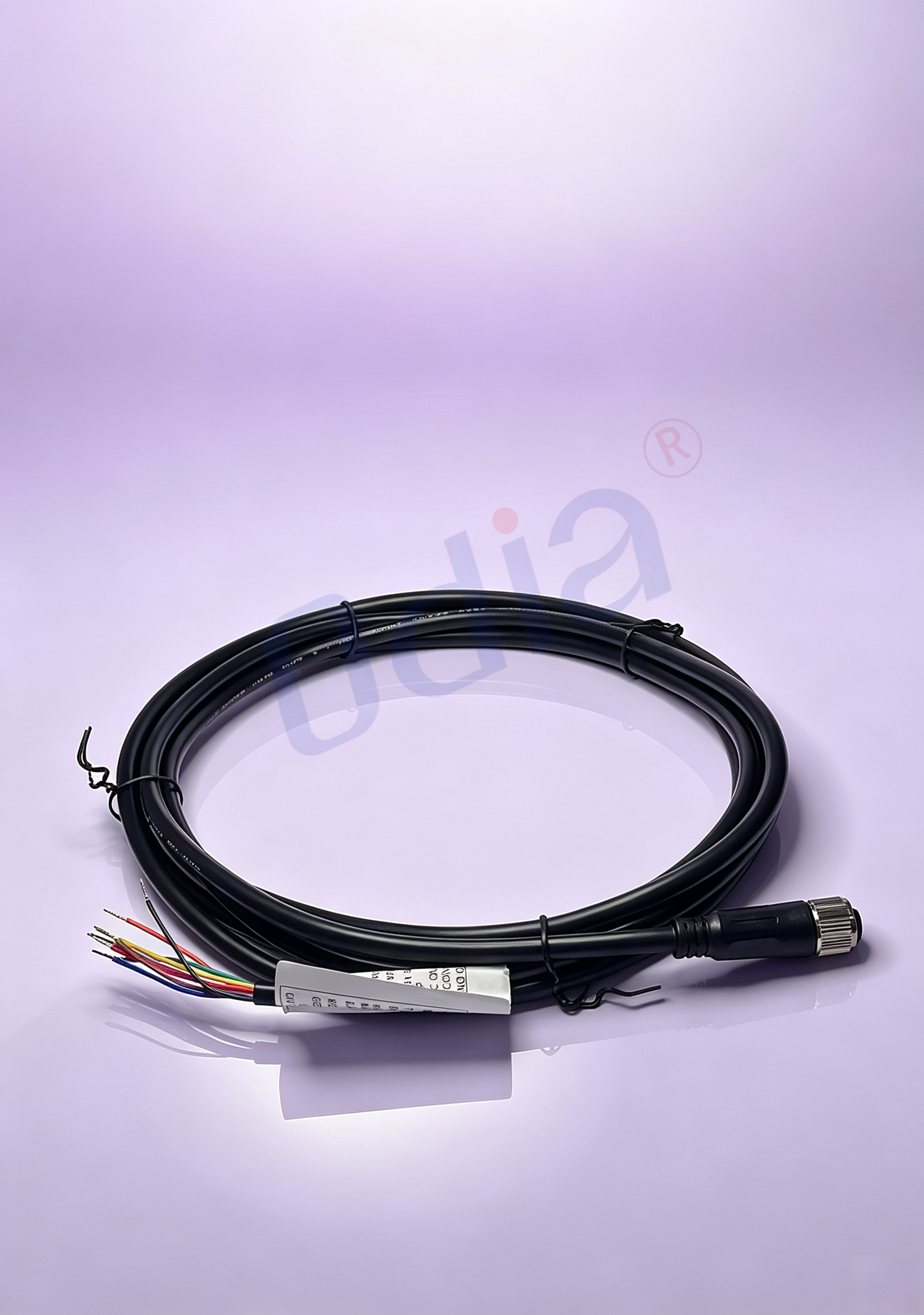
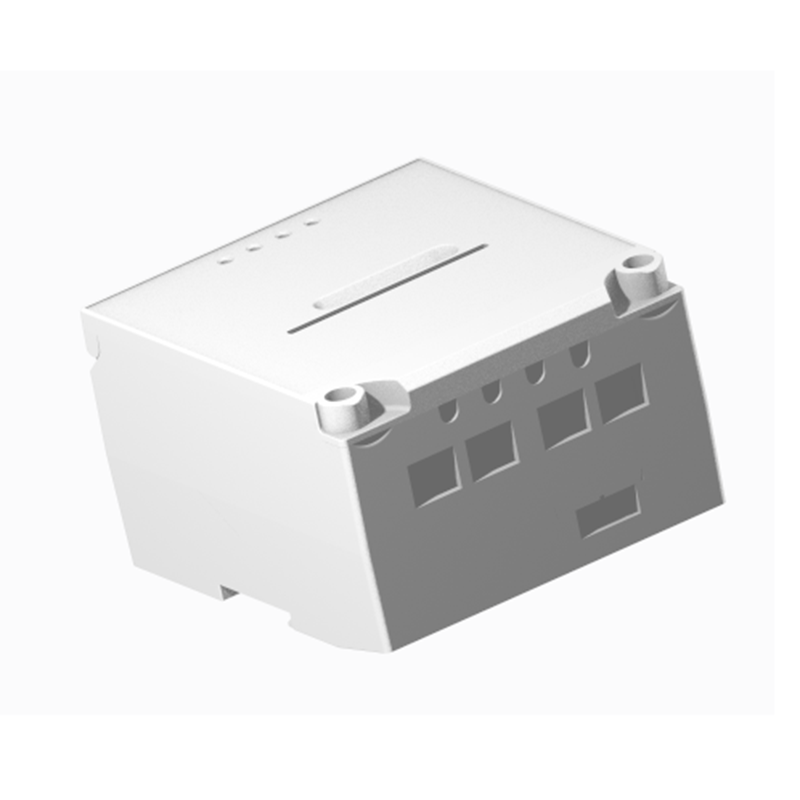
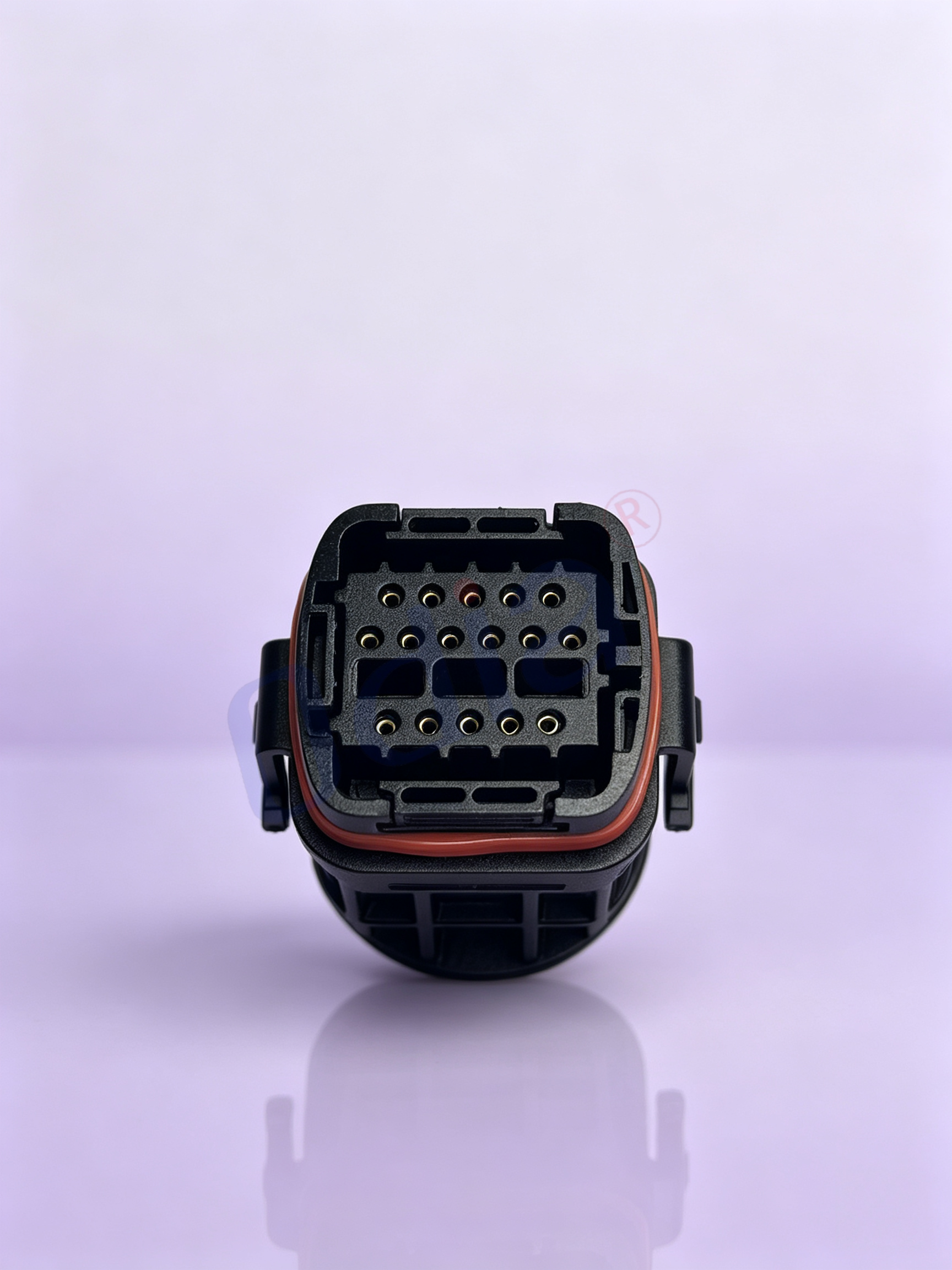
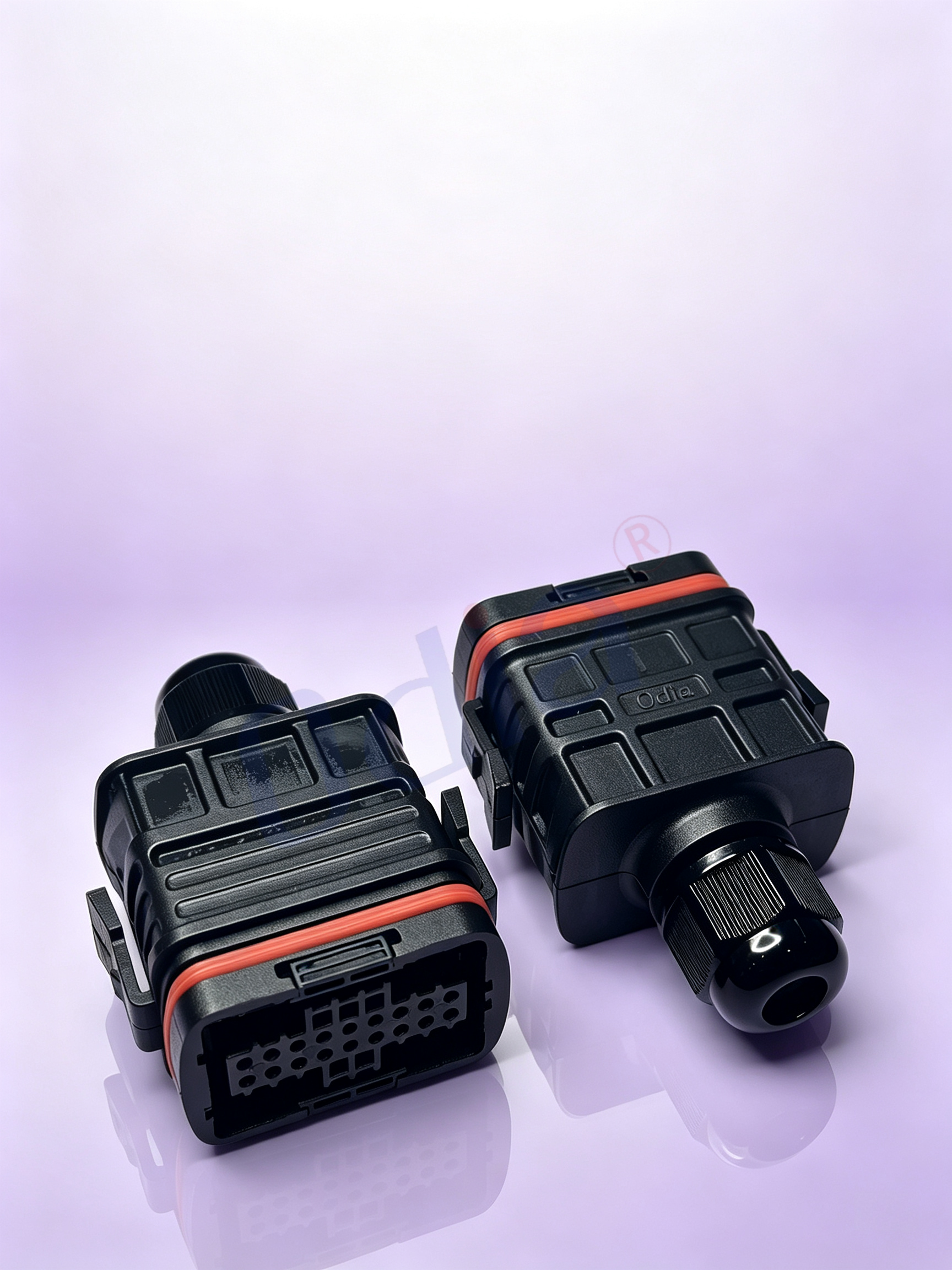
An electrical socket connector is more than a simple interface; it is a critical point where power, signals, and system reliability meet. In industrial automation, a loose or corroded socket can interrupt production. In AI data centers and 5G base stations, stable contact resistance supports continuous data and power flow. In rail transit, vibration and temperature swings demand robust mechanical design. In new energy storage and photovoltaic power generation, outdoor exposure requires attention to sealing, insulation, and material aging. Odia approaches the electrical socket connector with a quality-first mindset, using standardized inspection procedures and ISO-certified management systems. The company's R&D investment of over 6% of annual revenue supports continuous improvement, while more than 40 independent patents reflect design ownership. For international buyers, the key is to match the electrical socket connector to the application: confirm voltage and current ratings, mating cycles, operating temperature, ingress protection, and compatibility with the mating plug or header. Odia's customization service allows engineers to adjust these parameters, and its terminal waterproof wiring harness capability helps create a complete interconnect solution. Documentation, sample validation, and responsive after-sales support further reduce integration risk. Working with a manufacturer that understands both component-level details and system-level performance helps customers improve assembly efficiency, reduce field failures, and deliver safer, longer-lasting products to their own markets.
18
Aug
21
Sep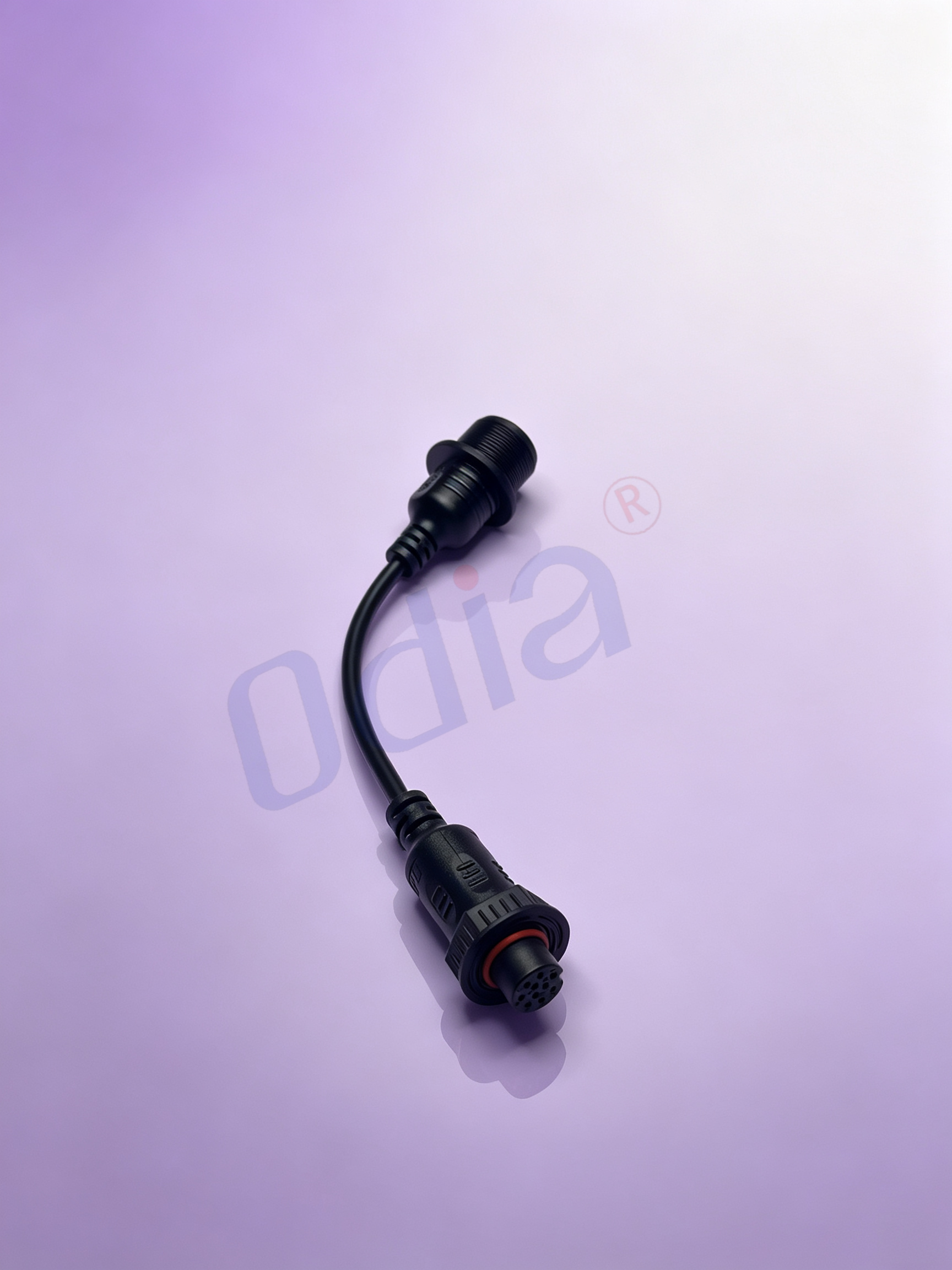
04
Sep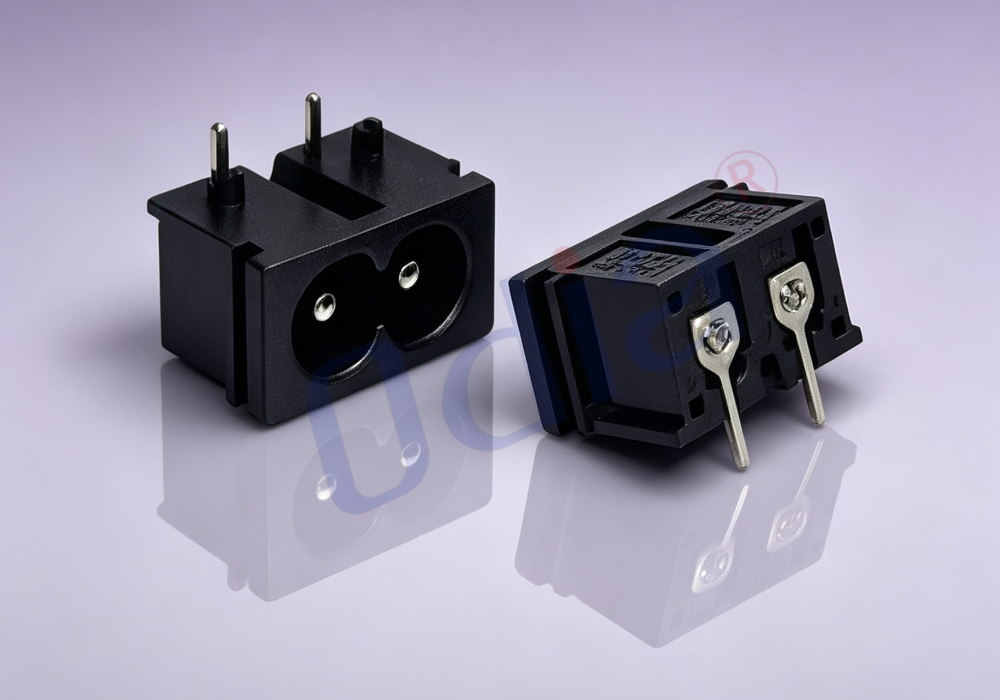
11
Sep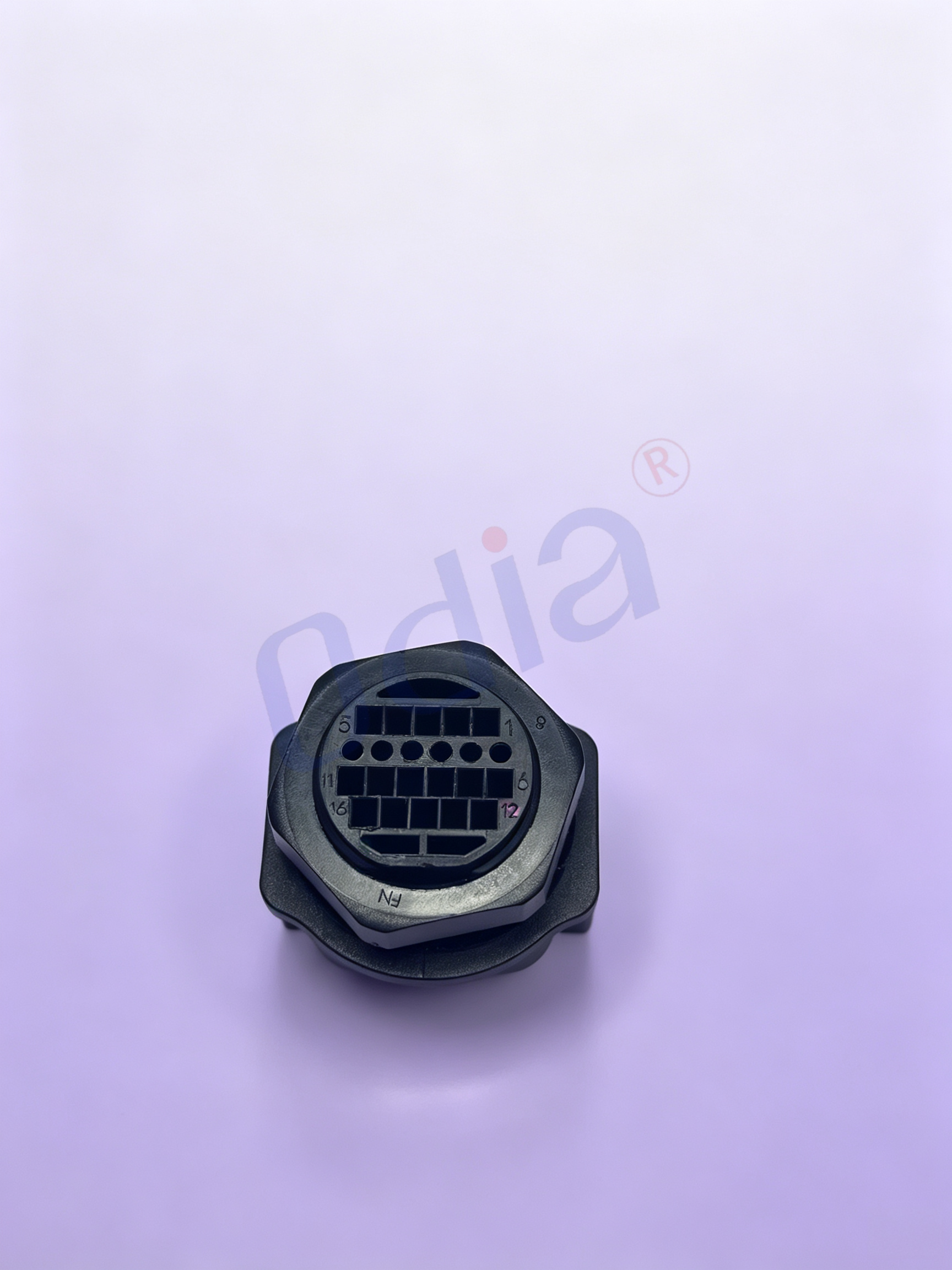


 EN