 ×
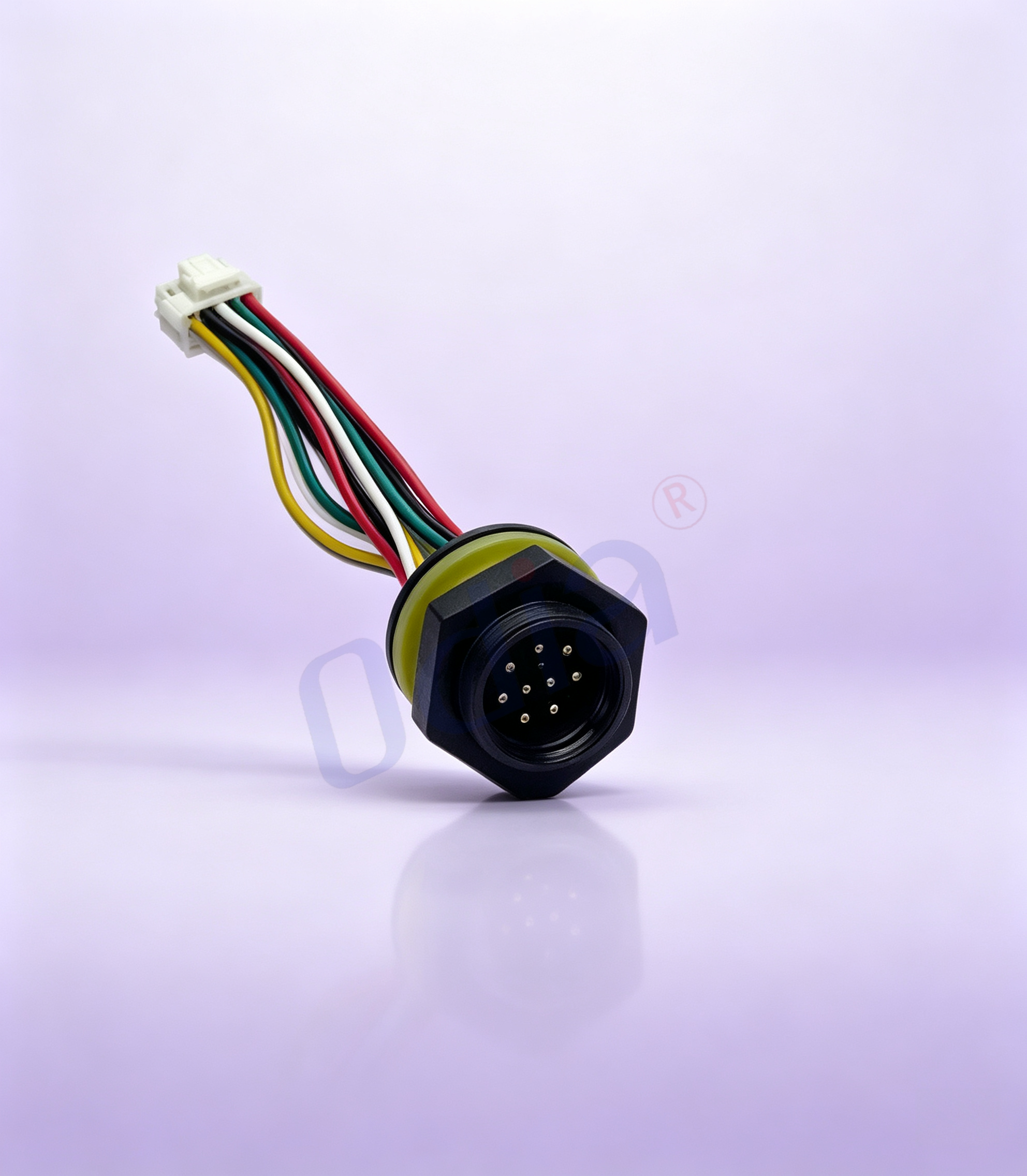
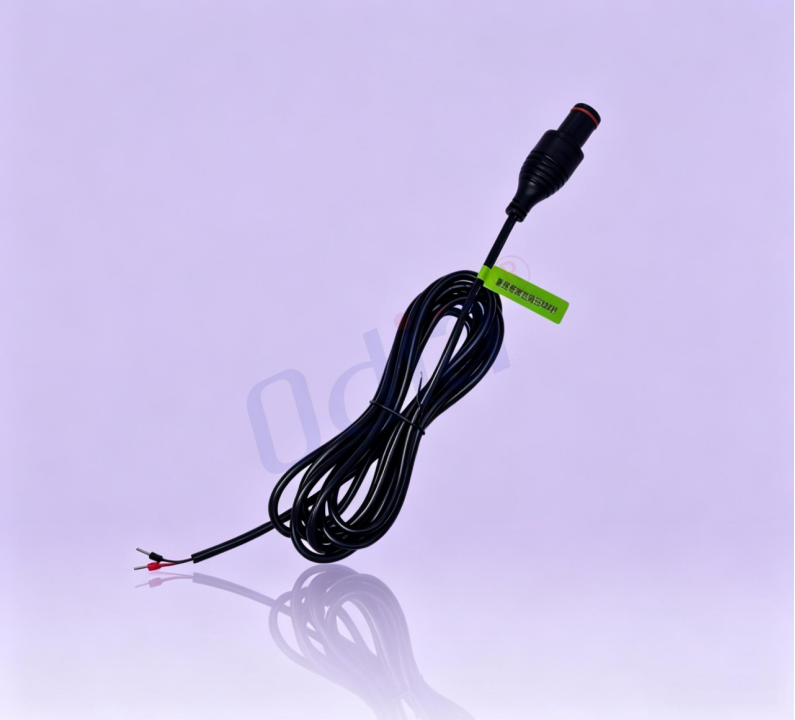
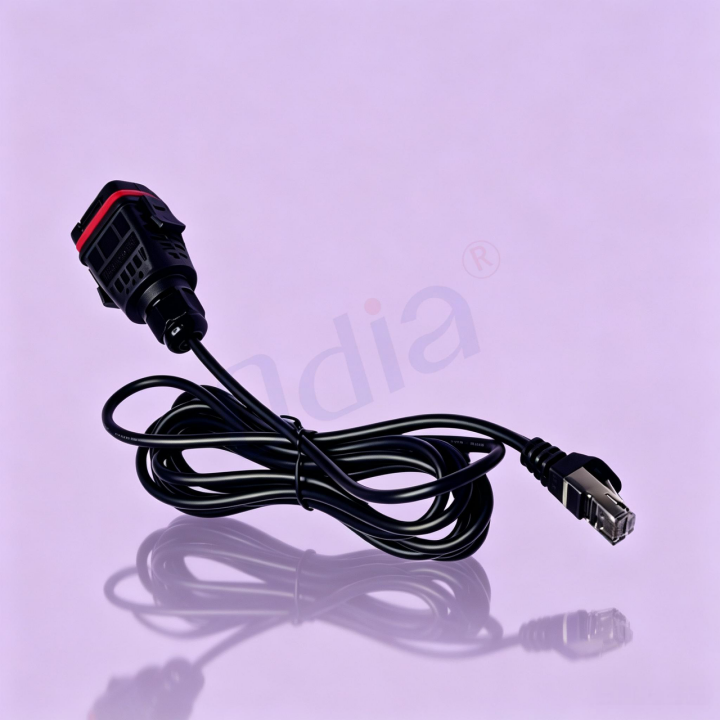
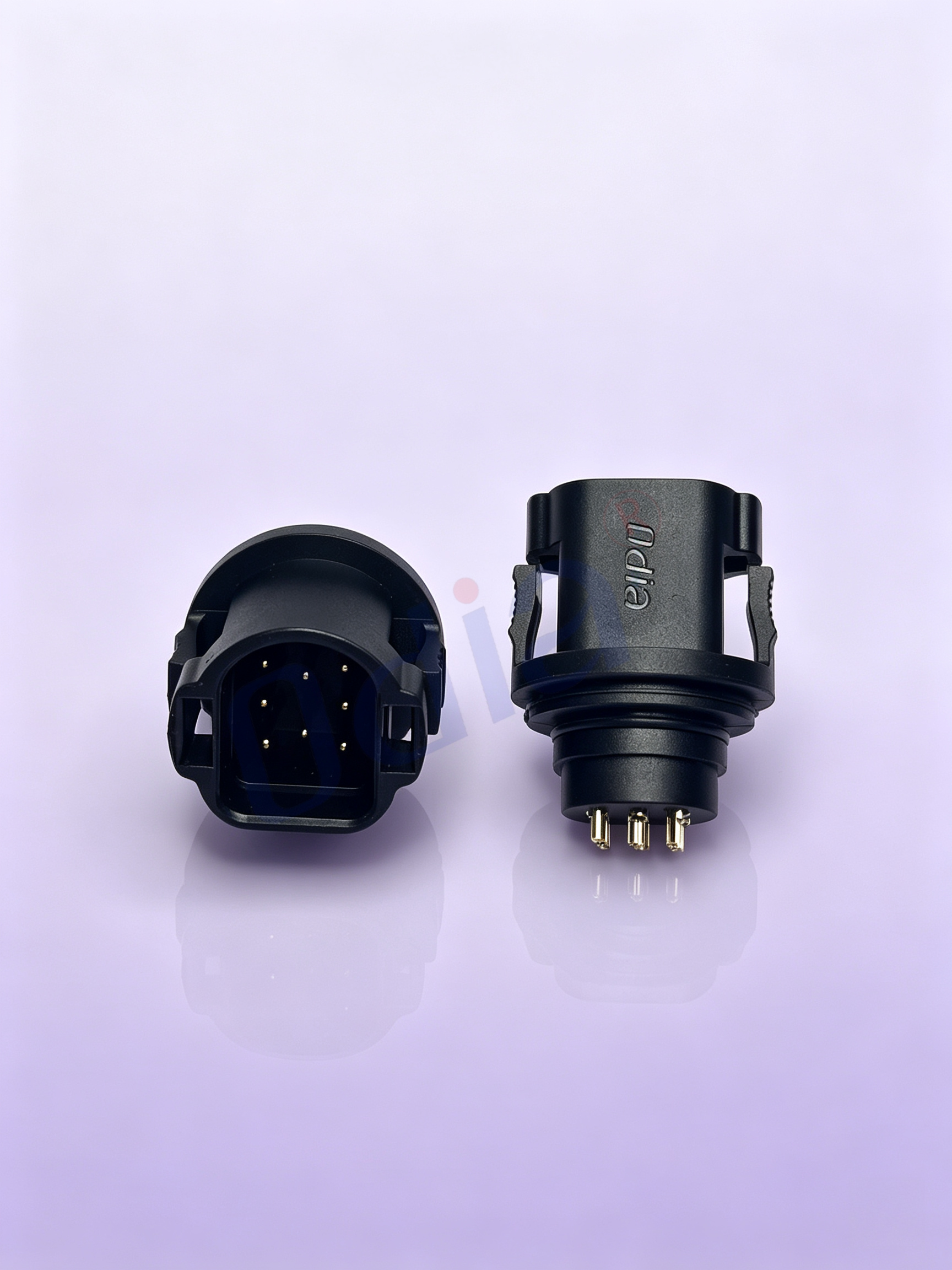
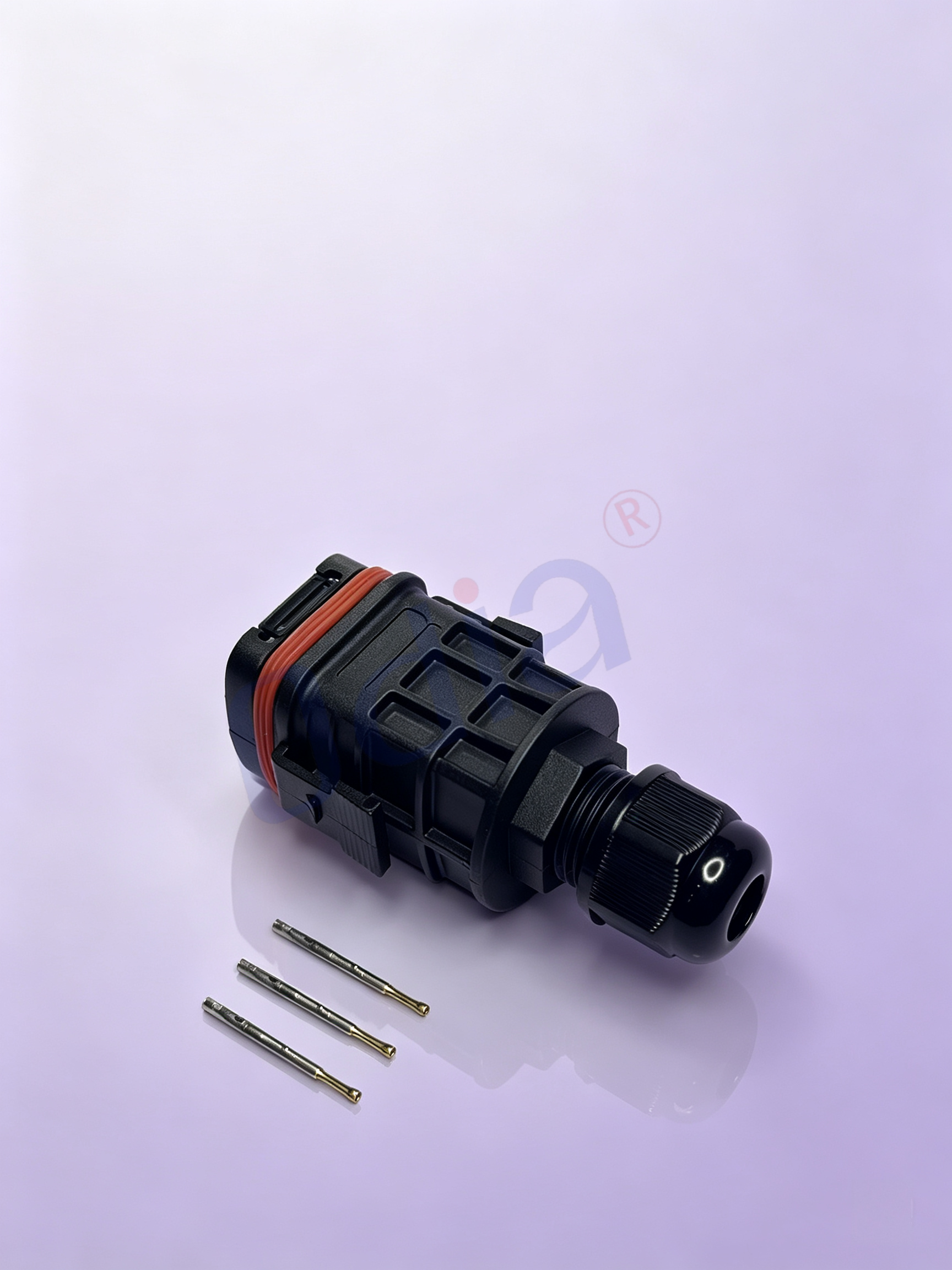
A waterproof electrical connector succeeds or fails on sealing strategy, material compatibility and assembly discipline. The first principle is matching the ingress protection level to the actual environment: splash zones, washdown areas, buried cable runs and outdoor cabinets demand different gasket compression, molded interfaces and cable strain relief. The second is material selection. Housing polymers must resist UV, ozone, oils and cleaning agents, while elastomer seals must retain elasticity across the operating temperature range; contact platings such as gold or tin determine corrosion resistance and mating-cycle life. The third is mechanical design. Locking mechanisms, keying and anti-vibration features prevent partial mating that quietly destroys sealing performance. The fourth is process control. Crimp height, insertion force, overmolding temperature and leak testing must be monitored statistically, because a single under-crimped terminal can create a hot spot inside an otherwise perfect waterproof electrical connector. Finally, validation matters: thermal cycling, salt spray, insulation resistance and water immersion tests translate laboratory confidence into field reliability. Guangdong Odia Electronics Co., Ltd. applies this discipline to every waterproof electrical connector and waterproof wiring harness we ship, so international customers receive predictable performance in industrial automation, rail transit, energy storage and telecommunications.
18
Aug
21
Sep
21
Sep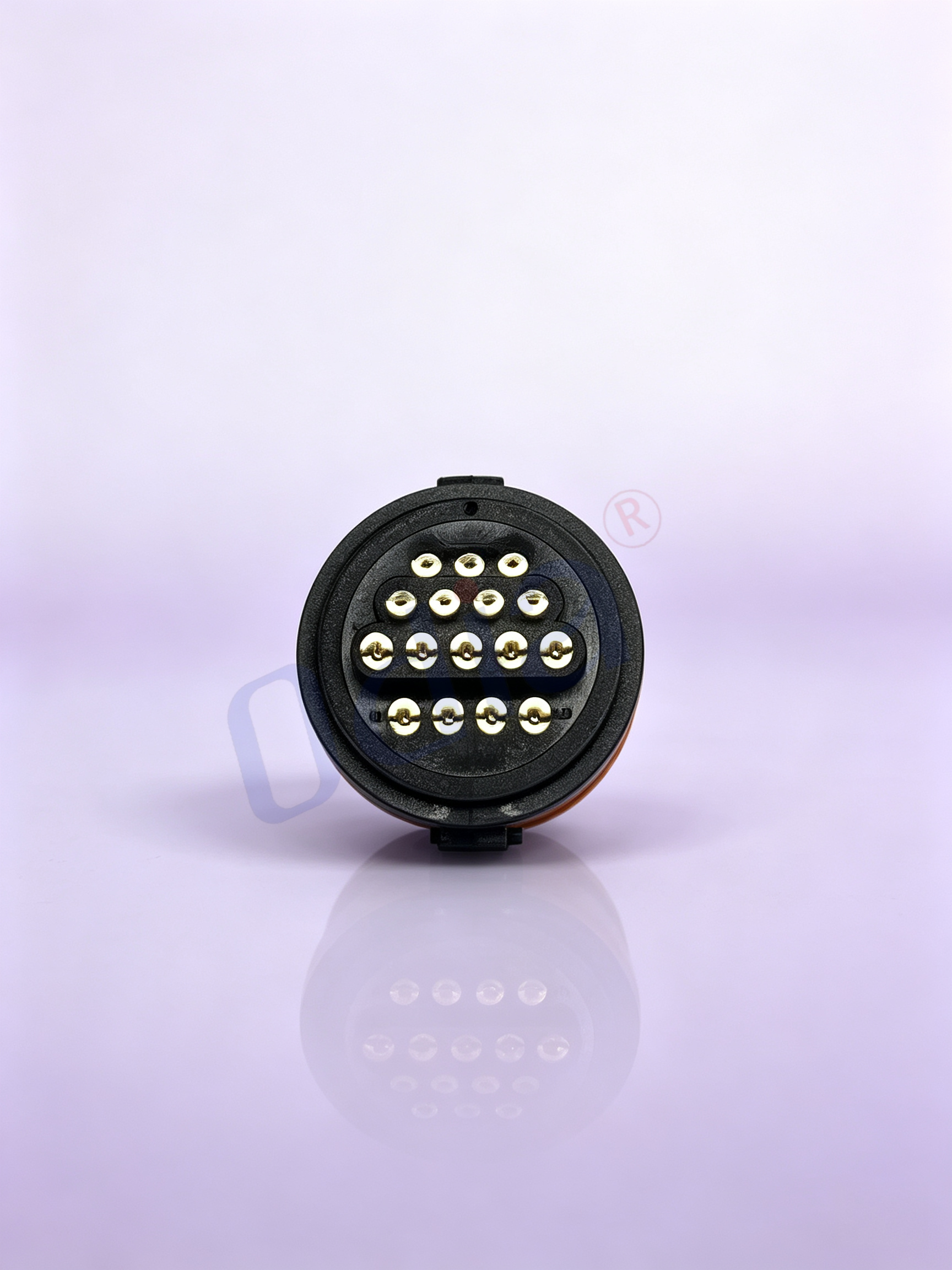
25
Sep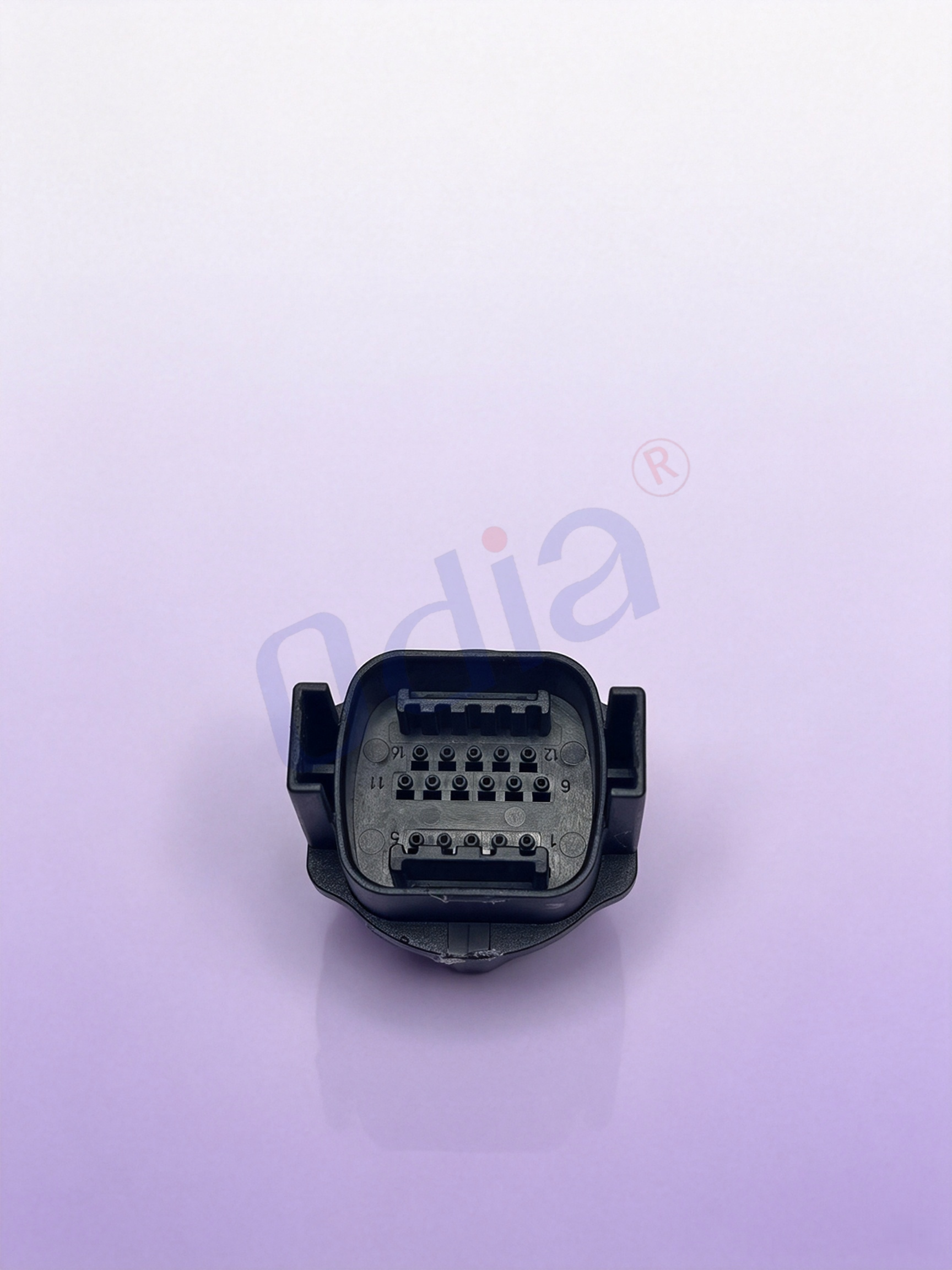


 EN