 ×
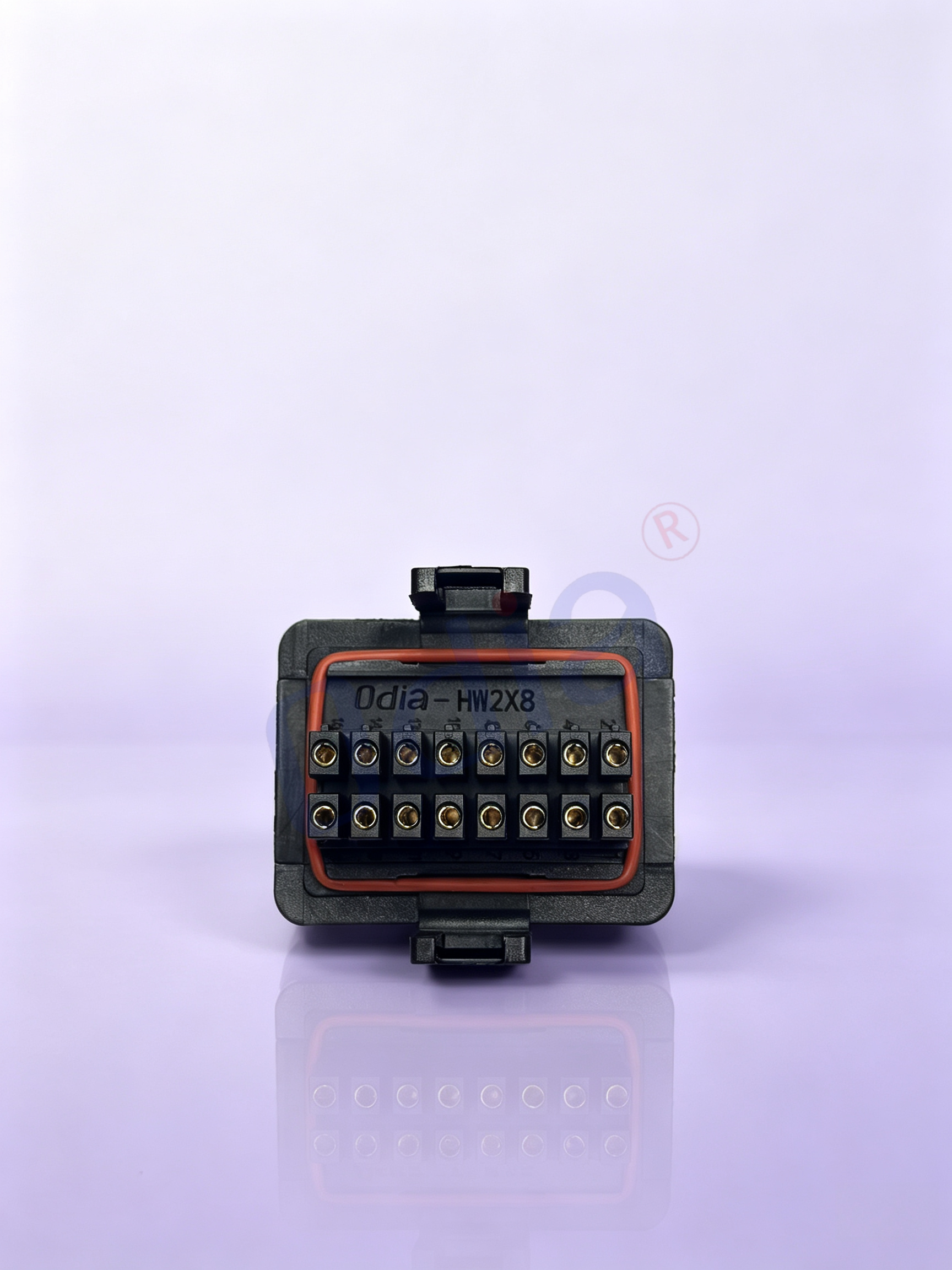
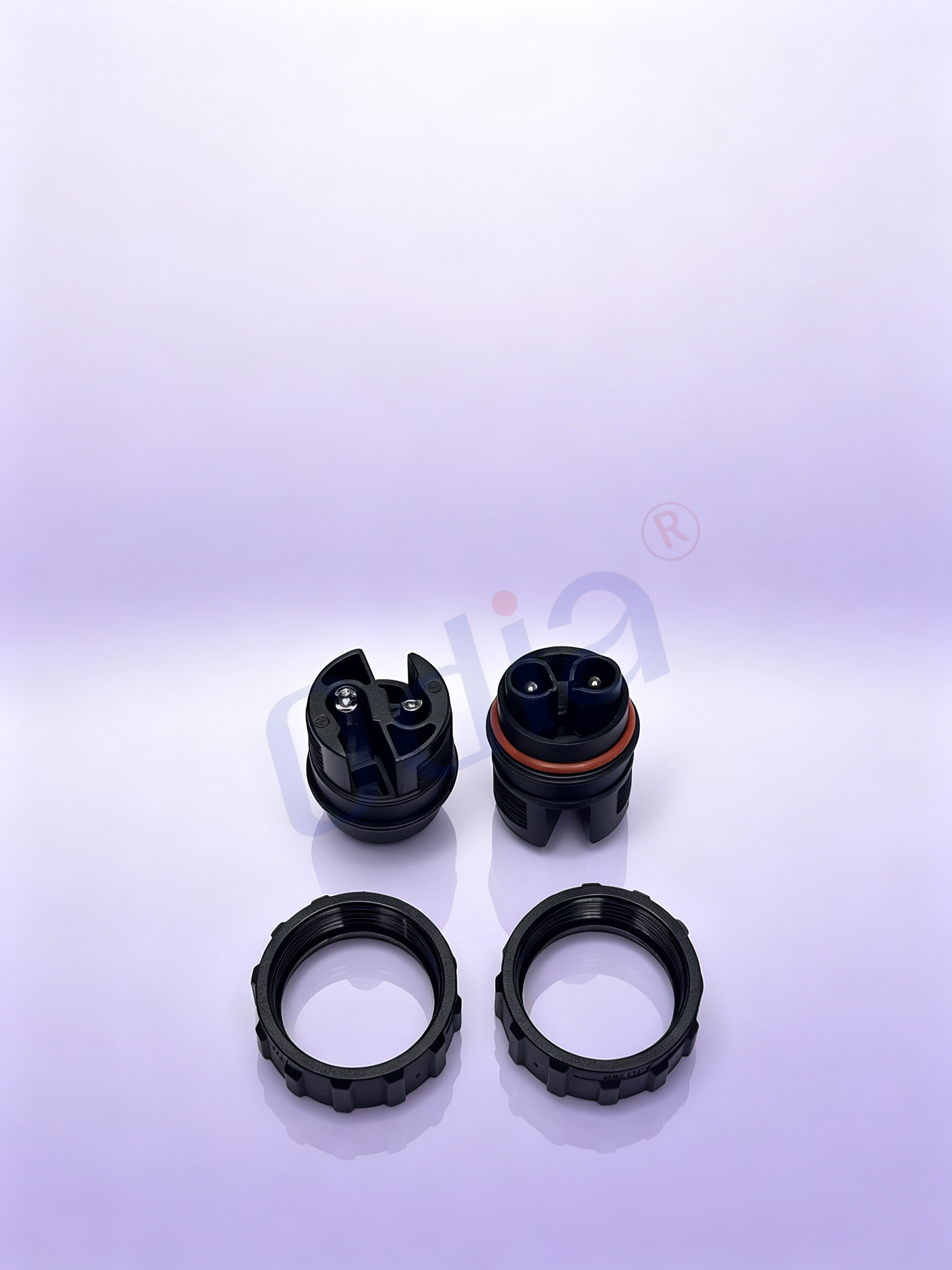
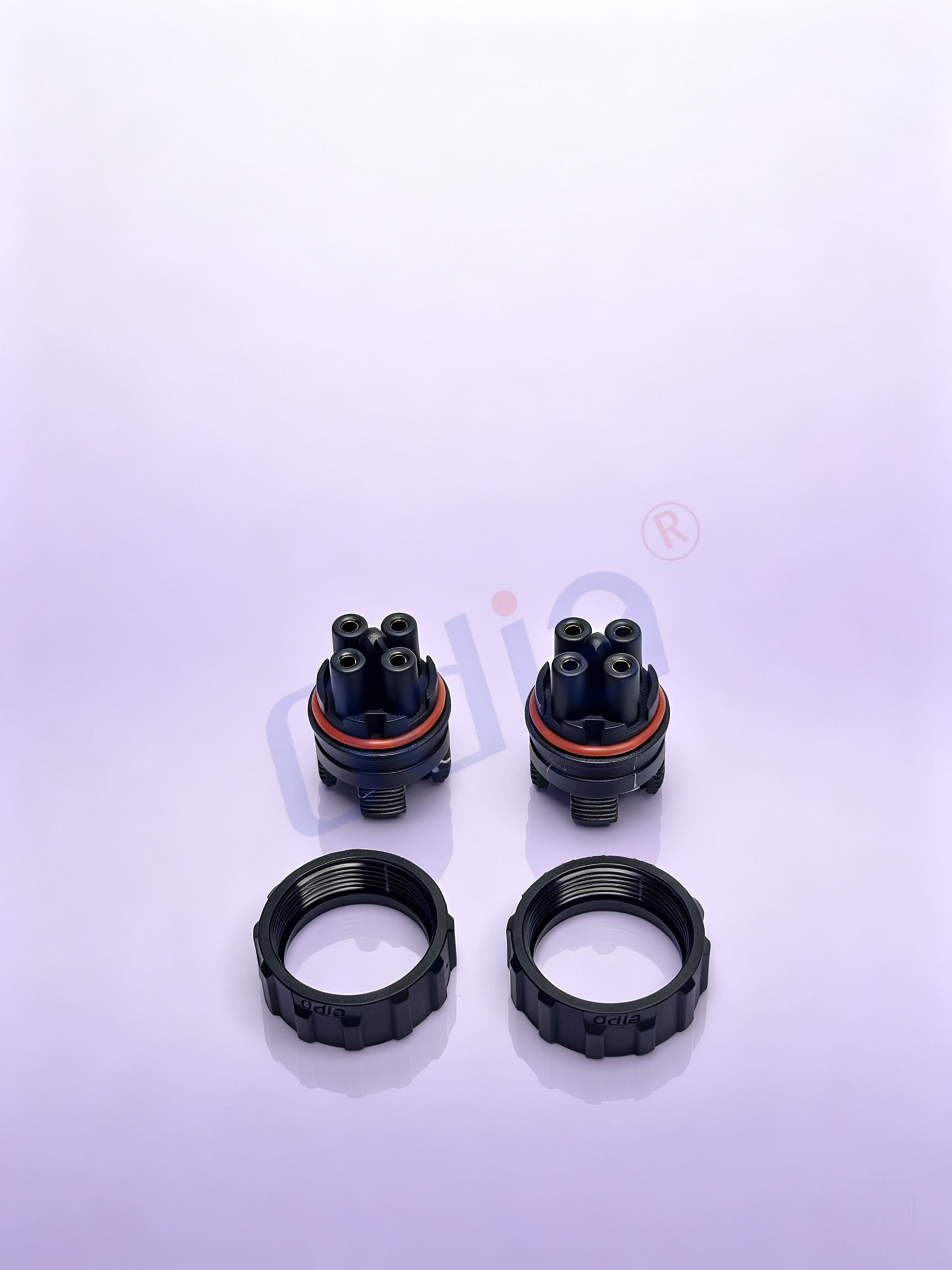
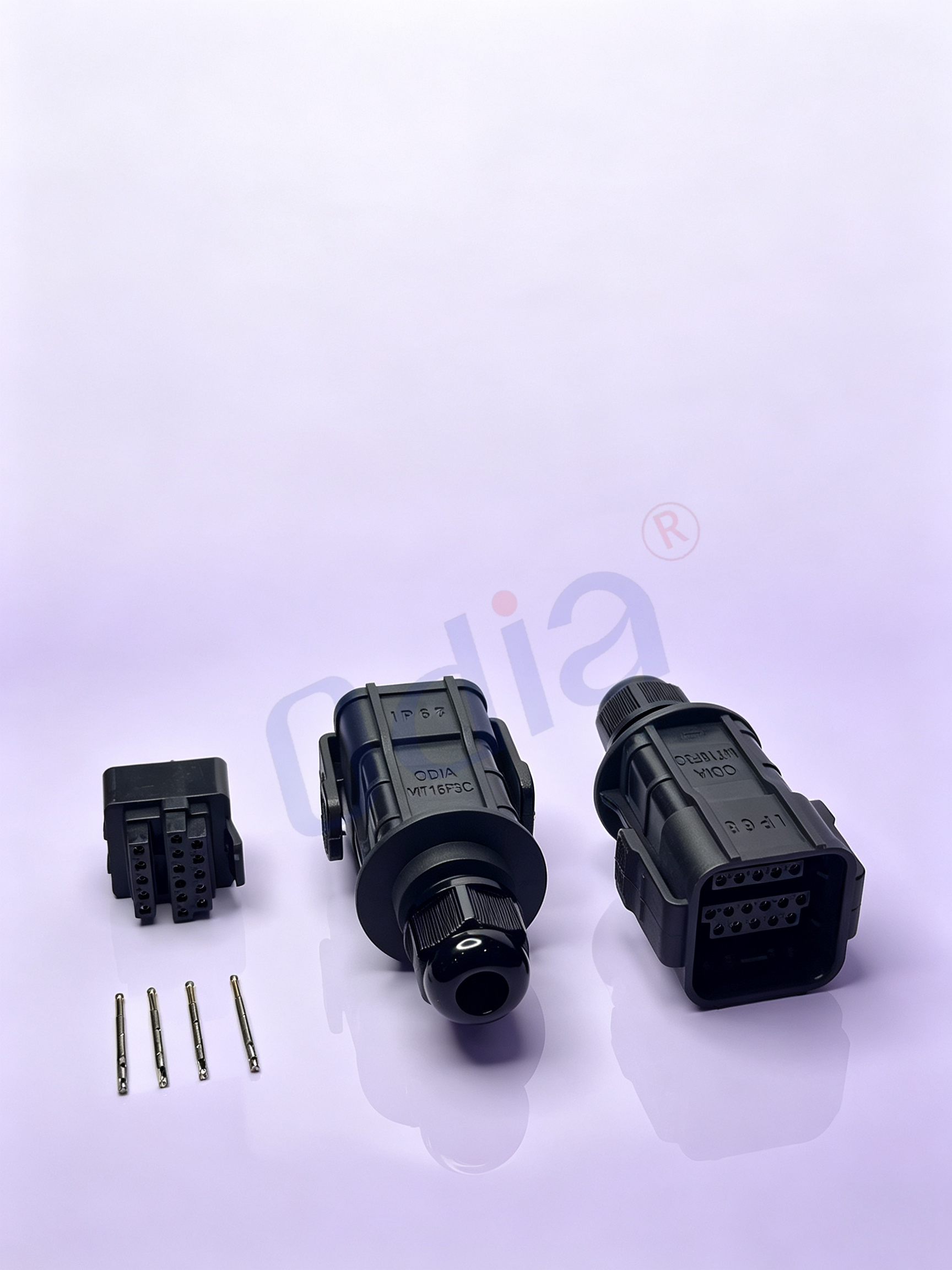
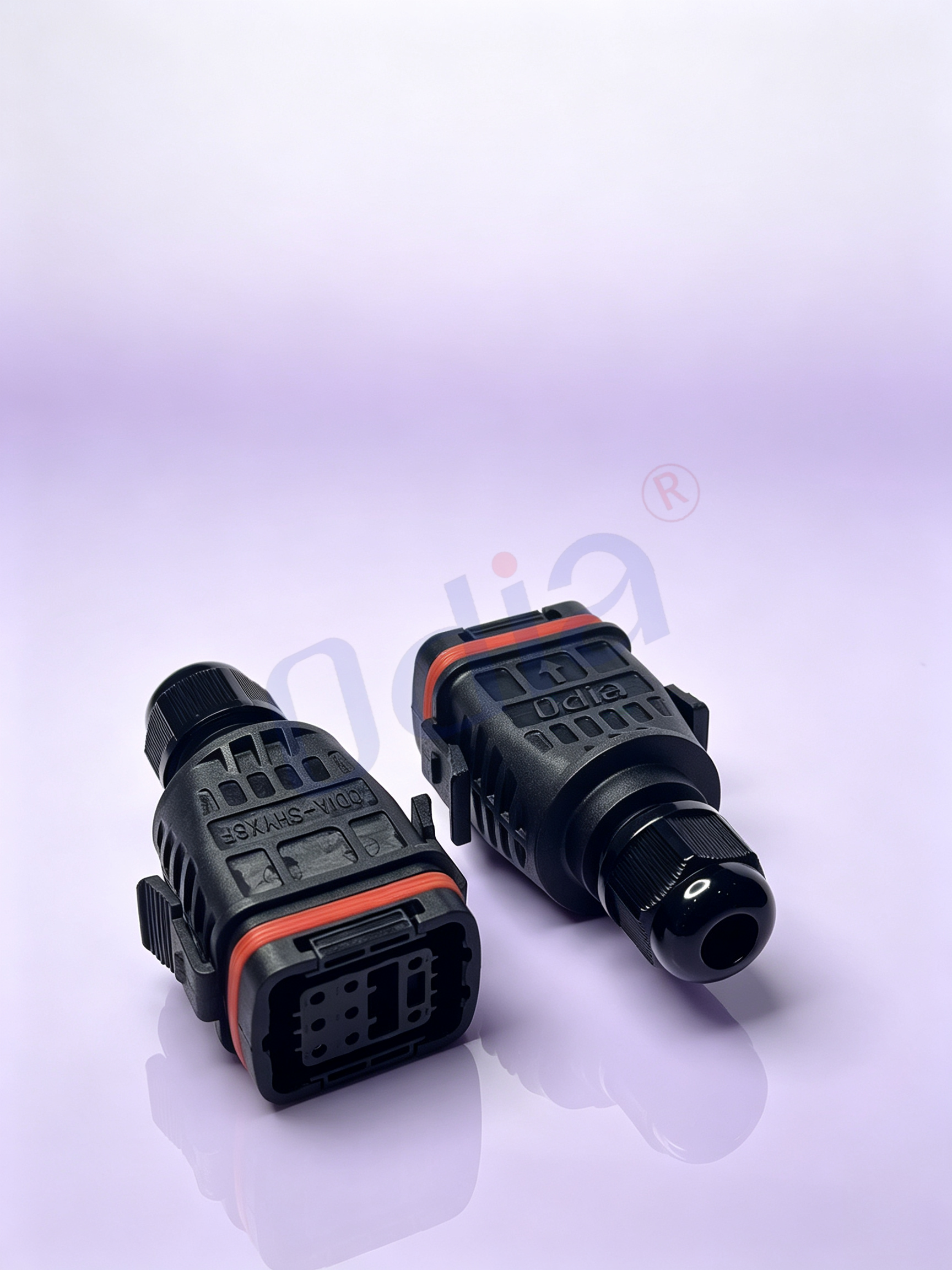
A Push In Wire Connector is more than a convenience feature; it is a system-level decision that affects assembly cost, field serviceability and long-term reliability. In traditional screw-terminal wiring, contact quality depends on operator torque, which varies between individuals and shifts over time due to thermal cycling and vibration. The Push In Wire Connector replaces this variable with a precisely formed stainless steel spring that stores elastic energy and presses the conductor against a plated copper alloy busbar. The result is a gas-tight, low-resistance joint that remains stable for the life of the equipment. For design engineers, the key selection parameters are rated voltage and current, wire cross-section range, pitch, pole count, insulation material and flammability rating. For procurement teams, the decisive factors are supplier consistency, certification coverage, lead time and the ability to customize. Guangdong Odia Electronics Co., Ltd. addresses both perspectives by combining certified manufacturing with flexible engineering support, so that every Push In Wire Connector shipment meets the same specification regardless of order size or destination market.

18
Aug
11
Sep
14
Sep
25
Sep


 EN