 ×
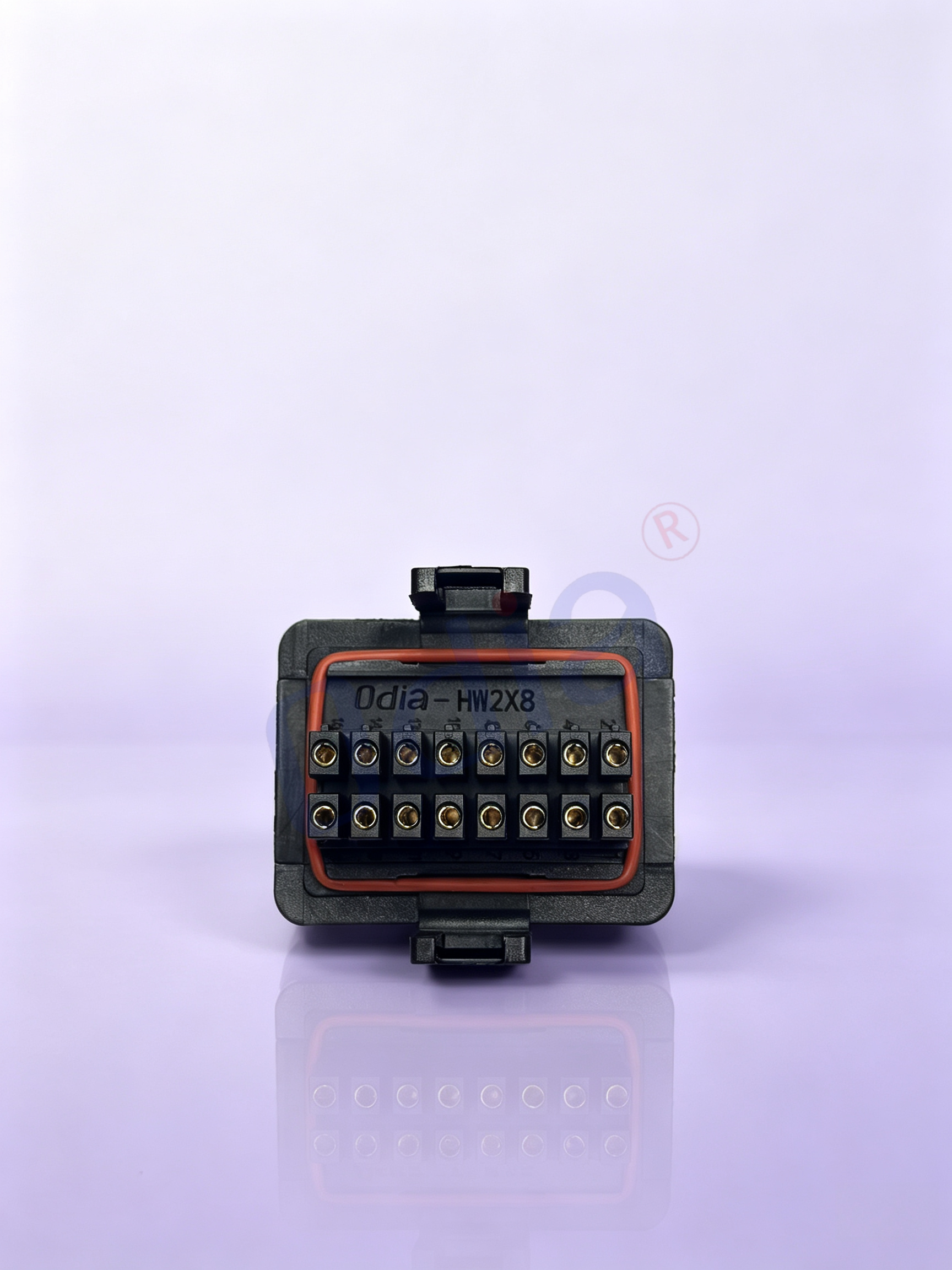
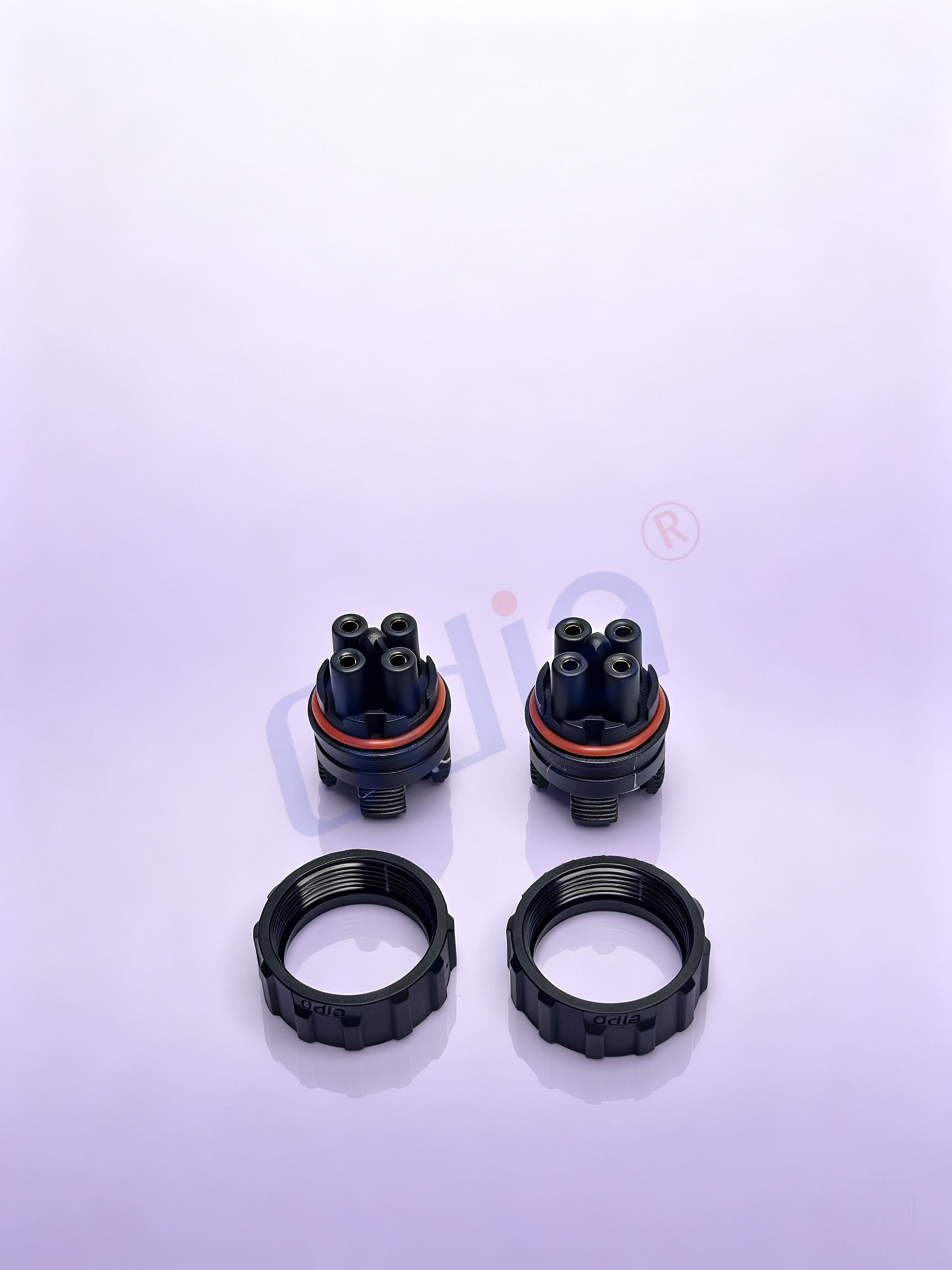
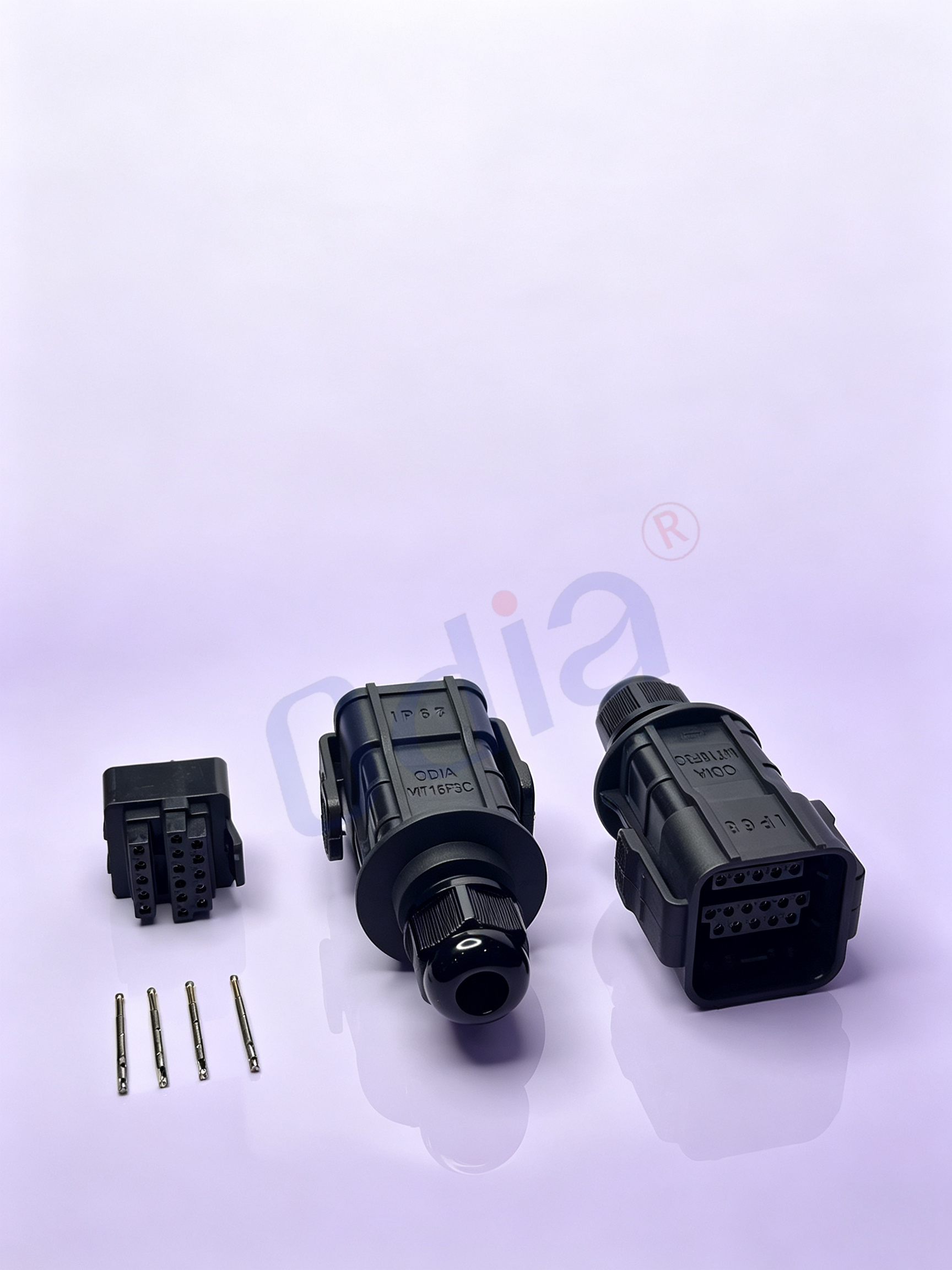
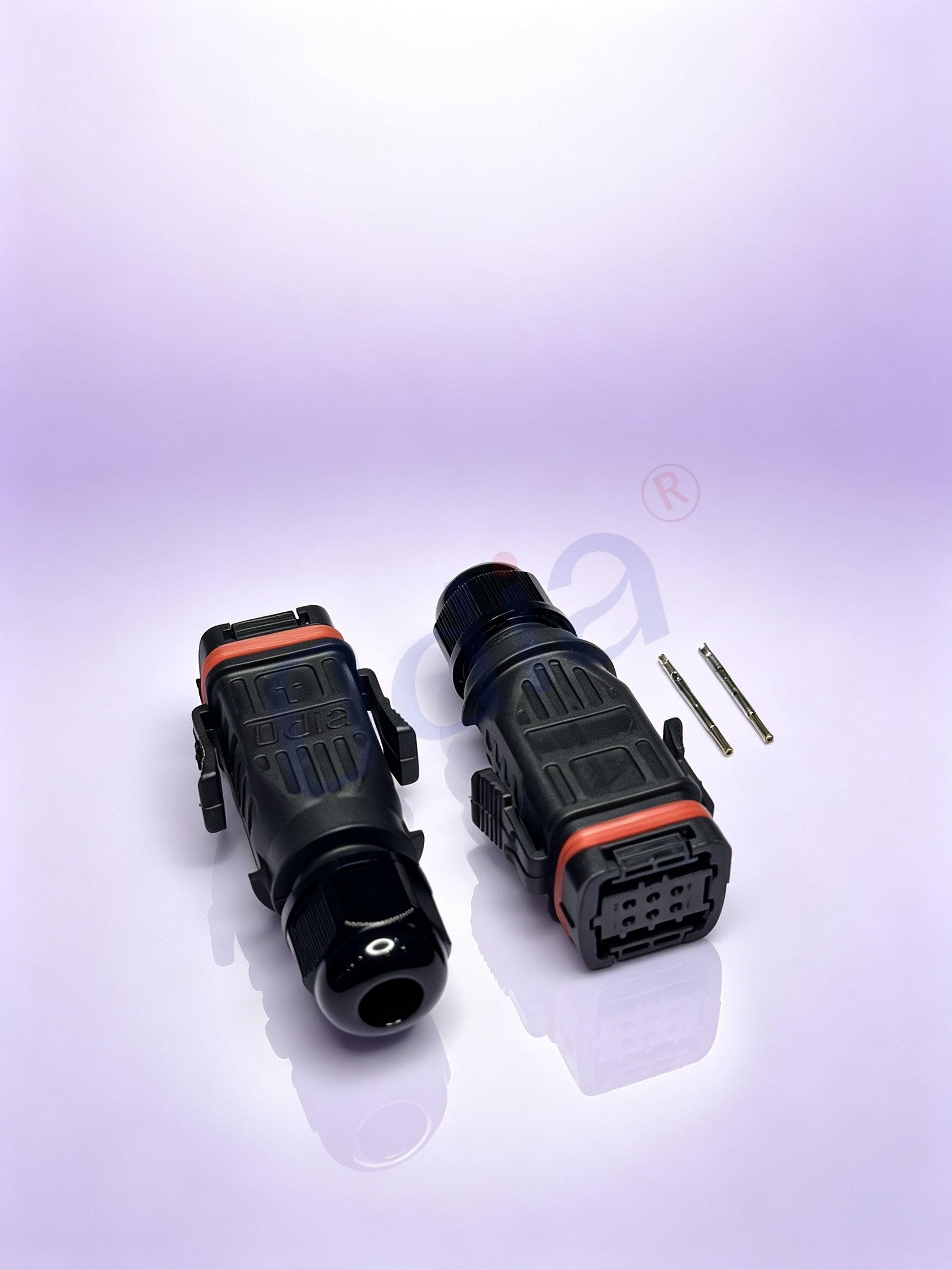
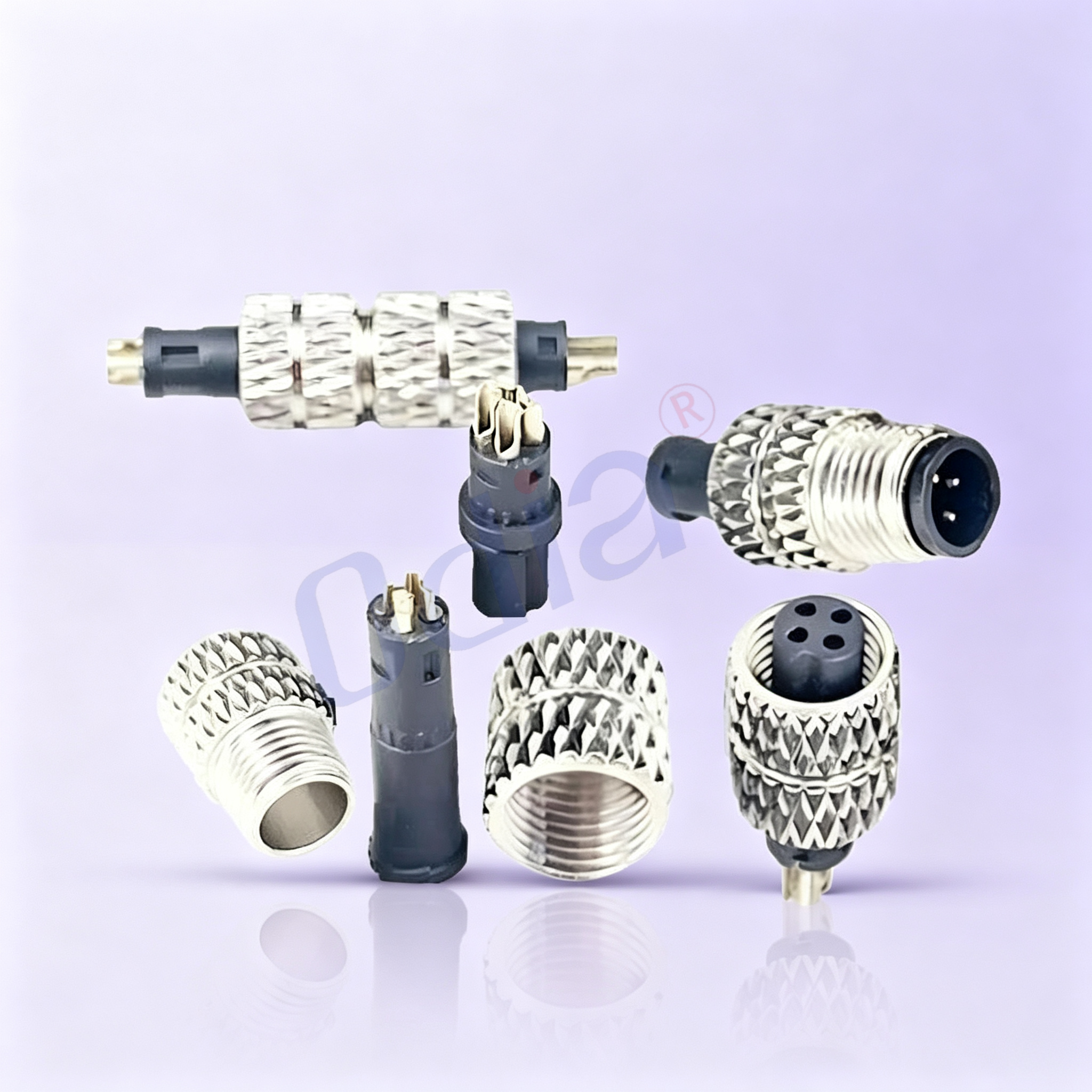
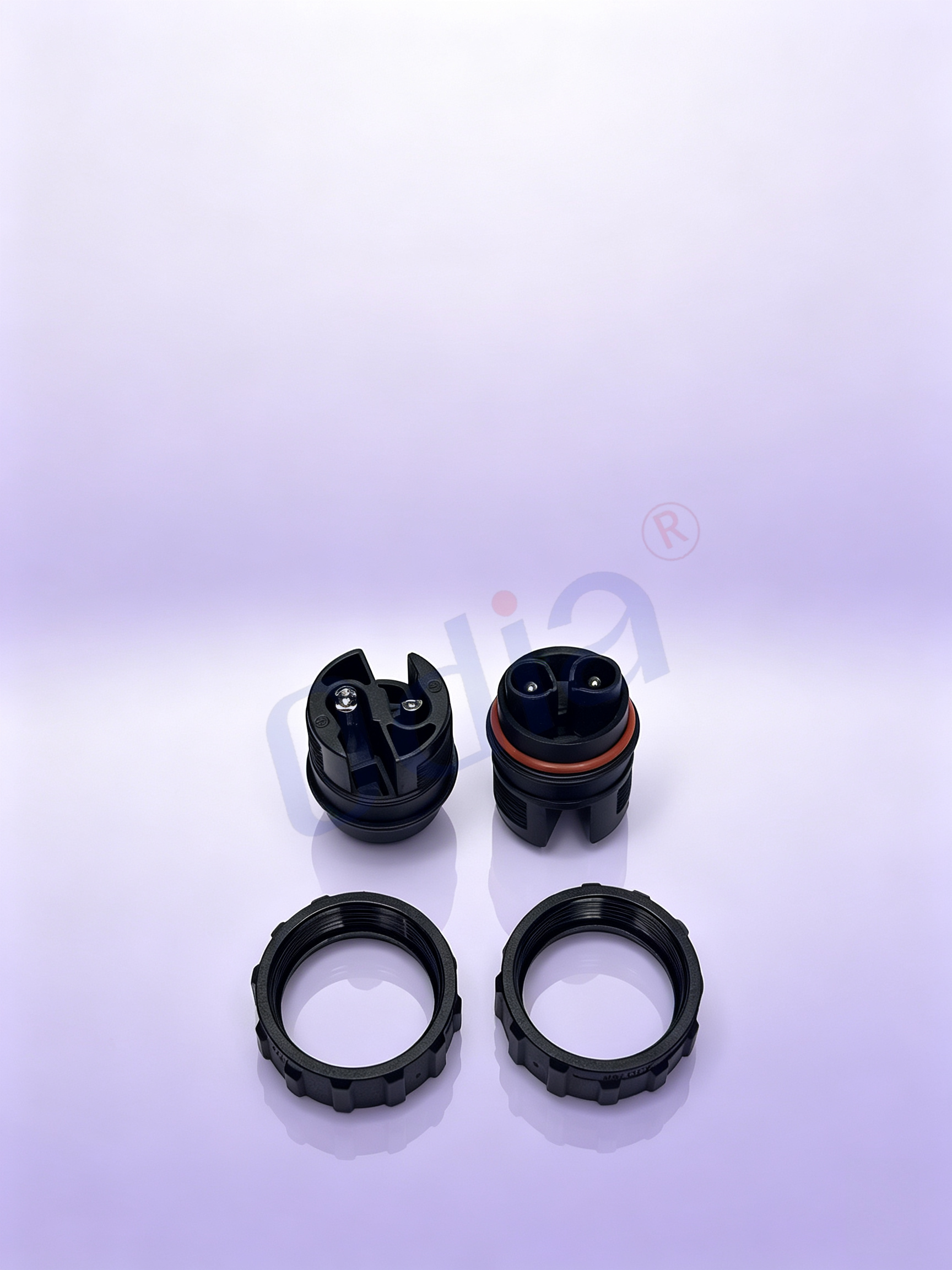
Selecting electrical wire connectors types is a system decision, not a catalog lookup. Start with electrical requirements: current per contact, working voltage, and signal type determine contact size, plating, and insulation spacing. Next, define the environment, including temperature range, vibration, moisture, chemicals, and UV exposure, because these factors decide sealing class, housing material, and locking mechanism. Mechanical constraints follow: available PCB area, mating direction, blind-mate tolerance, and assembly method influence pitch, height, and termination style such as crimp, solder, or insulation displacement. Finally, consider lifecycle factors like mating cycles, field serviceability, and total cost of ownership. A connector that is over-specified raises cost, while one that is under-specified invites intermittent faults that are expensive to diagnose. For international programs, confirm compliance expectations early, including material declarations and traceability, so qualification does not stall late in the project.
18
Aug
21
Sep
11
Sep
25
Sep


 EN