 ×
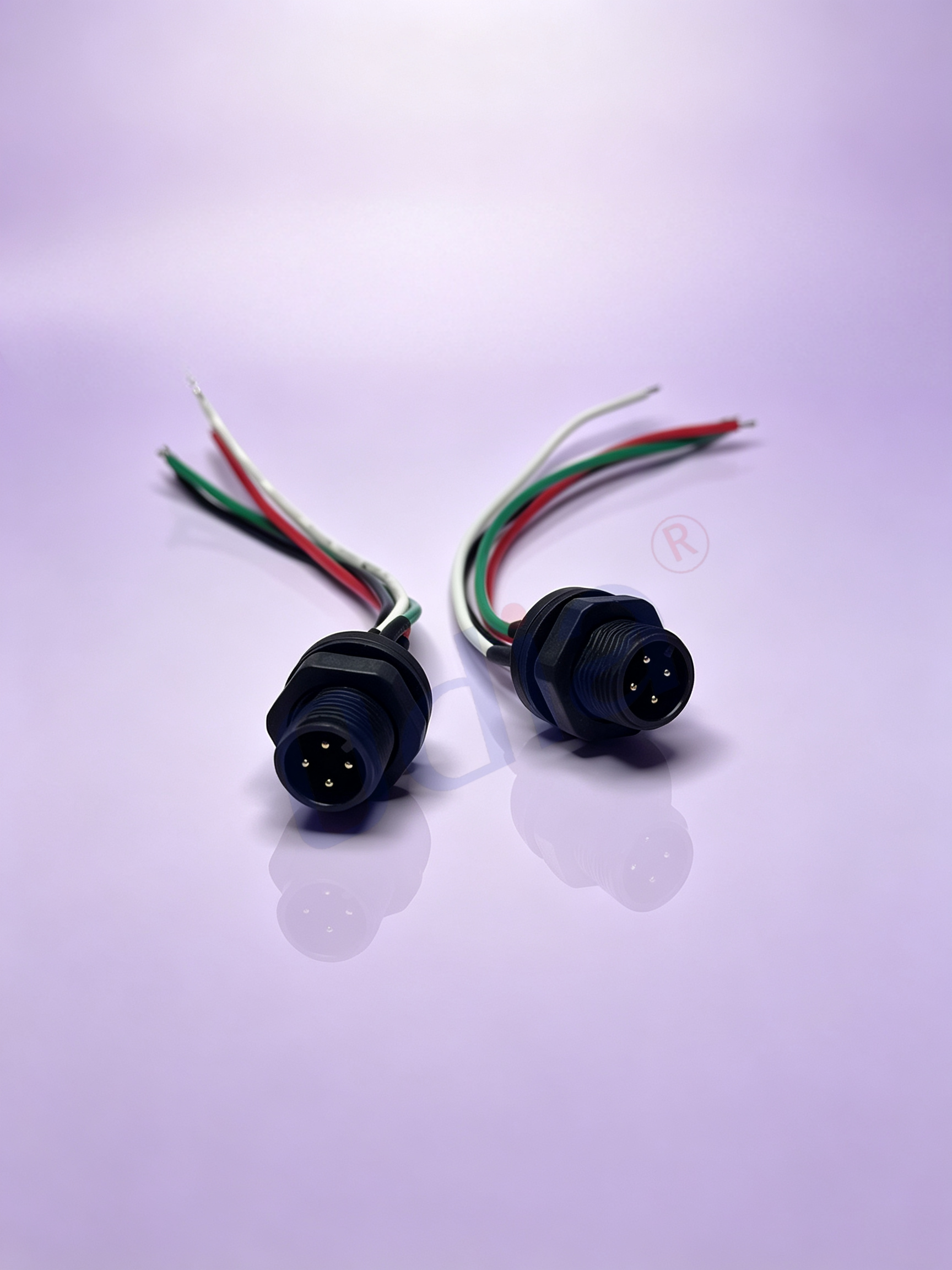
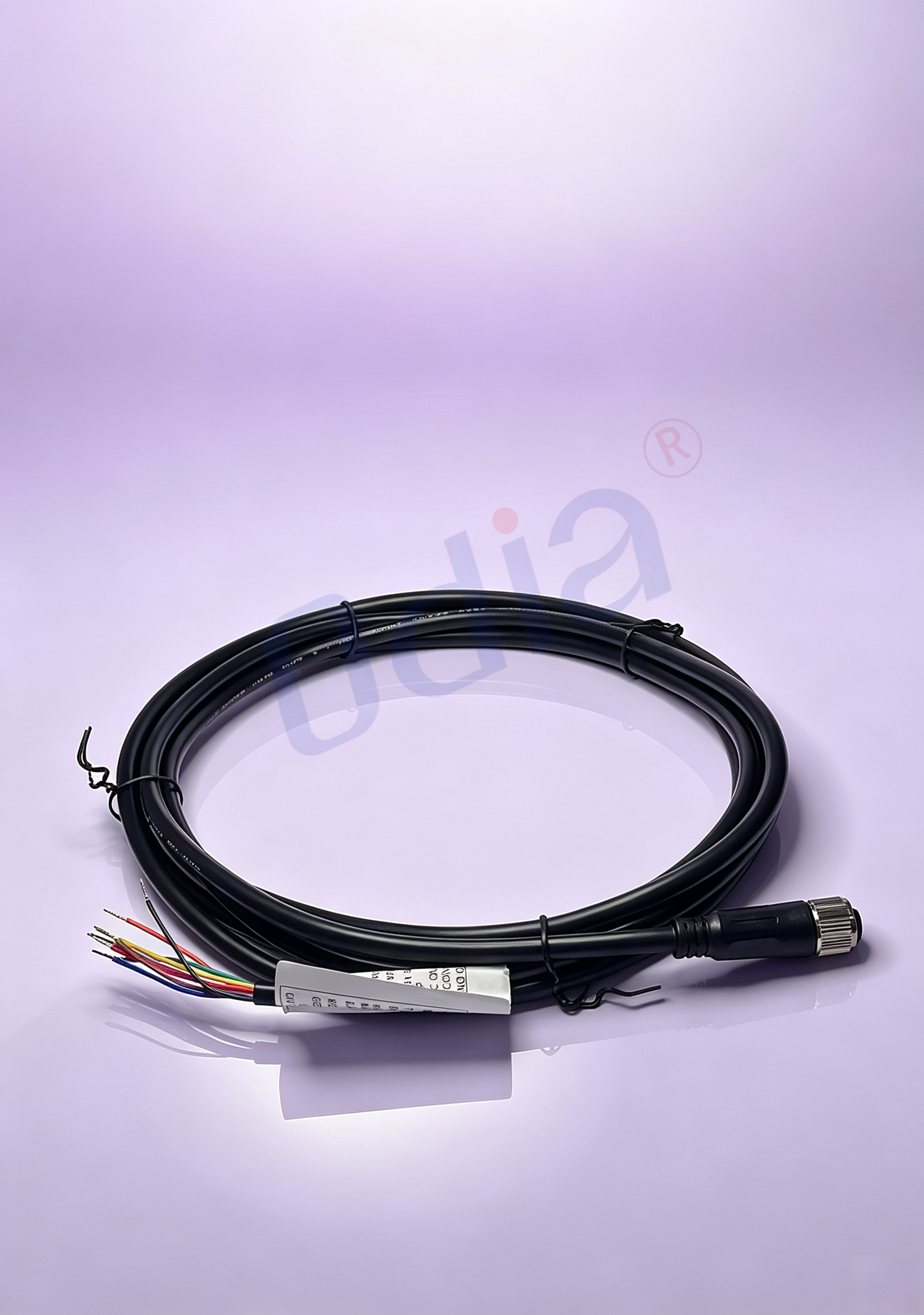
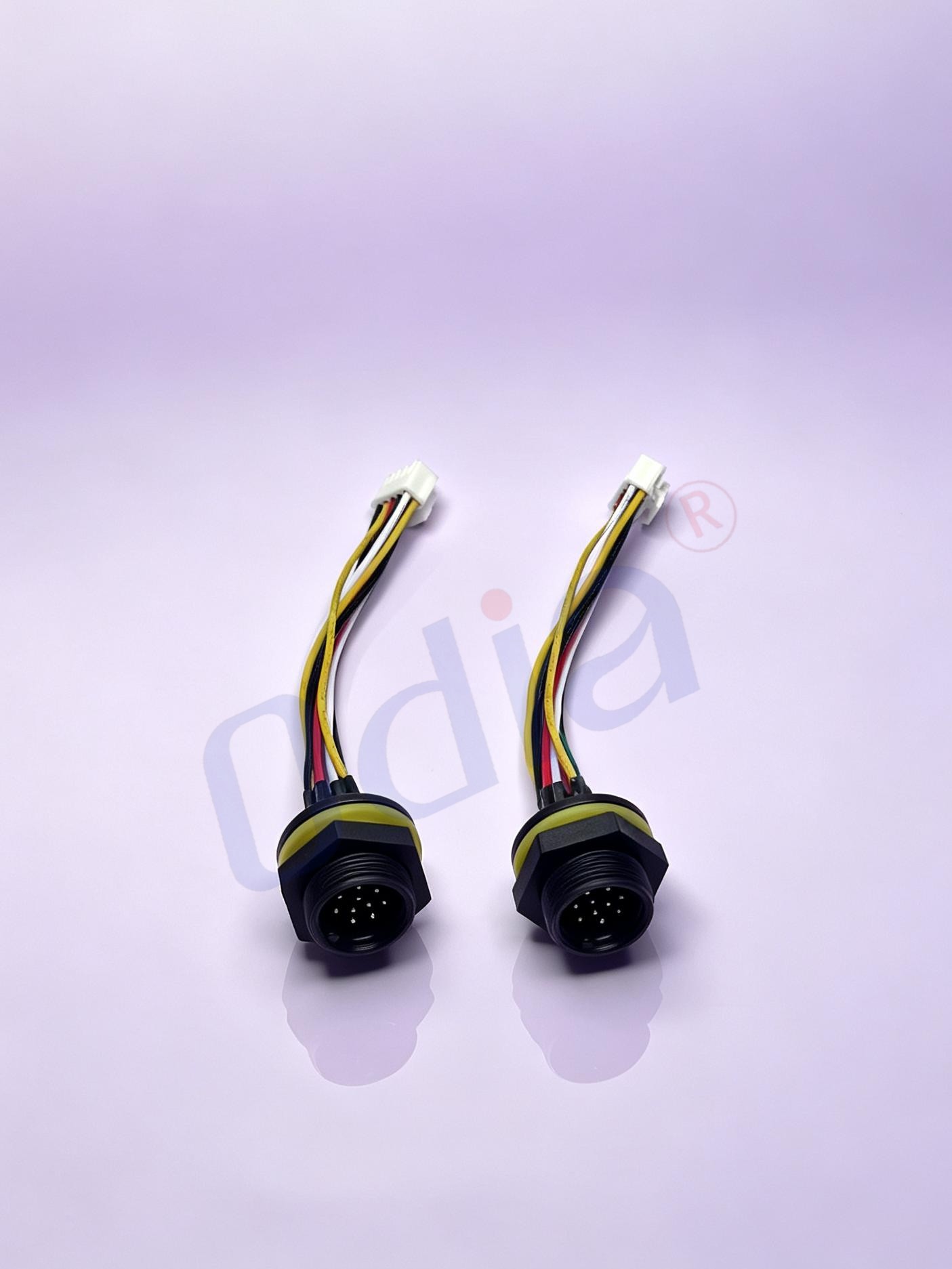
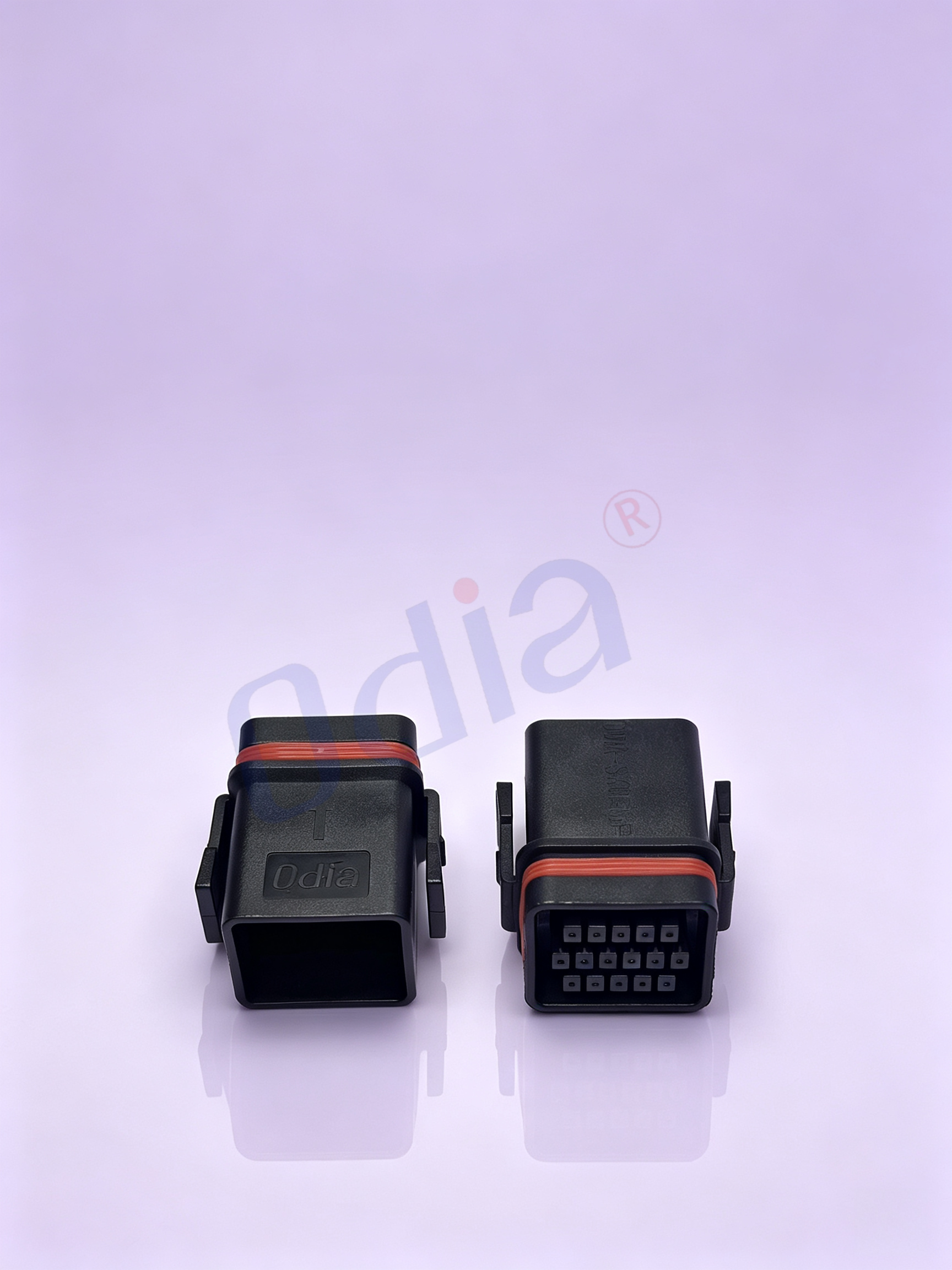
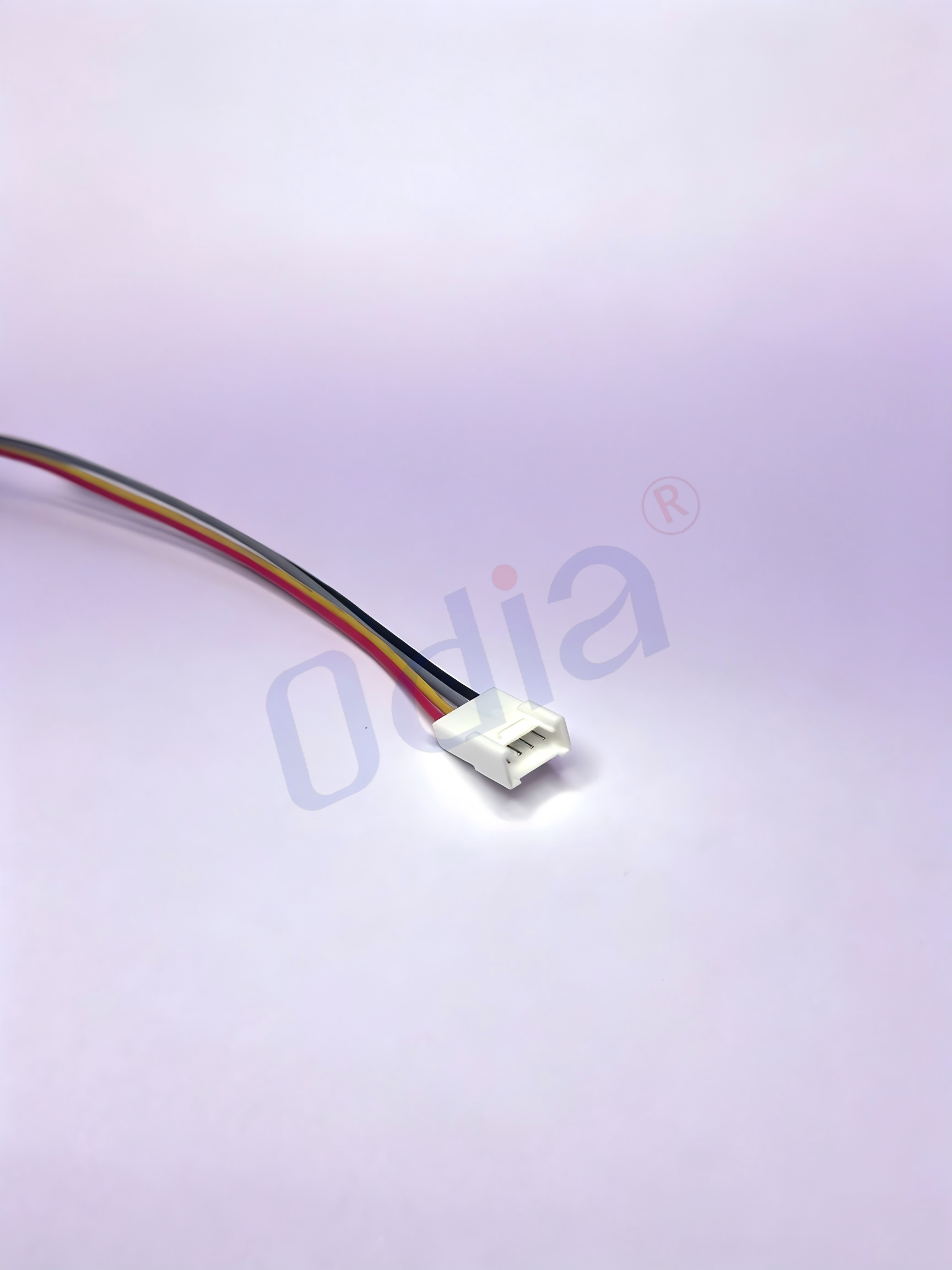
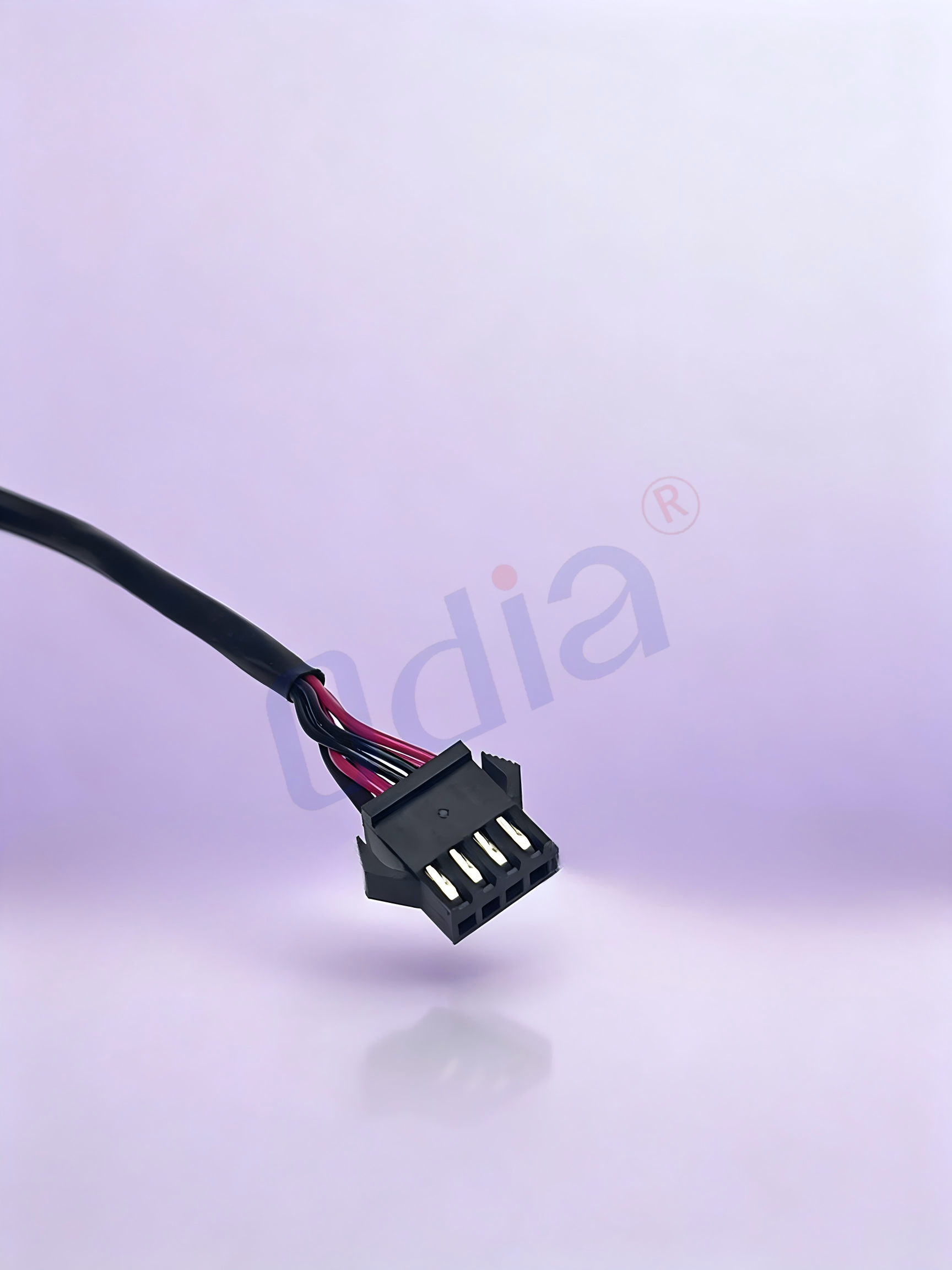
A wire splicing connector is a critical link in any electrical system, and its quality determines whether a circuit performs reliably over years of operation. Splicing creates a permanent or separable joint between two or more conductors, which means the connection must control contact resistance, resist mechanical pull, and prevent moisture ingress. In practice, engineers evaluate three factors: conductor material and plating, sealing grade, and mechanical retention. Copper alloy terminals with controlled plating keep resistance low; silicone seals and sealed housings protect against water and dust; strain relief and locking features prevent loosening under vibration. For international buyers, traceability and consistency matter as much as the design itself, so we apply standardized inspection procedures to every production lot and document electrical and dimensional test results. This approach supports applications such as solar inverters, energy storage racks, rail signaling, and data center power distribution, where a single faulty splice can cause system downtime. Selecting the right wire splicing connector therefore starts with understanding the operating environment and ends with a supplier who can validate performance through testing and repeatable manufacturing.
18
Aug
21
Sep
21
Sep
25
Sep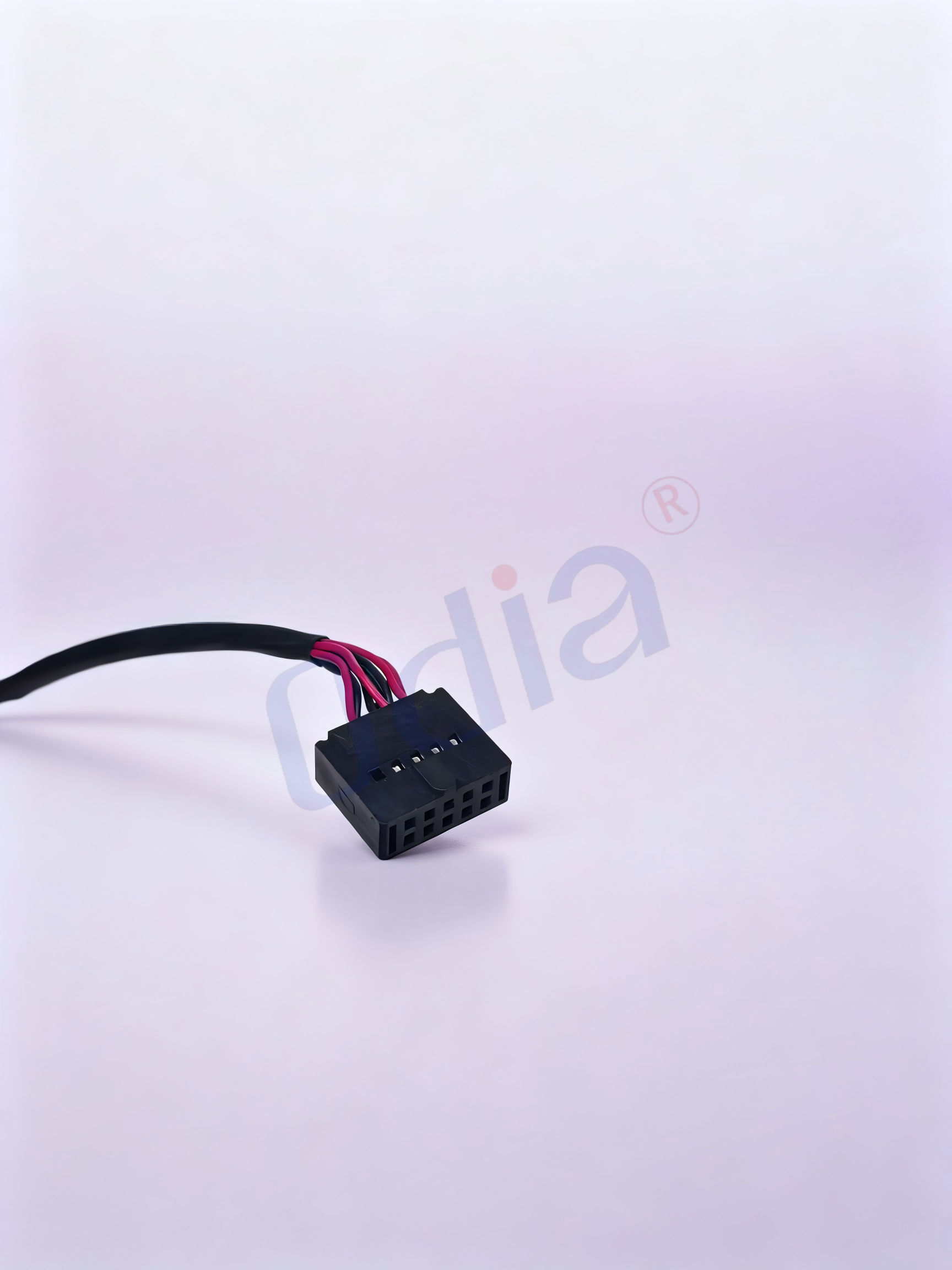


 EN