 ×
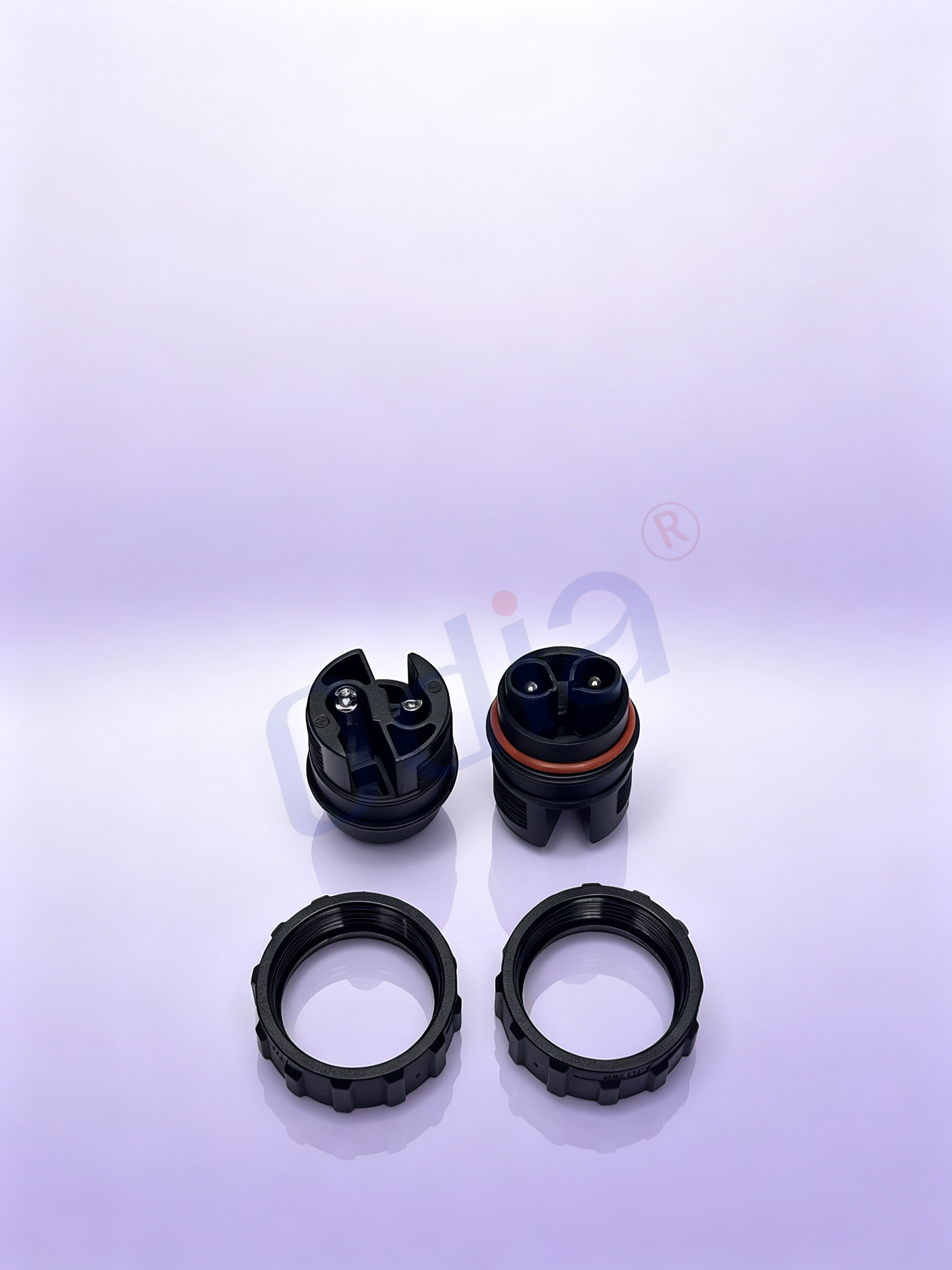
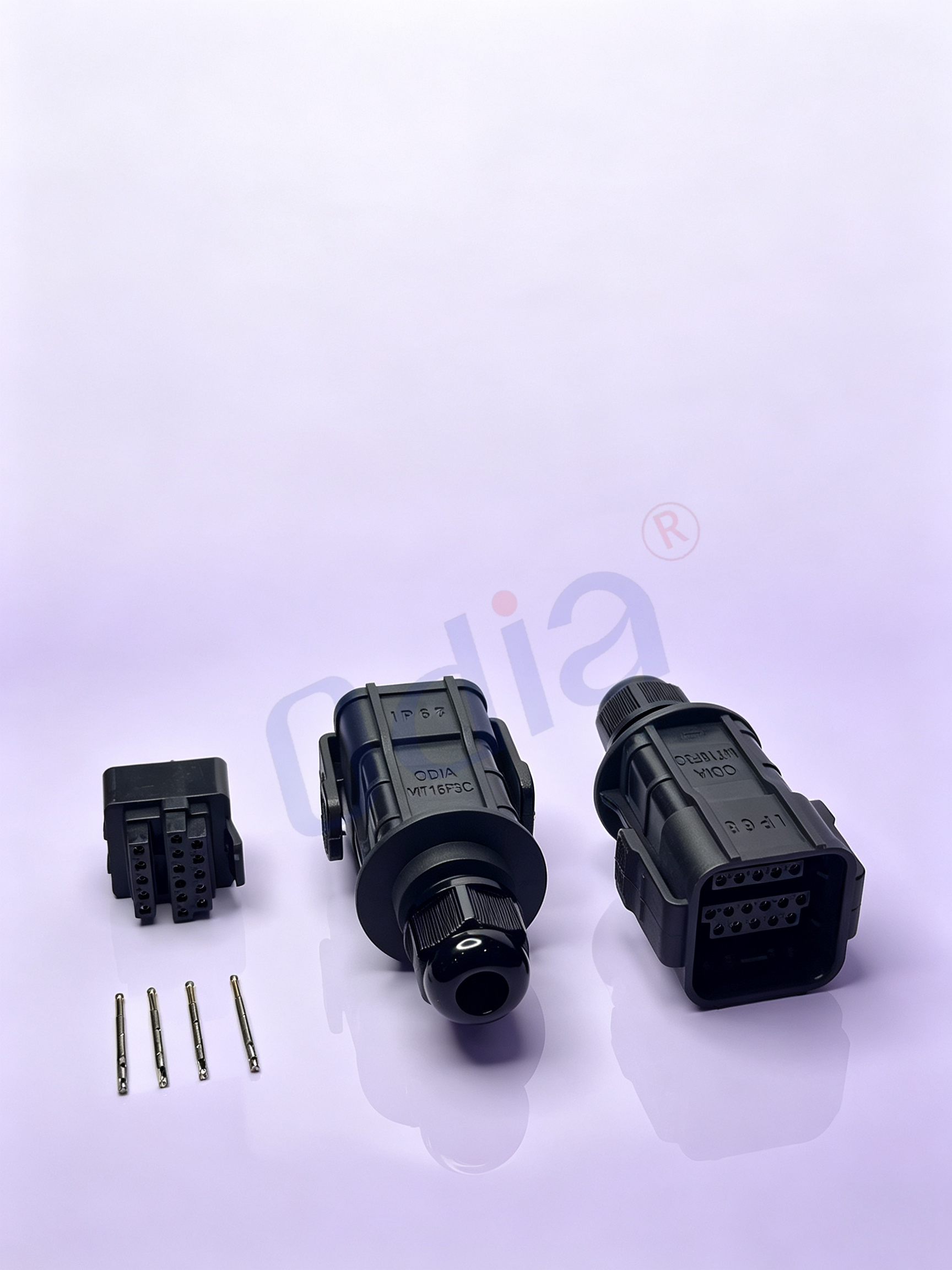
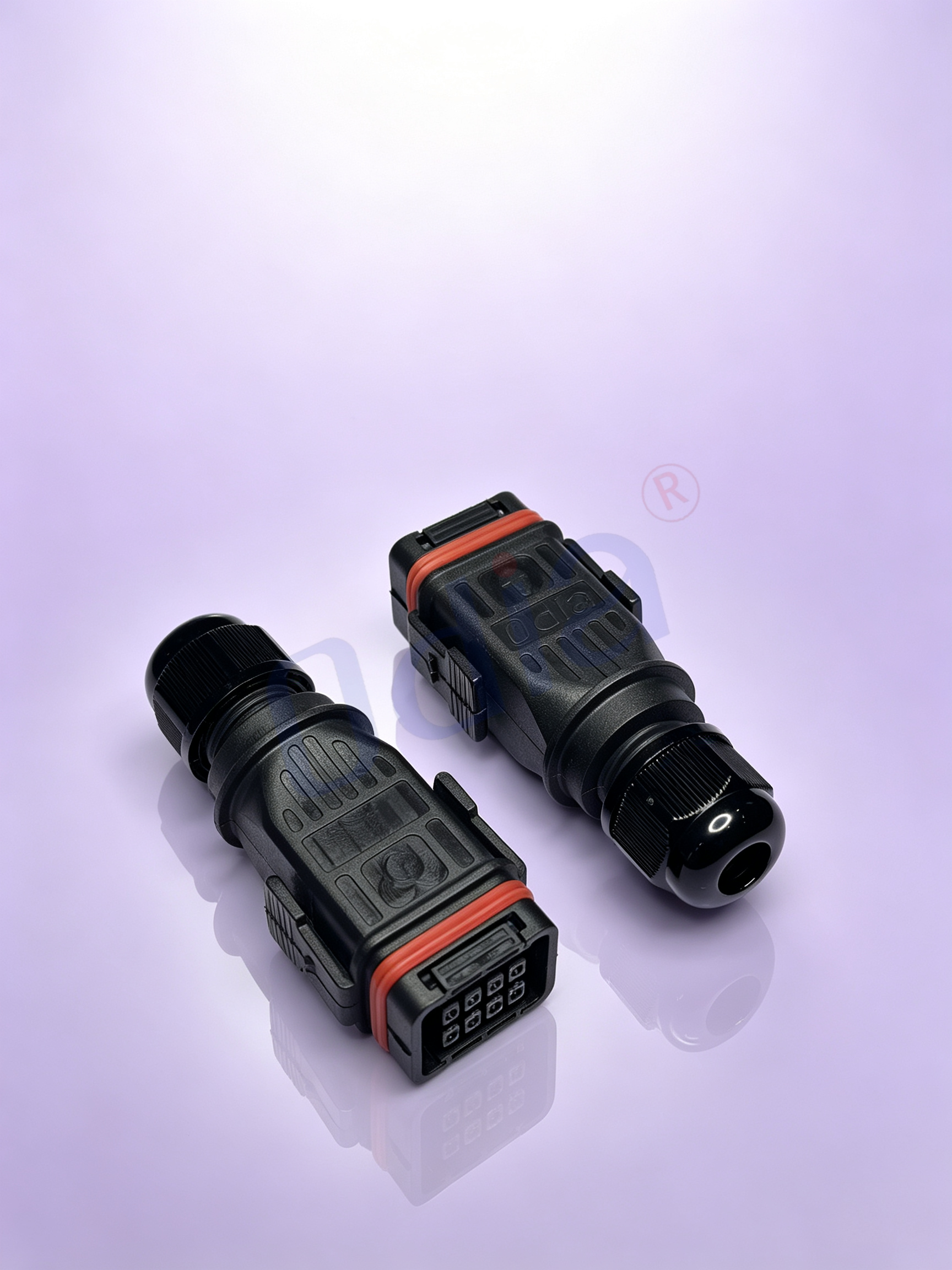
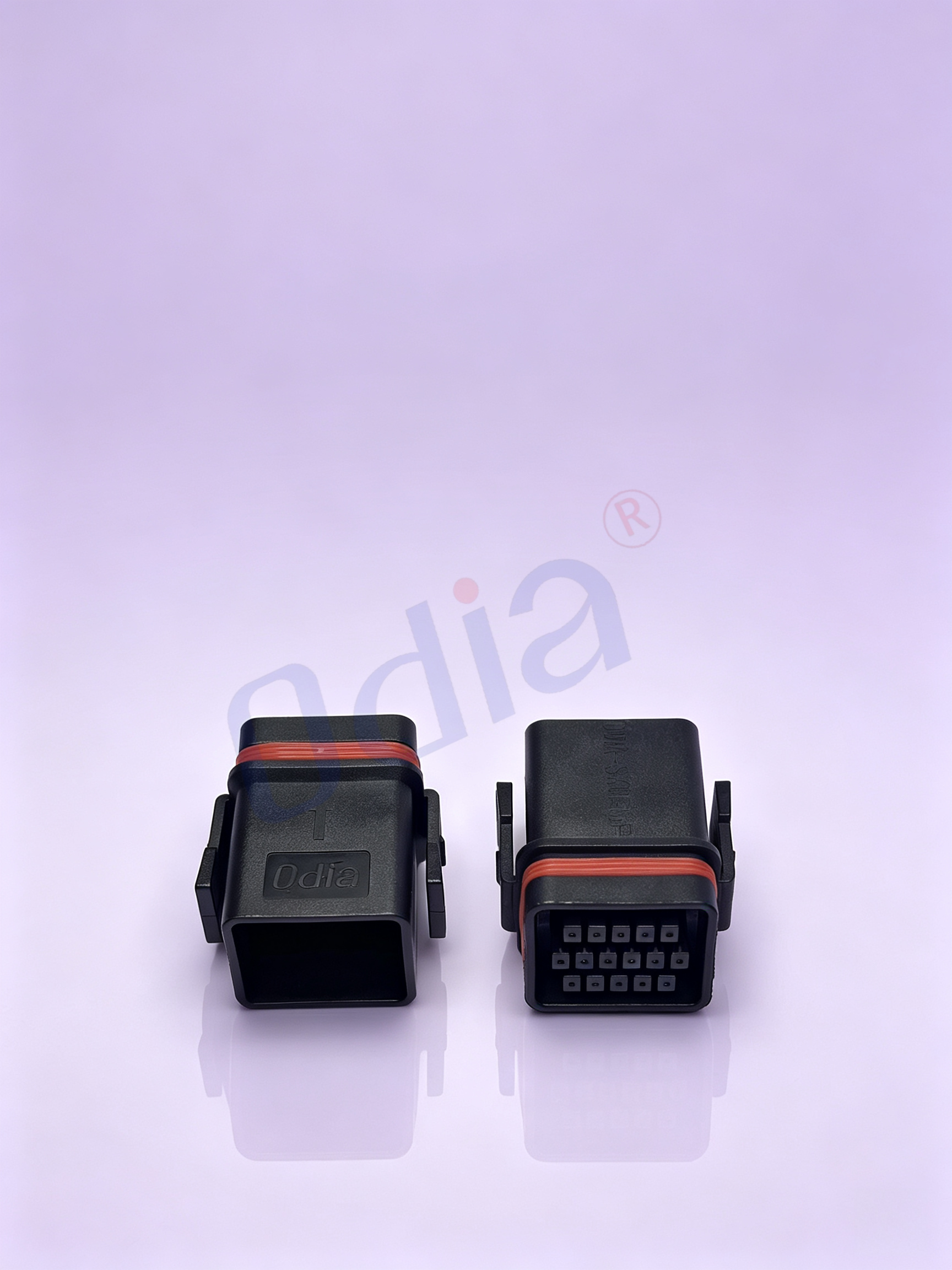
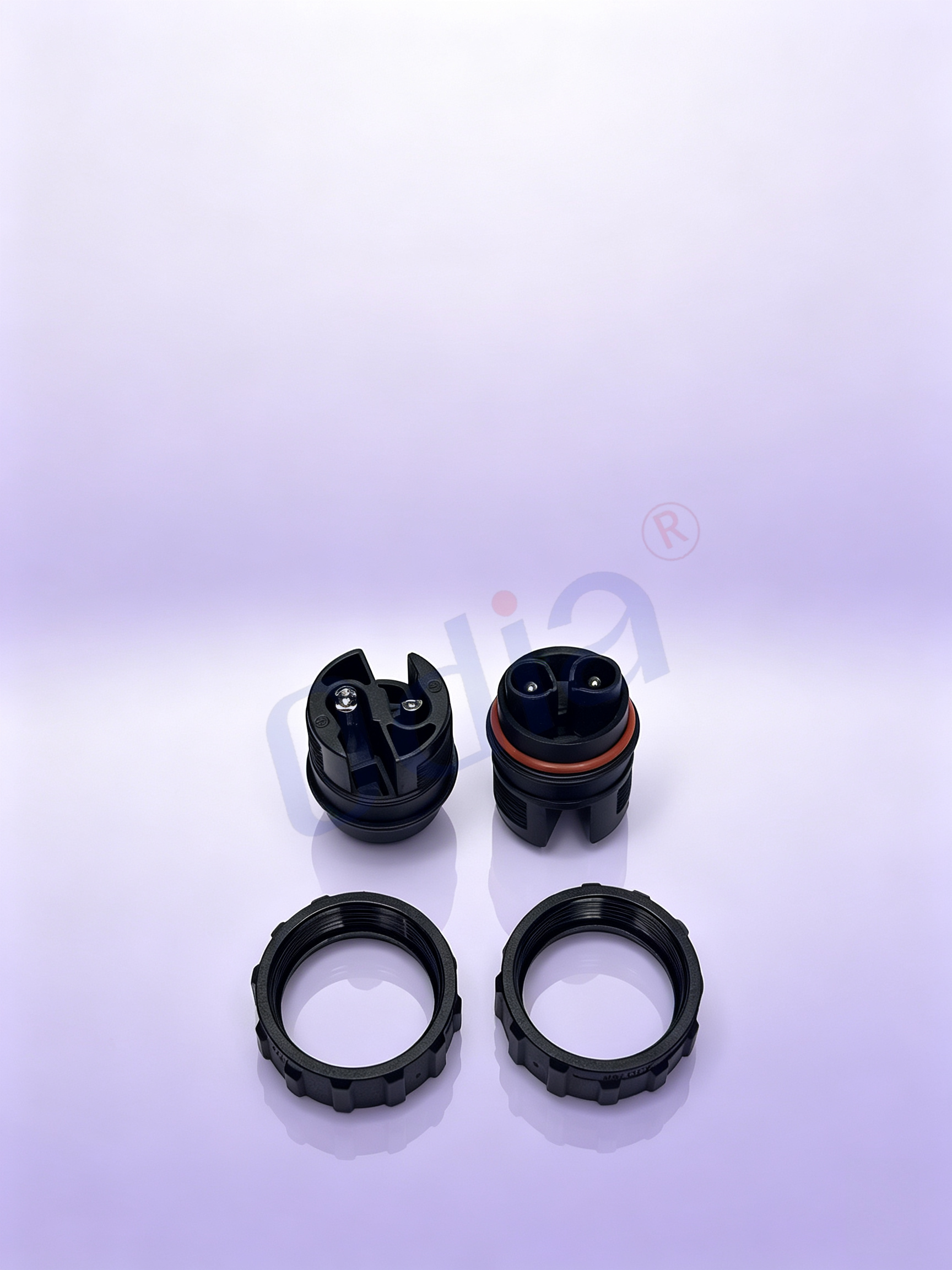
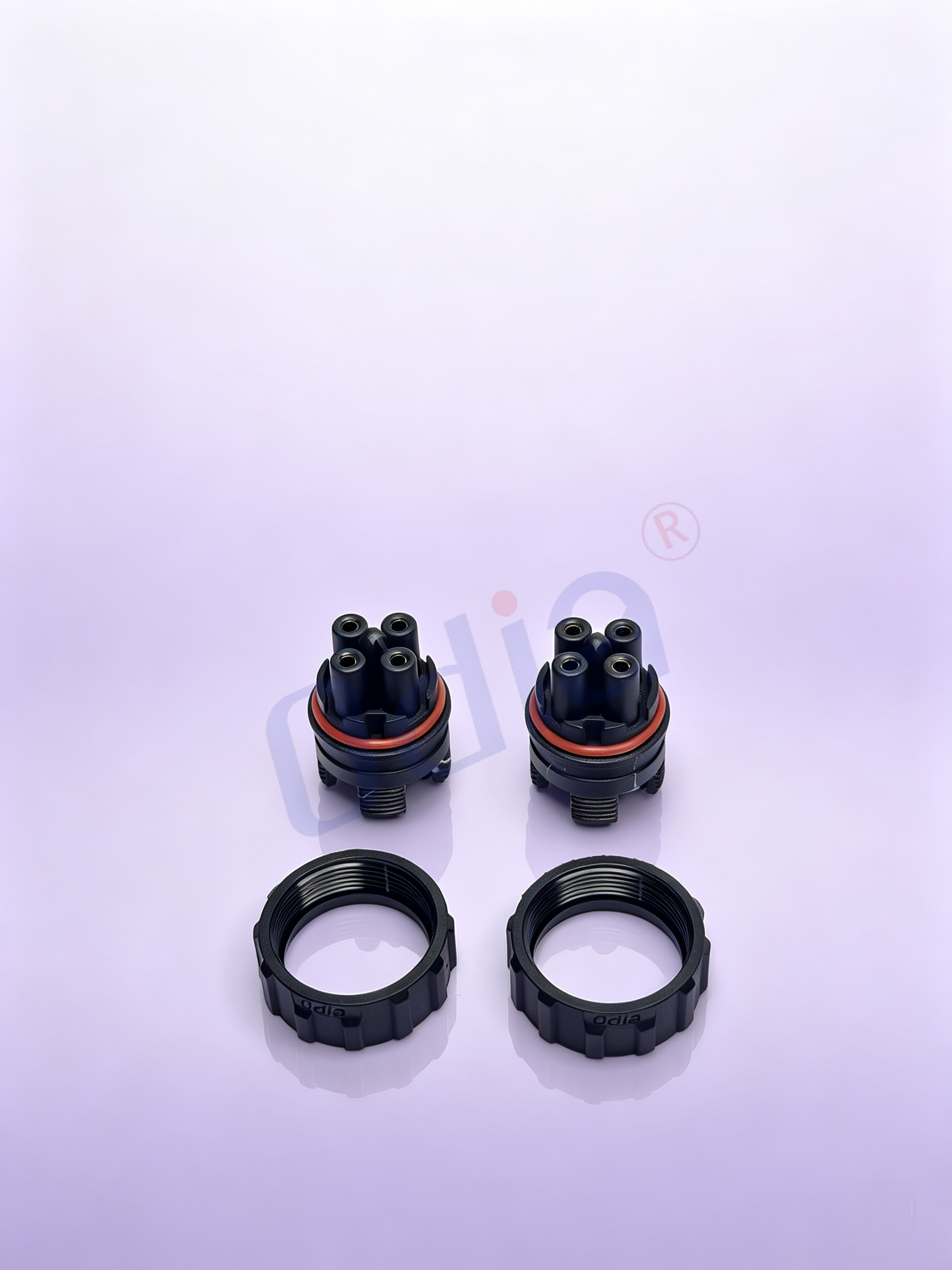
A waterproof electrical wire connector is more than a sealed plug; it is a system-level safeguard for electrical continuity in wet, dusty or vibrating environments. Engineers evaluating a waterproof electrical wire connector should consider ingress protection rating, current and voltage ratings, contact material, sealing method, cable retention and temperature range. Mechanical sealing typically relies on silicone gaskets, O-rings or overmolded interfaces that block liquid ingress, while electrical integrity depends on plated contacts that resist oxidation and maintain low resistance over time. In practice, the reliability of a waterproof electrical wire connector is determined by how well these two functions coexist under repeated mating cycles, thermal expansion and mechanical stress. For international projects, compliance with recognized testing practices and clear documentation often matter as much as the component itself, because specifiers must justify choices to safety, quality and procurement stakeholders. Guangdong Odia Electronics approaches each waterproof electrical wire connector as an engineered interface, aligning material selection, geometry and process control so that performance is repeatable across production lots. This disciplined method supports long service life in photovoltaic arrays, outdoor surveillance, rail transit and 5G infrastructure, where unplanned downtime is far more expensive than the connector itself.

18
Aug
18
Aug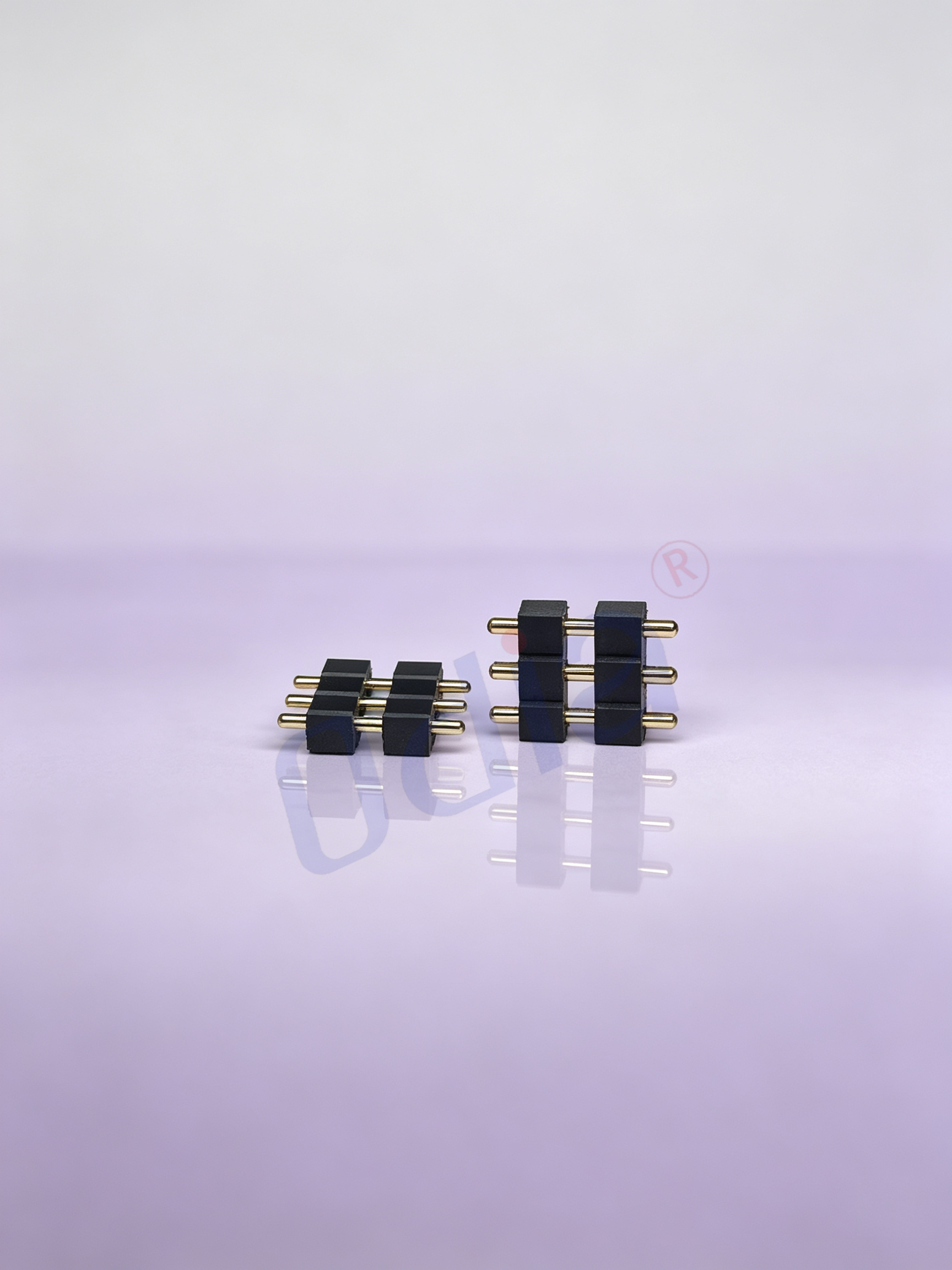
21
Sep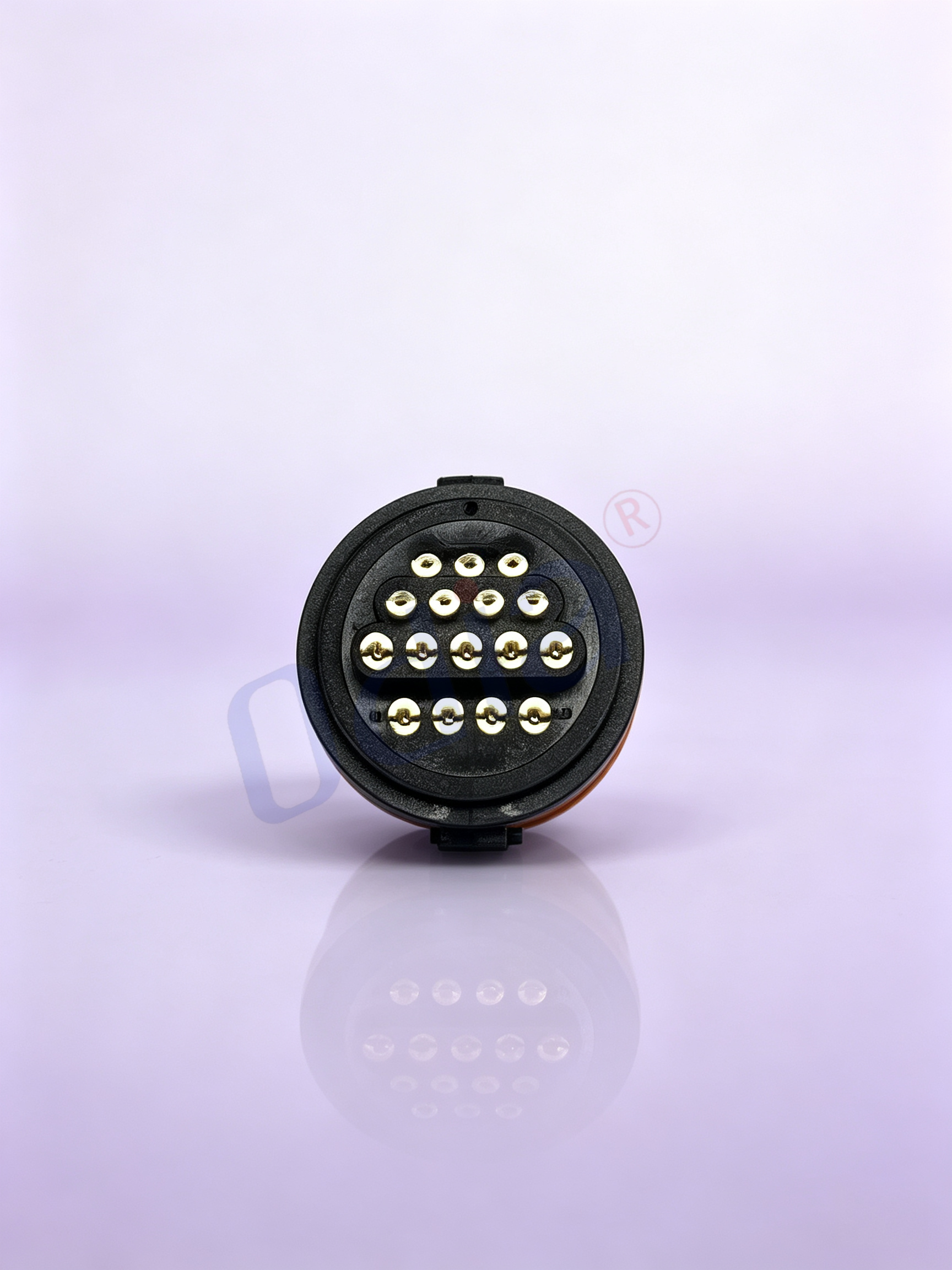
25
Sep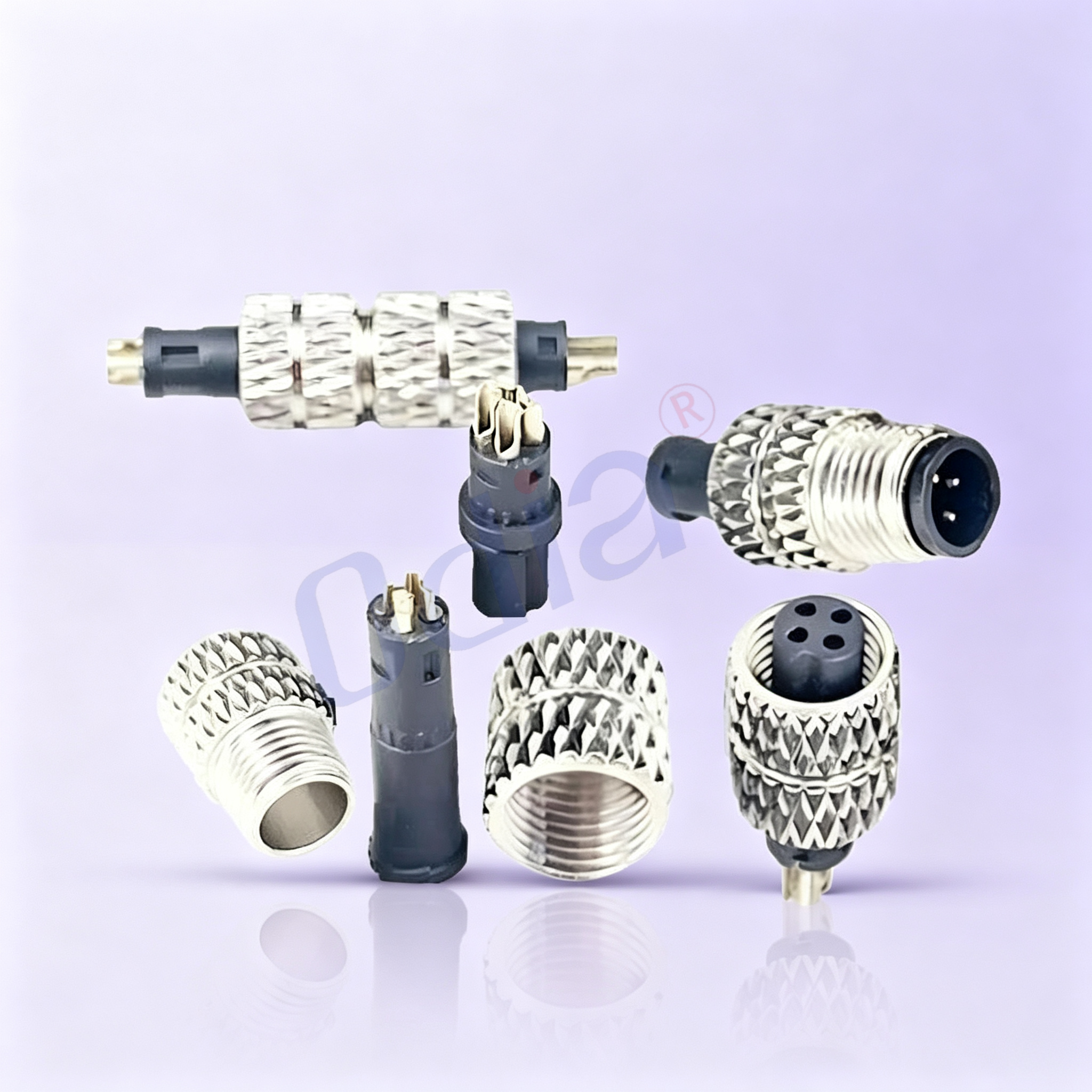


 EN