 ×
Guangdong Odia Electronics manufactures a comprehensive Fiber Optic Adapter series designed for stable optical mating in telecom, data center, industrial and security environments. Available in common interface types with ceramic or bronze alignment sleeves, simplex or duplex configurations and panel-mount or flange-mount options, each adapter delivers low insertion loss, consistent return loss and durable mechanical retention. Products undergo strict optical and dimensional inspection before packing, and customization is welcomed for special housings, colors and packaging. With more than 100,000 sets delivered since 2007, our Fiber Optic Adapter line combines proven manufacturing experience, ISO-certified quality control and responsive service to support both standard and tailored projects worldwide.
A Fiber Optic Adapter is a deceptively simple component with an outsized effect on network reliability. It must align two ferrules precisely enough that light crosses the junction with minimal loss, yet remain robust enough to survive repeated mating, cleaning and environmental stress. The critical variables are sleeve material and tolerance, housing concentricity, and the flatness of the mating end faces. Ceramic sleeves offer the best long-term stability and are preferred for single-mode and high-performance multimode links; bronze sleeves provide a cost-effective option for less demanding multimode applications. In data centers and 5G base stations, where ports are patched frequently, adapter quality directly influences insertion loss budgets and troubleshooting time. In industrial automation, security and rail transit, vibration and temperature swings make mechanical retention and material stability equally important. Odia approaches Fiber Optic Adapter manufacturing as a system: incoming materials are verified, molding and machining are controlled in-house, and finished adapters are optically tested before shipment. This end-to-end discipline helps customers in AI data centers, photovoltaic plants and energy storage systems deploy optical links that stay within specification over years of service, not just on day one.

18
Aug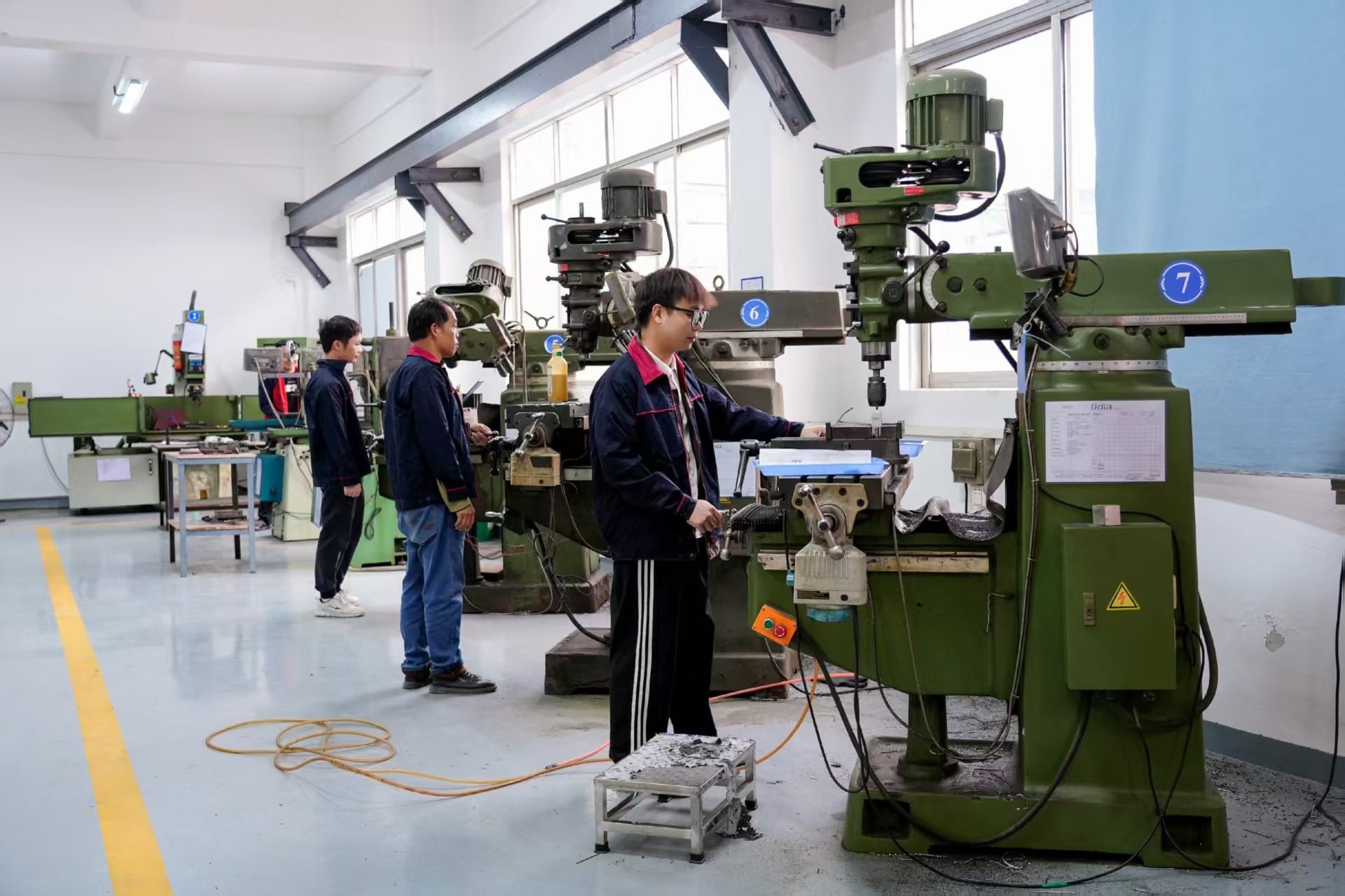
18
Aug
04
Sep
25
Sep


 EN