 ×
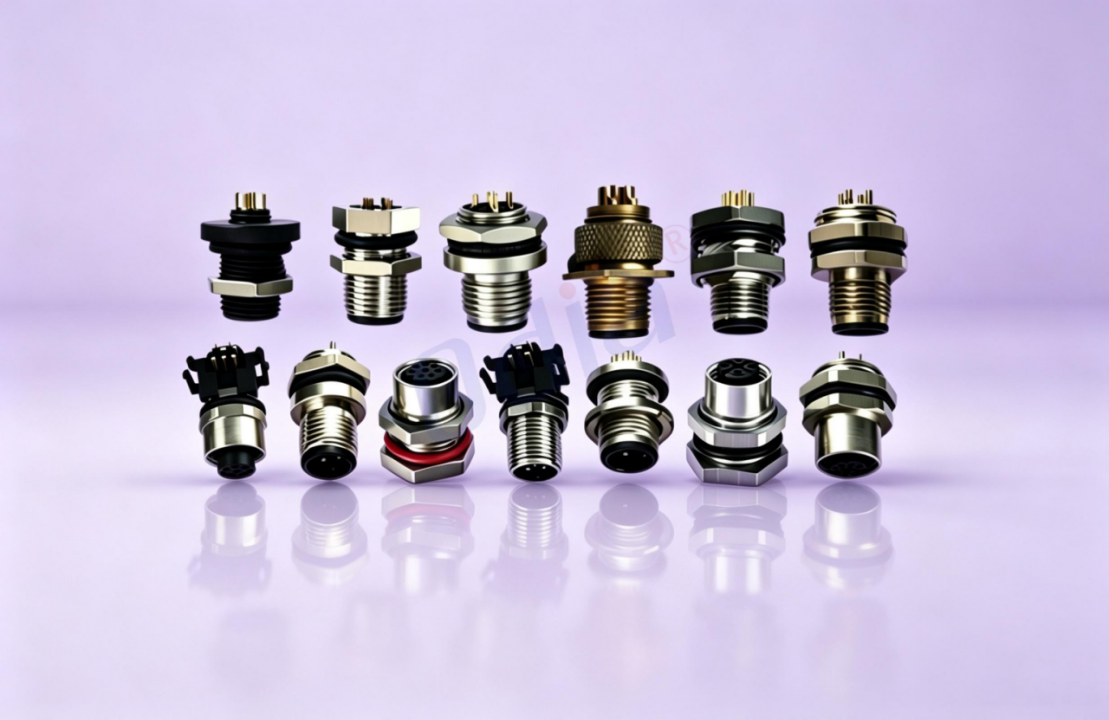
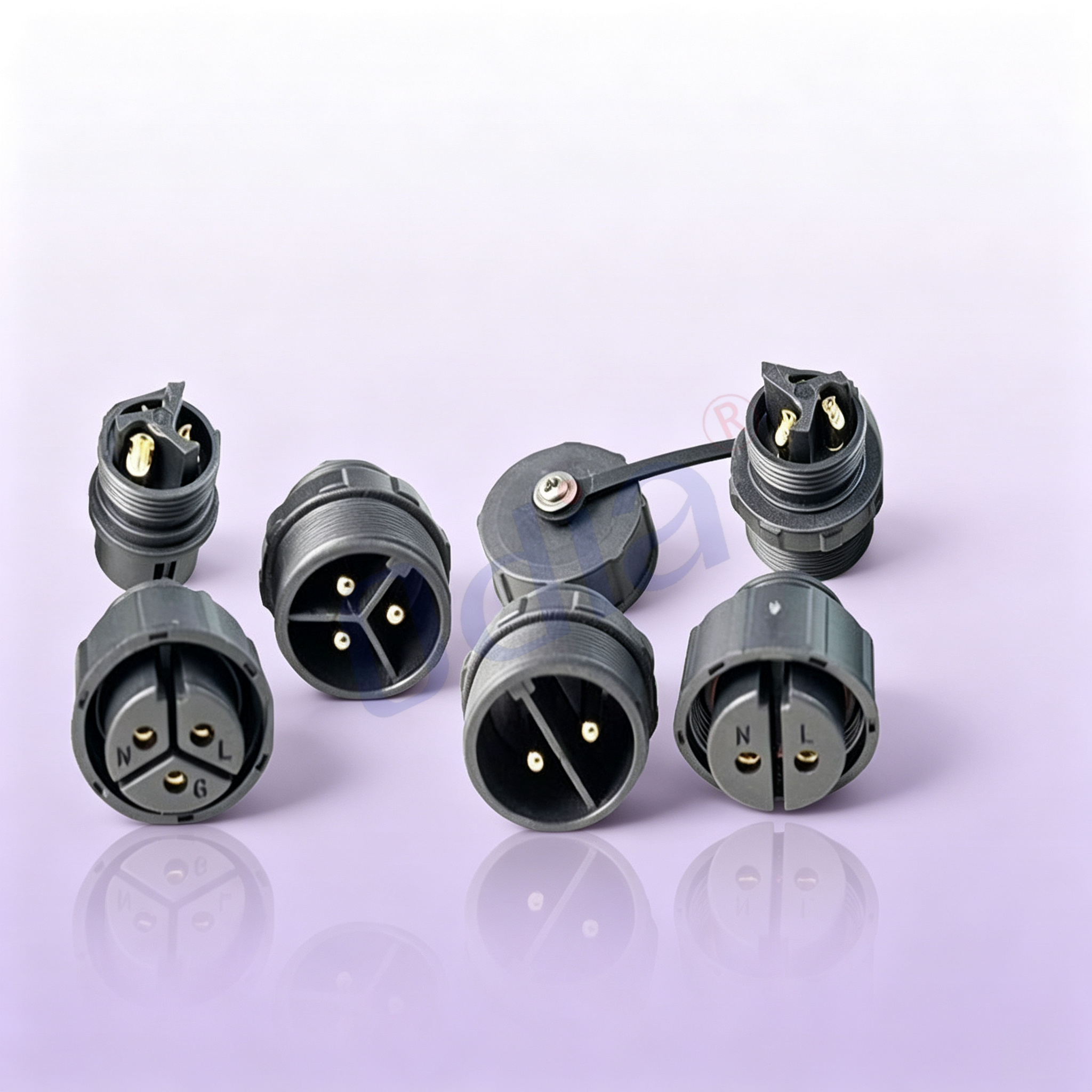
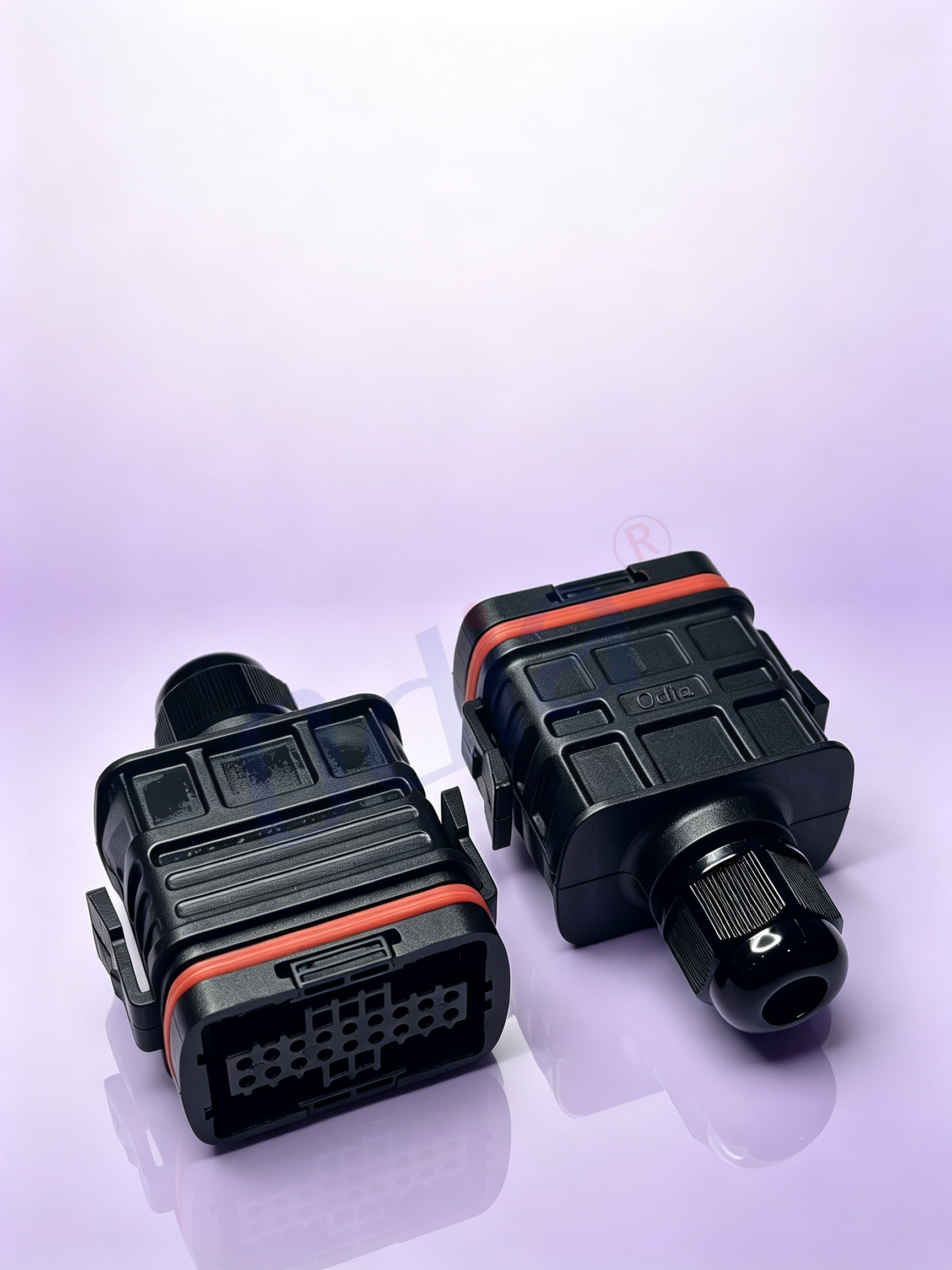
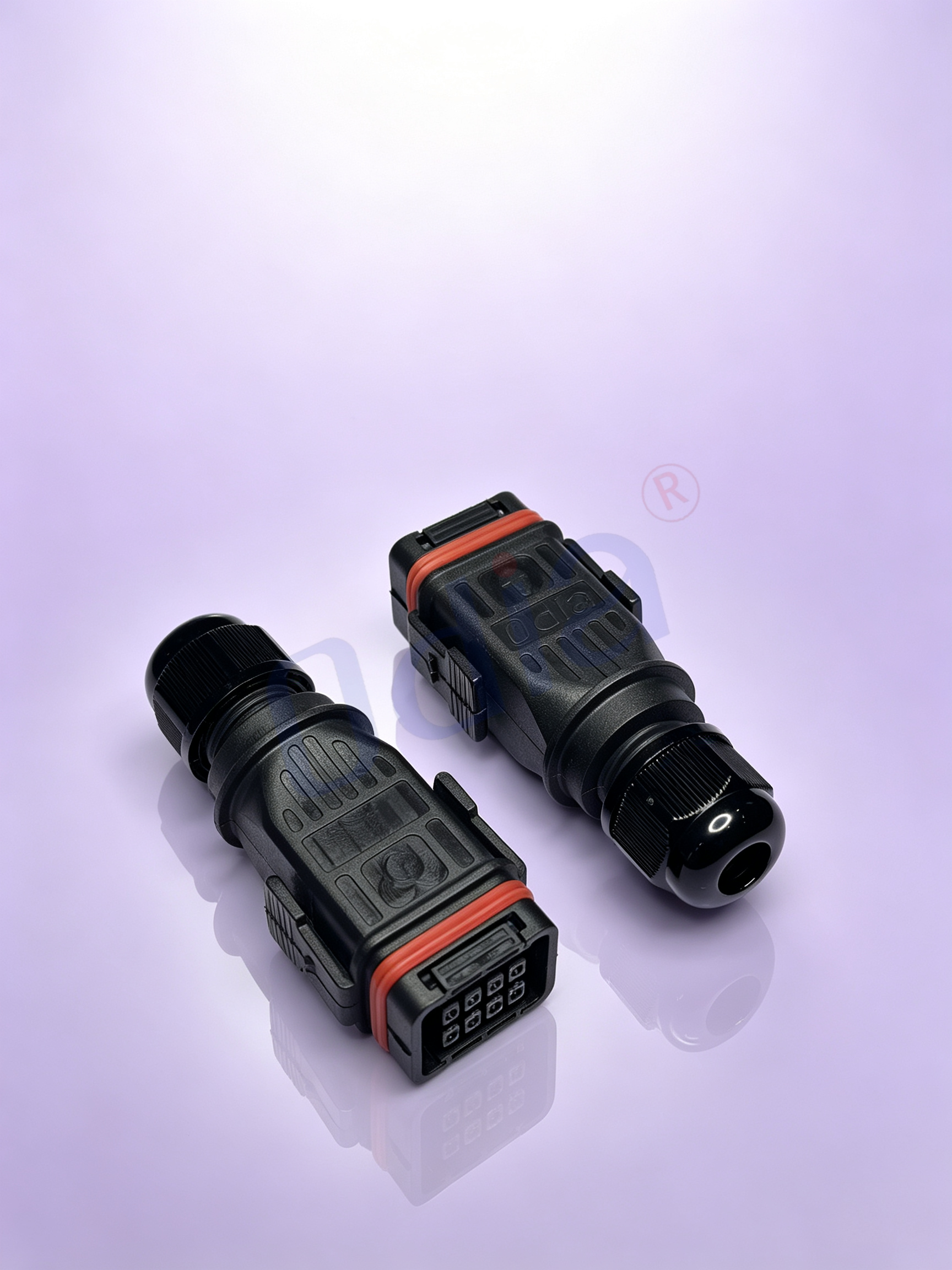
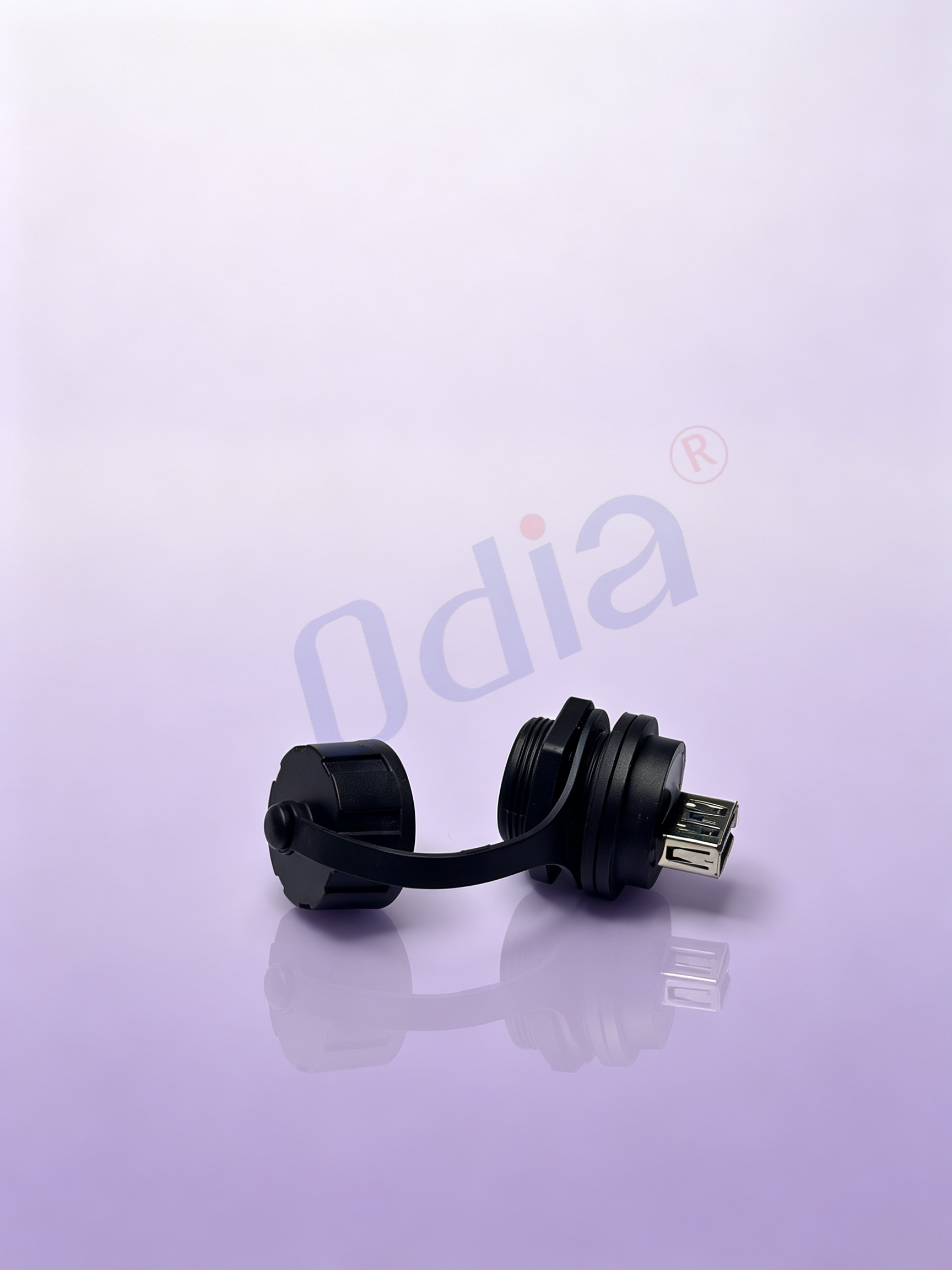
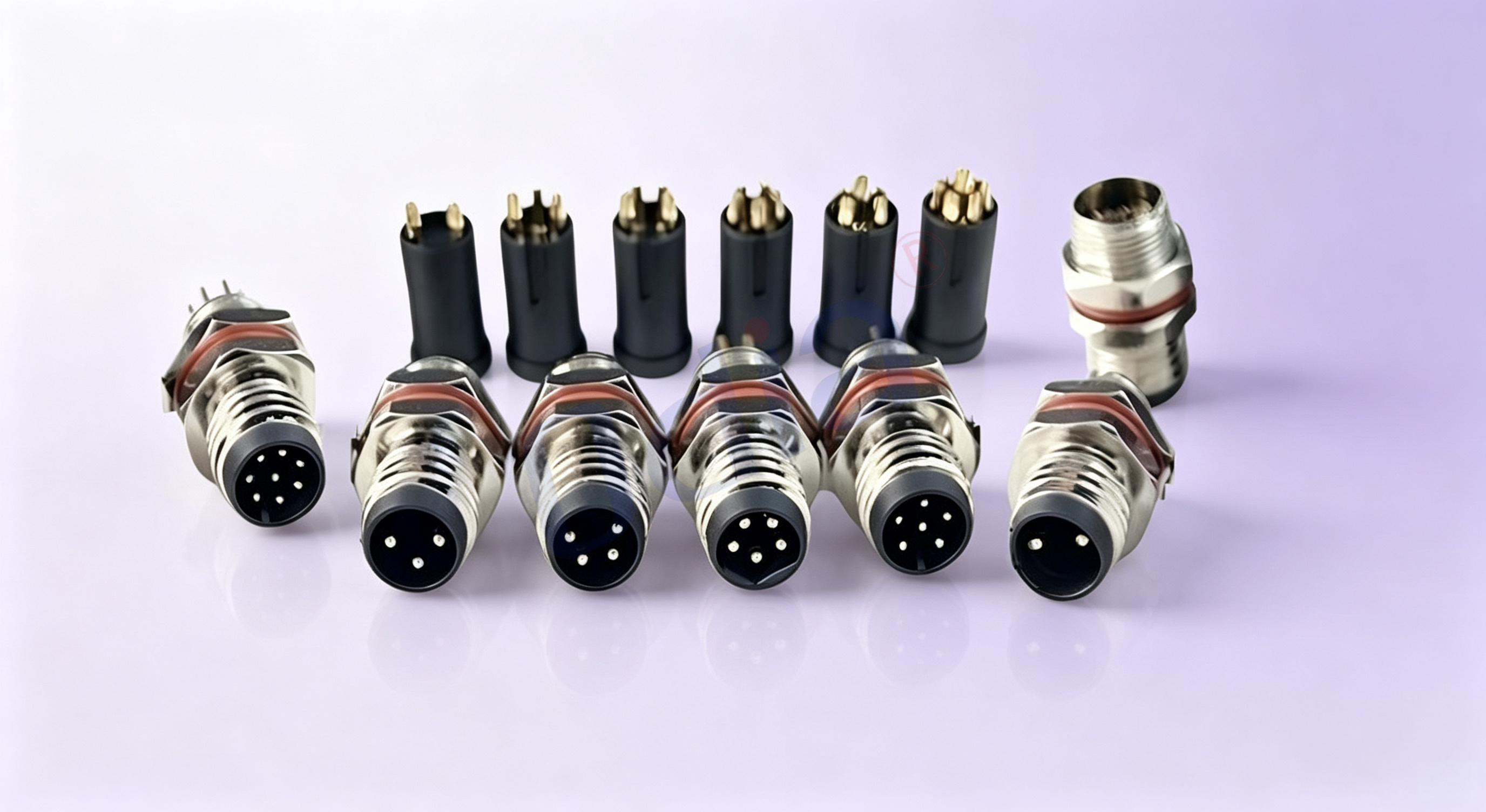
A PCB automotive connector must do more than conduct electricity; it must survive years of vibration, thermal cycling, and environmental exposure while maintaining stable contact resistance. In automotive electronics, connectors are among the most common points of failure, so material selection and mechanical design are critical. Odia Electronics approaches PCB automotive connector design with a systems mindset, beginning with copper alloy terminals chosen for conductivity and spring retention, then applying selective gold or tin plating to balance corrosion resistance and cost. Housing materials are selected for dimensional stability under reflow temperatures and resistance to automotive fluids. Locking features and polarized keying prevent mismating during assembly, while sealed versions use gasket and potting strategies to achieve waterproof performance for under-hood and exterior sensor applications. Our engineers validate insertion force, retention, thermal shock, and vibration performance before release, and we coordinate closely with customer SMT and harness teams to ensure the connector integrates smoothly into the final assembly. This disciplined approach helps global customers reduce defects and accelerate time to market.
18
Aug
21
Sep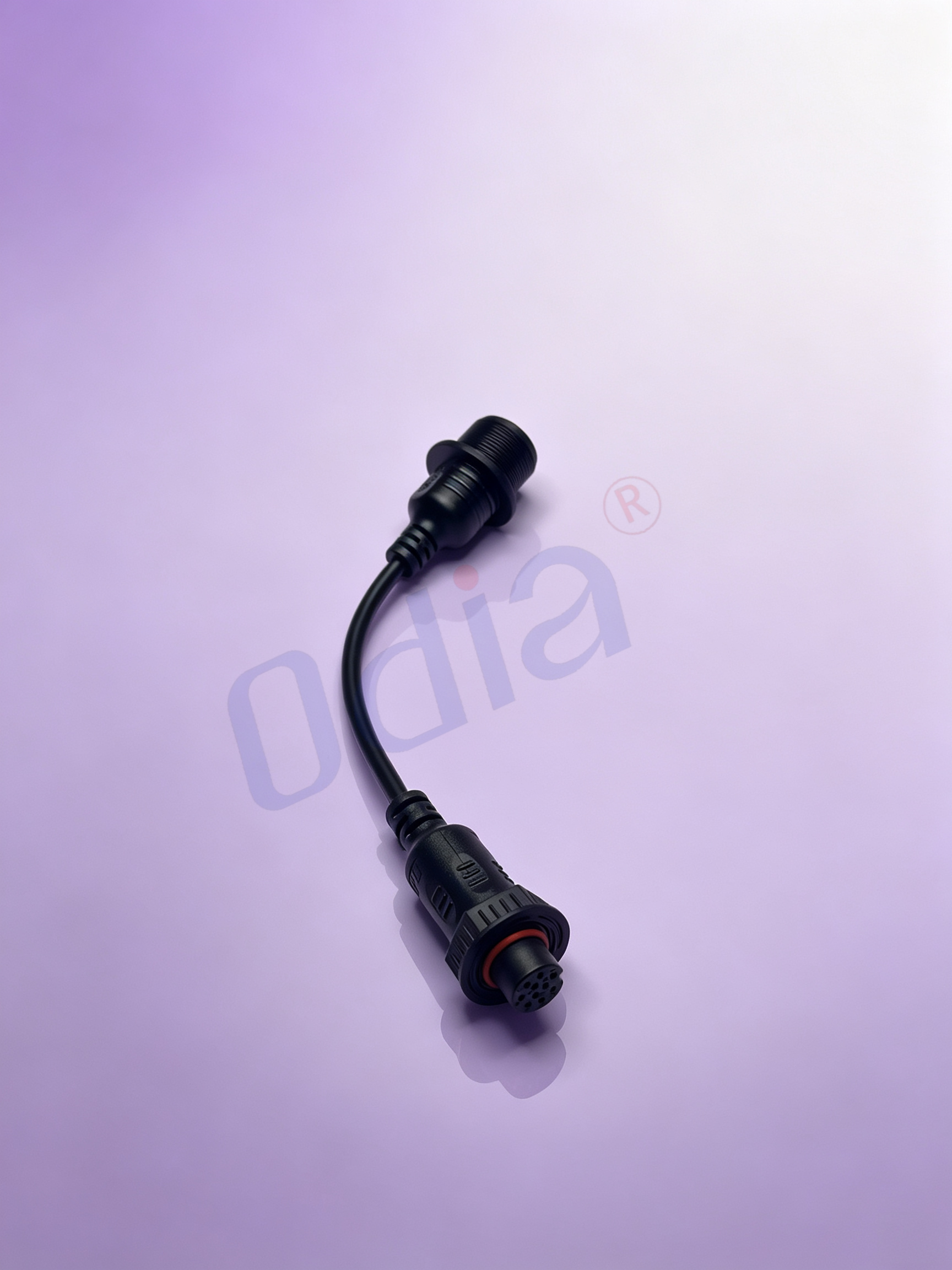
04
Sep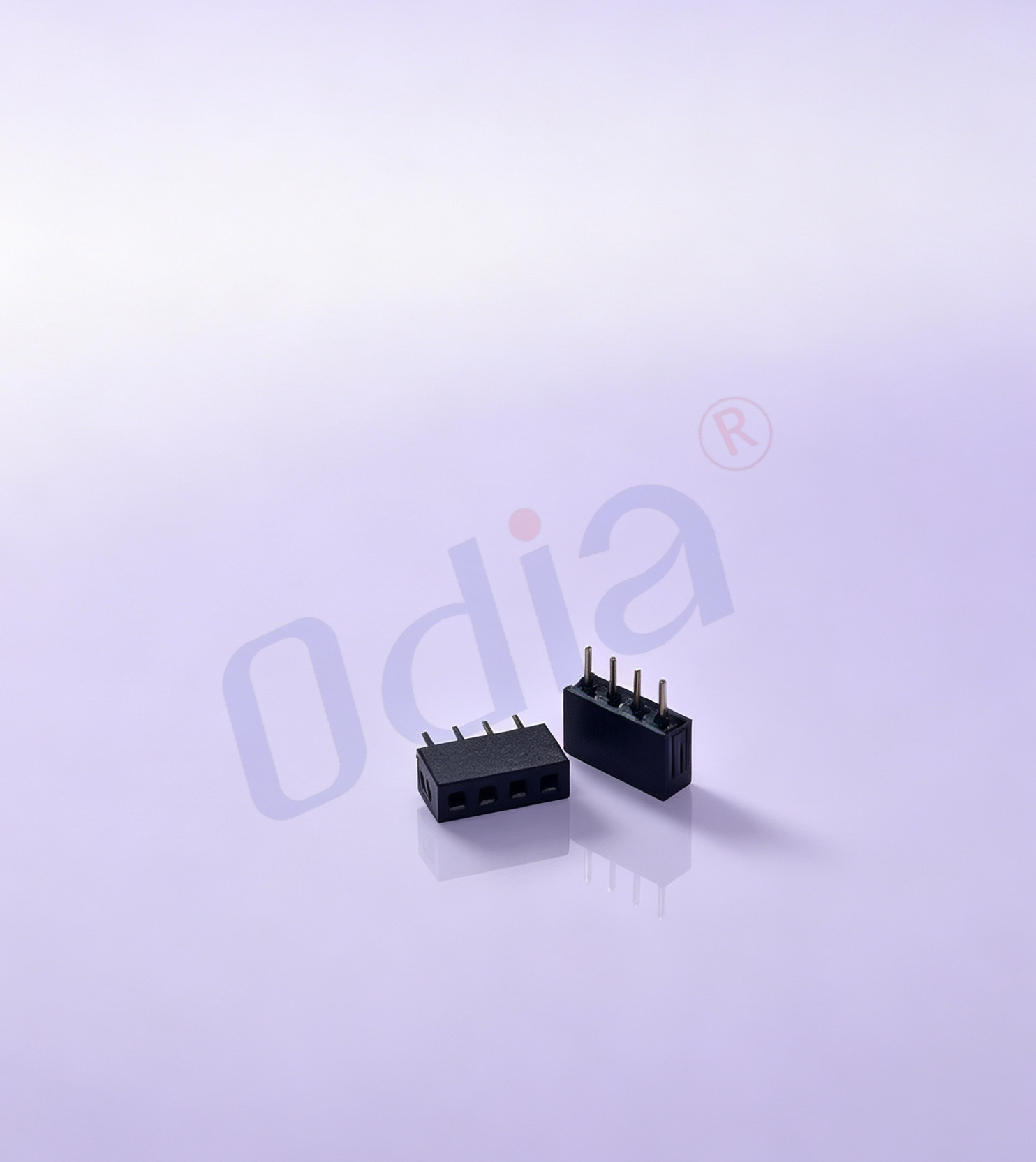
14
Sep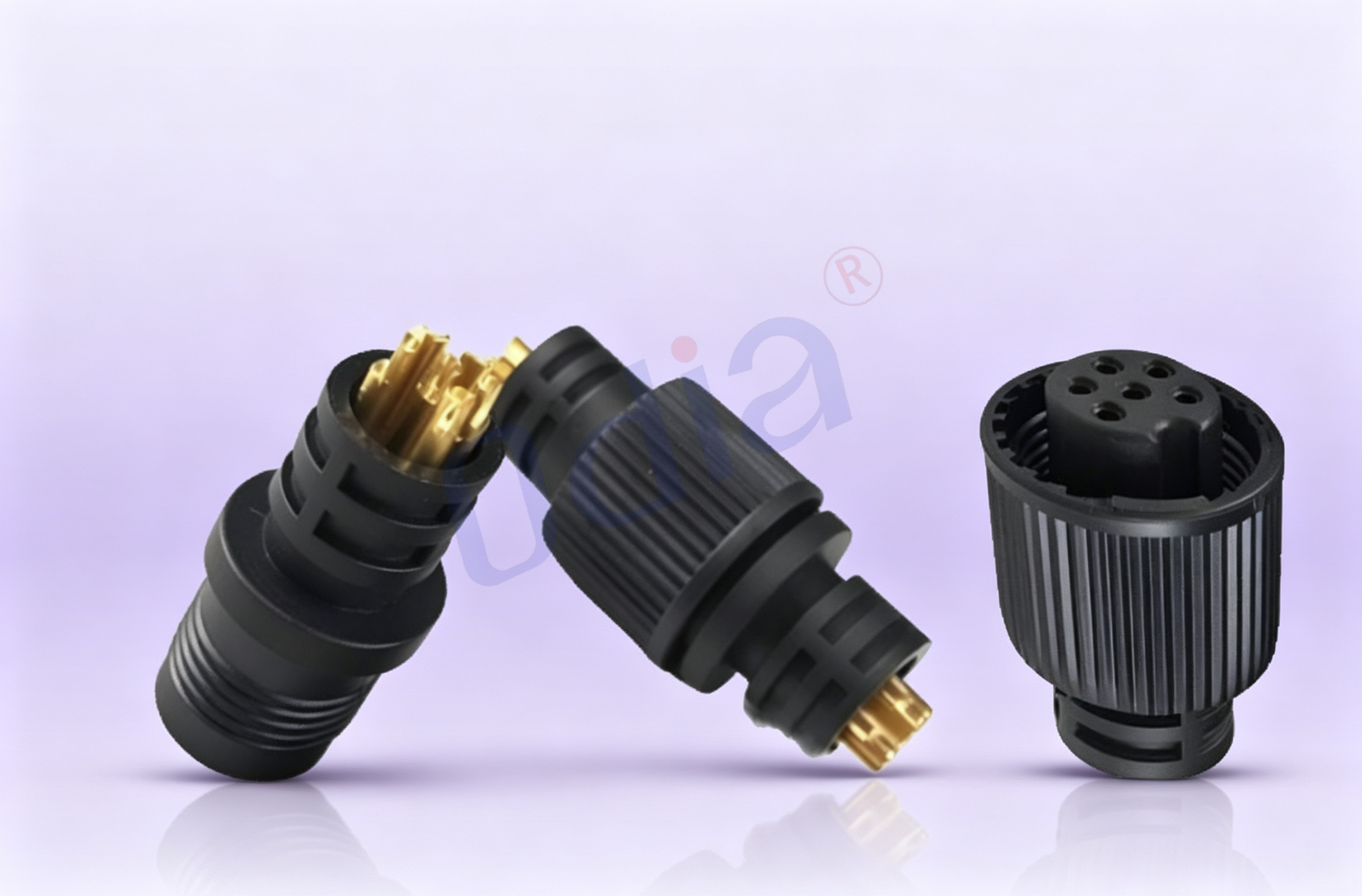


 EN