 ×
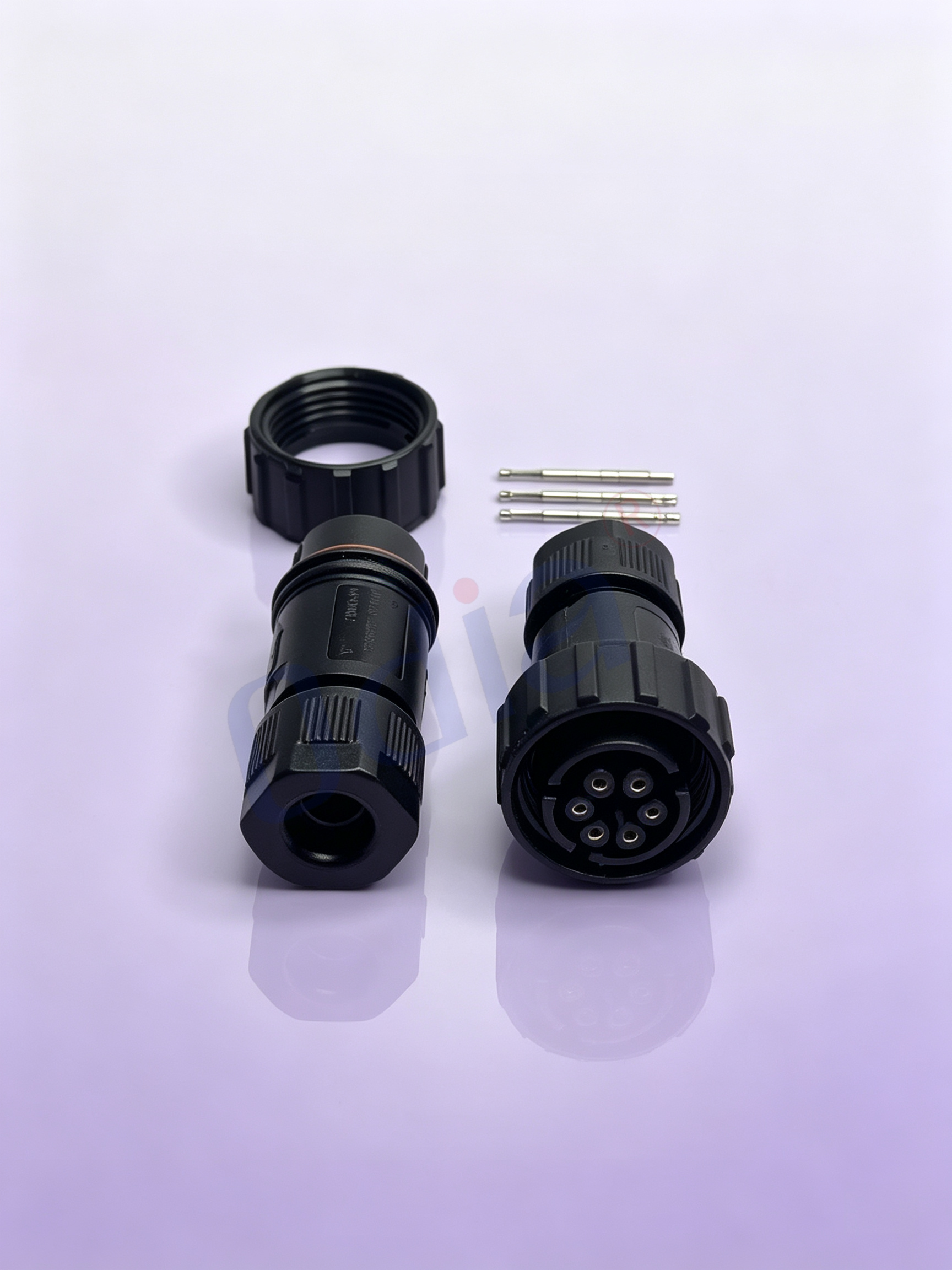
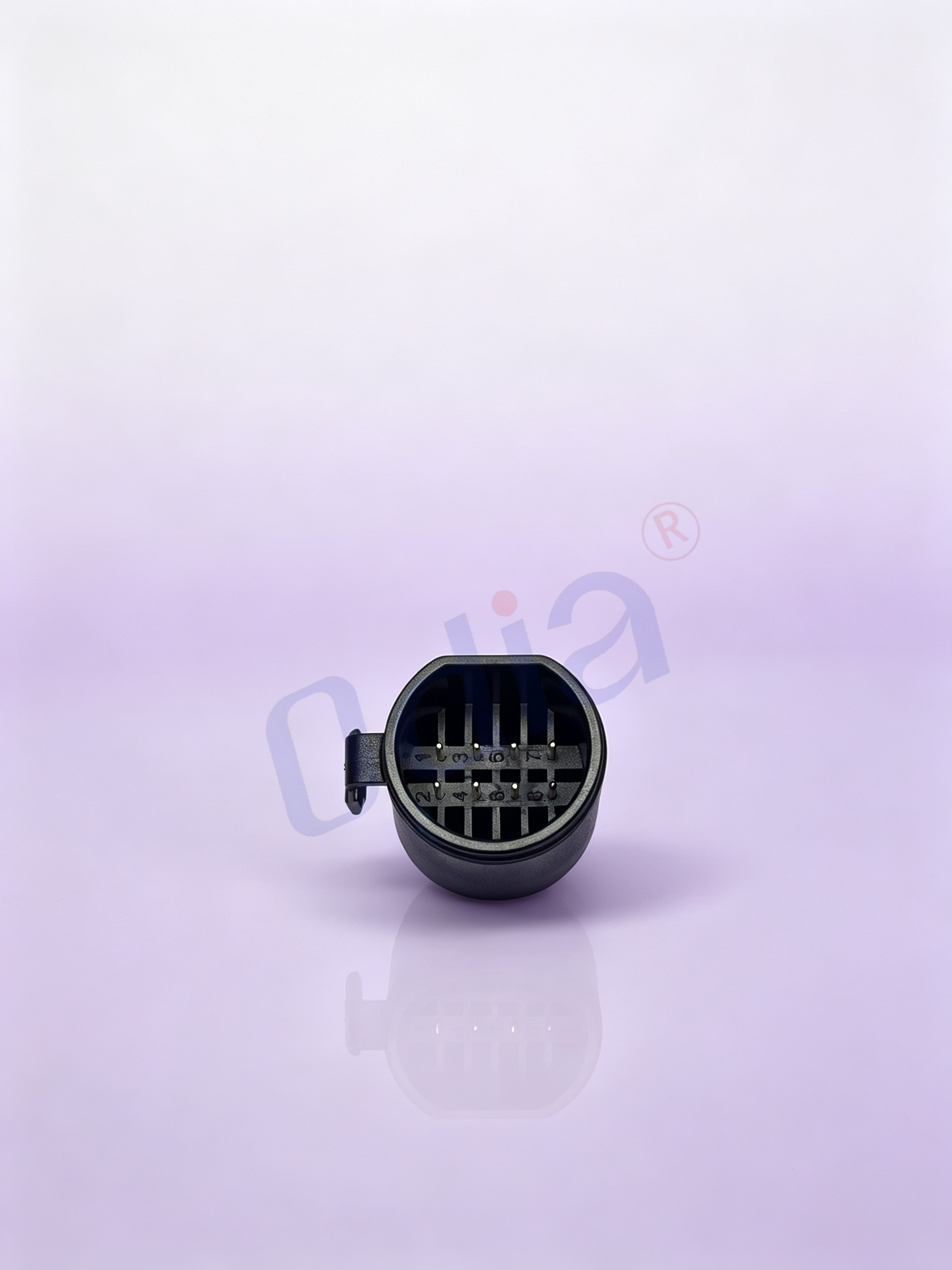
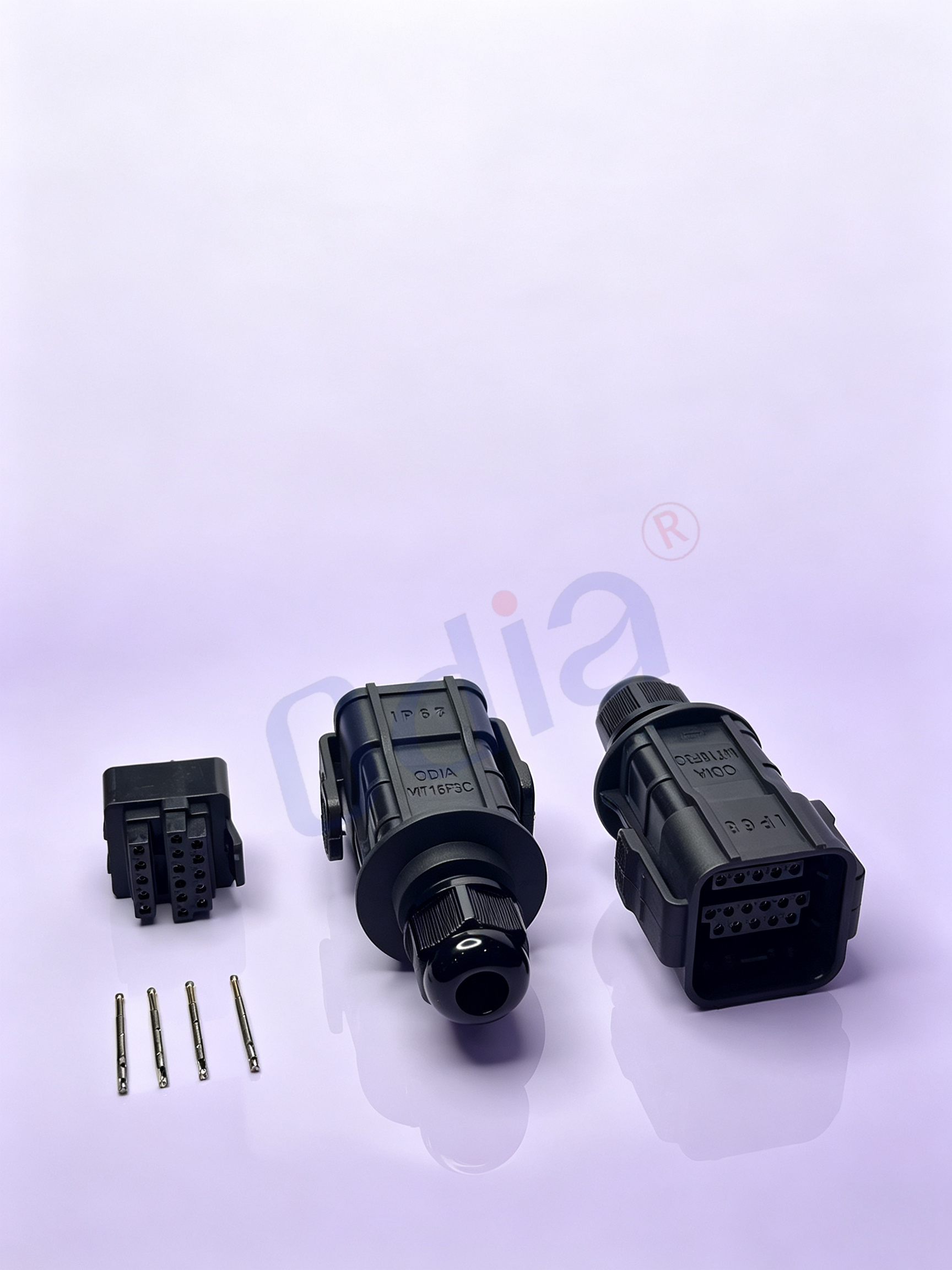
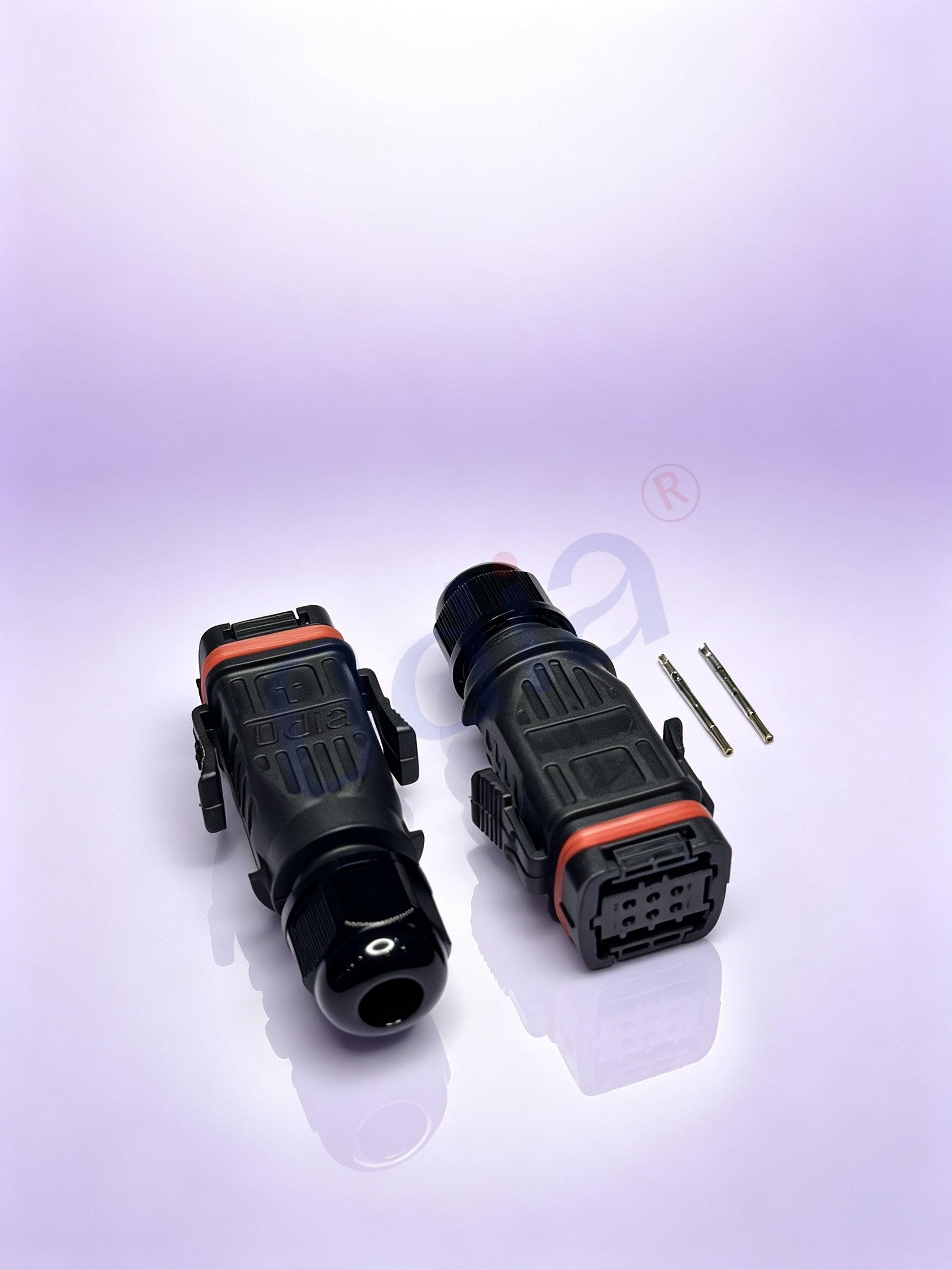
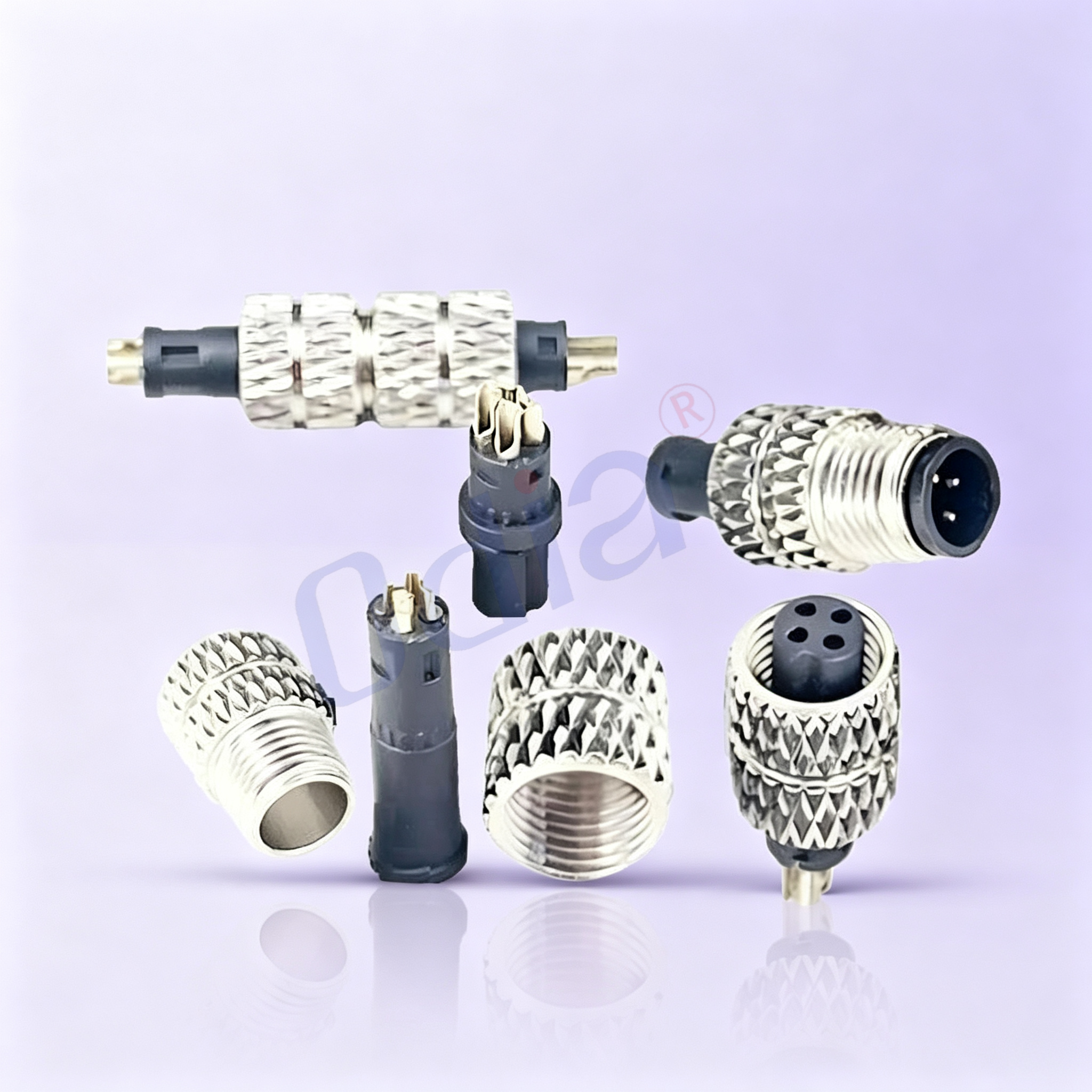
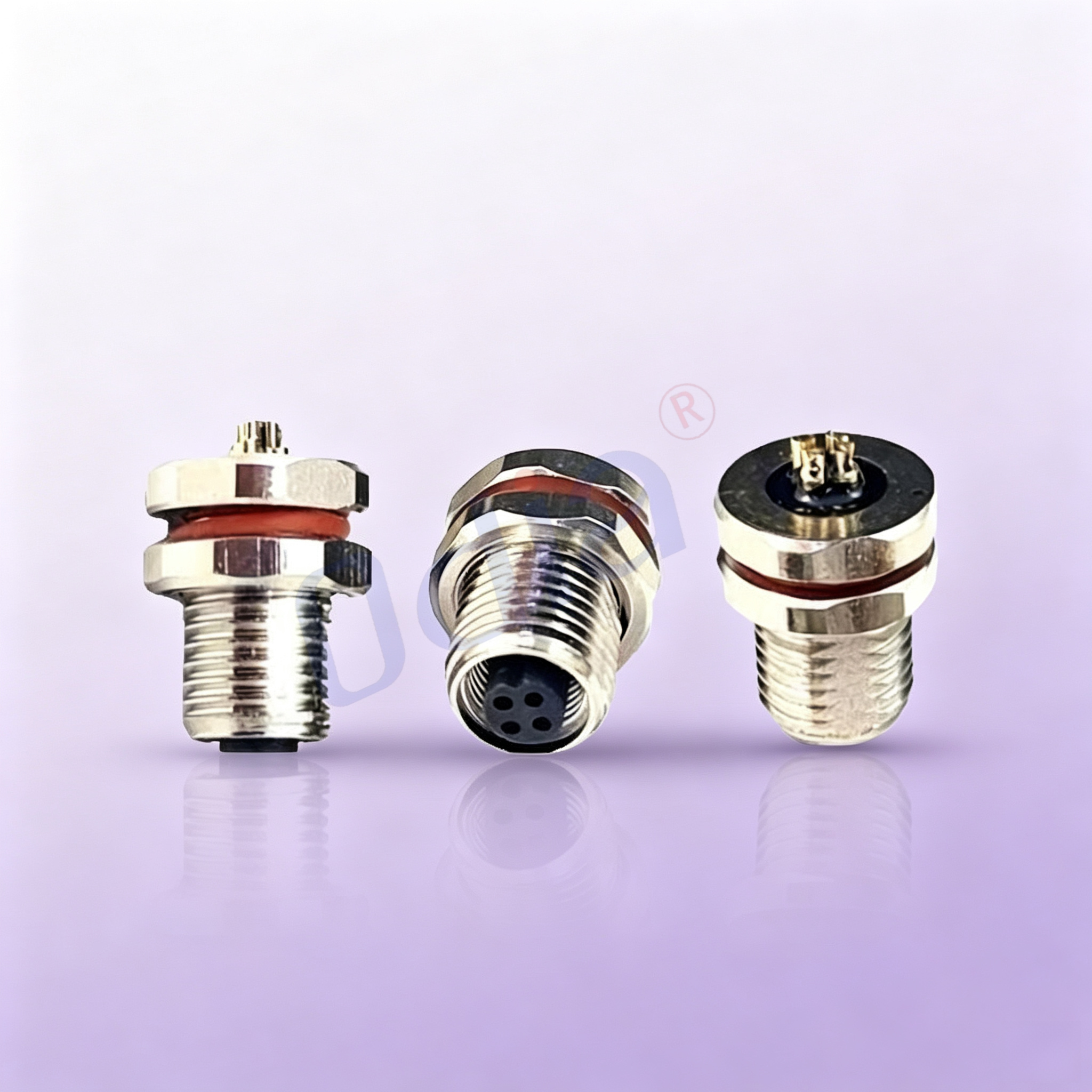
The solderless wire connector represents a fundamental shift in how modern electrical systems are assembled and maintained. Unlike soldered joints, which require heat, flux and skilled labor, a solderless wire connector uses mechanical clamping—spring cages, levers or screw terminals—to create a gas-tight, low-resistance contact between conductor and metal body. This principle delivers consistent performance across a wide range of wire types and environmental conditions. In industrial automation and rail transit, vibration and thermal cycling are constant threats to termination integrity; a well-engineered solderless wire connector resists loosening through spring force and material selection, preserving signal continuity. In photovoltaic and energy storage installations, waterproof sealing prevents moisture ingress that would otherwise corrode contacts and cause ground faults. In AI data centers and 5G base stations, high-density solderless wire connector layouts support rapid deployment and clean cable management. For international buyers, the key selection criteria include current rating, voltage rating, wire gauge range, ingress protection, operating temperature and compliance with regional standards. Odia Electronics addresses these requirements by combining patented contact design, ISO-certified manufacturing and flexible customization, ensuring that each solderless wire connector performs reliably in the field and simplifies the total installation and maintenance workflow.
18
Aug
18
Aug
21
Sep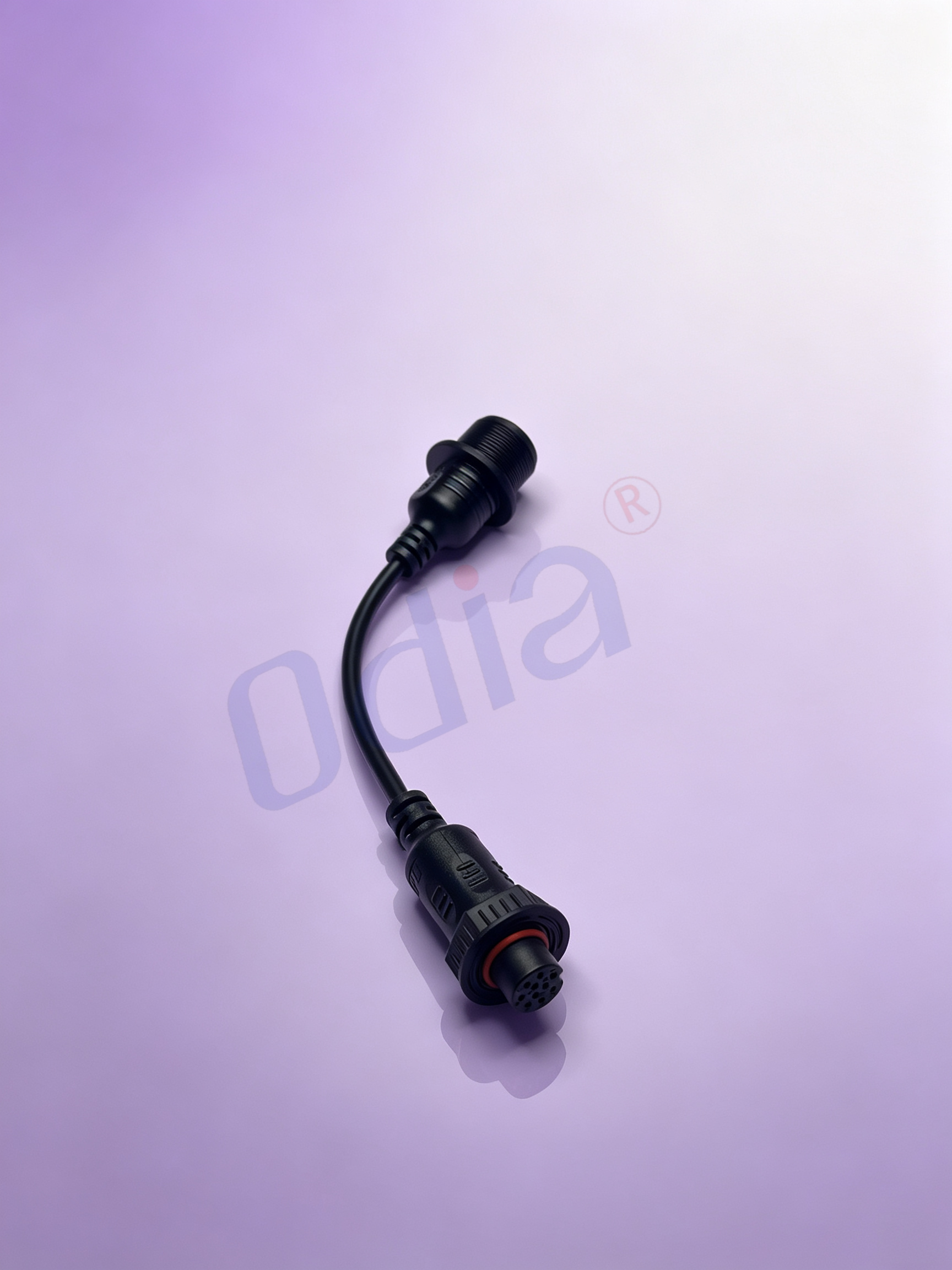
04
Sep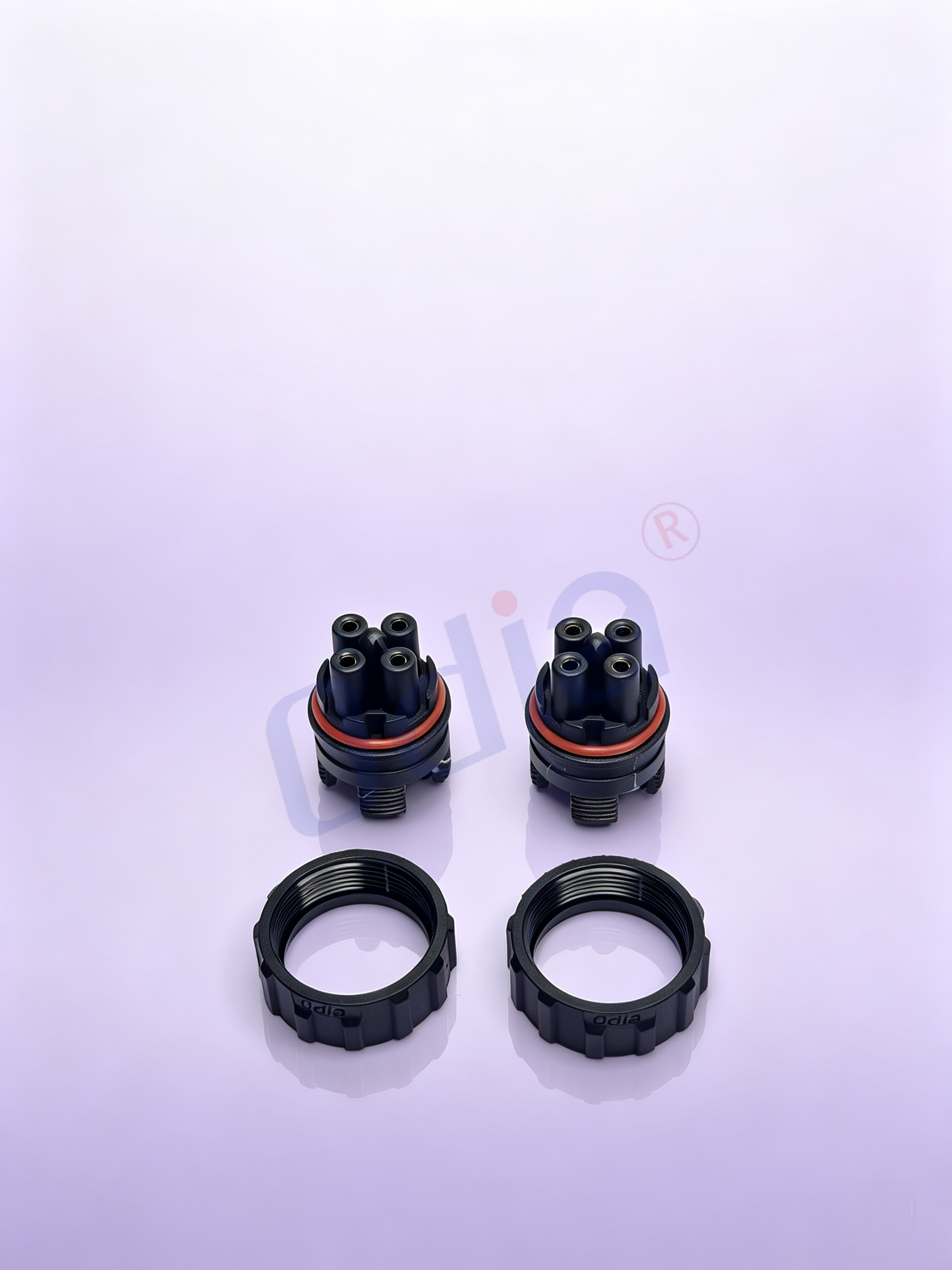


 EN