 ×
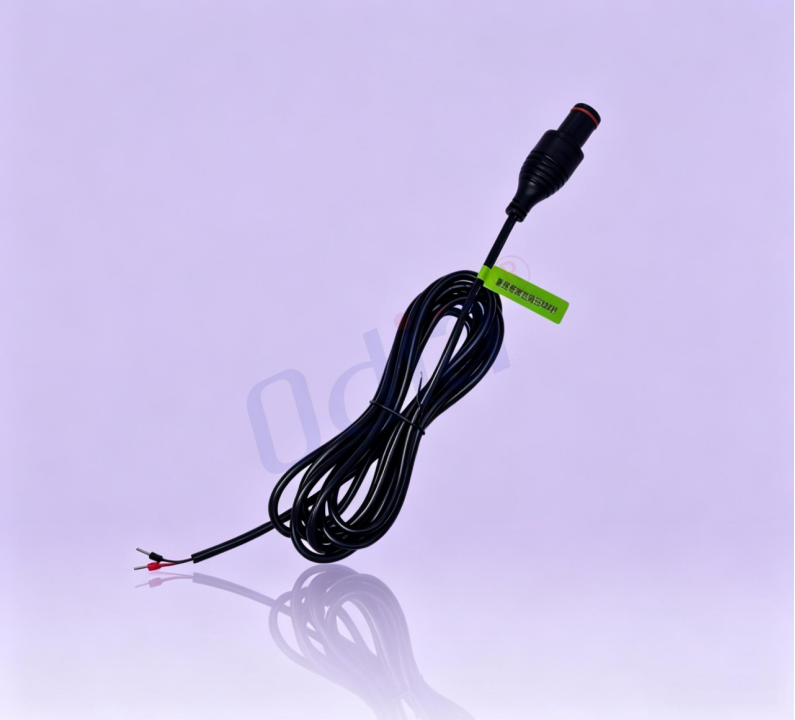
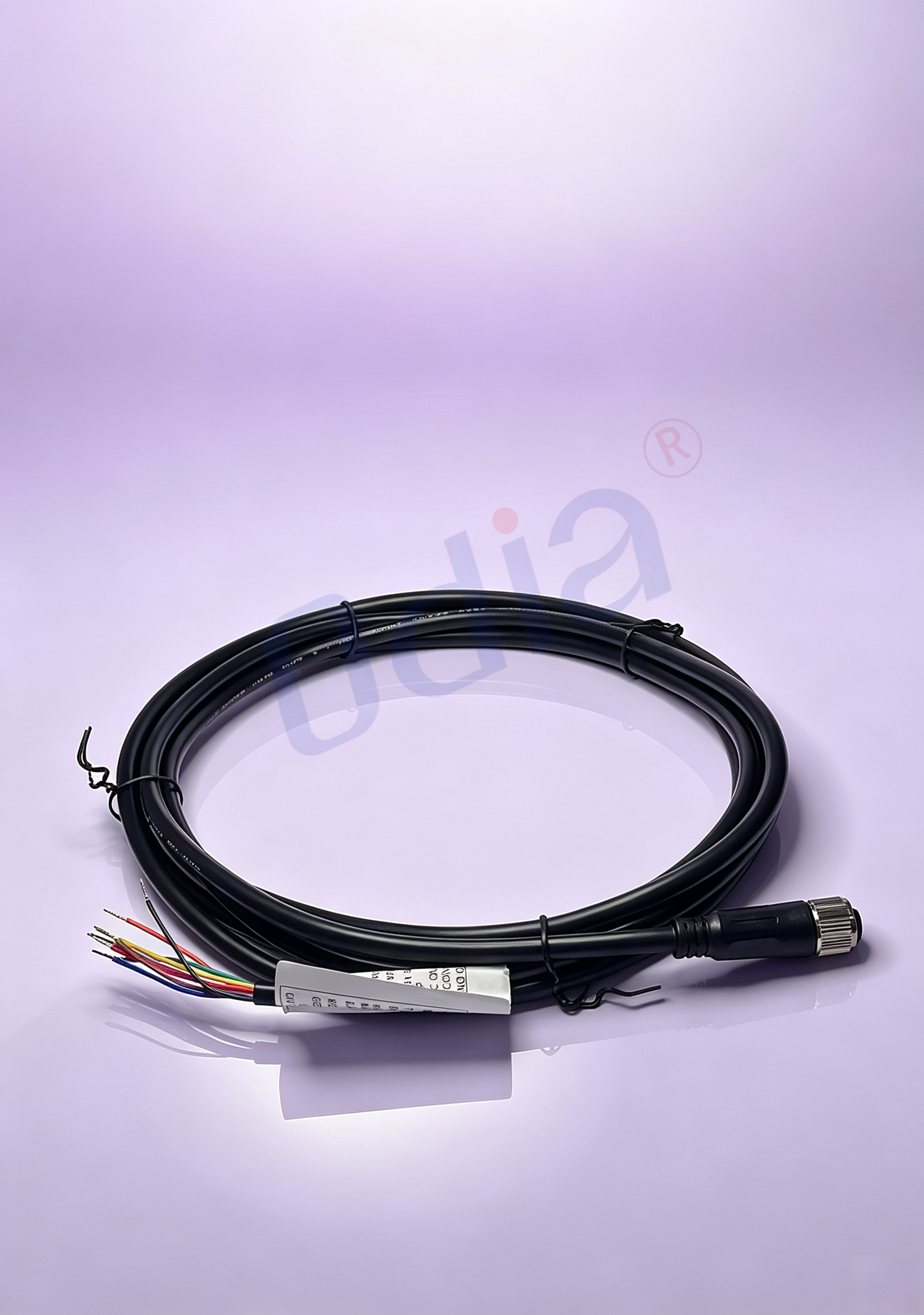
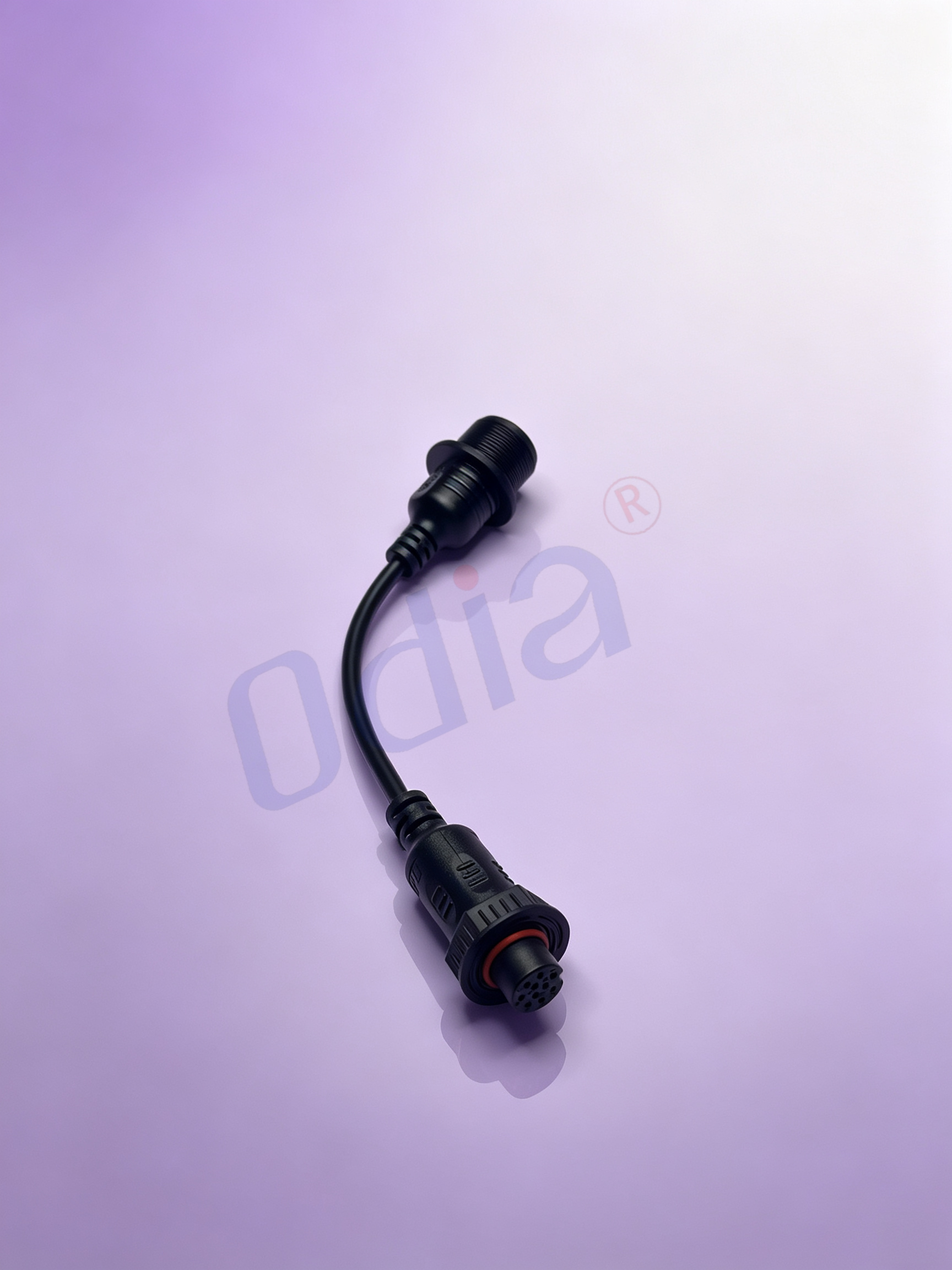
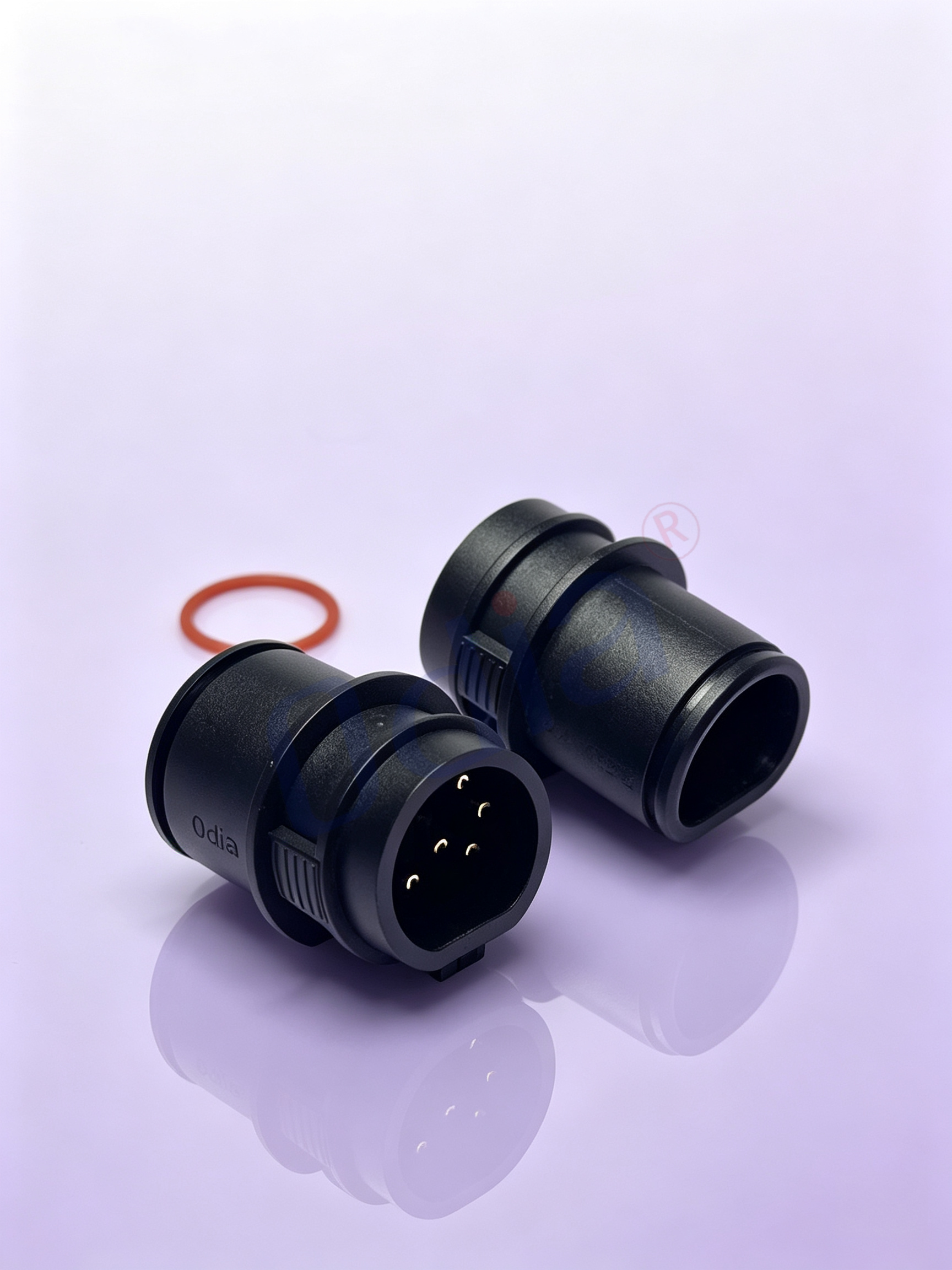
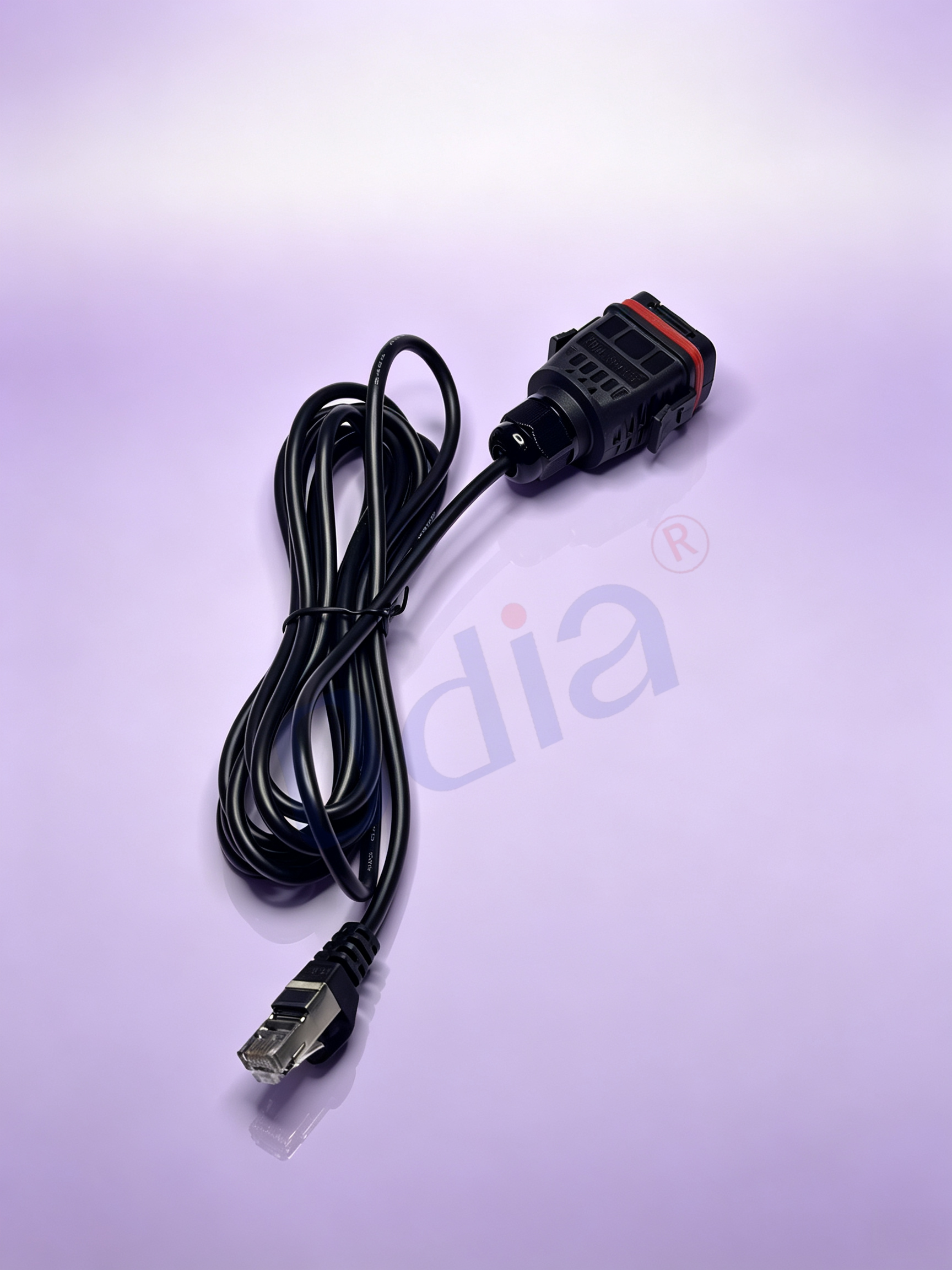
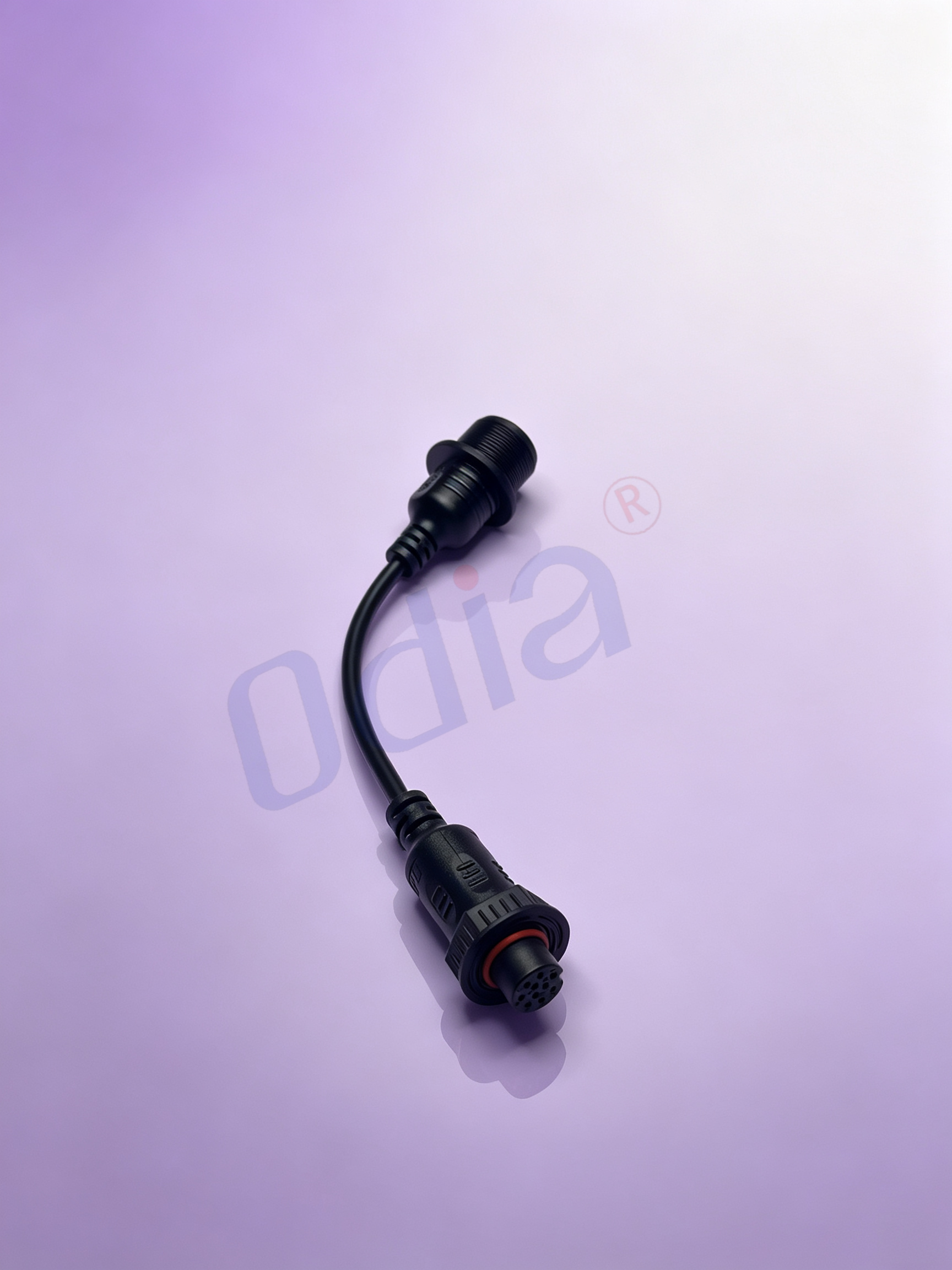
A Hybrid Fiber Optic Cable combines optical fibers for high-bandwidth data with copper conductors for electrical power, allowing one cable to serve both functions. This architecture matters because modern networks increasingly place equipment in locations where running separate power and data lines is costly, slow or physically difficult. In 5G base stations, remote radio heads need power and fronthaul connectivity at the top of towers; a Hybrid Fiber Optic Cable reduces weight, wind load and installation time. In AI data centers, dense racks benefit from fewer cable runs, improved airflow and simpler cable management. In industrial automation, rail transit and security systems, the cable withstands vibration, moisture and temperature swings while maintaining signal integrity. Selecting the right Hybrid Fiber Optic Cable involves balancing fiber type, conductor gauge, voltage drop, bend radius, jacket material and connector compatibility. Odia addresses these variables through in-house design, ISO-certified production and rigorous testing, so each Hybrid Fiber Optic Cable performs reliably across diverse climates and applications worldwide.
18
Aug
21
Sep
14
Sep
21
Sep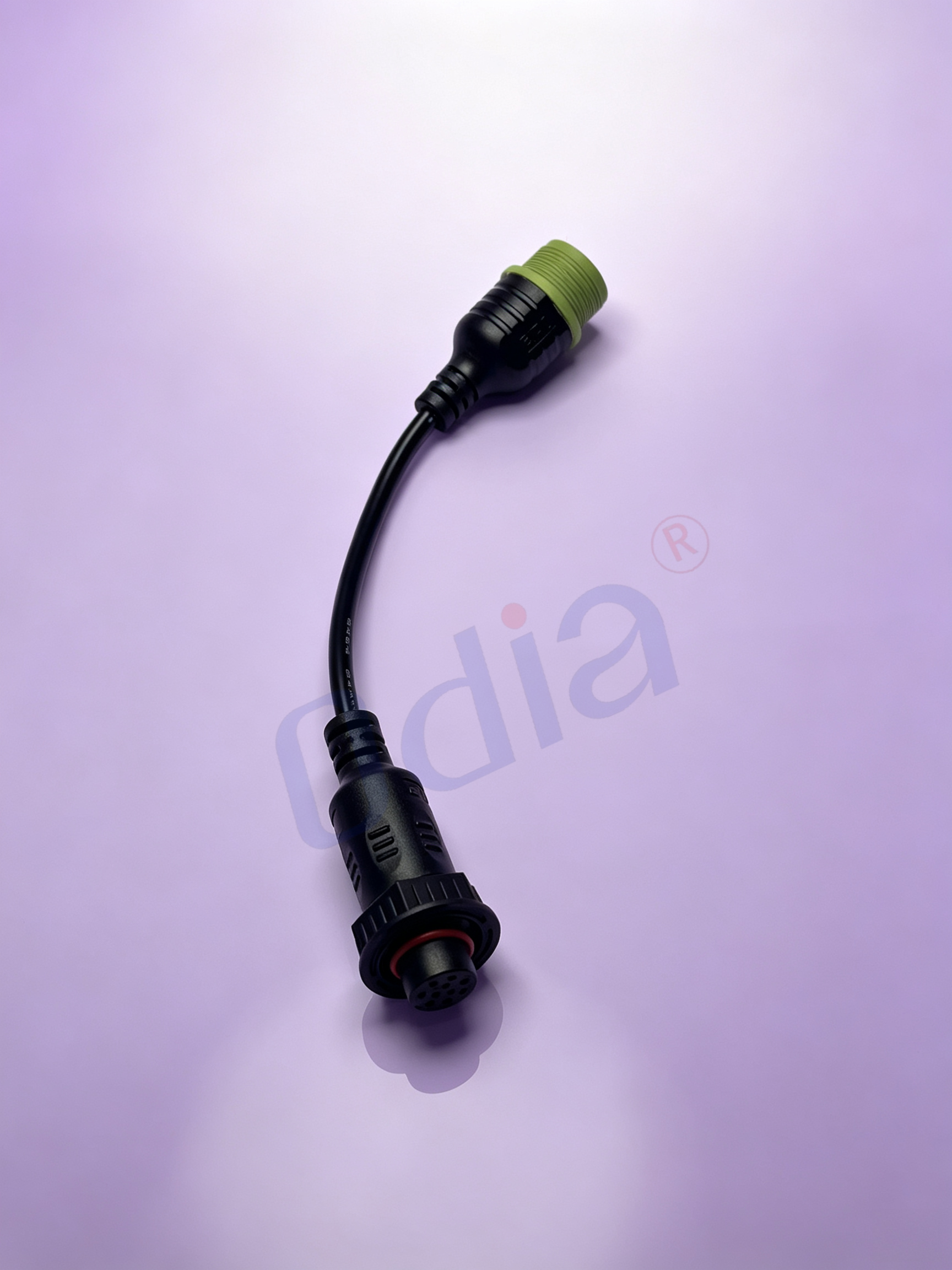


 EN