 ×
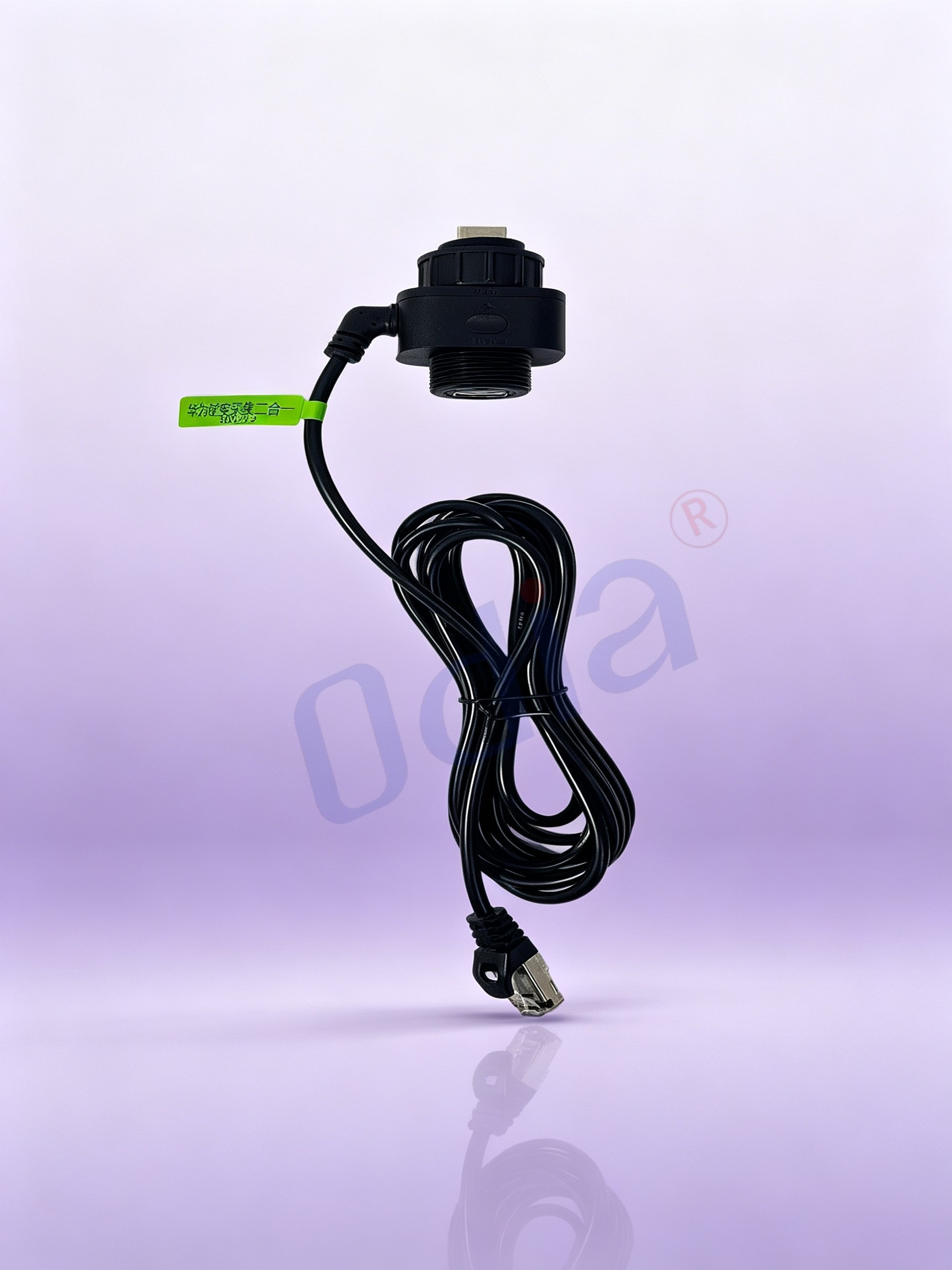
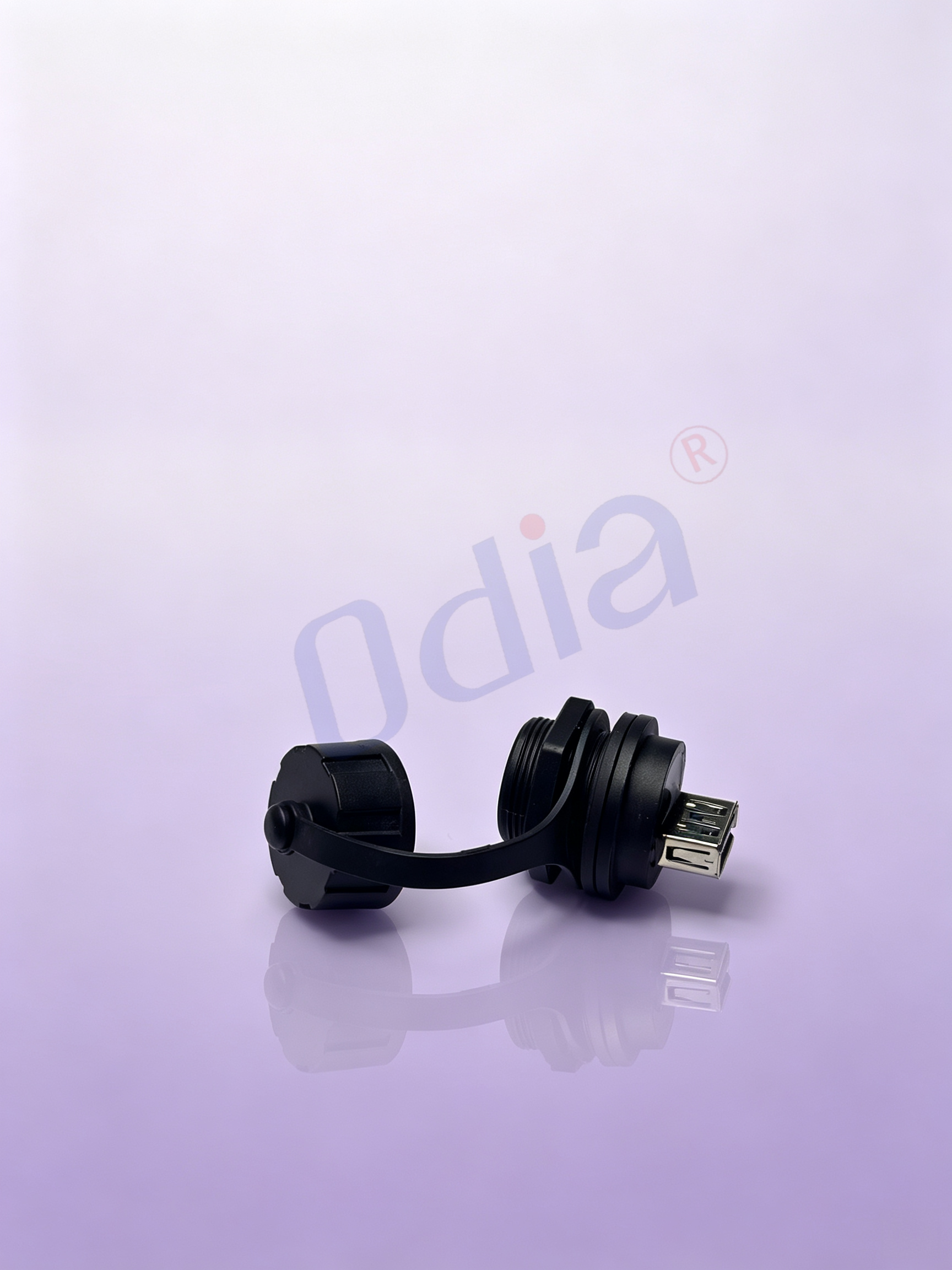
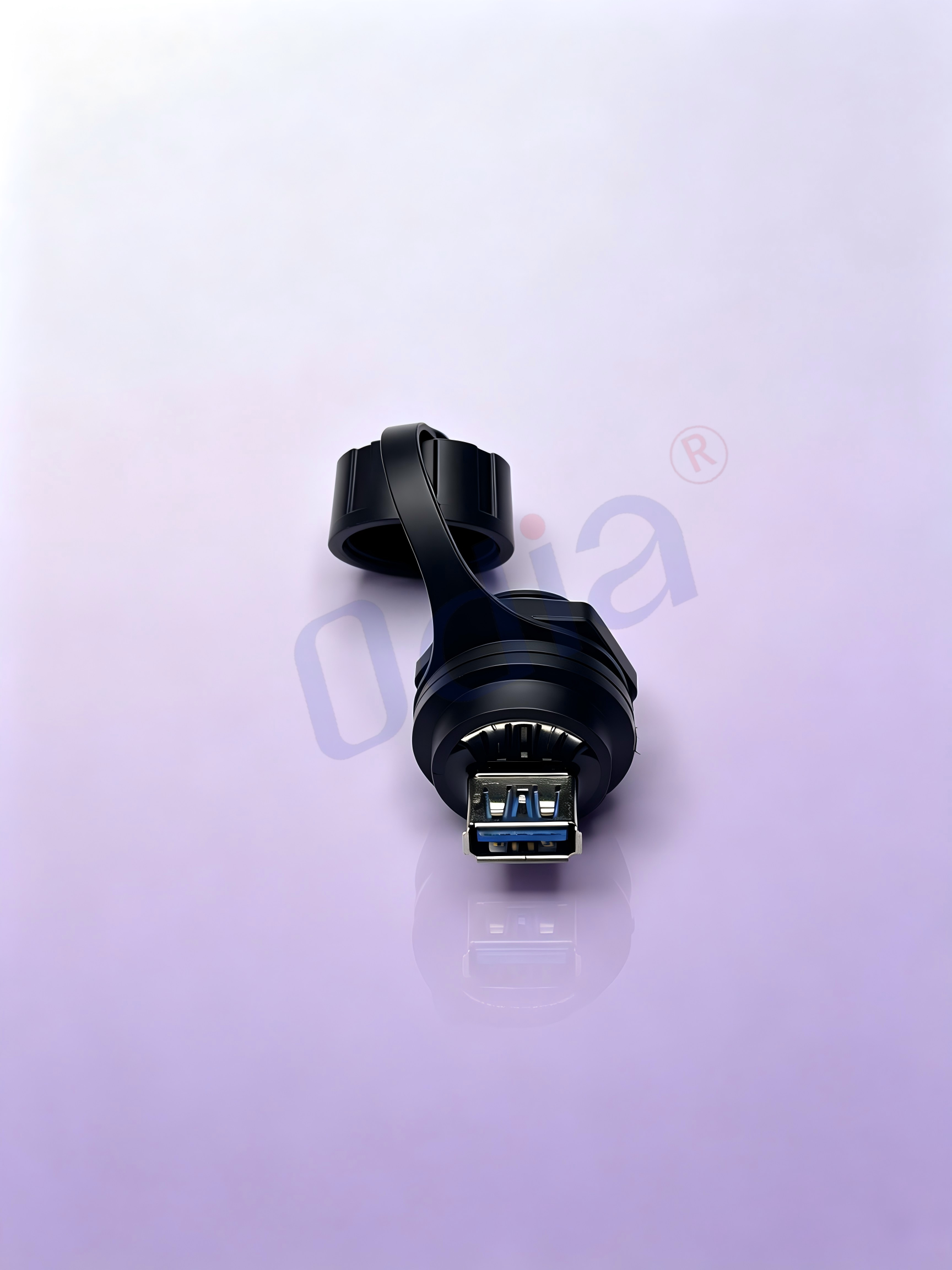
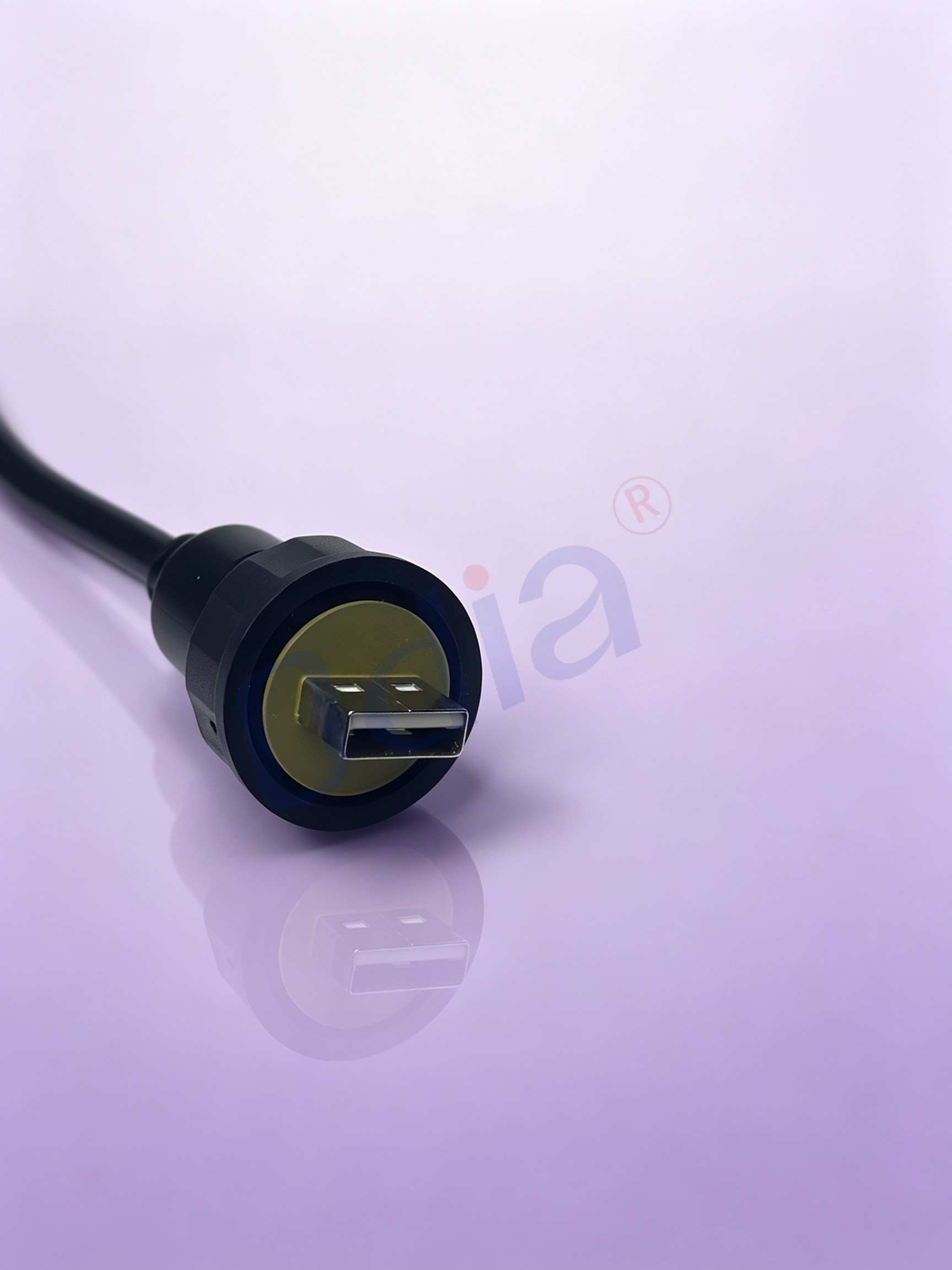
Selecting an Industrial USB Connector is fundamentally a reliability decision. In factory floors and outdoor cabinets, standard commercial connectors fail for predictable reasons: vibration loosens mating pairs, moisture corrodes contacts, dust blocks insertion, and electrical noise distorts data. A properly specified industrial connector addresses each failure mode through mechanical locking, sealed interfaces, plated contacts and shielded housings. Engineers should evaluate rated current and voltage, contact resistance, insulation resistance, dielectric withstanding voltage, mating cycle life, ingress protection rating and operating temperature range before approving a part for a production bill of materials. Equally important is the manufacturer behind the part. A supplier with a certified quality system, in-house tooling and documented test procedures can sustain consistency across years of repeat orders, whereas unverified sources often introduce batch-to-batch variation that surfaces only after deployment. Odia applies this discipline to every Industrial USB Connector we ship, combining material control, process control and final inspection so that performance in the field matches performance on the datasheet.
18
Aug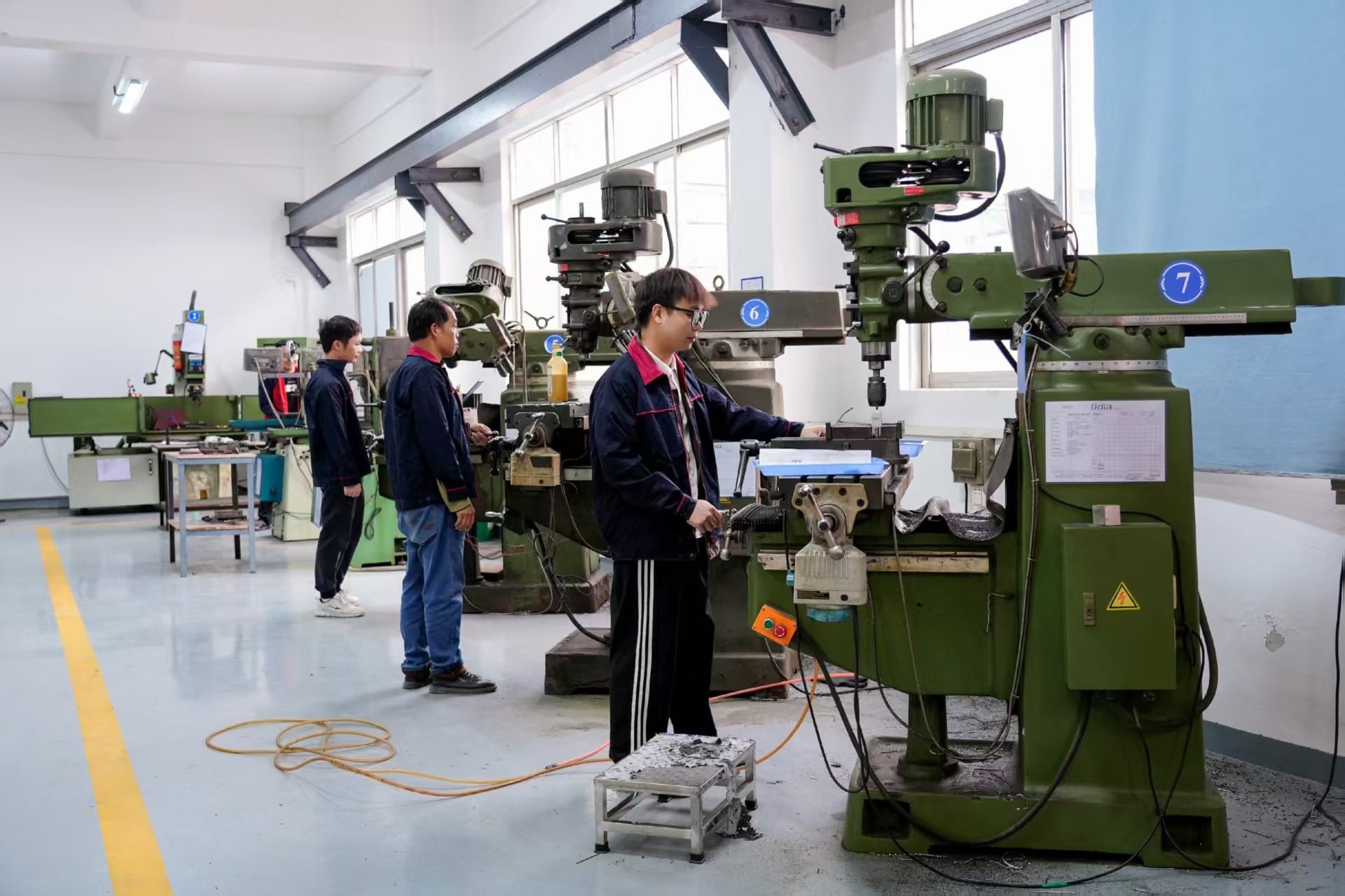
18
Aug
21
Sep
11
Sep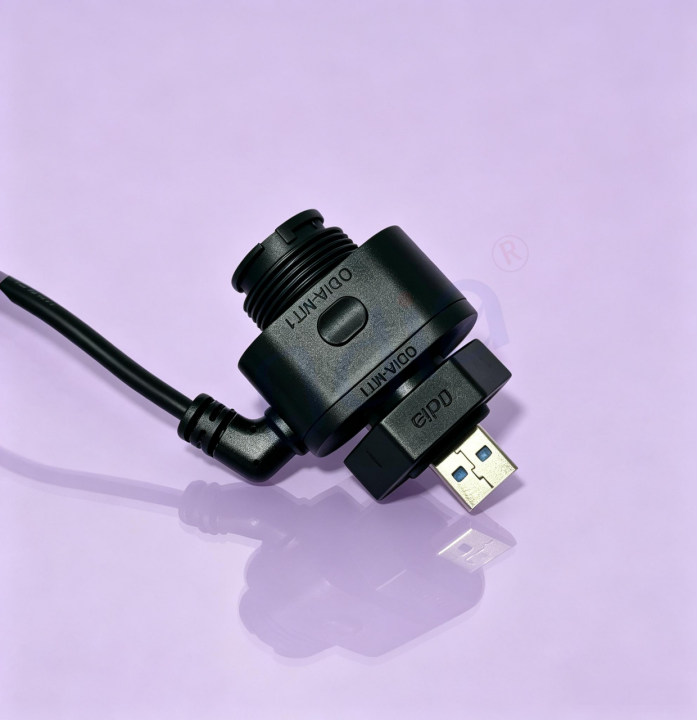


 EN