
 EN





What Is Plastic Housing?
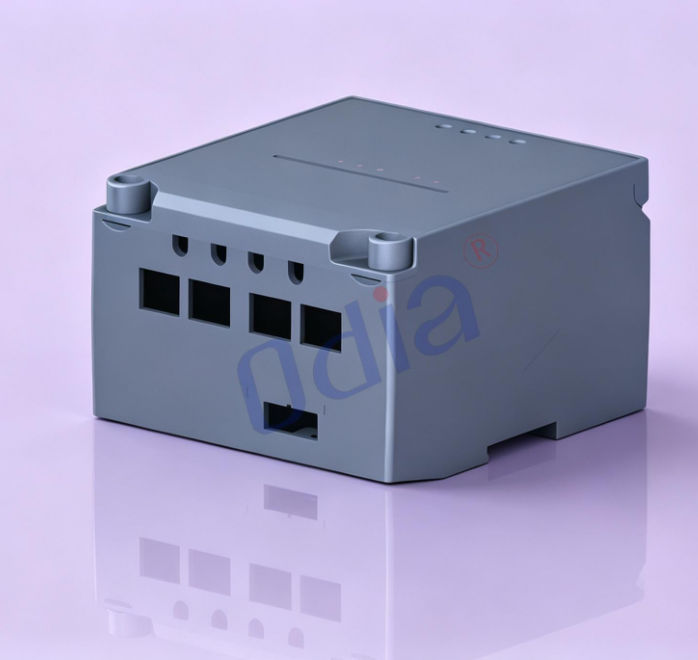
Plastic housing refers to injection-molded enclosure components designed to protect and organize PCBs, connectors, and electronic assemblies. Unlike sheet metal enclosures, plastic housing enables complex internal geometry—integrated mounting bosses, snap-fit clips, cable routing channels, and ribbing for structural reinforcement—all produced in a single molding operation. This combination of design freedom and manufacturing efficiency makes plastic housing a practical choice across a wide range of electronic applications, from consumer devices to industrial control systems.
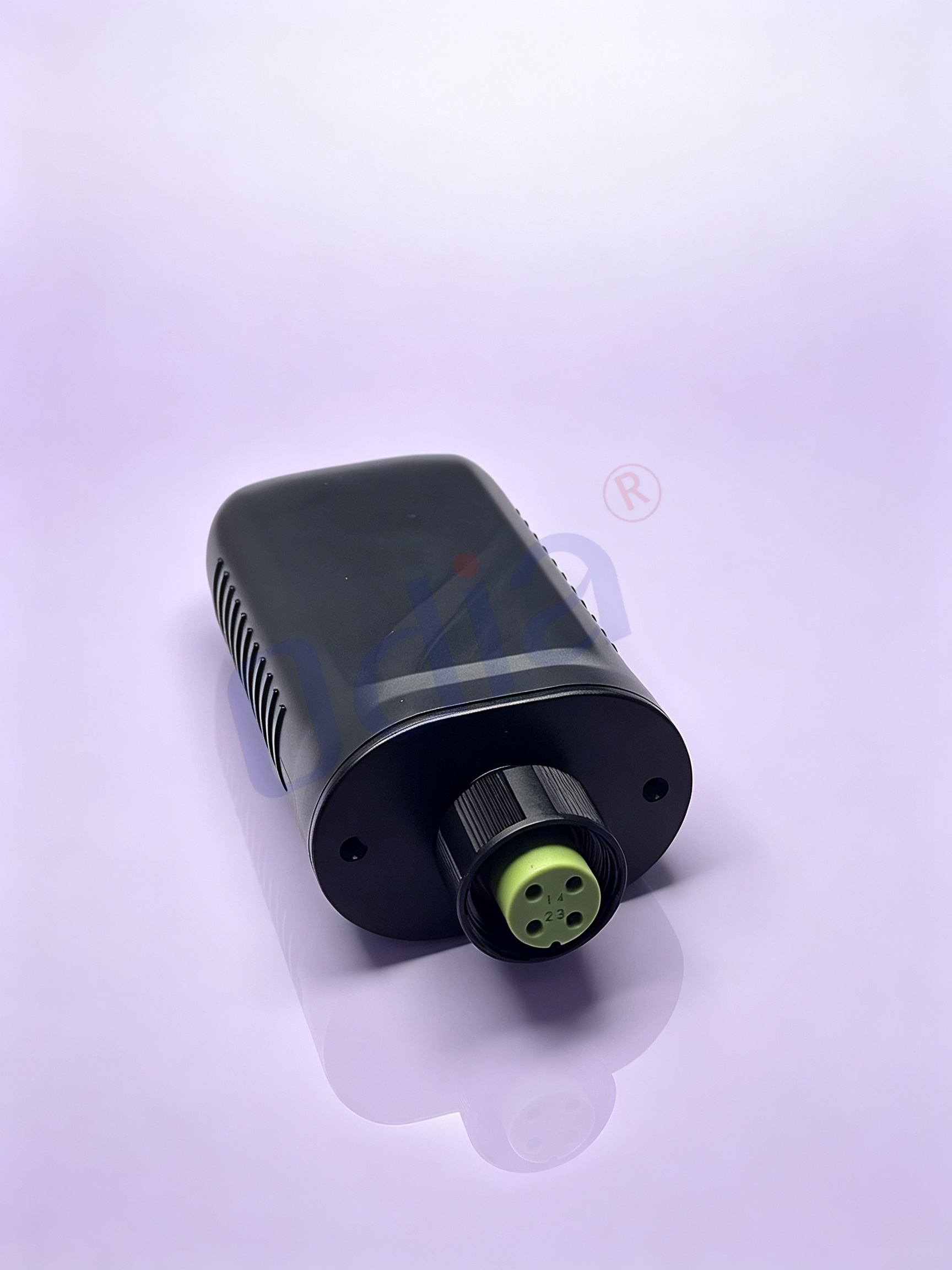
For engineering teams sourcing custom plastic enclosures, the selection process typically starts with form factor and environmental protection requirements, then moves into material selection and production volume planning. The Grid-Connected PV Conversion Box in this category illustrates one application: a structural outer housing protecting electronics in an energy system, where corrosion resistance and dimensional consistency are primary requirements.
Key Product Characteristics
You already know that material type and dimensional tolerance are the baseline specs for any plastic housing. What is worth spending more time on is how those specs translate into real-world performance across thermal cycles, assembly operations, and environmental exposure—that is where many housing selection decisions move in an unintended direction.
- Lightweight construction: Injection-molded thermoplastic housings typically offer significant weight reduction compared to equivalent metal enclosures—a benefit that matters for portable equipment and applications with mounting load constraints.
- Corrosion resistance: Unlike steel or aluminum, thermoplastic materials do not rust or oxidize. In humid or chemically exposed environments, this eliminates a common maintenance concern and extends service life without surface treatment requirements.
- Design flexibility: Plastic housing supports integrated functional features—mounting flanges, snap latches, internal dividers, and cable management channels—that would require secondary operations in metal fabrication. This flexibility allows designers to consolidate multiple parts into a single molded component.
- Space-constrained layout support: For assemblies where PCB and connector placement is tightly constrained, custom plastic housings can be designed around the exact internal geometry required, enabling horizontal cable exit and optimized internal routing without external modifications.
- Custom OEM configurations: Non-standard housing dimensions, integrated color differentiation, specialized apertures, and OEM-specific fitment are achievable through custom tooling. Custom plastic housing is appropriate when standard catalog enclosures do not meet dimensional or differentiation requirements—but custom tooling introduces lead time and MOQ obligations. It is worth assessing whether a standard housing with internal adapters can satisfy the core requirement before committing to custom tooling development.
- Material selection range: Housing materials including high-temperature nylon, LCP, and PBT are available to match specific thermal resistance, chemical resistance, and mechanical strength requirements. Material selection should be driven by the operating environment, not by default availability or material familiarity alone.
Common Application Areas
Custom plastic housings serve several end-use environments, each with distinct requirements that should drive material and design selection rather than price considerations alone.
Industrial automation and control: In factory automation settings, plastic housings protect PCBs and connector assemblies from contaminants, vibration, and thermal stress. Industrial automation buyers tend to prioritize housing reliability over unit price, because a field failure that exposes an electronics assembly to contamination can cause downtime that costs multiples of the housing's annual procurement value.
Energy systems and solar: Applications like grid-connected PV conversion systems require housings that resist prolonged UV exposure, humidity cycling, and thermal variation. These housings are often specified with particular attention to IP ratings and wall thickness consistency. A failure mode that emerges in outdoor energy applications is thermal cycling degradation—where initial testing passes without issue, but extended field exposure reveals stress at housing joints or seal interfaces as dimensional mismatch accumulates over time.
Medical and laboratory equipment: Medical device housings face stricter material traceability and surface finish requirements. The selection criteria extend beyond functional performance into documentation requirements, including material declarations and manufacturing process traceability.
Consumer and commercial electronics: Higher-volume applications benefit most from the per-unit cost efficiency of injection molding. At production scale, well-designed plastic housings achieve tight dimensional tolerances that support consistent assembly and reduce line-level rework.
For engineers designing for harsh environments—high temperature, vibration, and humidity present simultaneously—the challenge is identifying housing materials and designs that reliably meet all required environmental ratings together. Passing a single environmental spec is the minimum bar, not the selection target. What determines success in harsh industrial installations is the combination of material thermal stability, dimensional tolerance consistency, and sealing geometry working together.
How to Select the Right Plastic Housing
Selection decisions for plastic housing are most effective when they start from the operating environment rather than the product catalog. The key decision variables are outlined below.
- Define the thermal environment first: The operating temperature range—including both continuous and peak excursions—should drive material selection. Standard ABS performs adequately in benign environments but degrades under sustained elevated temperatures. High-temperature nylon, LCP, or PBT are appropriate for applications involving elevated ambient conditions or proximity to heat-generating components. The guidance here aligns with general enclosure performance standards applicable to industrial and energy applications; if a specific standard number is relevant to your project, confirm the current active version before citing it in qualification documentation.
- Evaluate environmental protection requirements: IP rating requirements should be confirmed against the actual installation environment, not estimated from application type alone. Over-specifying IP rating adds cost without proportional protection benefit; under-specifying risks field failure. For applications in contaminated or wet environments, sealing geometry and housing wall thickness consistency are as important as material selection.
- Assess the custom vs. standard tradeoff: Custom plastic housing can solve unique internal geometry constraints or OEM differentiation requirements. However, custom tooling introduces lead time extension and minimum order quantity obligations. Design teams should confirm whether a standard housing configuration with internal mounting adaptation can satisfy the core functional requirement before initiating tooling development.
- Plan for prototype-to-production consistency: Design engineers transitioning from prototype to production often find that housing dimensions or features that worked at prototype scale create assembly consistency issues at volume. Reviewing wall thickness uniformity, draft angles, and gate placement during the design phase—rather than at first article inspection—reduces the likelihood of costly late-stage revisions.
- Match material to chemical exposure profile: For housings in environments with exposure to solvents, cleaning agents, or fuel vapors, chemical resistance should be verified for the specific material grade selected, not assumed from material family alone.
Why Plastic Housing Matters for Industrial and Electronics Procurement
For procurement managers and design engineers evaluating plastic housing sources, the selection criteria extend beyond unit pricing into supplier capability and documentation quality. The practical questions worth evaluating include: Can the supplier scale from prototype to production quantities while maintaining consistent dimensional output? Can they provide material declarations, country-of-origin documentation, and manufacturing process traceability as required by your supply chain qualification process?
In demanding industrial markets—particularly in EU and North American procurement workflows—the ability to provide verifiable material specifications and compliance documentation for plastic housing is increasingly treated as a qualification threshold rather than a differentiator. Buyers sourcing from internationally based manufacturers have found that documentation quality serves as a reliable proxy for manufacturing process discipline.
For OEM buyers requiring differentiated housing designs—specific colors, integrated labeling surfaces, or application-specific apertures—custom configuration capability adds direct value to the product development process. Sourcing both standard and custom configurations from a single supplier simplifies BOM management and reduces qualification burden during design-in.
In summary, plastic housing selection is most effective when driven by application environment, material performance requirements, and production scalability needs. Taking time to define those parameters before initiating supplier conversations typically results in a more efficient qualification process and a more reliable production outcome.