 ×
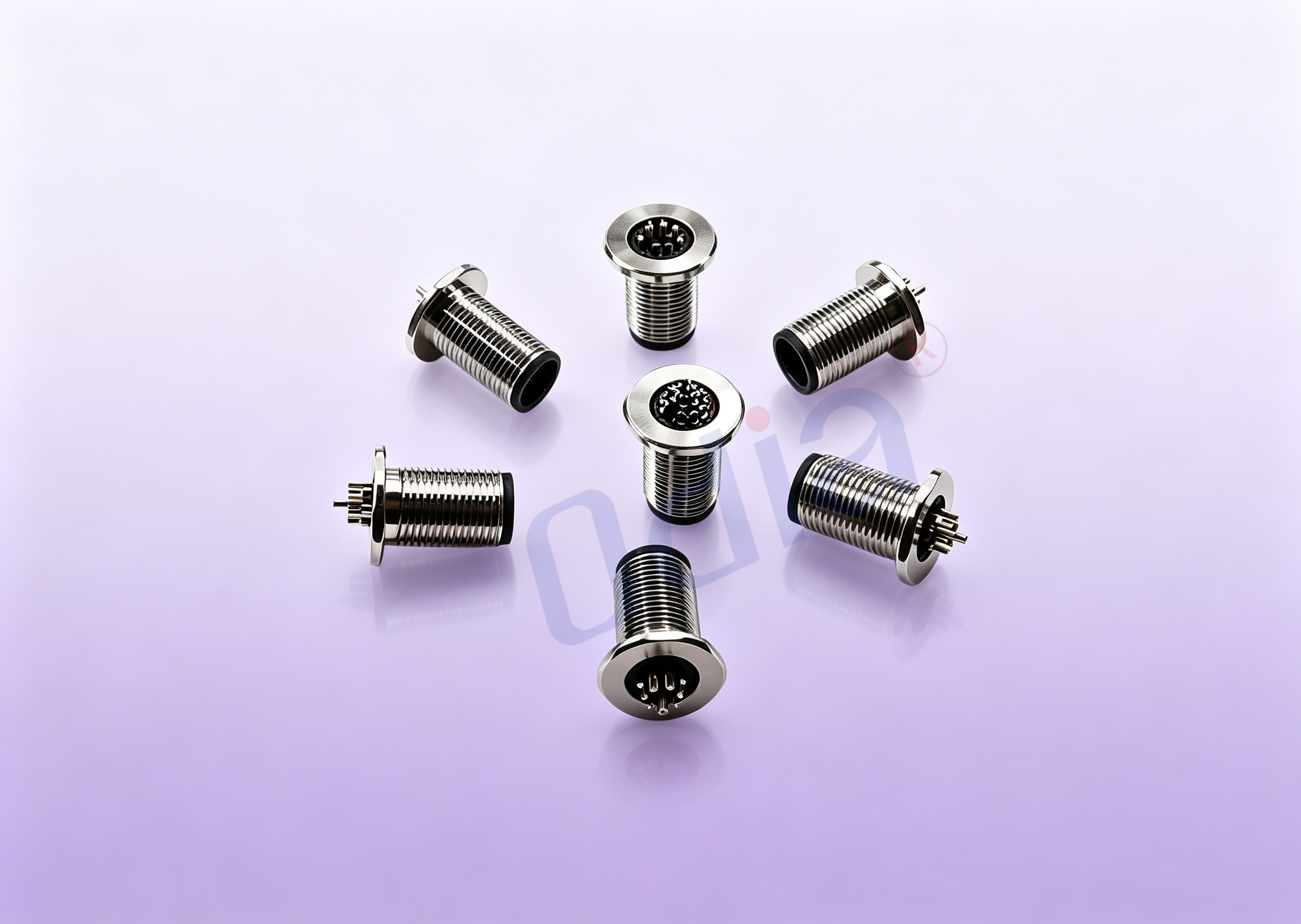
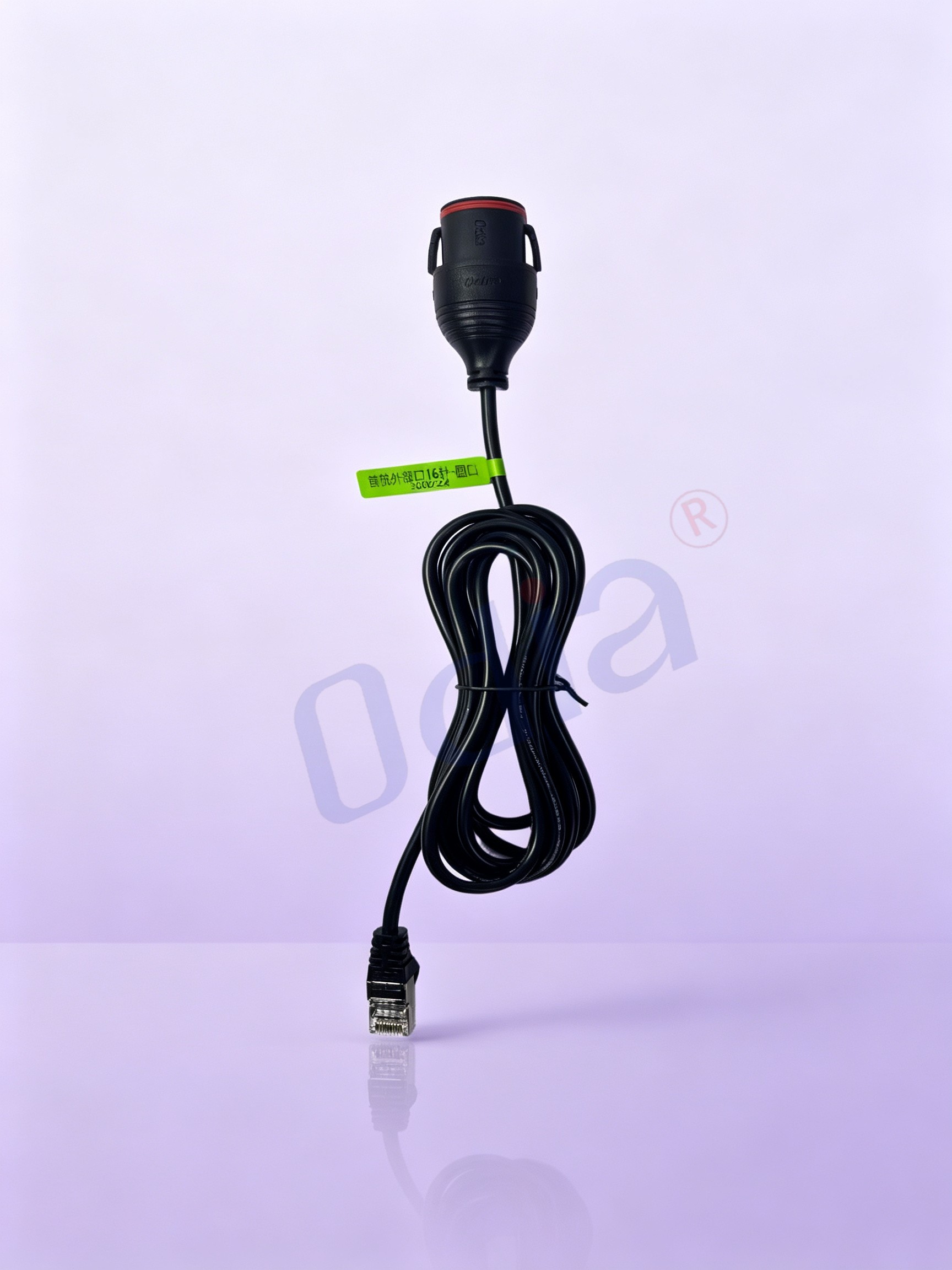
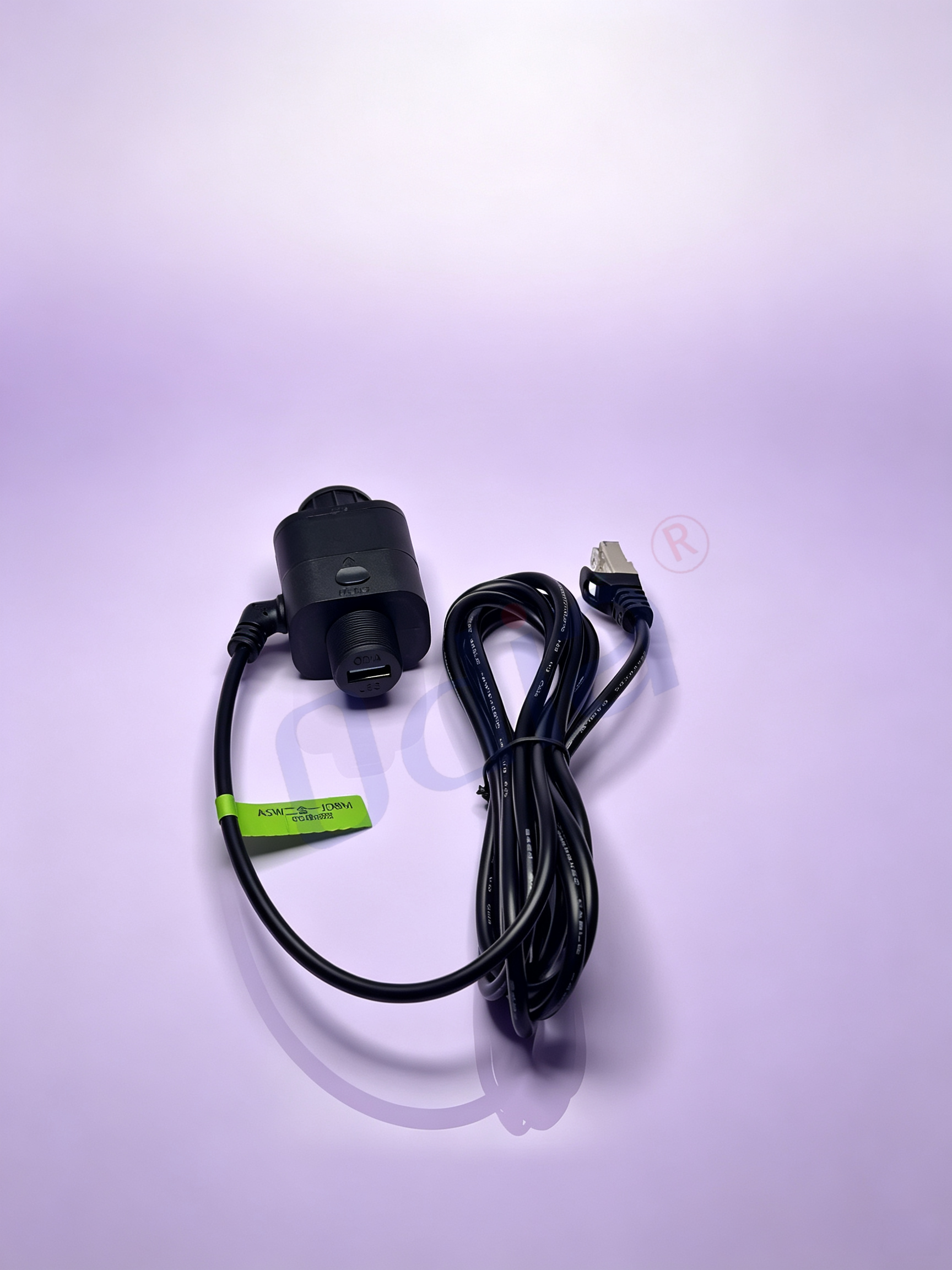
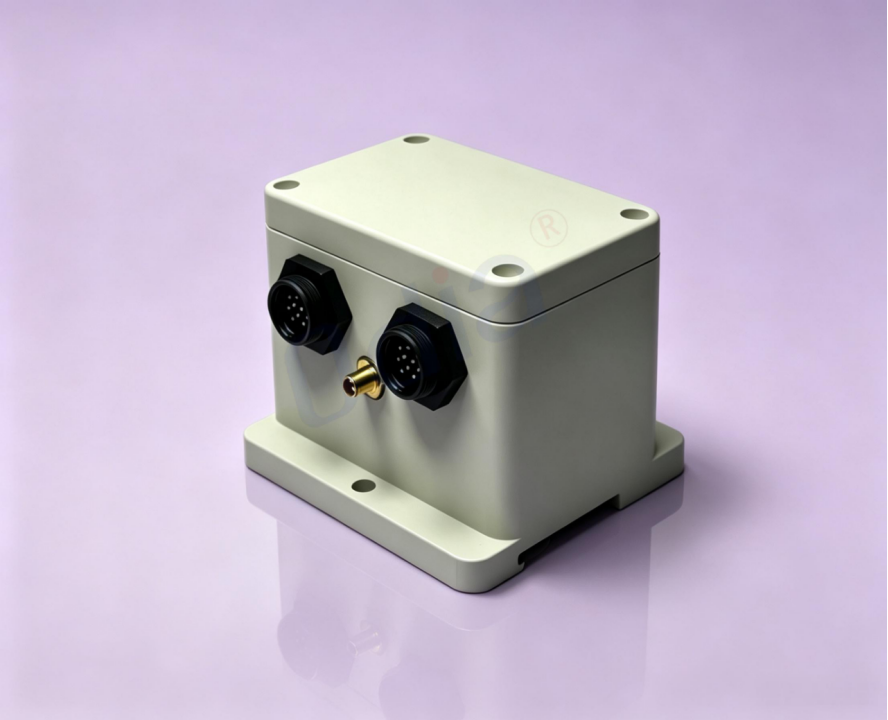
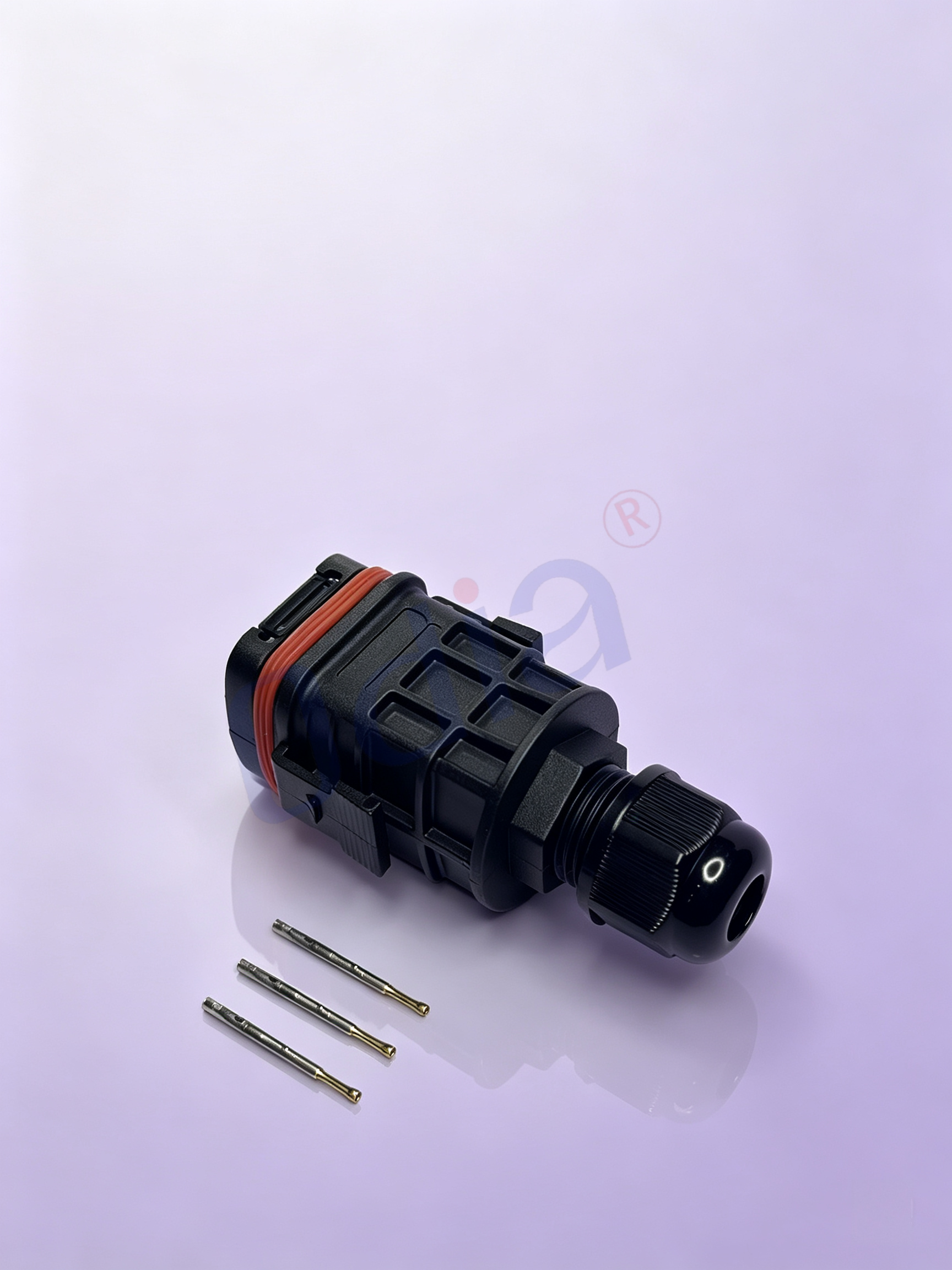
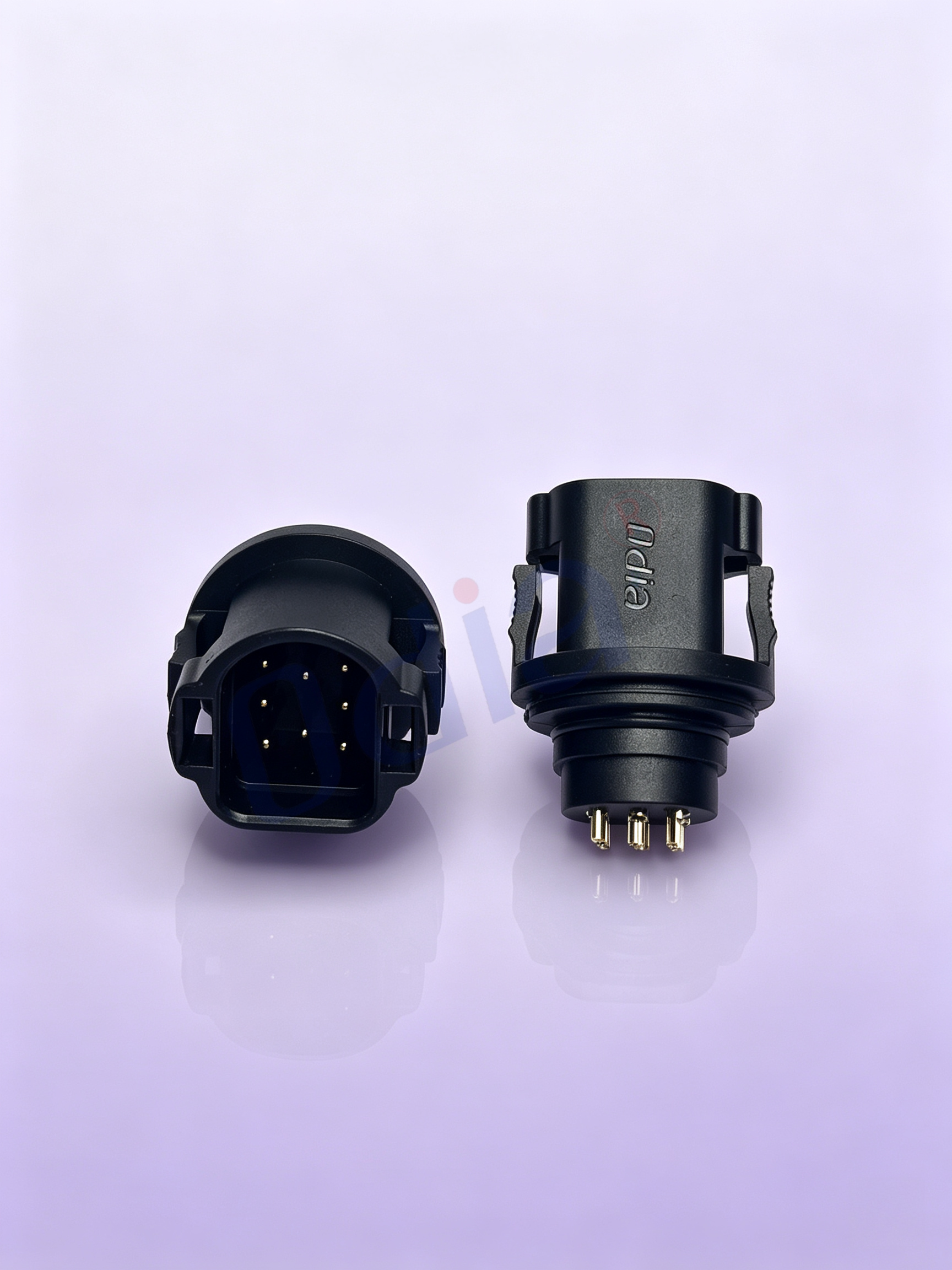
The sealed electrical connector is a specialized interconnect engineered to maintain electrical continuity while blocking environmental ingress. Its core function is to protect the contact interface from moisture, dust, chemicals and mechanical disturbance, which are the primary causes of intermittent signals and premature failure in field installations. A well-designed sealed electrical connector typically combines a molded or overmolded housing, elastomeric seals or gaskets, precision-machined contacts, and a positive locking mechanism. The sealing strategy may rely on radial seals around each contact, a face seal at the mating interface, or a combination of both, depending on the ingress protection target and the operating environment. Material selection is equally important: housing polymers must resist UV exposure, temperature cycling and chemical attack, while contact platings must preserve low contact resistance over many mating cycles. For international buyers, the practical value of a sealed electrical connector lies in reliability and serviceability. In industrial automation and rail transit, sealed connectors reduce unplanned downtime caused by washdown, humidity or vibration. In outdoor energy storage and photovoltaic plants, they help maintain performance through rain, dust and wide temperature swings. In 5G base stations and AI data centers, they support stable power and signal transmission in dense, heat-generating environments. When specifying a sealed electrical connector, engineers should consider IP rating, current and voltage ratings, contact count, mating cycles, cable compatibility and installation accessibility. A supplier with certified quality management and proven customization capability can translate these requirements into a durable, cost-effective sealed electrical connector that performs consistently over its service life.
18
Aug
21
Sep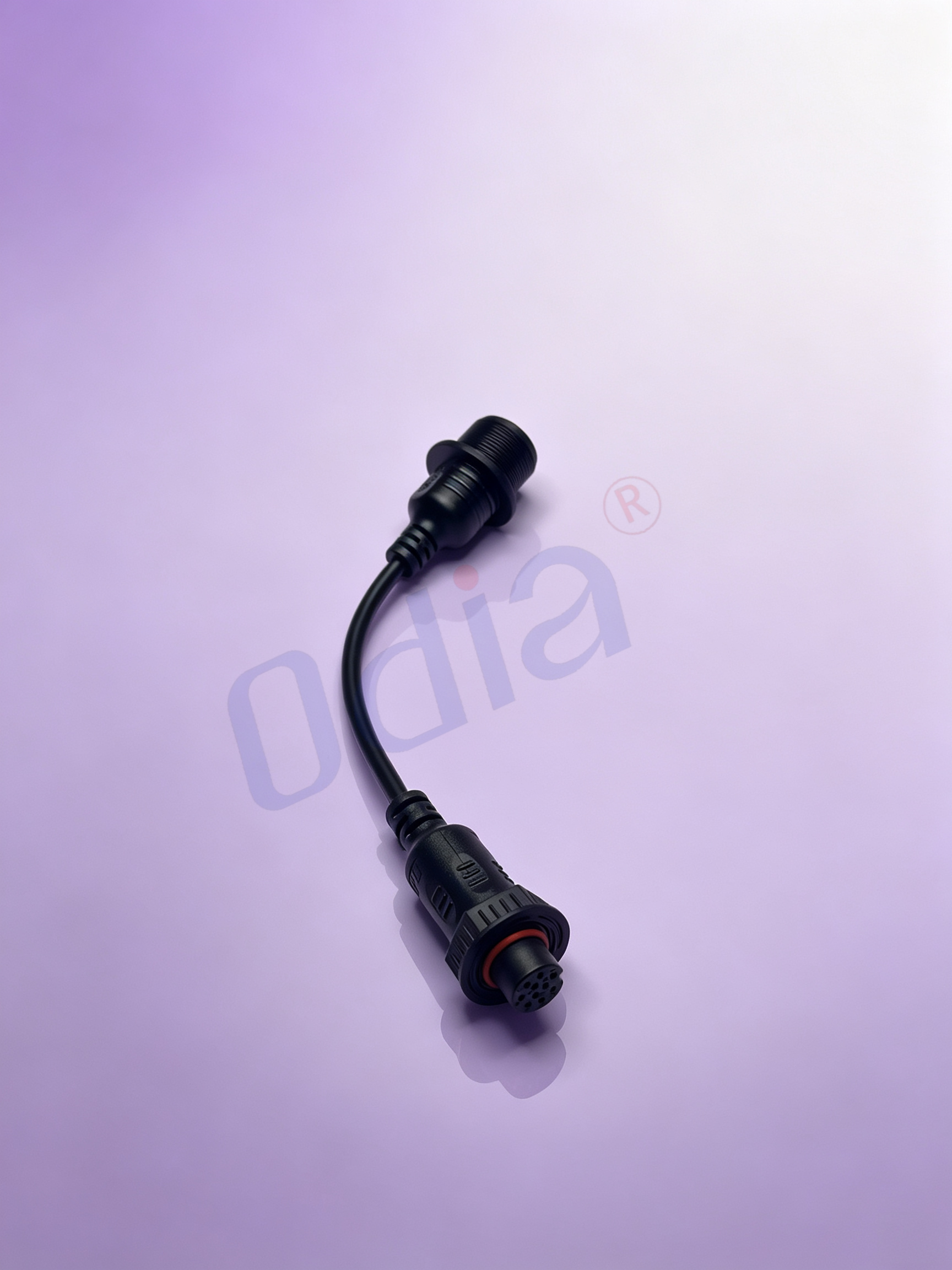
04
Sep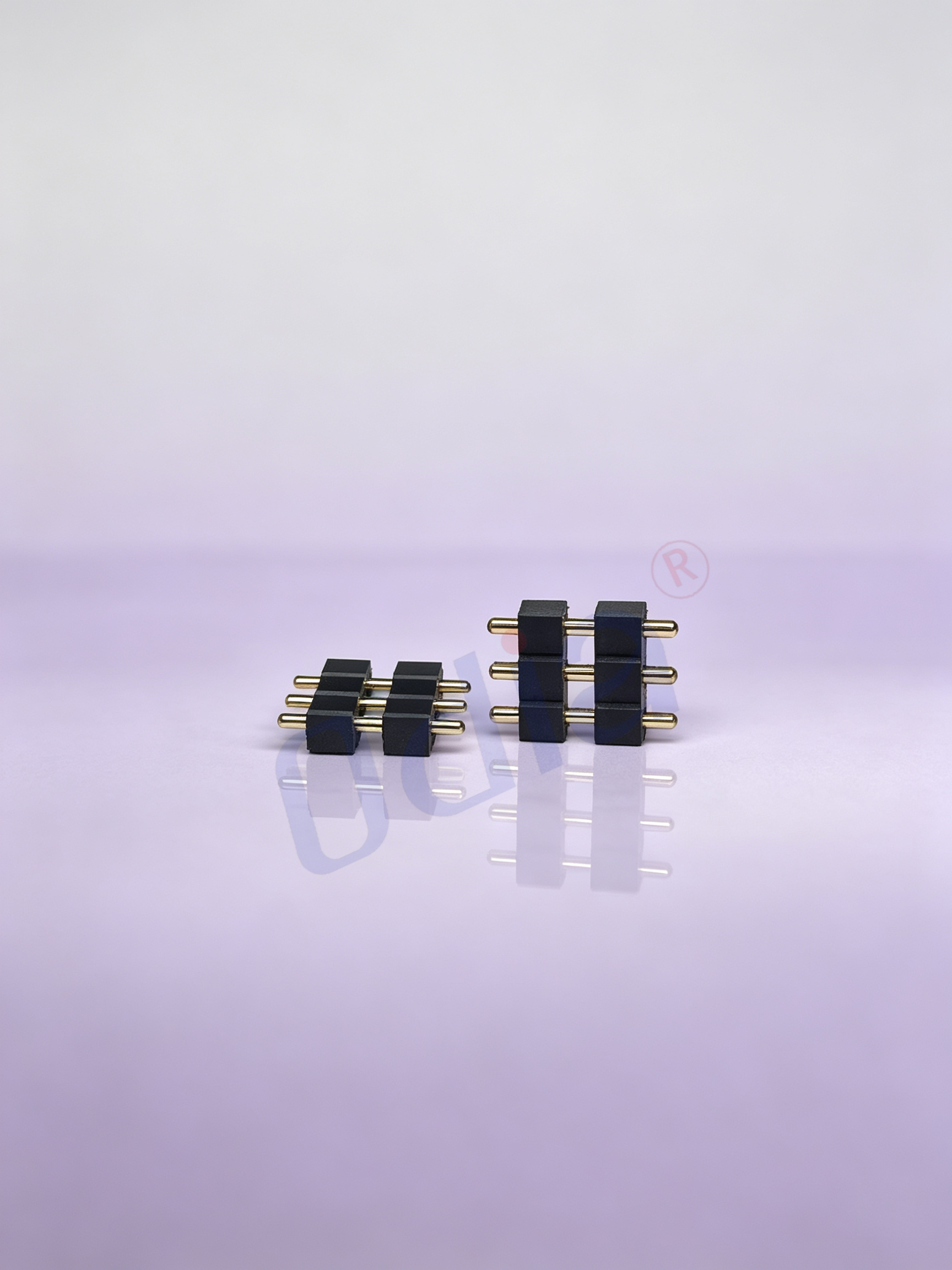
21
Sep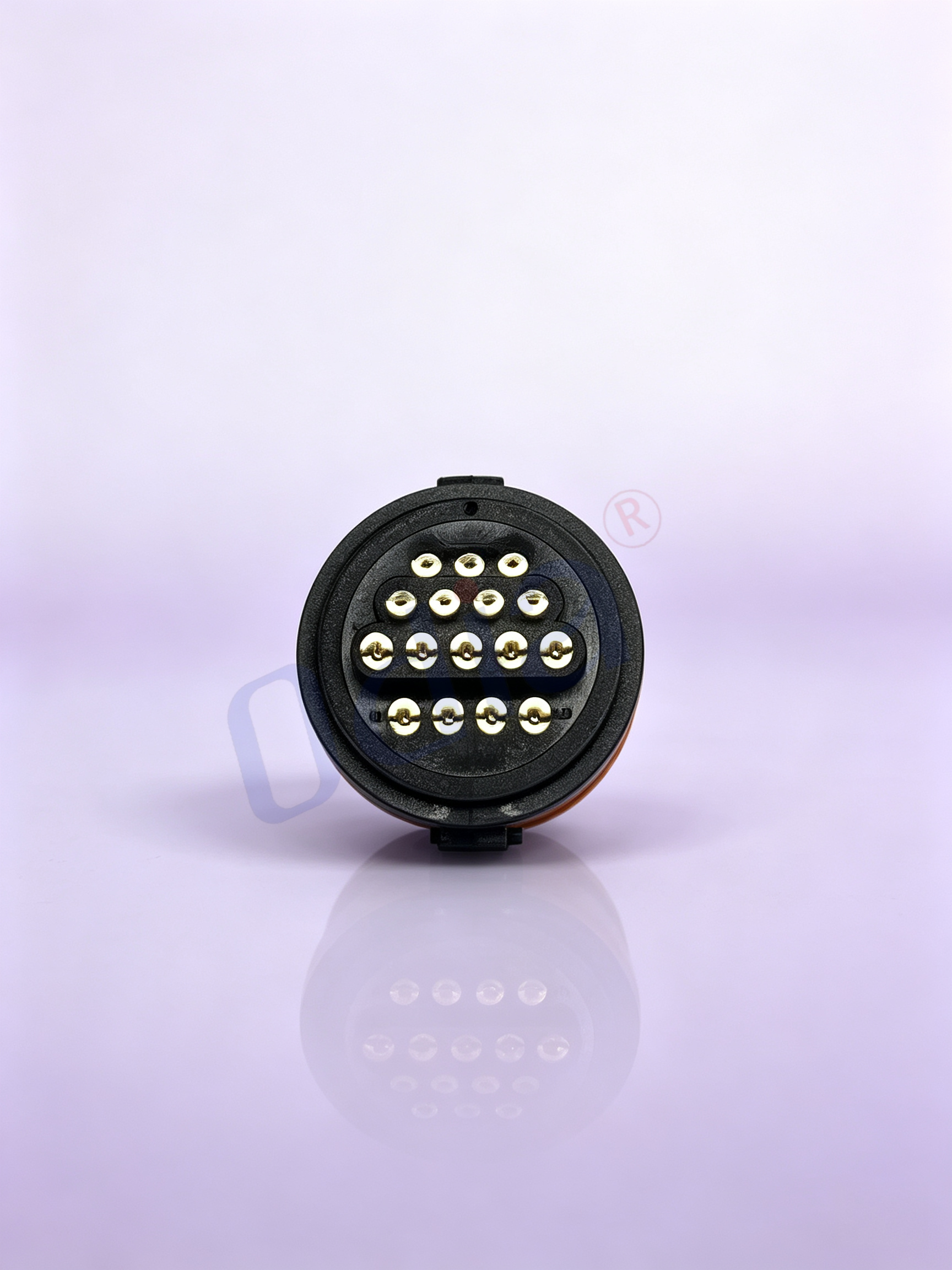


 EN