 ×
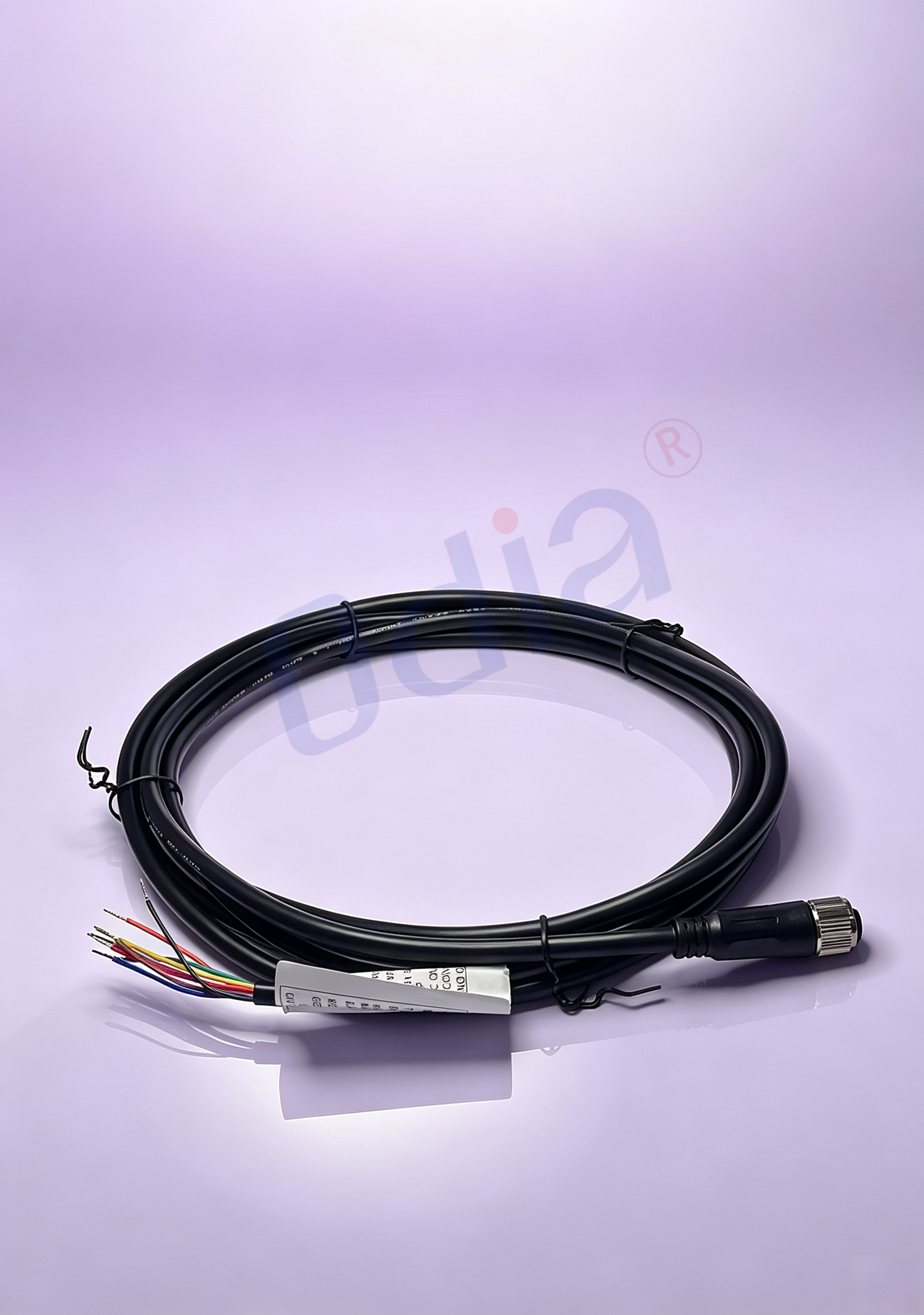
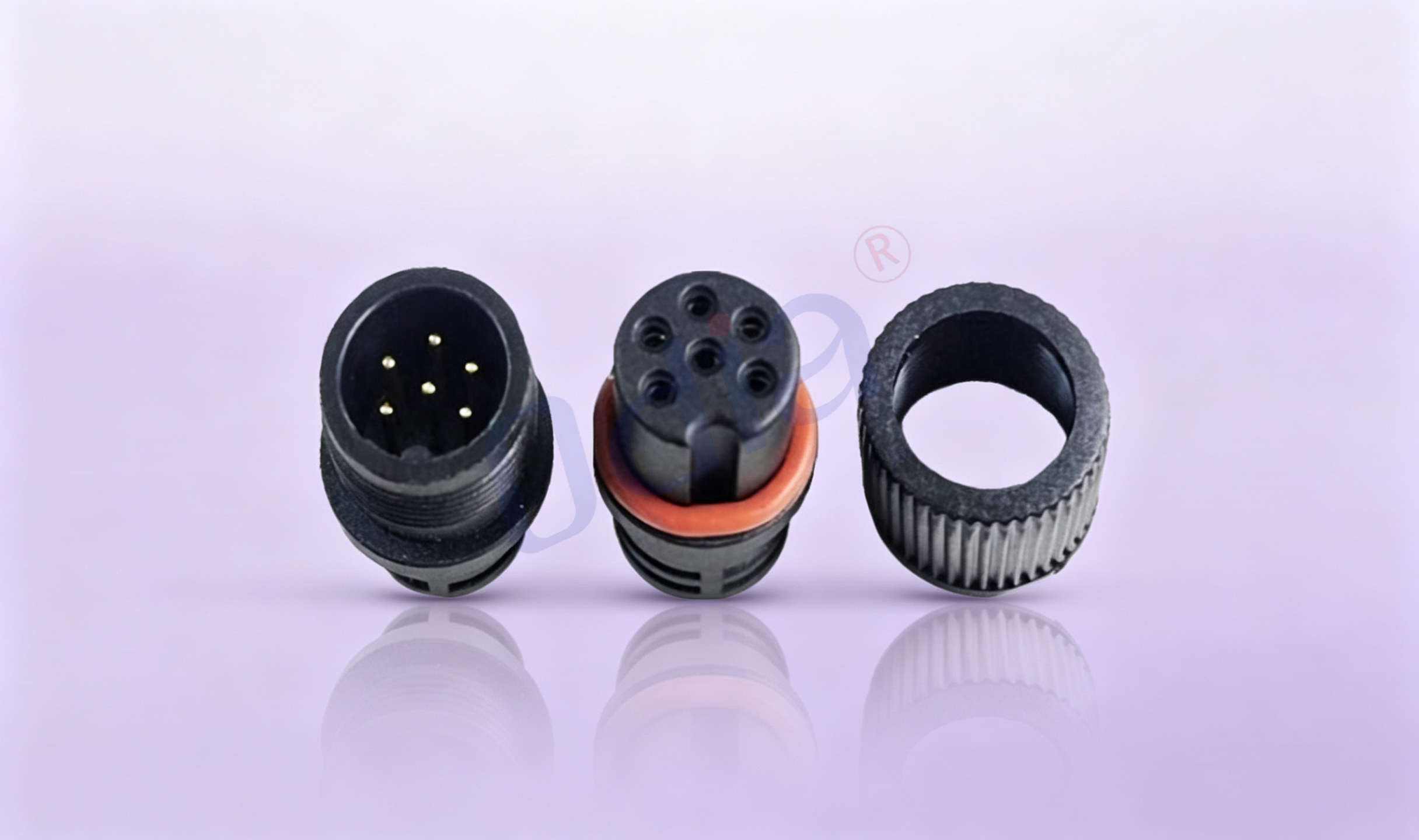
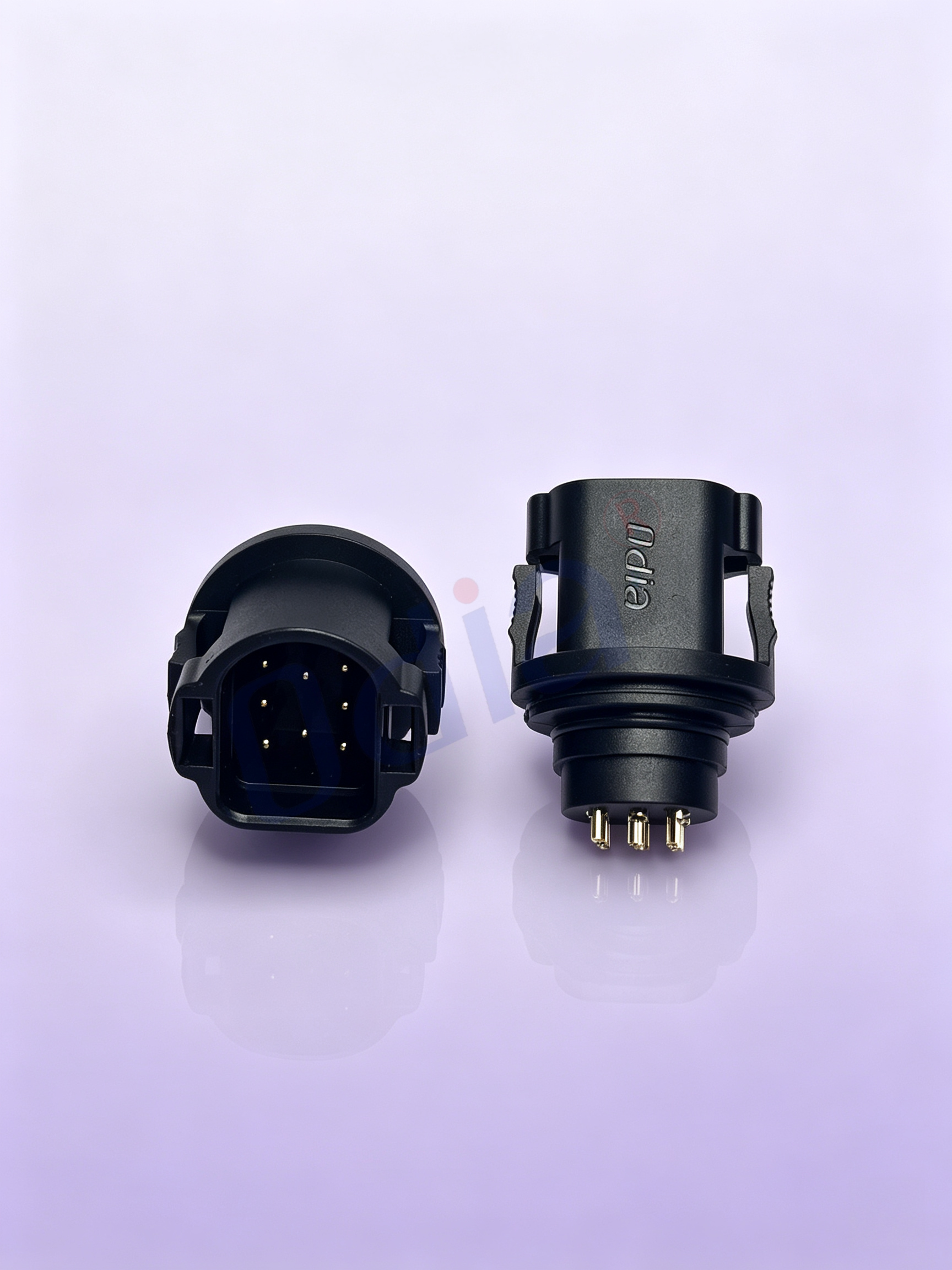
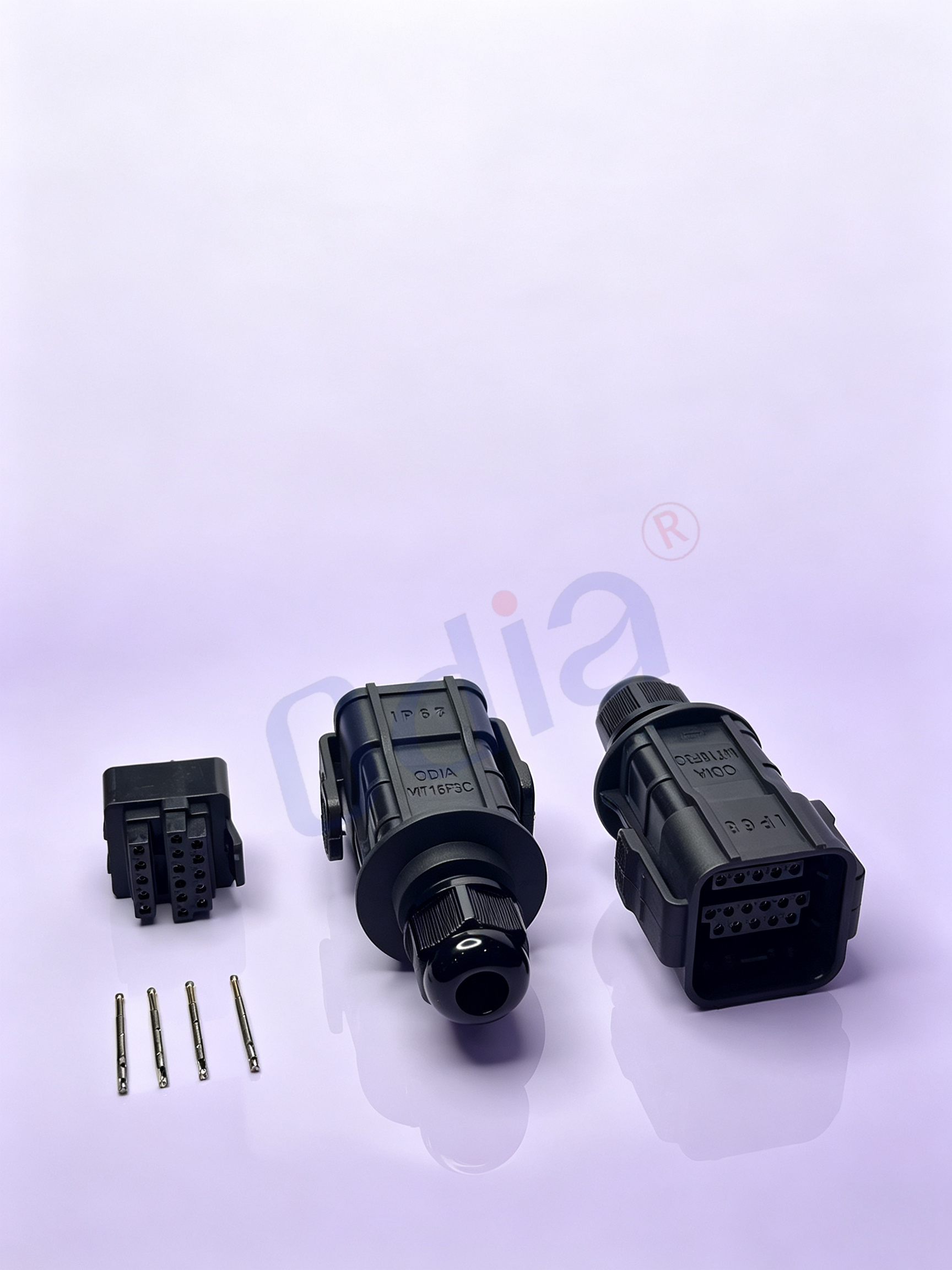
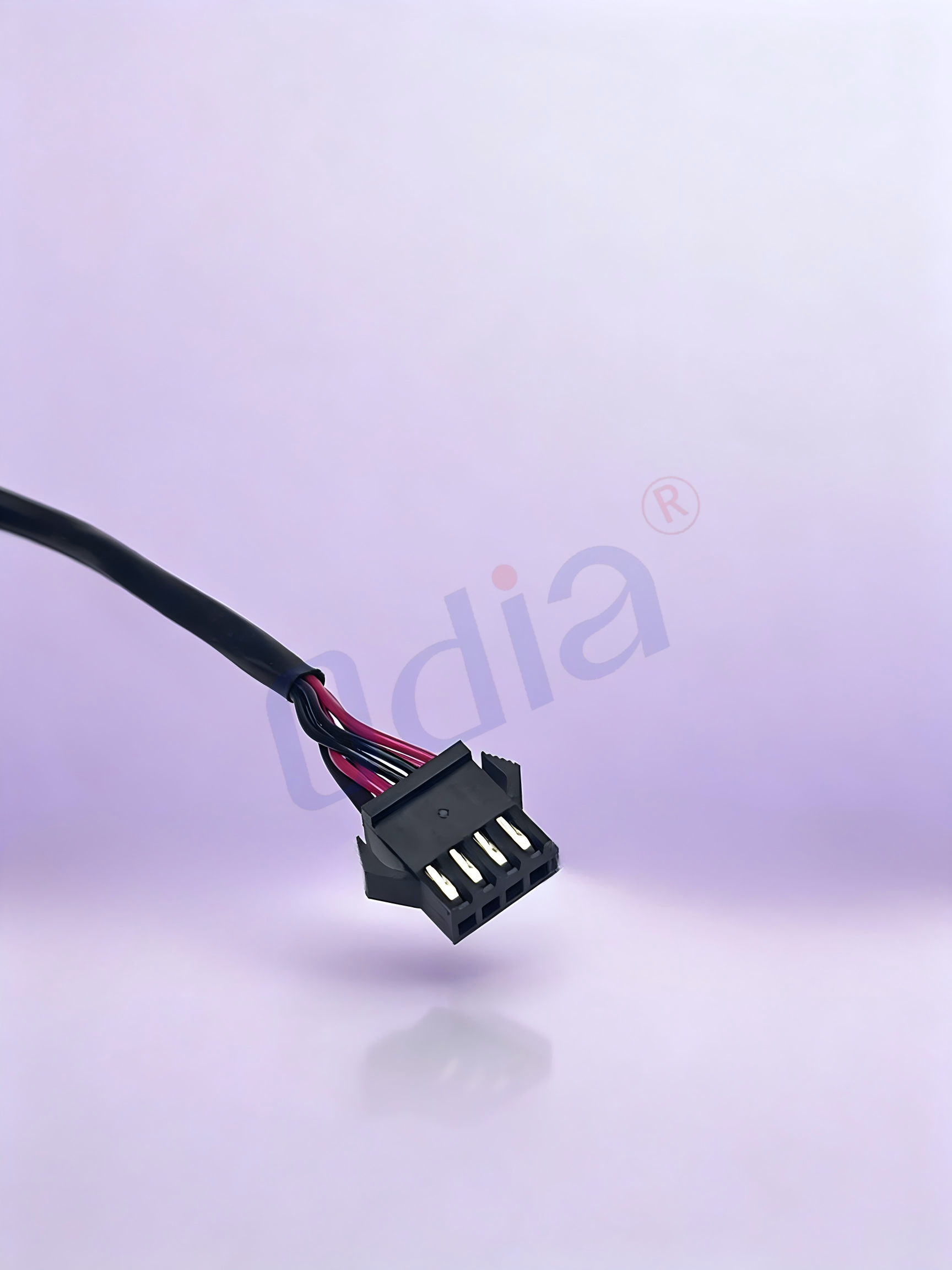
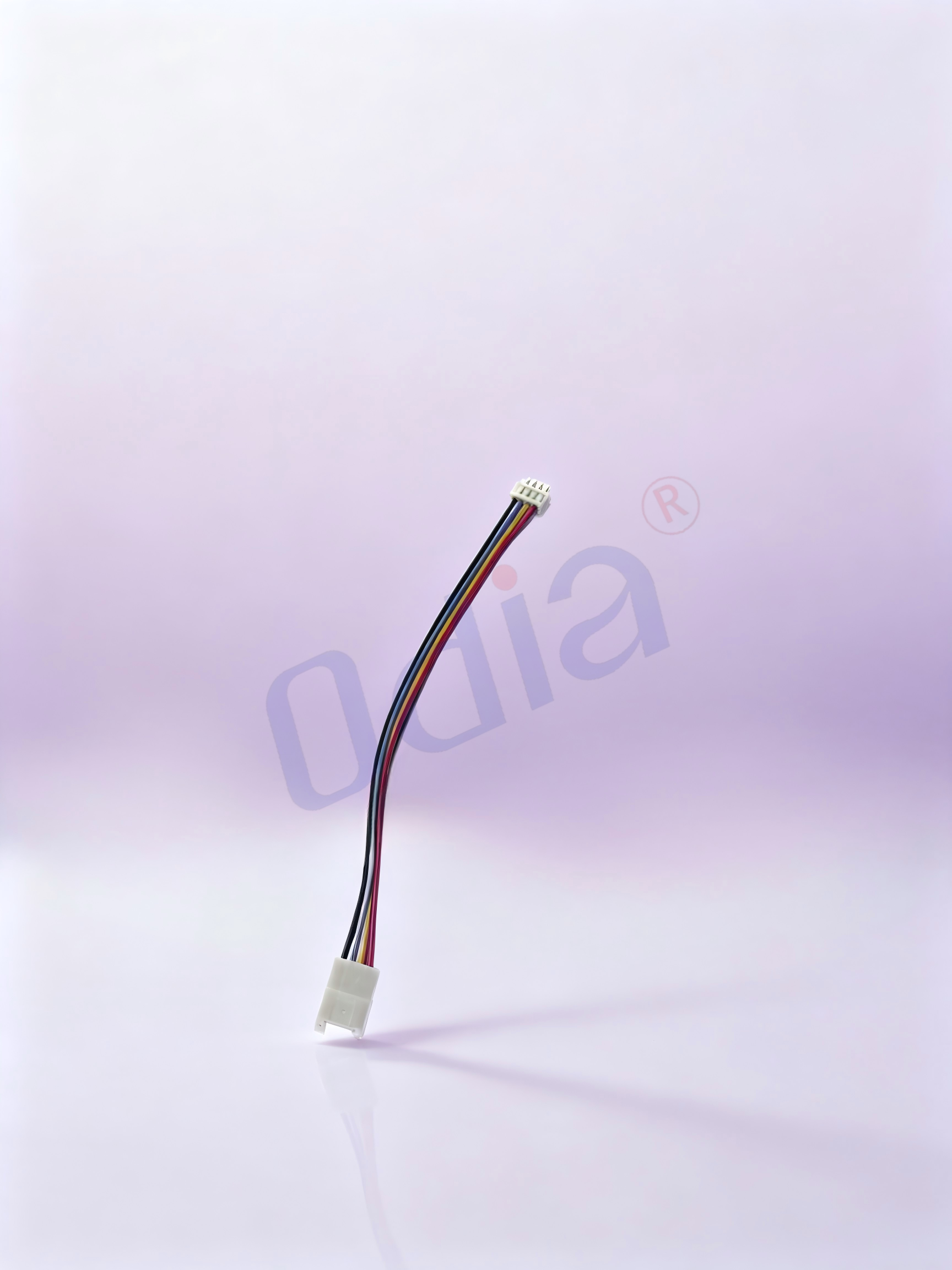
The wire to wire connector is a small component with an outsized effect on system reliability. It must maintain low contact resistance through thousands of mating cycles, resist vibration, moisture, temperature cycling and contamination, and still allow fast field assembly or replacement. Designers should therefore evaluate four parameters together: contact material and plating, housing material and flammability rating, locking and sealing construction, and the mechanical tolerance stack between plug and receptacle. A connector that looks adequate on a datasheet can fail when the cable is pulled, when the panel is vibrated, or when humidity condenses inside an unsealed cavity. Odia approaches this by matching terminal geometry to the cable gauge, validating retention force, and testing assembled harnesses rather than isolated parts. For international buyers, clear documentation matters as much as performance: drawings, material declarations and inspection records make approval and auditing straightforward. Selecting a wire to wire connector from a manufacturer that controls molding, stamping, assembly and testing in one facility shortens the feedback loop between design and production, which is exactly how reliability improves. The practical outcome is fewer field returns, lower warranty cost and predictable assembly time.

18
Aug
21
Sep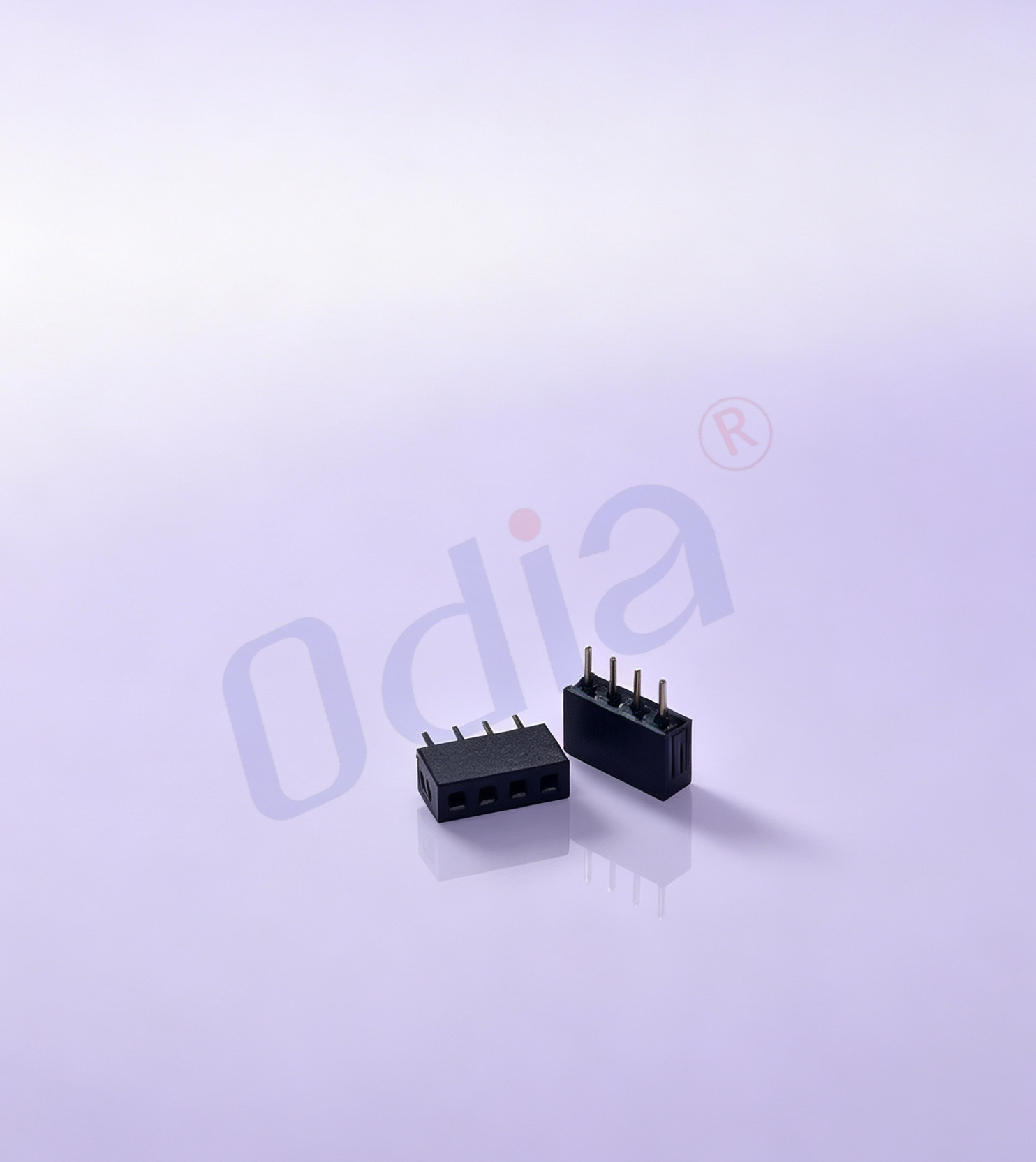
14
Sep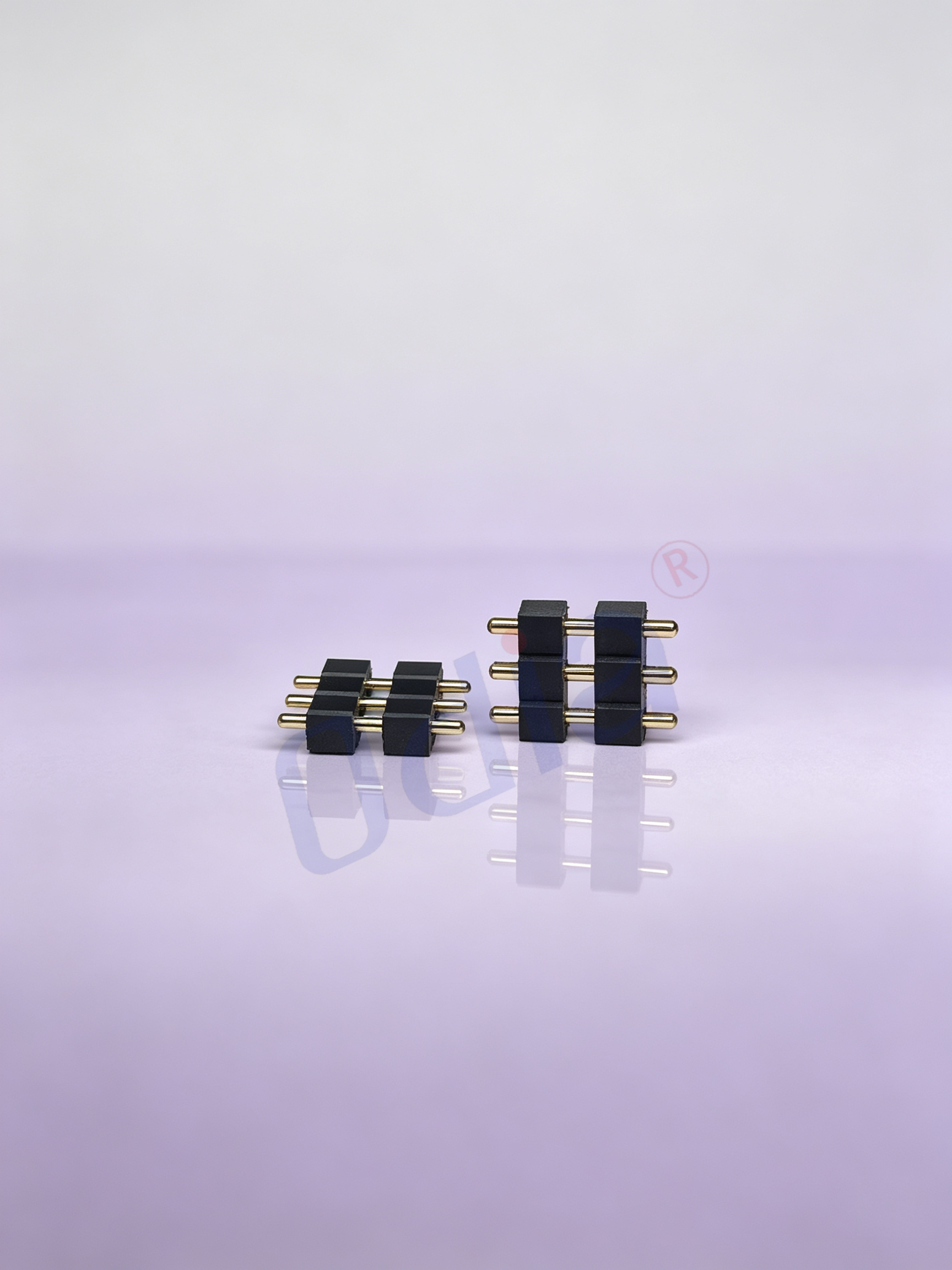
21
Sep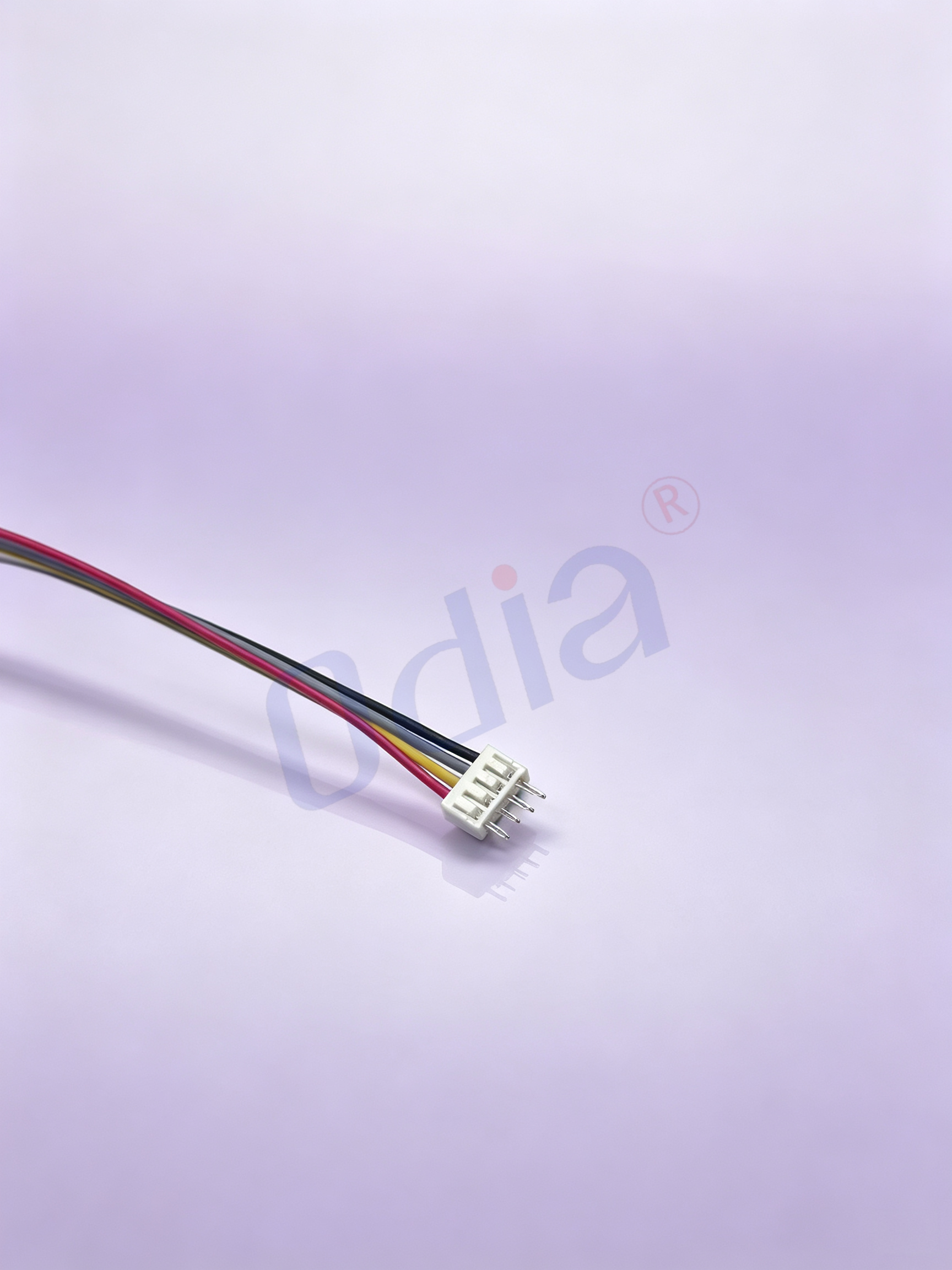


 EN