 ×
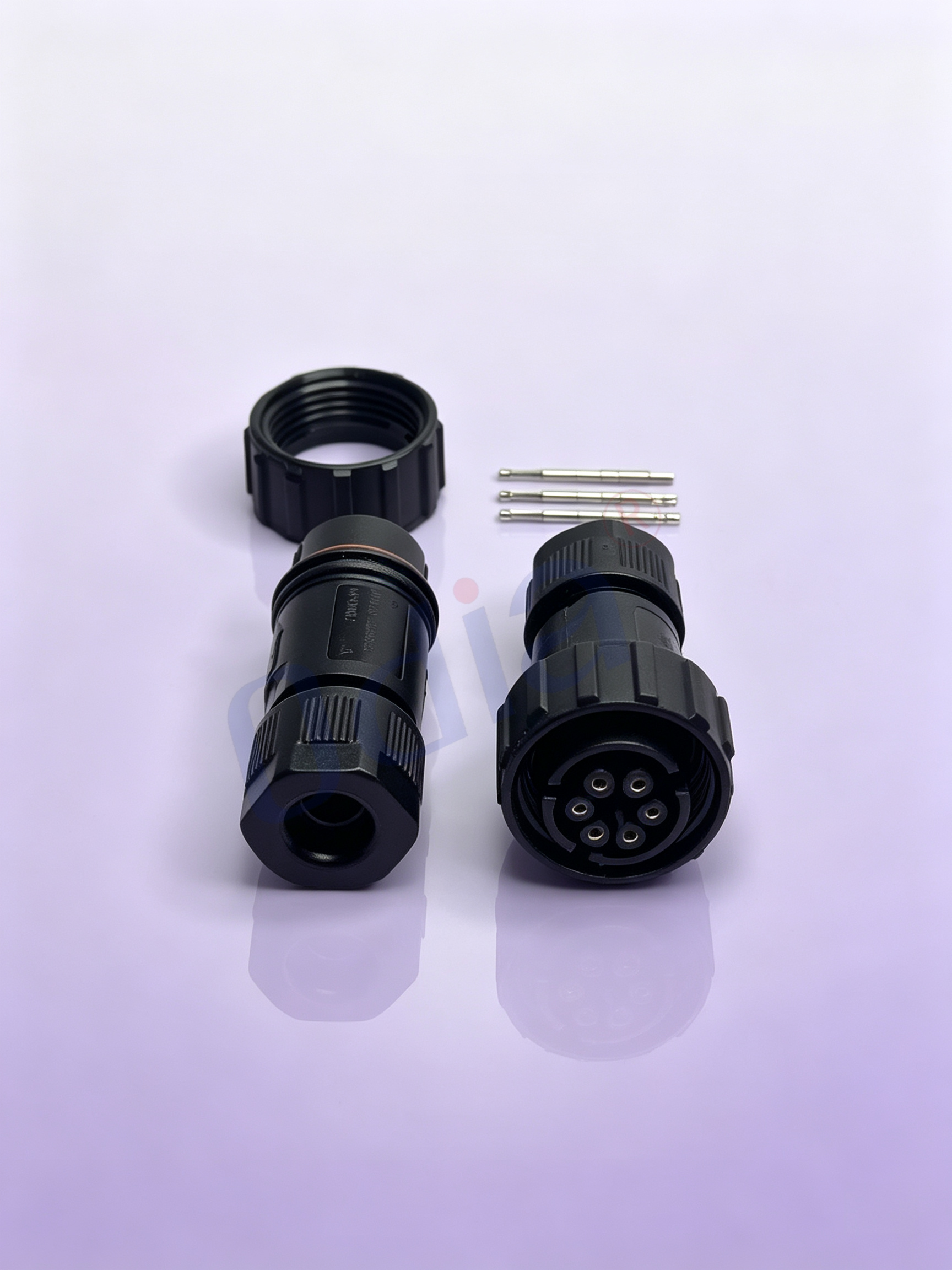
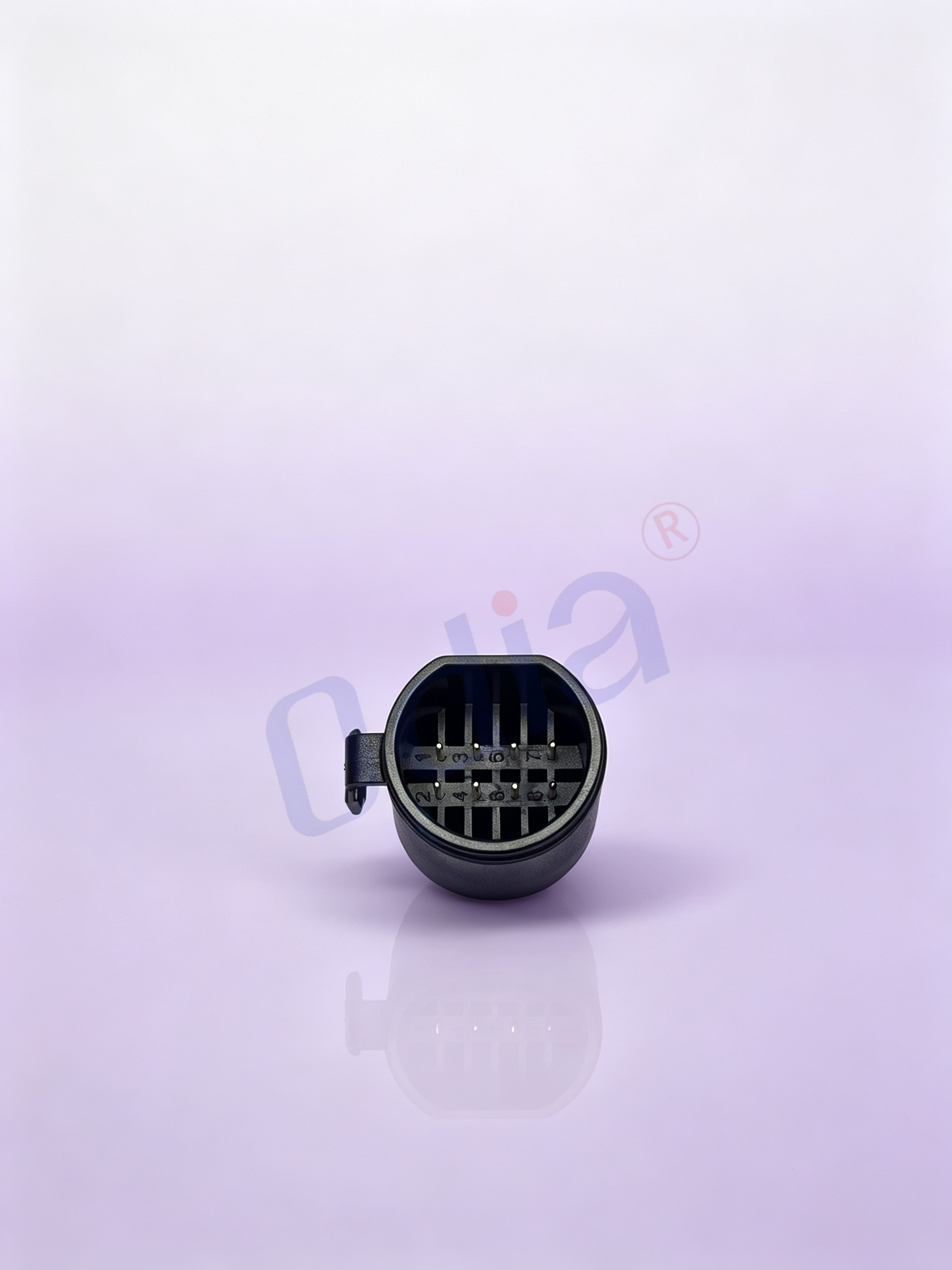
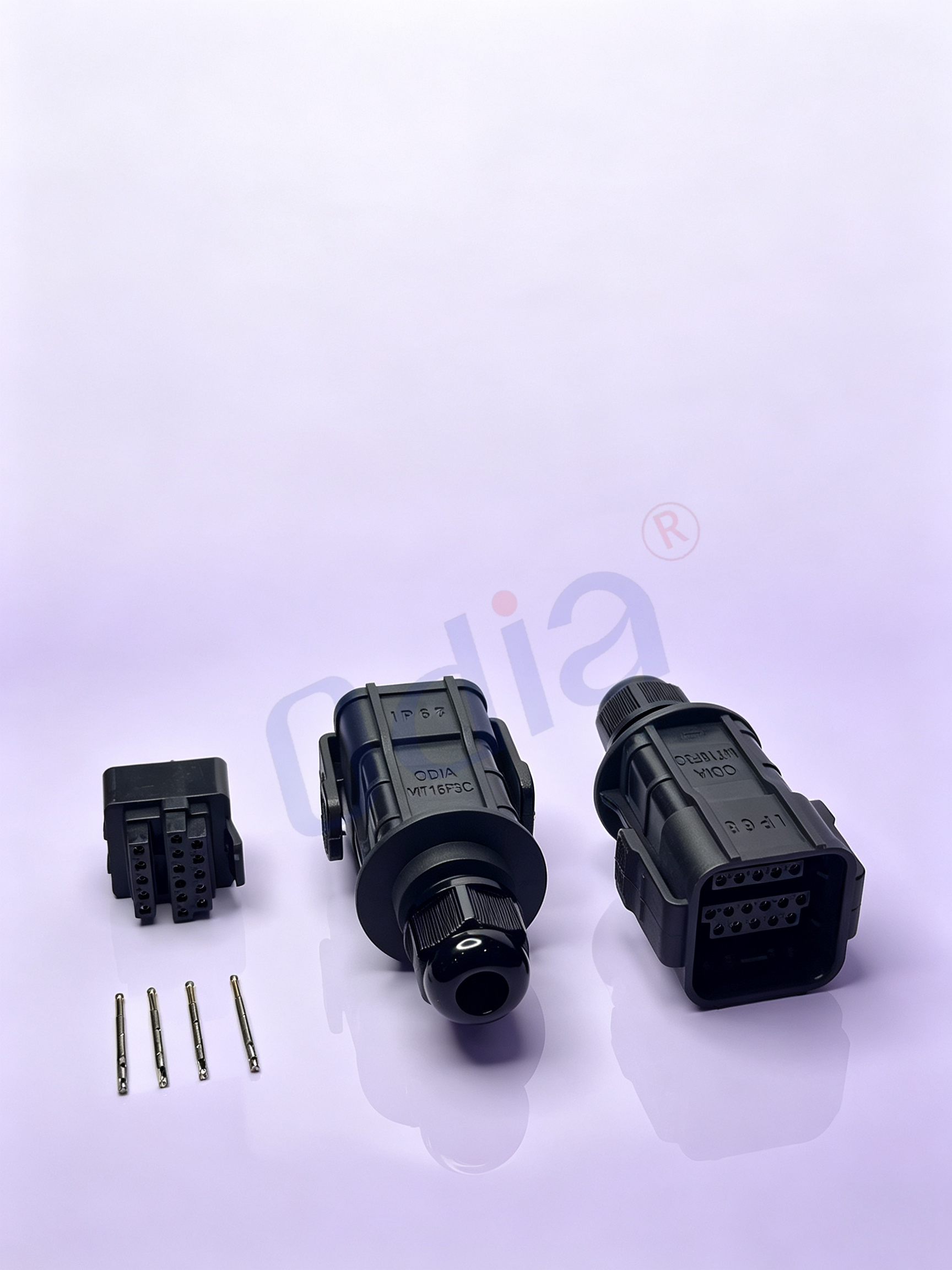
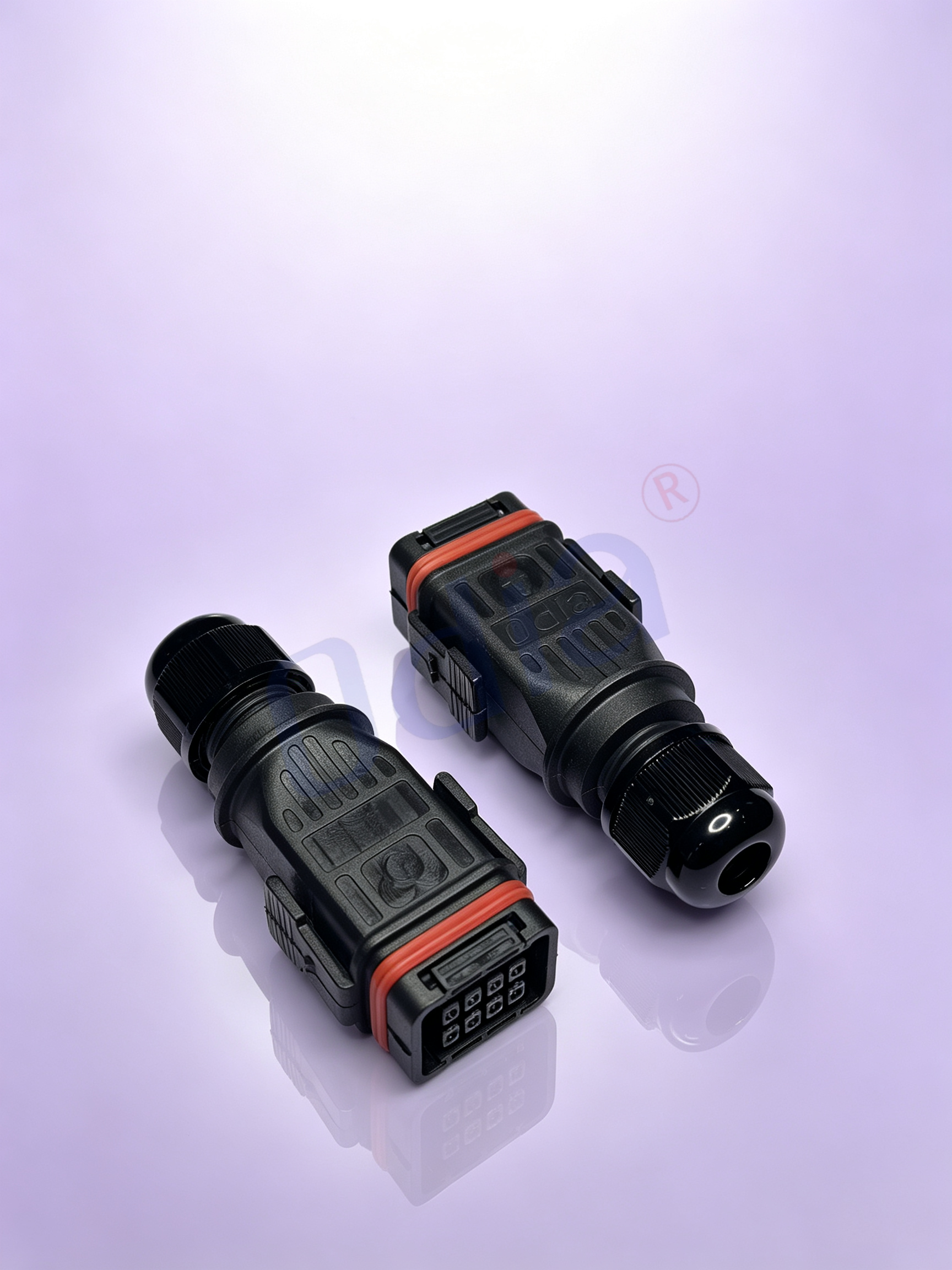
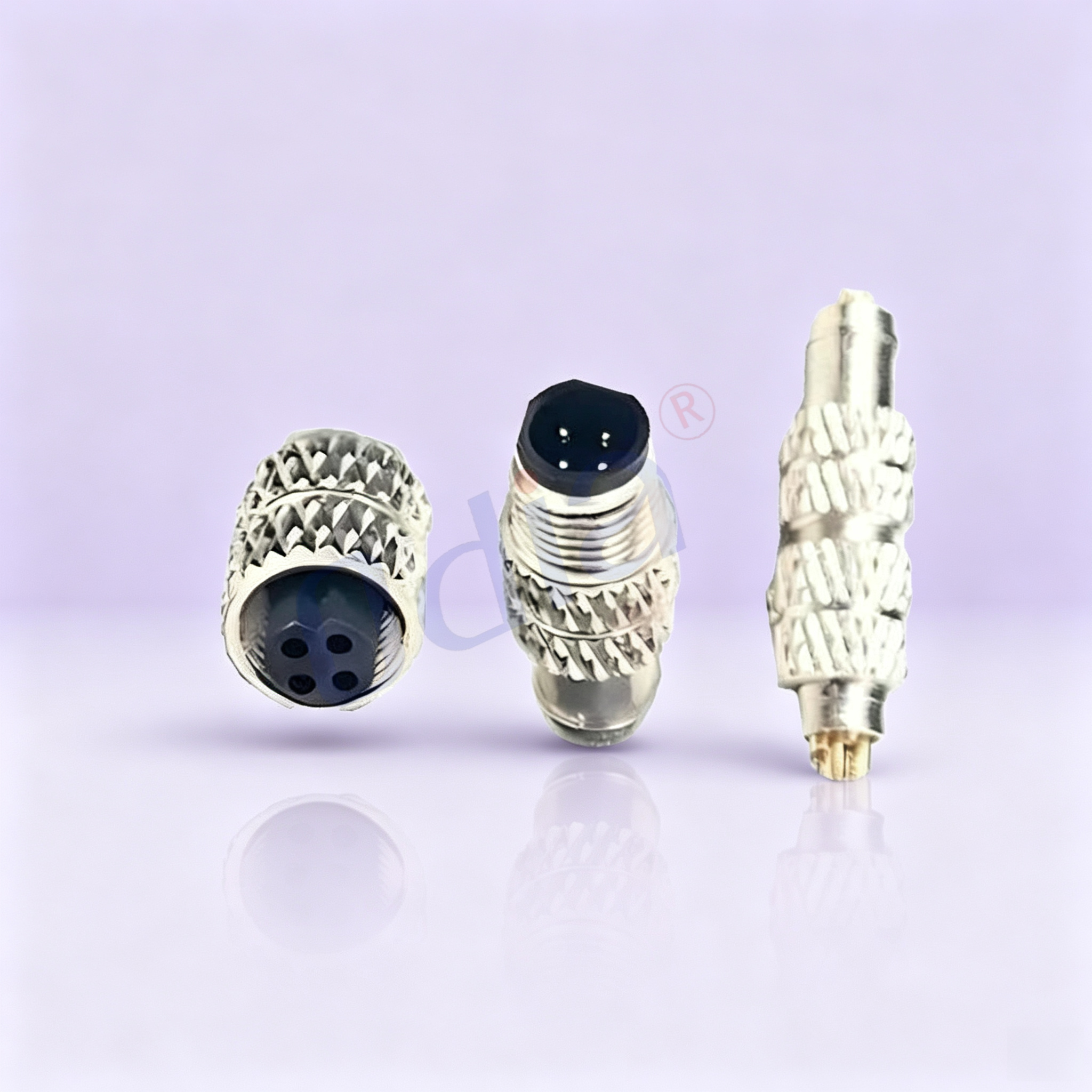
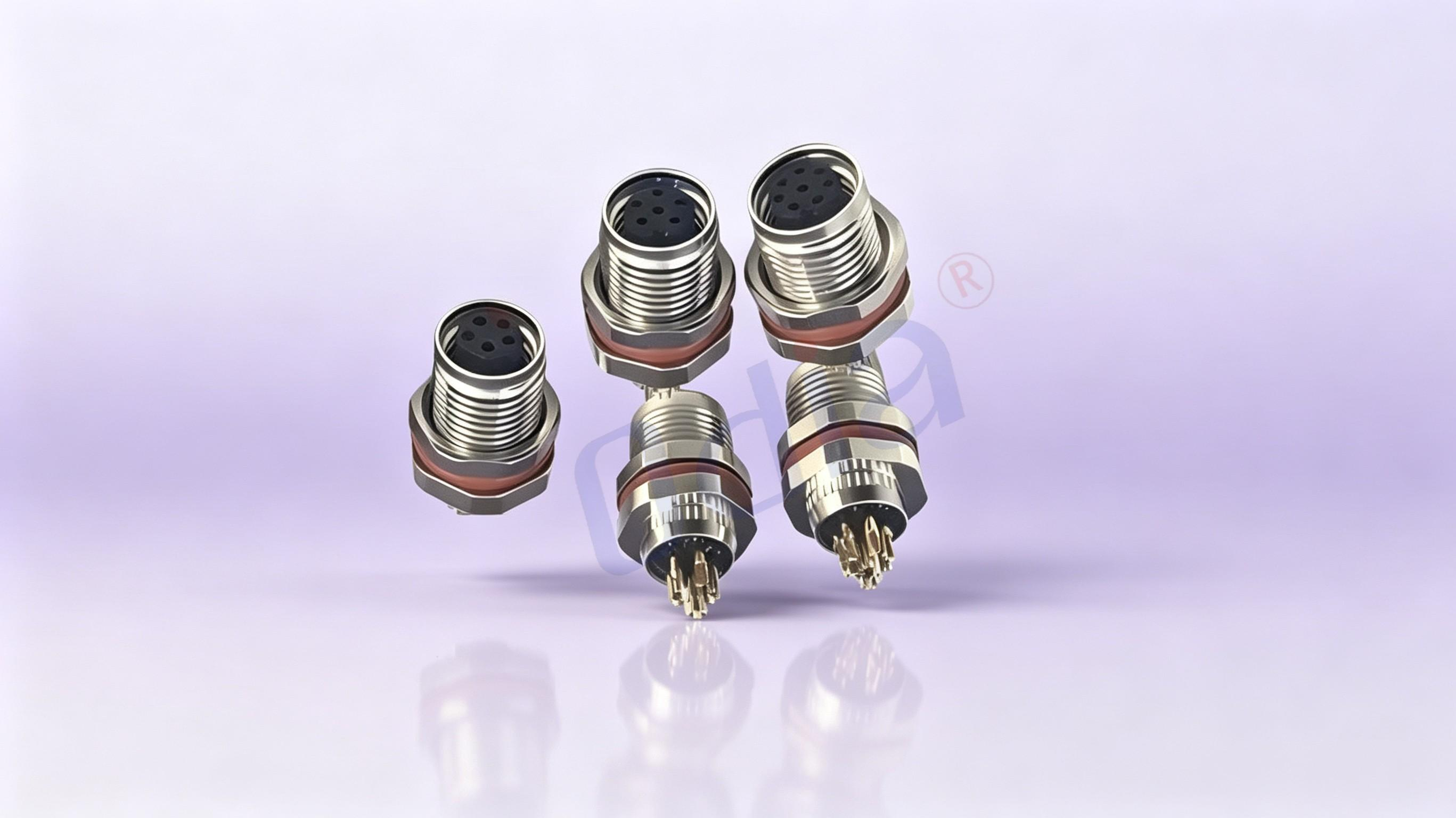
A Multi Port Wire Connector is more than a component; it is a design decision that affects assembly efficiency, maintenance strategy and system reliability. Unlike single-port connectors, a Multi Port Wire Connector consolidates several circuits into one interface, which reduces the number of mating operations, lowers the risk of cross-connection and simplifies cable management inside control cabinets and equipment. Engineers should consider current and voltage ratings per port, contact resistance, insertion force, keying and polarization, sealing level and strain relief when selecting a Multi Port Wire Connector. In industrial automation and rail transit, vibration resistance and secure locking are critical, while photovoltaic and outdoor installations demand waterproof performance and UV stability. For AI data centers and 5G base stations, signal integrity and thermal management become priorities, requiring low-resistance terminals and stable dielectric properties. By standardizing on a Multi Port Wire Connector family, manufacturers can streamline procurement, reduce SKU counts and accelerate commissioning. Guangdong Odia Electronics supports this process with application engineering, prototype validation and volume production, ensuring each Multi Port Wire Connector meets both technical specifications and commercial expectations across global markets.
18
Aug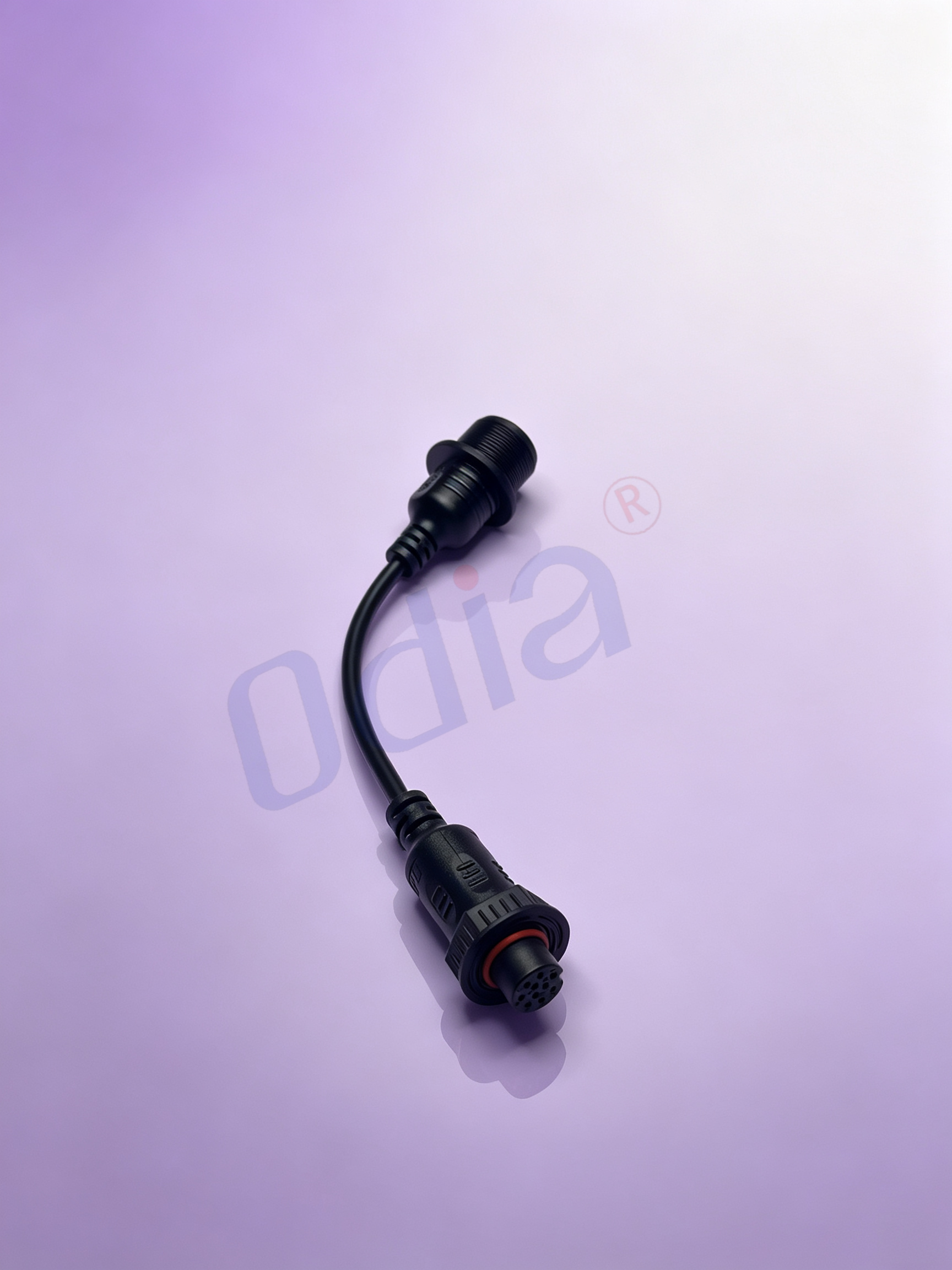
04
Sep
14
Sep
21
Sep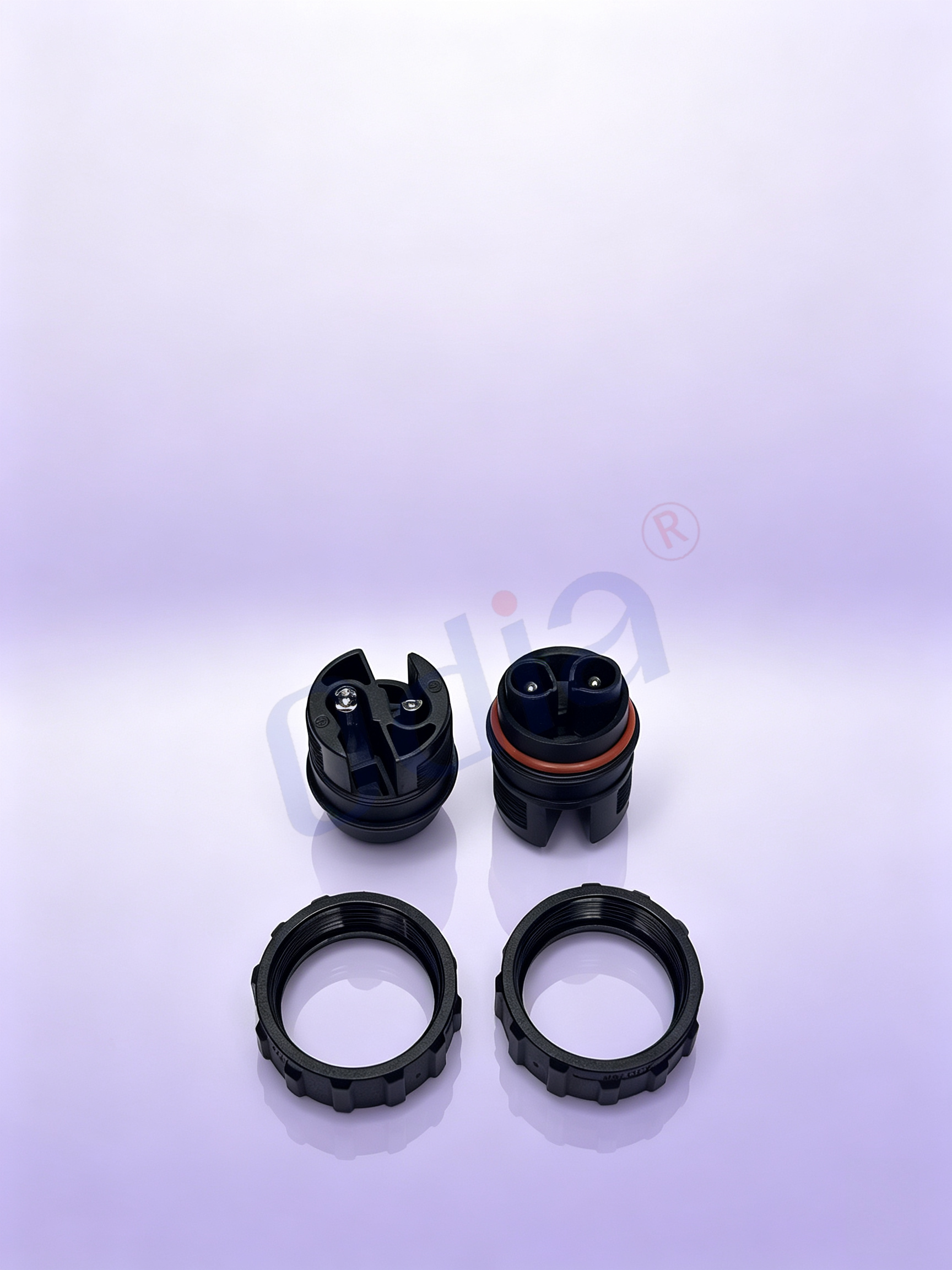


 EN