
 EN




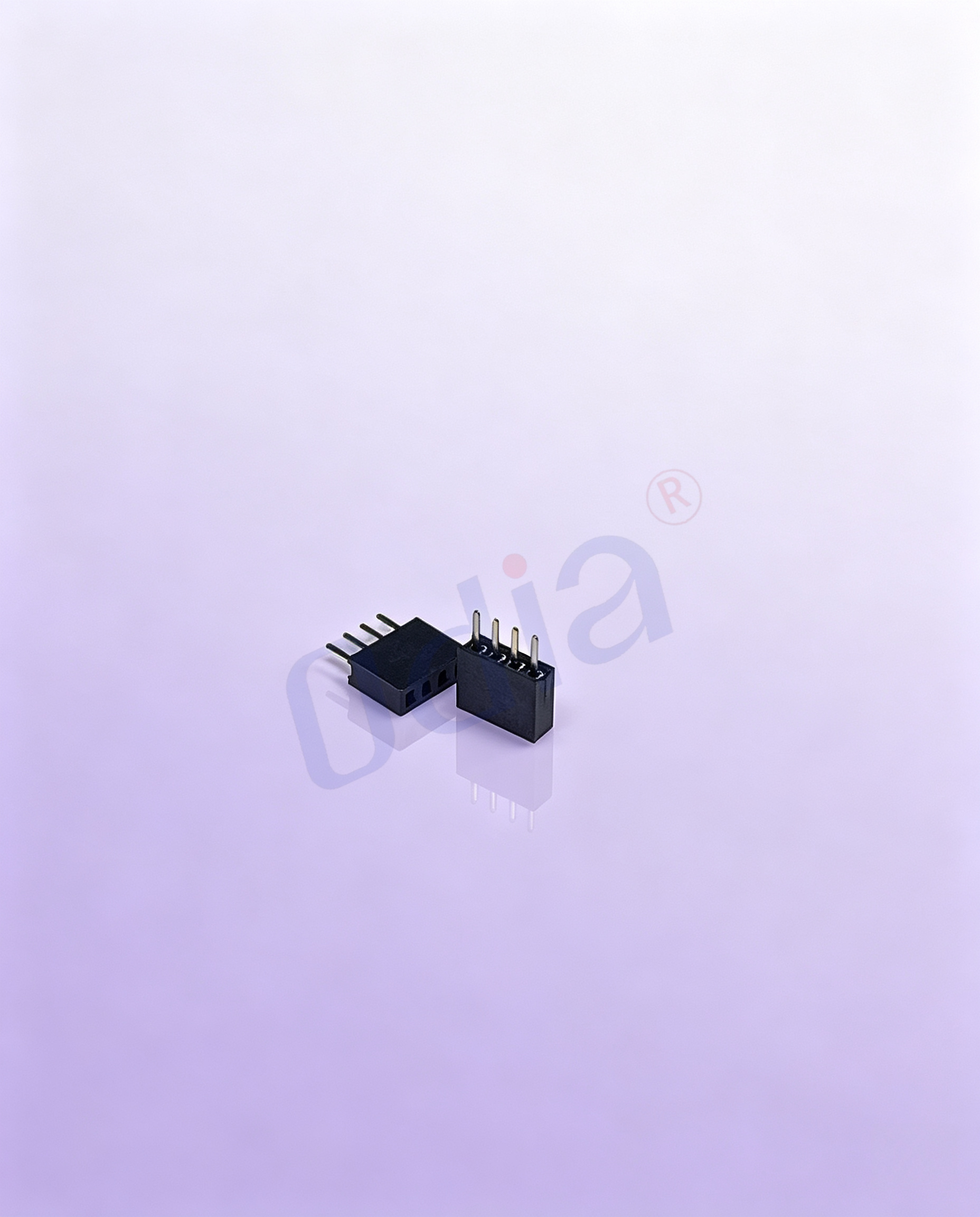
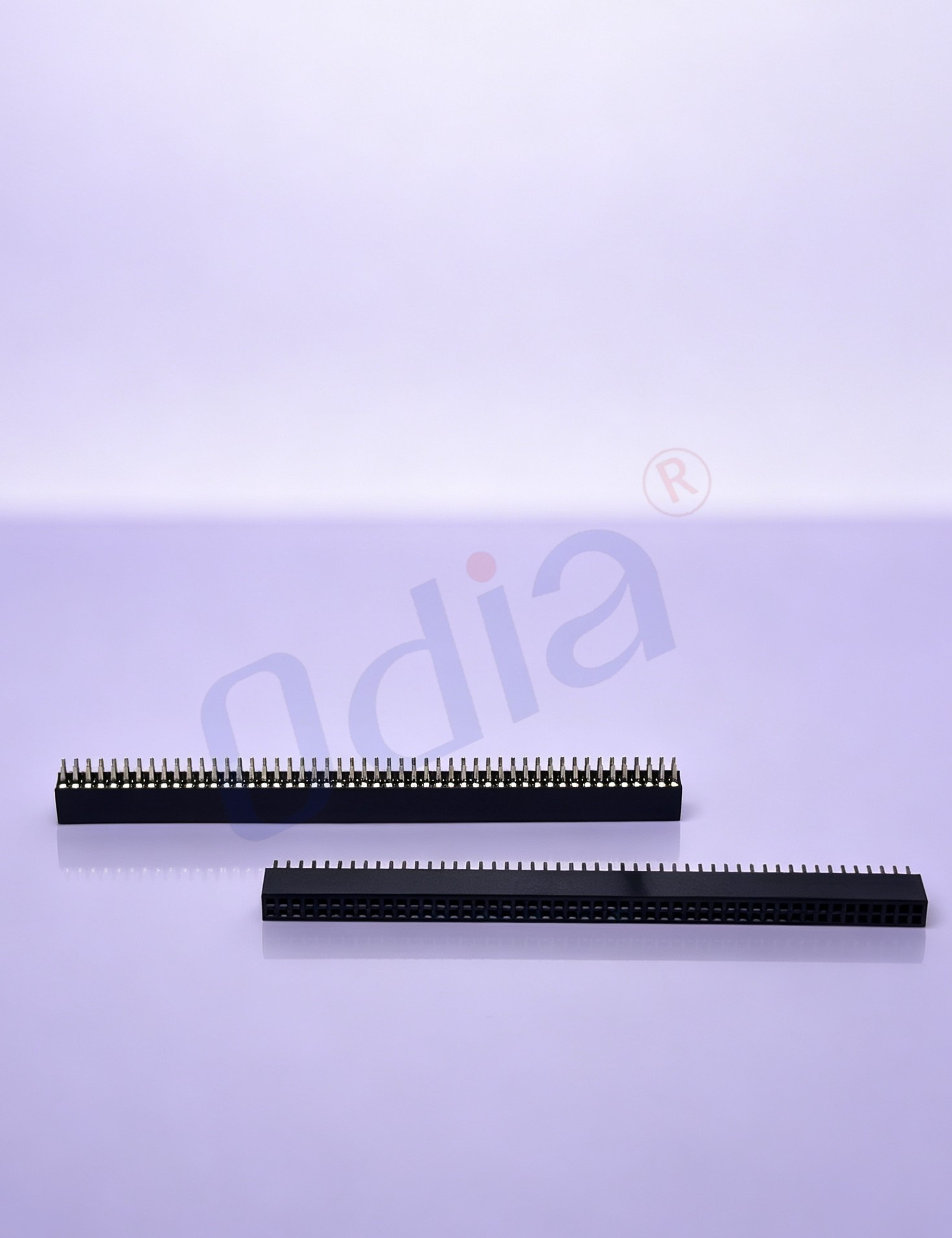
Connectors for PCB Design and Industrial Assembly
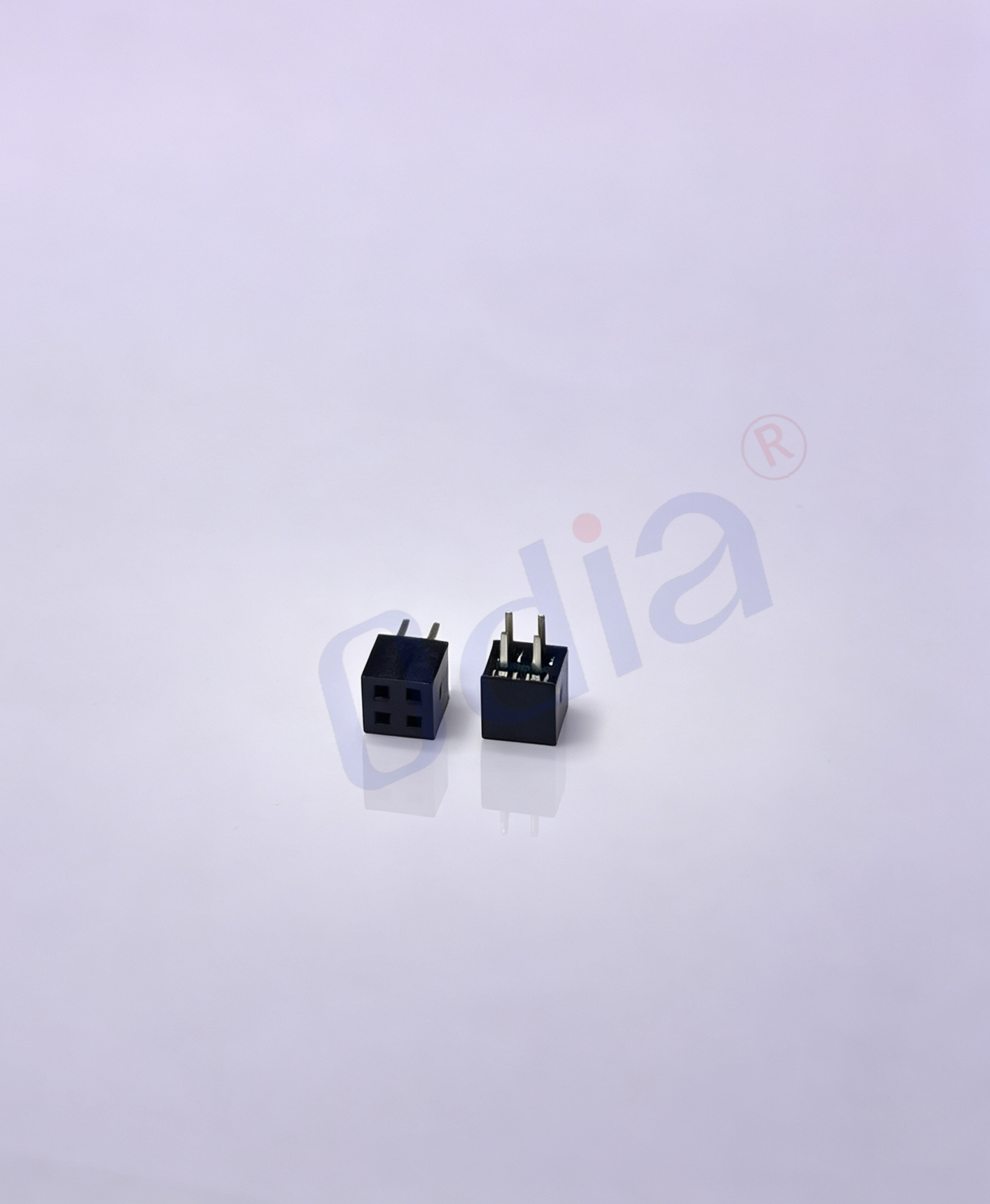
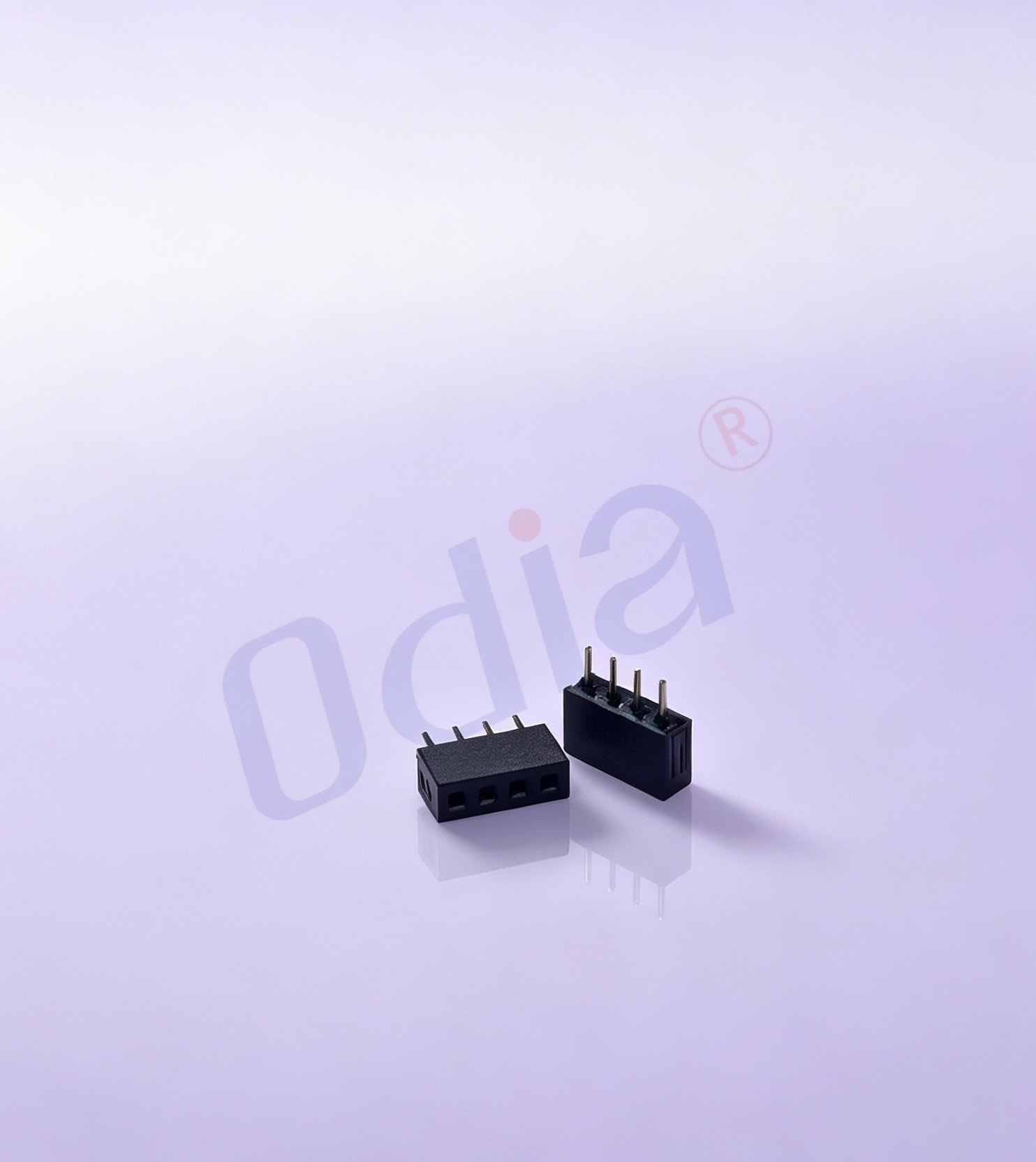
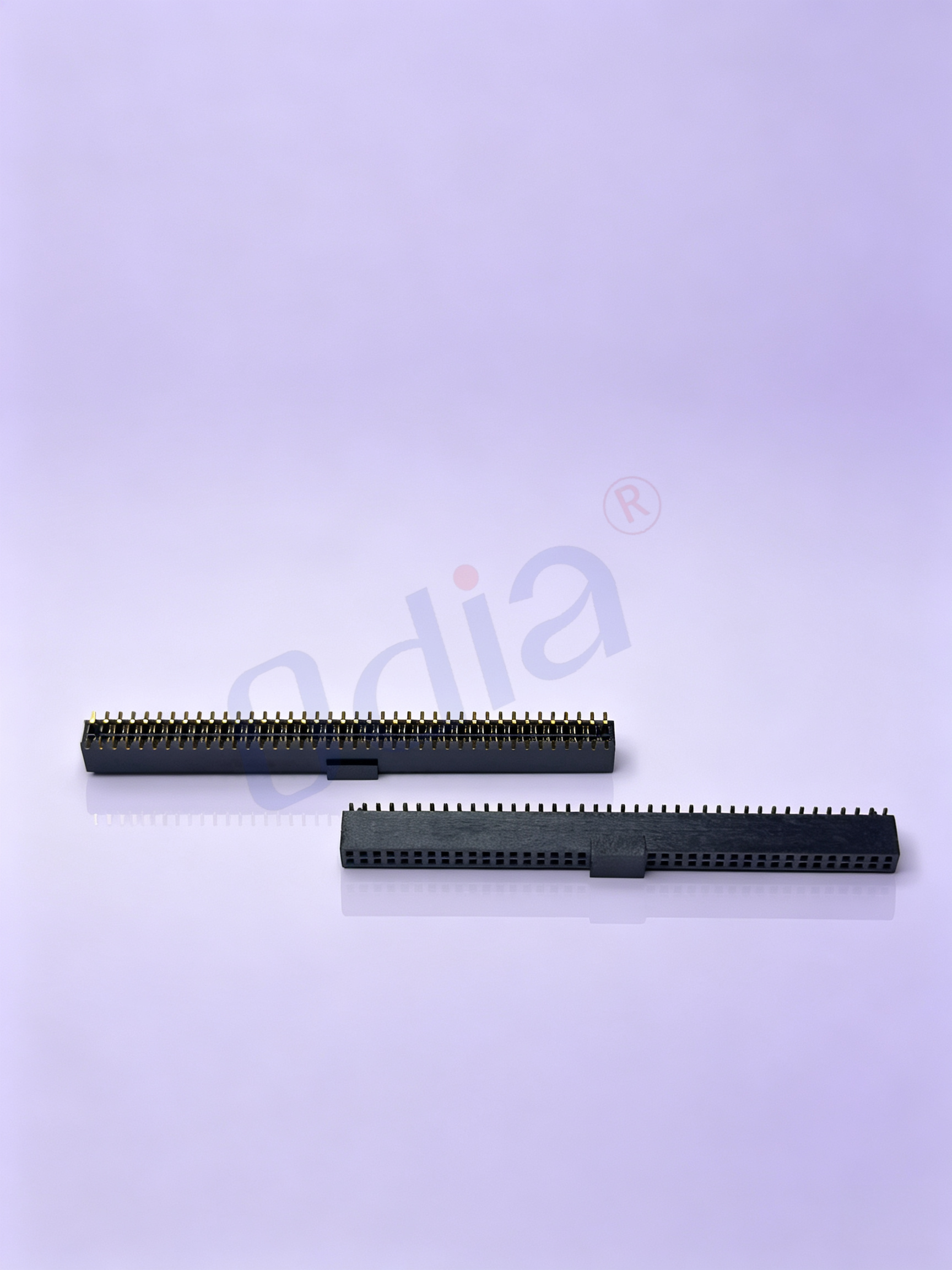
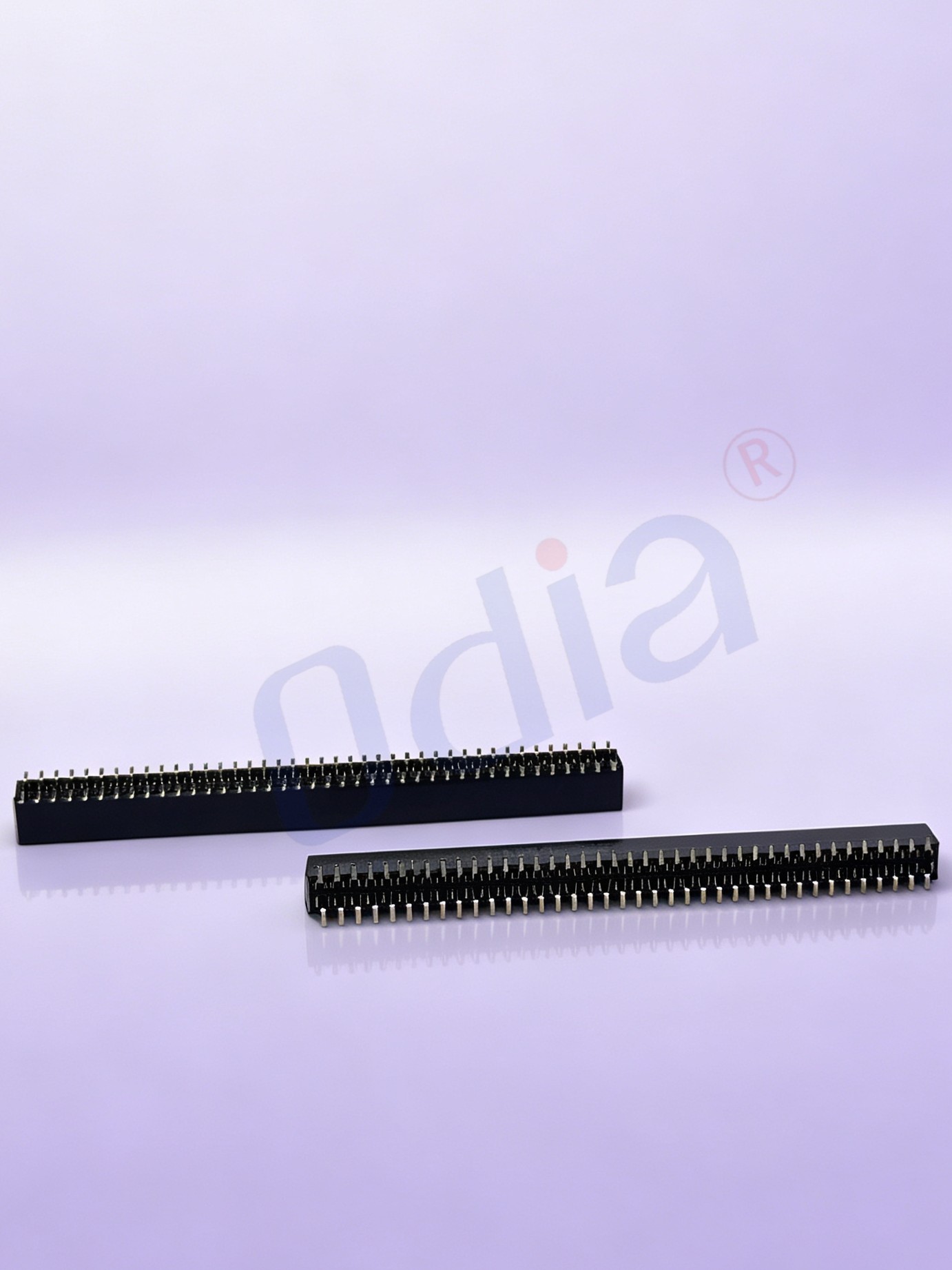
Connectors are coupling devices that join electrical terminations to form reliable circuit paths, enabling power, signal, and data transmission between PCBs, cables, and electronic components. This category covers PCB connectors and board-interconnect solutions for a range of design and procurement scenarios, including standard pin header connectors, gate-type anti-vibration connectors, U-type square hole connectors, through-hole DIP connectors, right-angle bent connectors, and SMT surface-mount connectors. Connectors in this range are intended for engineers and procurement teams sourcing reliable, specification-consistent PCB interconnect components for industrial, automotive, IoT, and consumer electronics applications.
Whether you are specifying connectors for a new industrial control board, selecting connectors for an automotive electronics module, or sourcing connectors for a contract manufacturing line, this category covers the standard 2.54mm pitch variants most widely required in mainstream PCB assembly workflows. Connectors in this range are available in multiple insulator and mounting configurations to match different assembly processes and environmental requirements.
Key Characteristics of These PCB Connectors
The following attributes are relevant when evaluating connectors from this category for a specific application.
- Standard 2.54mm pitch connectors: All connectors in this range use 2.54mm pitch, the most widely supported footprint dimension for mainstream PCB soldering and hand assembly. These connectors are compatible with existing board layouts without footprint modifications, making them a practical choice for new designs and alternate-source qualification.
- Through-hole and SMT connectors: The range includes DIP through-hole connectors for wave soldering and selective soldering processes, and square hole SMT connectors optimized for automated reflow soldering lines. SMT connectors support higher board density layouts and reduce manual assembly requirements at the connector position.
- Anti-vibration gate-type connectors: Gate-type connectors are built with PA6T insulator and bump structures that reduce insulator loosening in environments subject to mechanical vibration, including industrial control panels, motor drive enclosures, and vehicle-mounted electronics. These connectors are documented for precision electronics and industrial control module wiring applications.
- Right-angle bent connectors: 90-degree bent connectors address PCB layouts where vertical connectors conflict with enclosure height constraints or adjacent component clearance. Right-angle connectors are documented for consumer electronics, automotive, and industrial control device applications where space-constrained assembly requires a non-vertical termination orientation.
- Multiple insulator layer connectors: Gate-type connectors are available with single-layer, double-layer, and triple-layer plastic insulator configurations. These connector variants provide different mechanical retention and anti-vibration performance levels matched to varied PCB assembly and field installation environments.
- RoHS and UL compliant connectors: Connectors in this category carry RoHS-compliant material declarations and UL certification references in applicable variants. These connectors support export qualification requirements in the EU, Japan, North America, and other regulated markets where compliance documentation is a threshold supplier requirement.
Common Applications for These Connectors
For industrial control and automation applications, through-hole DIP connectors provide stable long-term electrical connections in PLC input/output wiring, sensor signal lines, and field-installed module interconnects. In environments subject to mechanical vibration—such as motor drive enclosures and industrial machinery—gate-type connectors with bump structure insulators are the appropriate variant to specify. Connectors for these environments benefit from documented anti-vibration construction rather than relying on standard insulator retention alone.
Automotive electronics applications require connectors that maintain contact reliability across temperature cycling and mechanical stress. PCB connectors in this range carry RoHS and UL compliance references, representing the threshold documentation typically required for connectors in automotive-adjacent supply chains entering EU and North American markets. Connectors destined for automotive applications should be qualified against the operating temperature and vibration class of the target system before design-in.
IoT hardware designers and consumer electronics engineers working with compact board layouts will find SMT connectors applicable where footprint precision and reflow process compatibility are the primary requirements. For smart home devices, communication modules, and industrial sensor boards, SMT connectors support automated assembly workflows without requiring manual soldering at the connector position. Connectors for these applications benefit from the enhanced anti-offset locking features documented in the SMT square hole product variants.
In prototyping and hardware development environments, 2.54mm through-hole connectors support breadboard and module interconnect configurations used during board validation. Specifying connectors with the same footprint at prototype stage reduces the BOM change effort at the prototype-to-production transition, where connector substitution after PCB layout is frozen typically generates redesign costs that outweigh the per-unit savings.
How to Select Connectors for Your Application
Which connectors are appropriate for a given design depends on three criteria: PCB layout density, assembly process compatibility, and environmental robustness. Connectors that optimize one of these criteria do not always satisfy the others, so the selection decision requires explicit review of application constraints before BOM finalization.
A common mistake when specifying 2.54mm connectors is assuming the PCB footprint is interchangeable across vendors. Connectors from different sources may have pin length and through-hole tolerance variation sufficient to affect solder joint quality at first-article inspection. If you are qualifying alternate-source connectors for an existing BOM, request dimensional drawings and verify pin geometry against your Gerber files before placing a production order.
For standard through-hole applications in consumer or industrial control environments, square hole straight insert connectors are documented for stable long-term electrical connection and mechanical fixation. In high-volume production, the choice between standard insulator connectors and gate-type anti-vibration connectors depends on the mechanical environment. Connectors that experience insulator loosening under production-line vibration introduce rework costs that typically exceed the per-unit cost difference between connector variants many times over.
For SMT assembly lines with automated optical inspection processes, confirm that the solder paste stencil aperture and placement tolerance match the SMT connector footprint dimensions before the first production run. Connectors with enhanced anti-offset features—as documented in the SMT square hole variants in this range—are designed to reduce placement shift during reflow and improve AOI pass rates. What this means in practice is that footprint drawings and reflow process guidelines for SMT connectors should be obtained from the supplier as part of the qualification package.
Why Connectors Quality and Compliance Matter for Industrial Buyers
Industrial automation buyers consistently prioritize connectors reliability over unit price. Connectors that fail in a continuously operating production environment generate downtime costs that are multiples of the connectors' annual procurement value. For procurement managers evaluating PCB connectors sources, batch-to-batch dimensional consistency, documented incoming inspection processes, and traceable compliance documentation are primary qualification criteria for connectors entering high-reliability applications.
For products entering EU and Japanese markets, RoHS and REACH compliance documentation for connectors is a mandatory threshold requirement. Connectors in this category are supported by RoHS-compliant material declarations. For buyers managing approved vendor list processes at downstream OEM or EMS customers, supplier-issued compliance documentation for connectors reduces the administrative overhead of new-source qualification and supports faster integration into regulated supply chains.
Quality management for PCB connectors involves documented incoming inspection of raw materials, in-process dimensional and electrical verification, and outgoing quality checks before shipment. For volume production procurement, batch-to-batch mating force consistency is a relevant incoming inspection criterion for connectors—inconsistent mating force is an indicator of dimensional variation that can lead to incomplete connector seating in automated assembly. If you are evaluating connectors for a new project or qualifying alternate-source connectors for an existing production BOM, dimensional drawings and compliance documentation are available on request for formal qualification use.