
 EN




What Is an Aviation Plug?
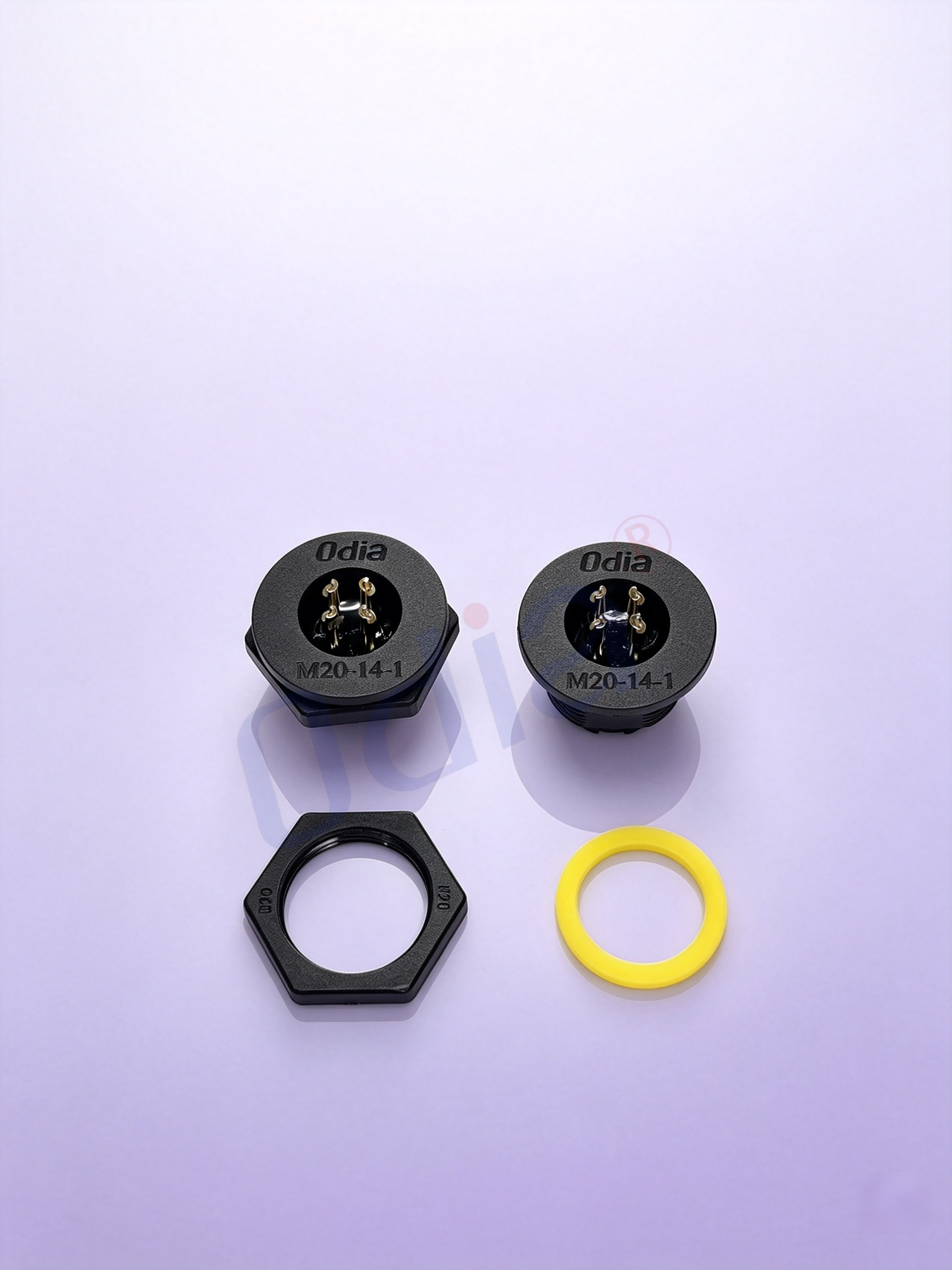
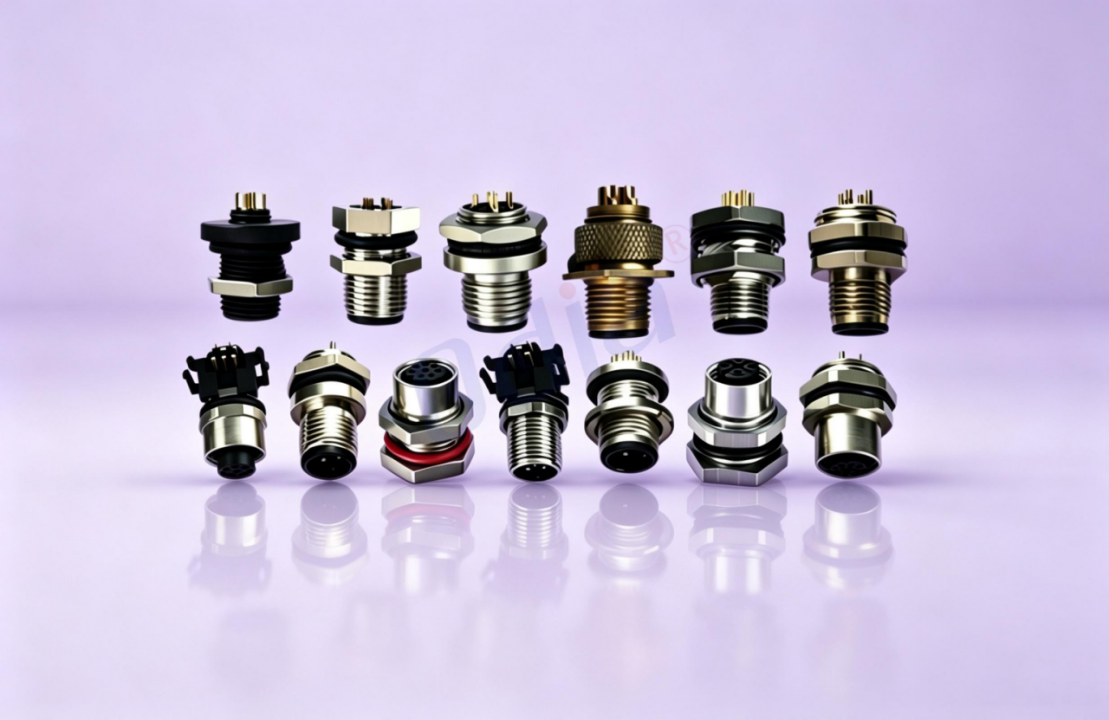
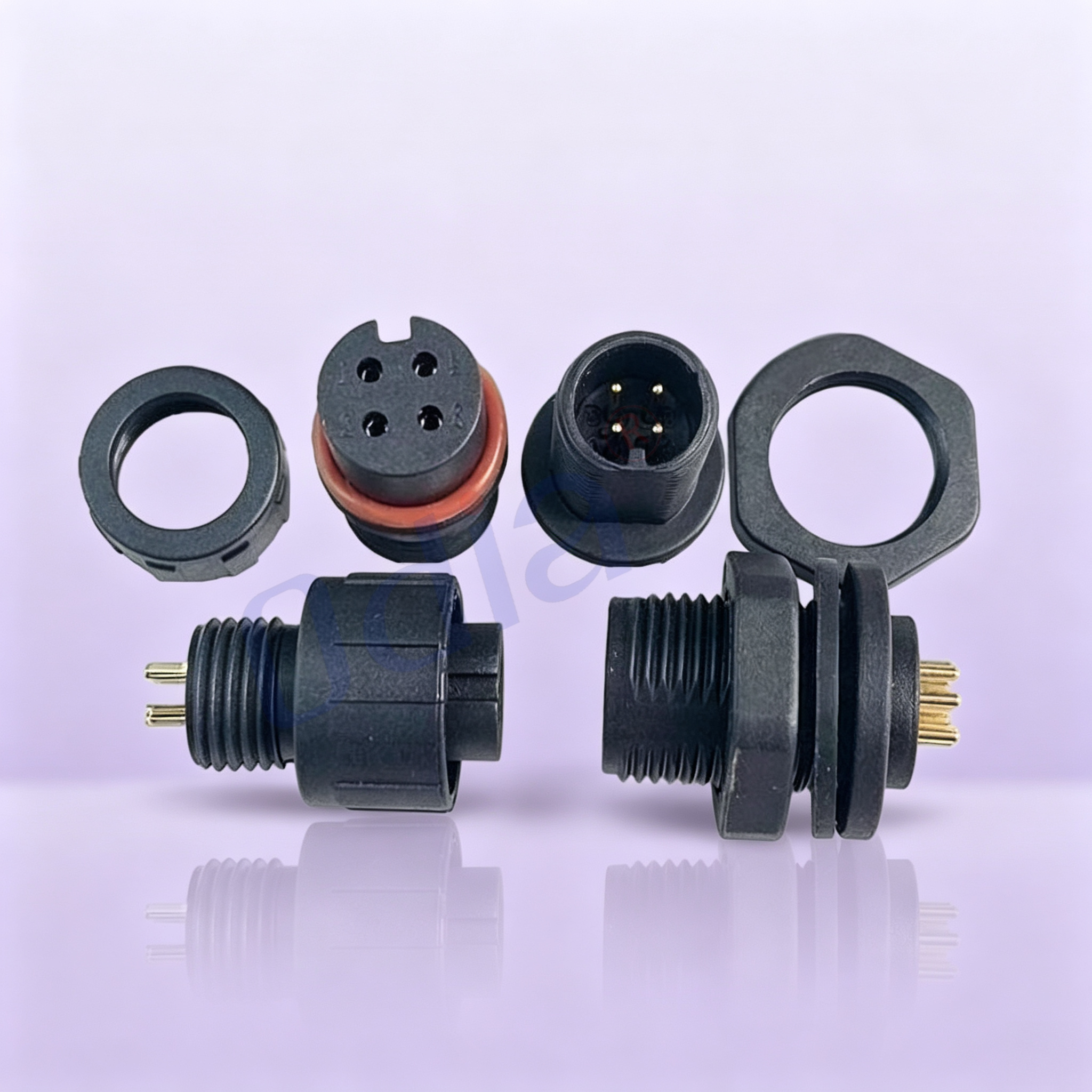
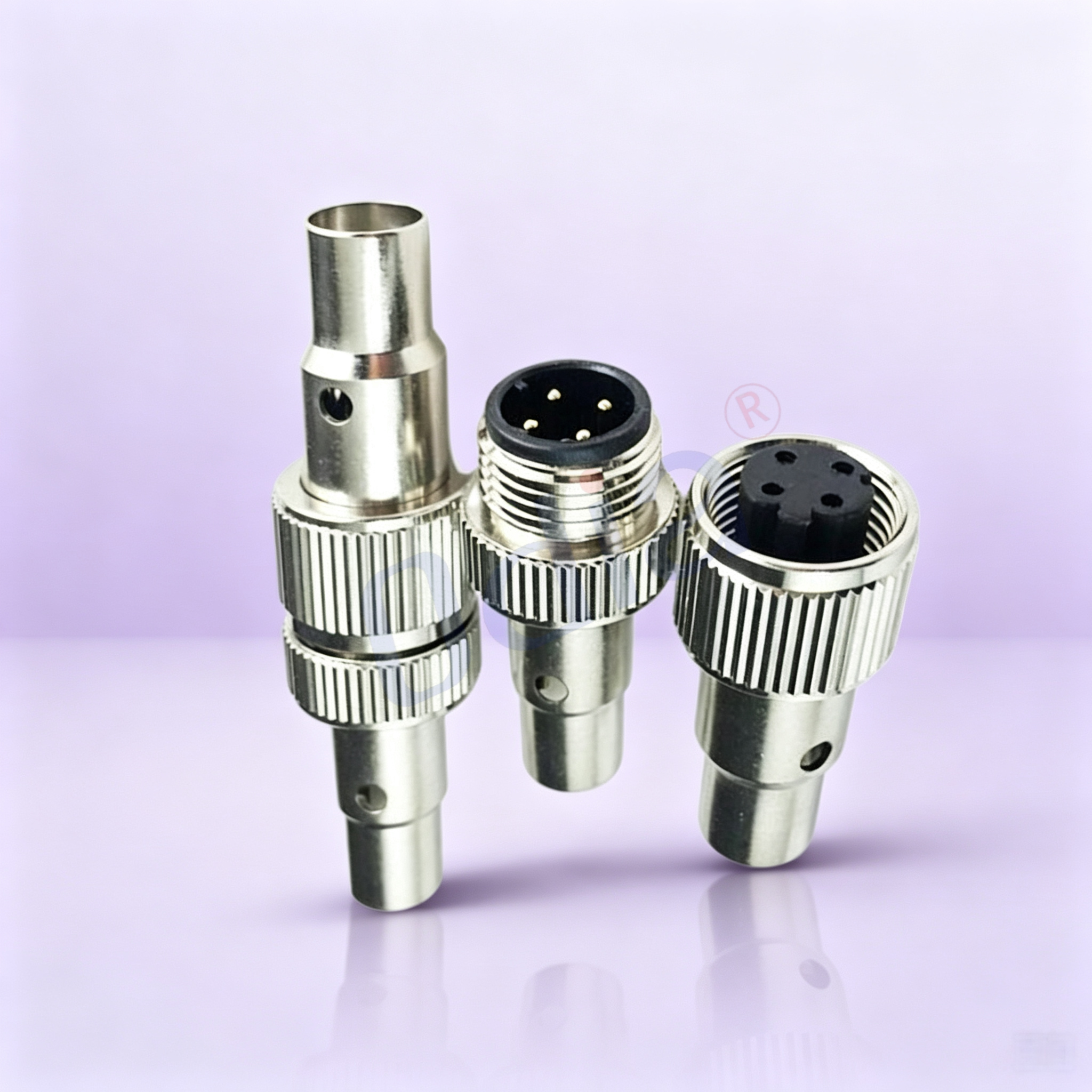
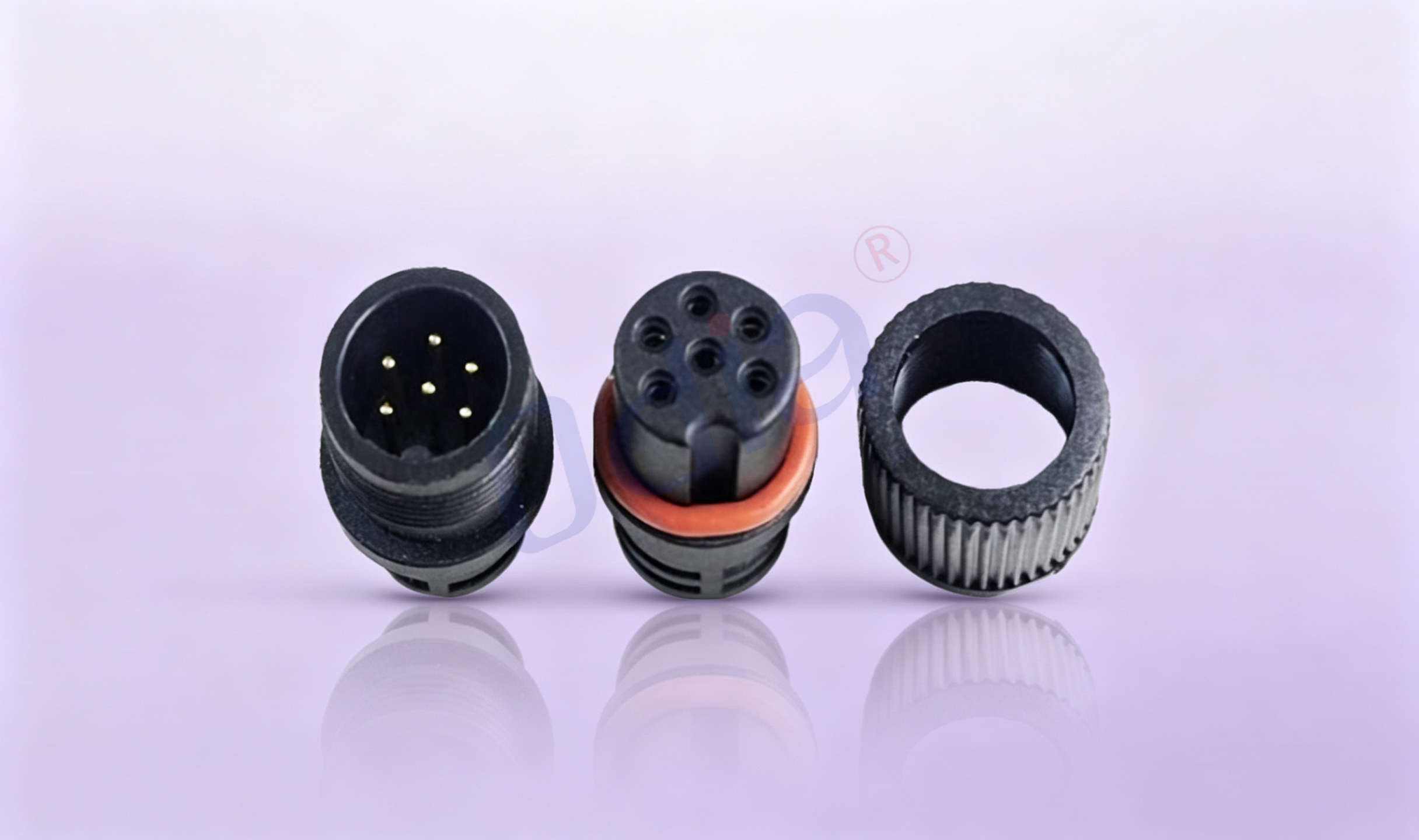
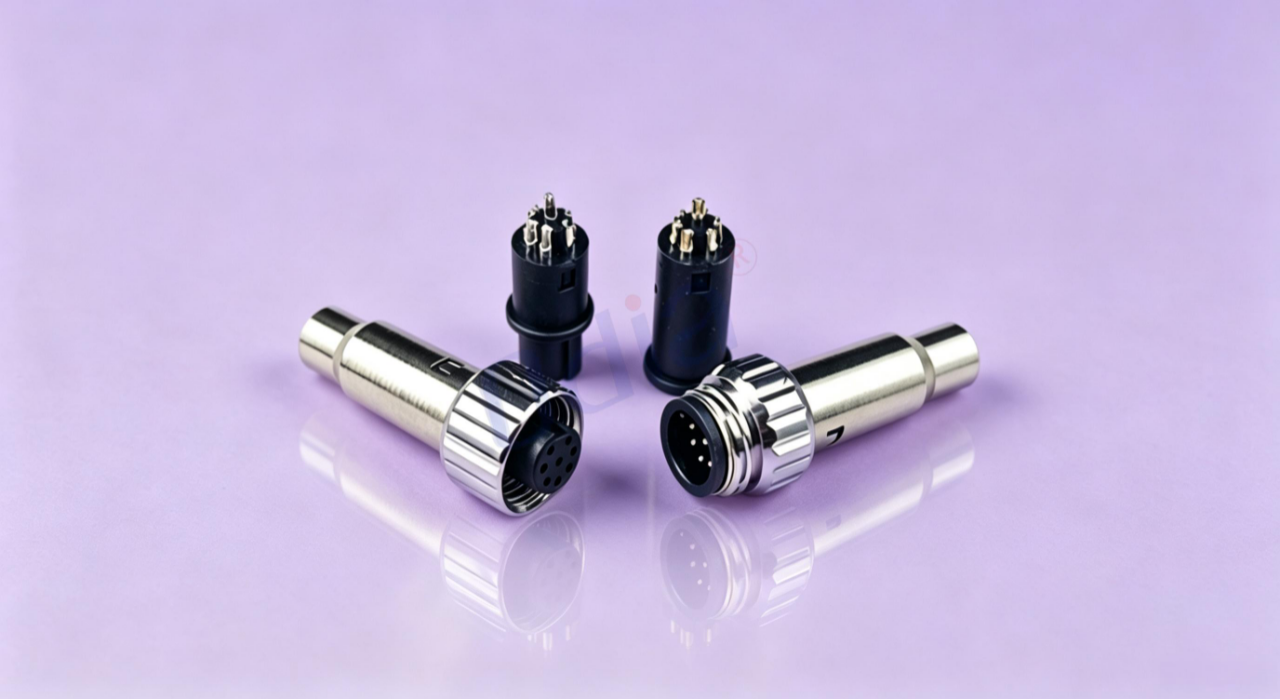
Aviation plugs—also referred to as aviation connectors or circular connectors—are industrial-grade coupling components featuring metal or engineering-plastic housings with threaded or push-pull locking mechanisms. Originally developed for precision signal and power connections in demanding environments, these connectors have become a standard interface across industrial automation, outdoor infrastructure, and field-deployed equipment worldwide.
The defining characteristics of aviation plugs include a circular cross-section housing, a multi-contact pin arrangement, and a positive-locking coupling that resists unintentional disconnection under vibration or mechanical stress. Housing materials are typically nickel-plated brass or zinc alloy, with contact pins in copper alloy finished with gold or tin plating for reliable electrical performance across the connector service life. Thread sizes commonly range from 12mm to 18mm, with pin counts from 2 to 17, covering both low-current signal and higher-current power applications within a single connector format.
Key Product Characteristics
- Thread Sizes: M12, M16, and M18 thread configurations are available to match different current capacities, panel cutout requirements, and cable outer diameters. Larger thread diameters generally accommodate higher pin counts and current ratings, while unified thread sizing across pin count variants simplifies panel design.
- Pin Count Range: From 2 to 17 pins in a single connector body, supporting combined signal, power, and grounding connections without requiring multiple separate cable penetrations. For multi-function field connections, consolidating circuits into a single aviation plug reduces installation complexity.
- IP Protection Levels: Configurations are available from IP44 through IP68, covering indoor splash protection up to full submersion capability. The appropriate IP rating depends on the specific deployment environment—selecting higher protection than required typically adds size and cost without a corresponding reliability benefit.
- Termination Styles: Solder cup, PCB pin, and crimp termination options are available to match different wiring methods and field installation practices. Solder cup terminations offer good reliability in low-volume or hand-wired assemblies; crimp terminations are more suited to volume cable assembly workflows.
- EMI Shielding: Select configurations include shielded housing designs for EMI-sensitive signal connections in industrial control, PLC wiring, and sensor network applications.
- Locking Mechanisms: Threaded coupling nuts provide positive mechanical retention under vibration as well as IP-rated sealing when engaged to specification. The threaded locking format is particularly well-suited to applications where vibration from machinery or vehicle operation would otherwise work a non-locking connector free over time.
- Material and Plating: Nickel-plated brass threads provide anti-corrosion protection and consistent torque characteristics. Contact pins with copper alloy base material support reliable electrical connection across rated mating cycles.
- RoHS Compliance: Connector materials are RoHS compliant, supporting use in EU-market products and simplifying the compliance documentation required by procurement teams targeting regulated export markets.
Common Applications
Aviation plugs appear across a wide range of industrial and infrastructure applications wherever a robust, field-serviceable connection is needed at a cable interface point.
In industrial automation, aviation plugs are used for sensor wiring, PLC I/O connections, and actuator cabling where vibration-resistant retention and IP-rated environmental protection are required at panel and equipment cable entry points. Their compact circular form factor and positive-locking engagement make them practical for high-density panel layouts where multiple field cables terminate in a confined space.
In energy applications—including solar PV installations, energy storage systems, and EV charging infrastructure—aviation plugs provide weatherproof connections between field equipment and control enclosures. The combination of threaded locking and IP-rated sealing makes them a practical choice for outdoor equipment exposed to temperature swings, humidity, UV radiation, and wind-driven moisture over multi-year service intervals.
Navigation systems, communication equipment, CNC machinery, and portable field instruments also commonly use aviation plugs where the cable interface must survive rough handling, repeated mating and unmating cycles, and unpredictable installation environments. Ham radio operators and scientific instrumentation teams use aviation plugs for the same reasons: reliable field connection with a format that can be serviced or replaced without special tooling.
How to Choose the Right Aviation Plug
So where should you start when specifying an aviation plug? The most reliable approach is to start from the deployment environment and work backward to the connector specification—not from the connector catalog forward.
The key selection parameters to evaluate are:
- Thread diameter: M12, M16, and M18 cover the most common requirements. Larger diameters support higher pin counts and current capacity but increase the panel cutout and overall connector envelope. If all pin count variants share a single thread size, panel design is simpler and inventory is easier to manage.
- Pin count: Select based on the number of signal, power, and ground circuits required in the connection. A single aviation plug consolidating multiple circuits reduces the number of panel penetrations and simplifies cable management on the equipment side.
- IP protection rating: The IP rating must match the specific installation environment. For indoor or lightly protected industrial environments, IP44 or IP54 is typically sufficient. Outdoor industrial applications generally call for IP65 or IP67. Full submersion or high-pressure washdown applications require IP68. What this means in practice: selecting a rating one level higher than clearly needed adds cost and often adds connector size without a proportionate reliability gain in actual field conditions.
- Termination type: Match the termination style to the cable assembly process. Solder cup terminations are well-suited to field wiring and low-volume builds. Crimp terminations reduce labor time in higher-volume cable assembly. PCB pin configurations allow direct board mounting where the connector is used as a panel-mount interface to a circuit board.
- Current and voltage rating: Confirm the per-pin current rating against the actual circuit load. In multi-pin connectors, derating at elevated temperatures or in high-current mixed-signal configurations should be accounted for during the design phase, not discovered during qualification testing.
- Cable diameter compatibility: Verify that the connector rear housing accommodates the outer diameter of the cable being used. Aviation plug housings designed for larger-diameter multi-core cables may not seal correctly on thin single-pair cables without appropriate cable glands or reducer adapters.
Achieving IP67 or higher sealing on an aviation plug requires a precision-fit rubber gasket and full thread engagement, which adds physical bulk and weight to the connector compared to lower-rated configurations. For applications where the connector footprint is space-constrained—such as compact portable instruments or wearable field devices—the IP rating versus connector size tradeoff is a genuine engineering consideration that should be evaluated early in the design process rather than after the enclosure layout is finalized.
Field Installation and Reliability Considerations
Engineers designing for harsh environments frequently find that connector reliability issues in service are less about the connector's rated specifications and more about how the connector is installed and maintained over time. Two failure patterns appear regularly in aviation plug field deployments:
In outdoor installations, oxidation or contact discoloration visible on aviation plug mating surfaces after the first operating season is a reliable indicator that ambient humidity and temperature conditions were underestimated when the IP rating was originally selected. This points to a systematic specification error rather than a product defect—the connector is performing within its rated specification, but that specification did not adequately account for the actual field environment. Specifying the correct IP rating from the outset, based on measured or conservatively estimated site conditions, avoids this pattern.
A second common issue involves mechanical retention in vibration-prone applications. Field technicians installing aviation plugs in equipment subject to continuous vibration sometimes find that connections loosen over time despite following standard installation procedures. In field installation of aviation plugs, over-torquing the coupling nut is an equally common shortcut—it feels more secure, but can lead to housing thread damage and degraded IP sealing integrity over repeated mating cycles. Following the specified torque range and applying appropriate vibration-resistant measures where the environment warrants it are both relevant installation practices for long-term connection reliability.
For industrial automation buyers, these failure modes carry disproportionate cost. A field connection failure in a running automated production system typically requires unplanned maintenance, diagnostic time, and production downtime that far exceeds the replacement cost of the connector itself. Selecting the right aviation plug specification for the application environment—and installing it correctly—is the practical path to avoiding that cost.
Why Aviation Plug Selection Matters for Industrial Buyers
Aviation plugs occupy a specific role in the industrial connector landscape: they are specified precisely because the cost of a field failure is substantially higher than the cost of the connector. This framing—reliability as the primary selection driver rather than unit price—is consistent with how industrial automation buyers actually evaluate connector procurement decisions.
For design engineers, the practical implication is that aviation plug selection requires careful matching of IP rating, pin count, current capacity, and locking mechanism to the actual deployment conditions. A connector that meets minimum specs on paper but is underspecified for the real environment will generate field issues that are disproportionately costly to diagnose and repair.
For procurement managers, supplier consistency across production batches, available compliance documentation, and technical pre-sales support are as important as unit pricing. Aviation plug applications typically involve multiple connection points per installation, so the ability to source a complete set of matched panel-mount, cable-mount, and field-wireable configurations from a single product family simplifies both the BOM and the installation design.
Connector application environments in industrial automation, EV infrastructure, and outdoor equipment are becoming progressively more demanding—with higher operating temperature ranges, increased vibration loads, and growing IP protection expectations. Aviation plug product lines that offer a range of IP protection levels from IP44 through IP68 allow buyers to match protection level to application requirement without switching connector families, which preserves mating compatibility across a system installation and reduces the qualification burden when selecting connectors for related applications with different environmental exposures.